Wheels of care in Mzimba South
Pedaling hope for children, communities
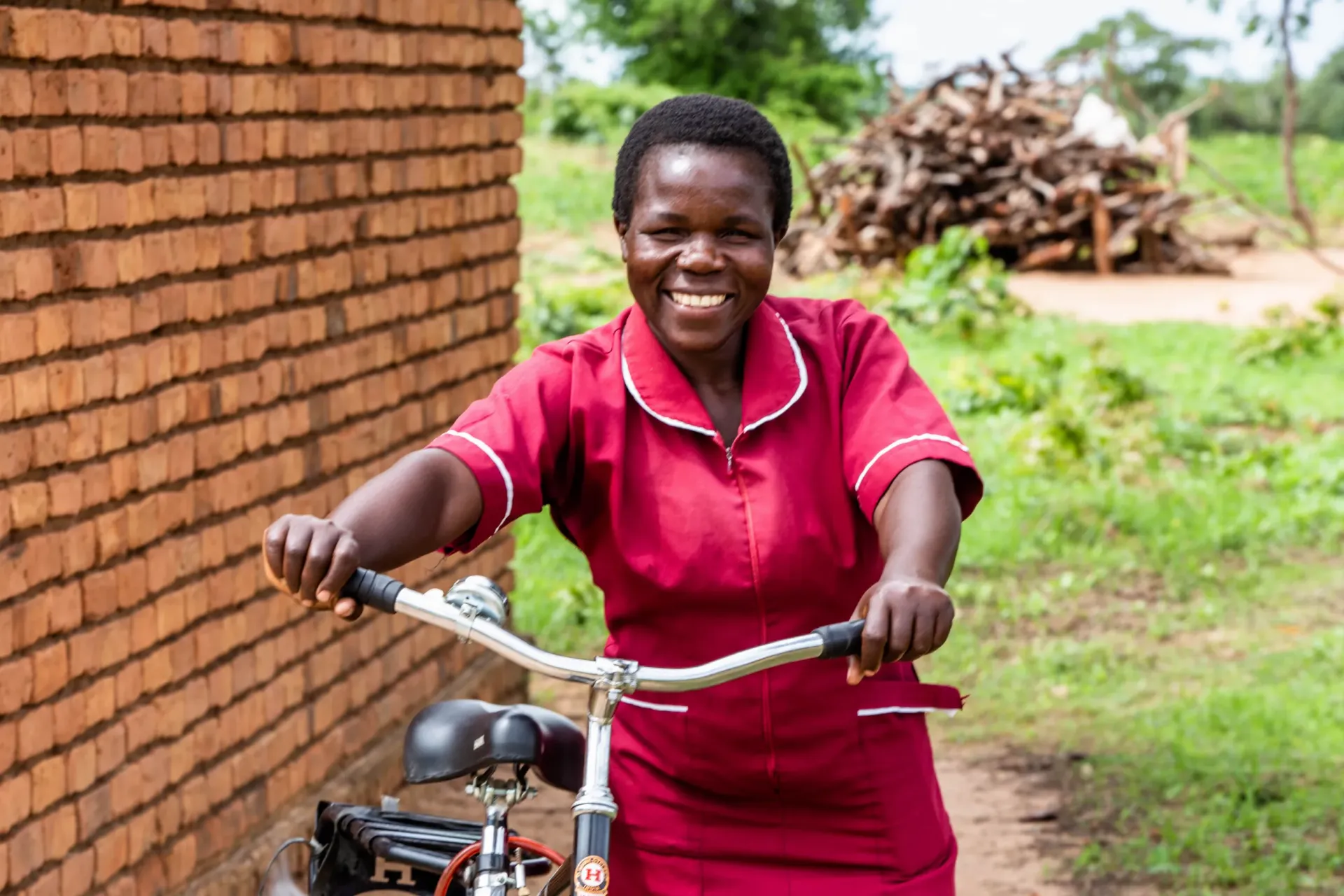
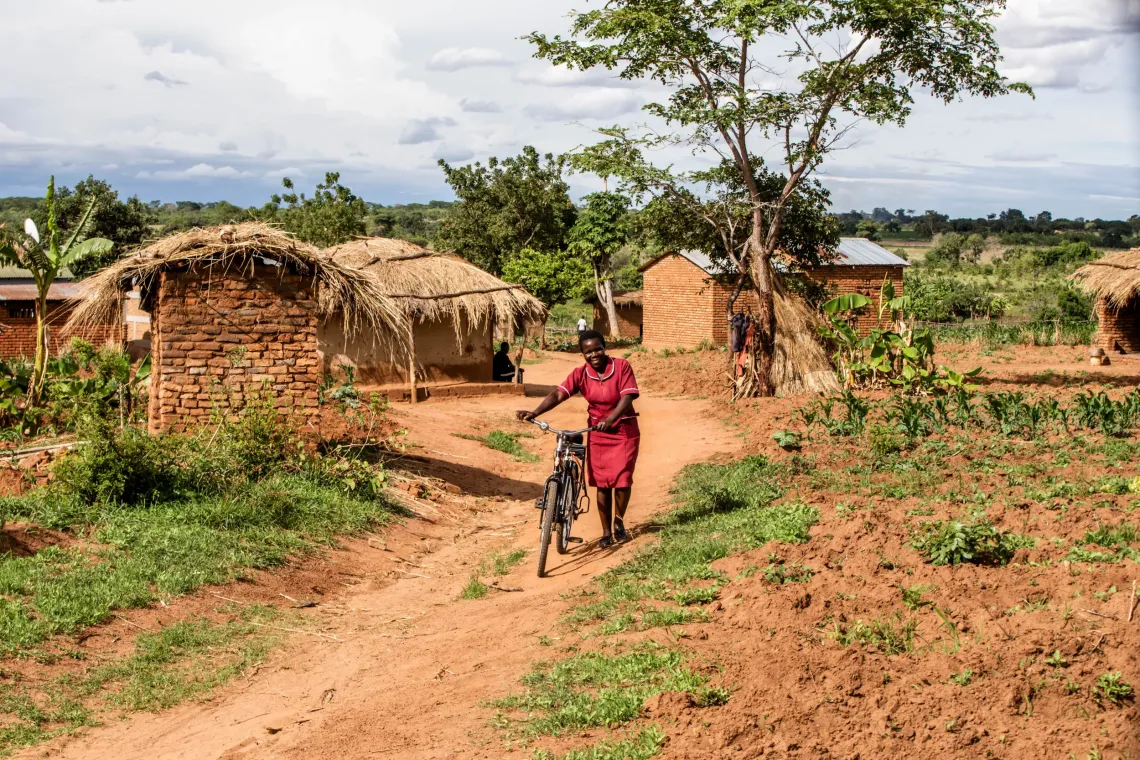
The first light of dawn paints the sky a pale orange as Monica Lungu pedals along a dusty, rutted track in Mzimba South. The only sounds are the whirring of his bicycle chain and the waking calls of birds.
For Lungu, a community midwifery assistant (CMA), this early start is essential. Her rounds will take her to scattered homesteads across a vast area, checking on pregnant women and young children. The bicycle beneath her is not just transport; it is a new, vital piece of medical equipment.
In the vast, sparsely populated district of Mzimba South, geography has long been a barrier to health. Remote communities were isolated, especially during the rainy season when rivers swelled.
For frontline health workers such as CMAs and health surveillance assistants (HSAs), reaching these households meant long, exhausting walks that consumed time and limited the frequency of visits. A follow-up could be a weekly ordeal, not a simple check-in.
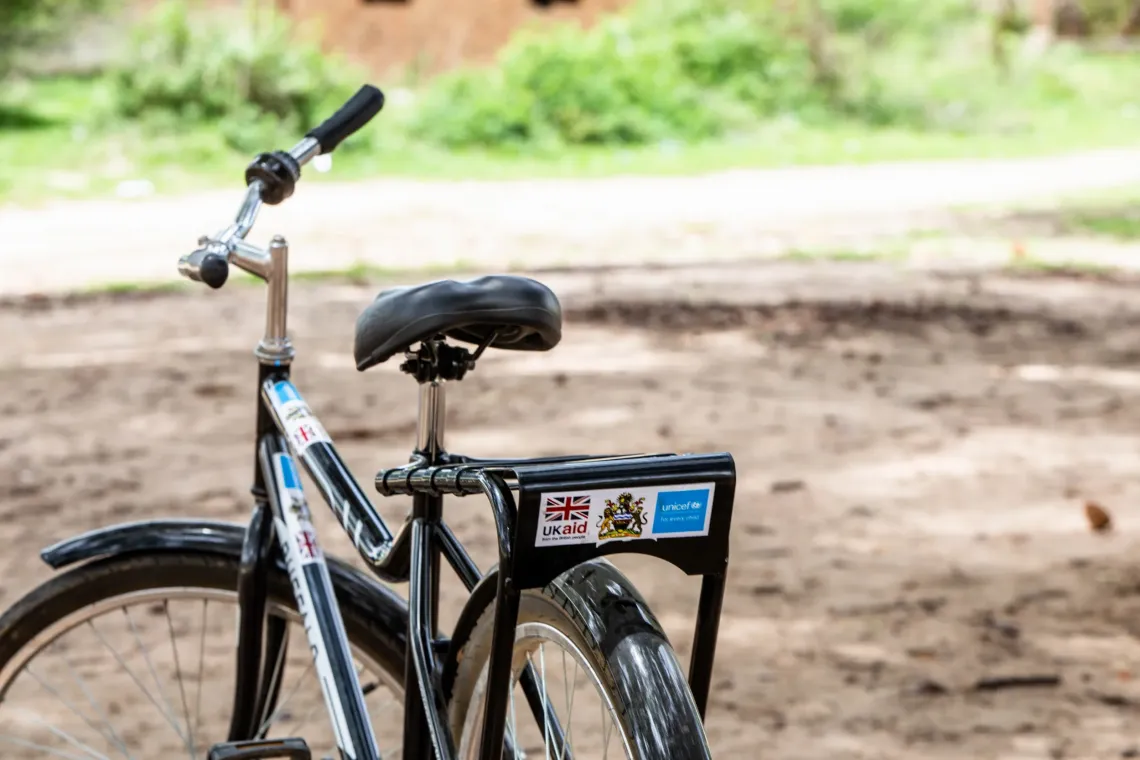
This changed with the distribution of 54 bicycles by UNICEF with funding from the UK’s Foreign, Commonwealth and Development Office (FCDO) and in collaboration with the Ministry of Health and Sanitation. The intervention aimed to strengthen primary health care by transforming mobility.
“Considering that Mzimba district is vast… you need to have better ways of travel to reach distant communities,” explains Paul Isaac Kansalu, the District Safe Motherhood Coordinator.
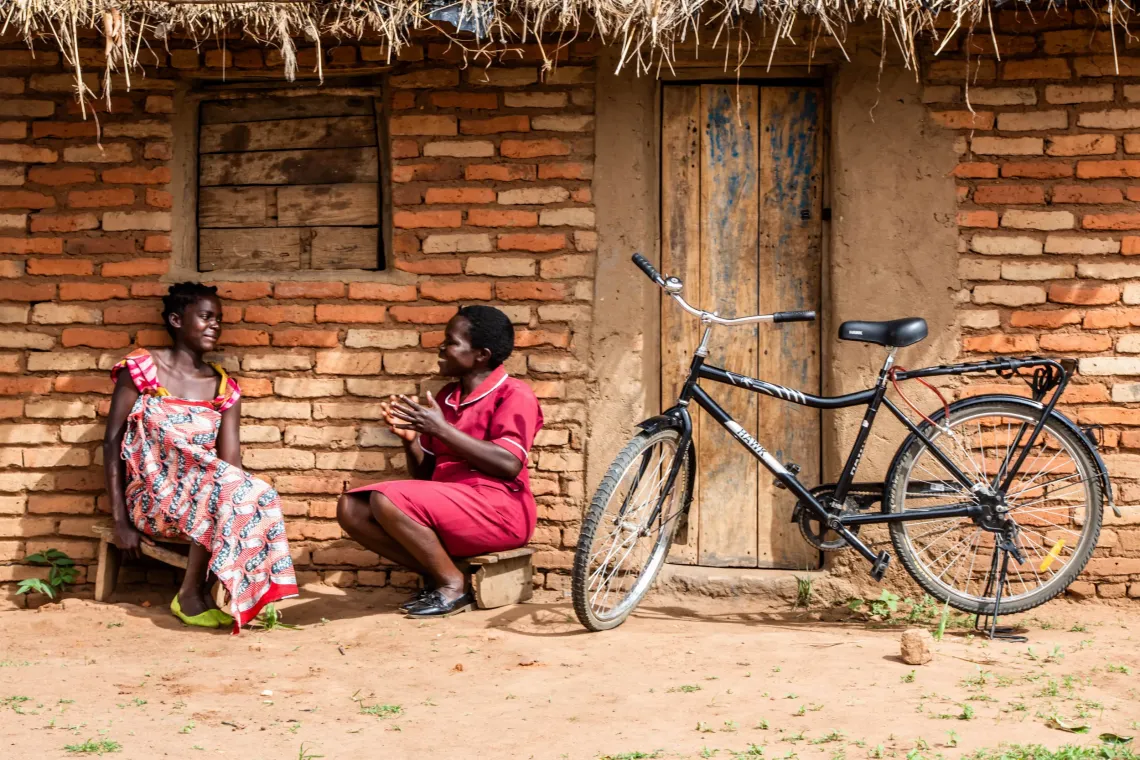
The impact is measured in hours saved and distances conquered. At Chiseng’ezi Health Post, CMA Enasy Chirwa recalls hiring bicycle taxis with her own salary, often resorting to walking to villages up to 13 kilometres away.
“The bicycle has helped me travel long distances to collect reports, attend meetings and order medical supplies for pregnant women, such as anti-malarial drugs and mosquito nets, as well as reach areas,” Chirwa says.
She says she now conducts frequent sensitisation meetings on antenatal care and disease outbreaks.
Similarly, at Chinyika Health Post, which serves areas over 20km from the health post, Monica Lungu can now visit communities three times a week instead of twice a month.
“Before having a bicycle, some pregnant women would deliver at home,” she notes. Now, consistent awareness campaigns are encouraging women to deliver at hospitals.
This consistent presence of health workers in communities translates into protected lives. Health workers can track mothers who miss appointments, monitor children’s growth, identify pregnancy complications early and ensure timely vaccinations – all critical tasks in areas without electricity where vaccines must be fetched and returned to health facilities daily.
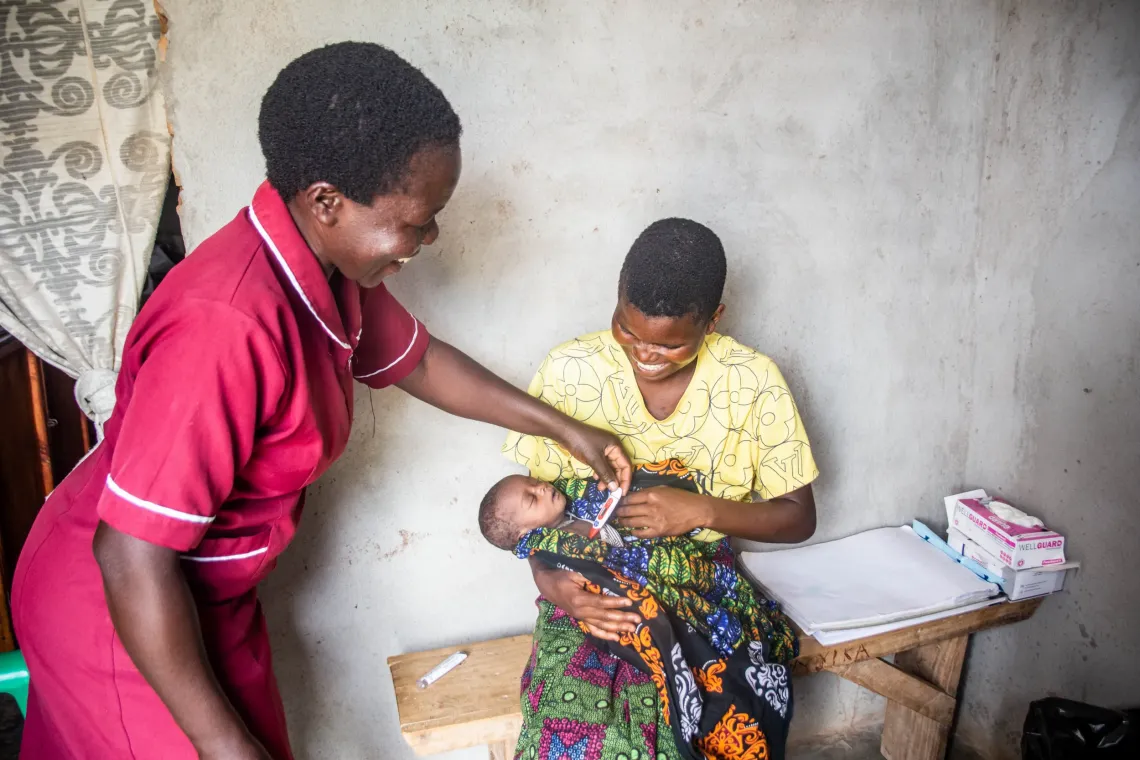
HSA Wilned Kumwenda of Chiseng’ezi explains that before the bicycles, financial constraints limited their monitoring.
“Now we are visiting our catchment areas three times a week to do our work,” he says, detailing how they can now swiftly respond to emergencies, even using the bicycle to rush to the hospital with a woman who is about to enter labour.
The true anchor of this story is found in the testimony of mothers like Sophie Tembo.
“Now I see change,” she states.
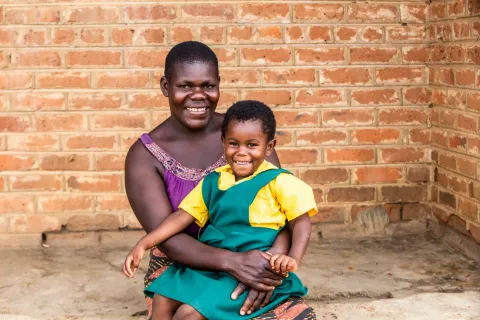
Previously, when she was pregnant, she faced long walks to Bulala for antenatal checks. Now, with a CMA closer and visiting frequently, she receives consistent care for herself and her 11-month-old son, Lackson.
“It is good for health officials to visit us when we are sick,” she adds.
For Jane Lowole, six months pregnant, the unannounced visits are a lifeline: “The day I miss my check-up, they come and follow me up.”
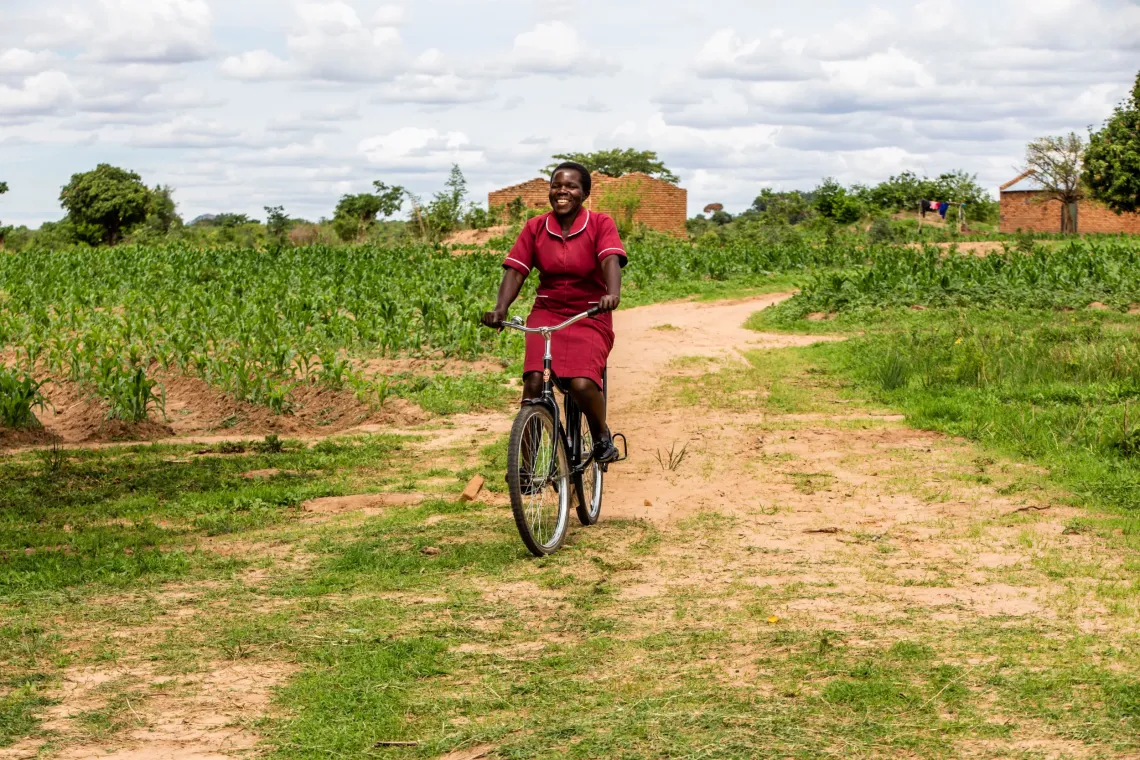
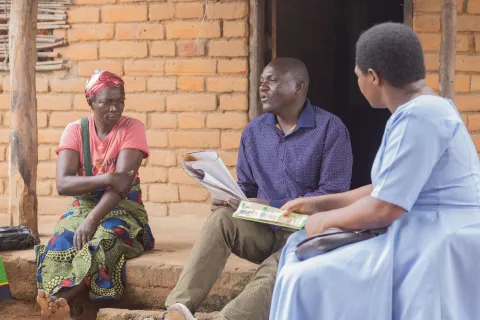
Kansalu observes the broader strengthening of the health system due to the bicycles. They enable reliable data collection, as workers can meet to compile reports. They allow for the ordering and fetching of medicines and the reinforcement of care between colleagues at different posts.
“Since the care provider is able to reach clients right in their communities, we have received a number of women who have been referred because they were identified early,” Kansalu says.
The long-term implications point to a sustained shift. While challenges like infrastructure and policy restrictions on certain services remain, the bicycles have laid a foundation. They are improving the relationship between communities and the health workers, fostering a culture of seeking care.