Racing against time to save cholera patients
The cholera outbreak has to be treated with urgency

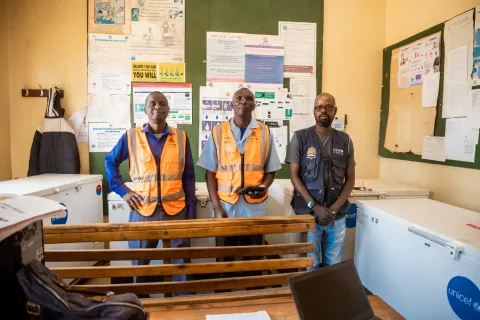
At Area 18 health centre in Lilongwe, the roaring sound of a motorbike at night has become the norm. It means a cholera patient is being rushed to the facility. The situation is just as critical during the day, except more staff are available during the day shift. On this cloudy but humid Thursday morning, health workers dressed in protective gowns and masks are working tirelessly to balance between attending to patients seeking regular services at the outpatient department and responding to cholera patients.
A Cholera Treatment Unit (CTU) has been mounted in the vicinity. Every few minutes, patients are rushed in for assistance. One man is seen carried by his wife and friend, who are frantically trying to get him into a treatment tent that can only hold 16 cholera patients with beds provided.
"We've received close to 30 patients daily in the past month. Most of cholera-related deaths also occur at night. We are extremely overwhelmed," says Mr. Kedson Masiyano, the senior clinical officer at the health centre.
In January alone, 500 people in Malawi lost their lives to cholera. Over 160 children have succumbed to the disease too.
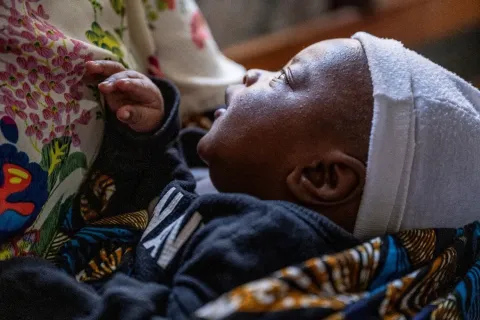
"Since December, over five children are admitted daily, resulting in about 30 a week. Those in critical condition are referred to Kamuzu Central Hospital for further management since it has more capacity. In most cases, children contract the disease from their parents, who are also guardians of patients in CTUs. We're now advising guardians to ensure they practice good hygiene when they go back to their homes to avoid passing on the disease," he explains.

His colleague, Mercy Mayenje, a senior health worker, adds that the majority of children that they have received for treatment range between five to 14 years old.
"The children are being affected because of poor hygiene in the home and food not being prepared well. Yesterday, we had a seven-year-old who came in already dead. It's sad to see young children dying because of this preventable disease."
Mercy has never witnessed a cholera outbreak of this magnitude in her 19 years working at this health centre. She laments, "I think the misinformation in the community is making cases rise. People are getting sick at home without seeking medical care, they're dying at home, and there are unsafe burials that don't adhere to the guidelines for burying cholera patients. One of our biggest challenges is not having the resources and ambulance to go and disinfect the communities to prevent the further spread of the disease."

Health workers also face a lack of Personal Protective Equipment (PPE). The lack of gumboots is visible in one of the treatment tents, where medical personnel are wearing regular shoes wrapped in a light blue medical cloth. Gloves are also running out quickly since both guardians and health workers are using them.
Kedson is one of the few health workers wearing large white gumboots to protect him while attending to patients. "We need a constant flow of PPE for everyone, so we don't run out. We also had challenges with medicines such as oral rehydration salts and lactate, as well as staffing, but this has been addressed by the Ministry and development partners," he explains. "The one tent we have in operation also does not allow male and female patients to be separated as per health recommendations."
Fortunately, an additional tent was mounted at the CTU the same morning with support from UNICEF. UNICEF has also supported the Ministry of Health by providing 400 trained nurses to address staff shortages. In addition, UNICEF is on the ground assisting all 29 affected districts with acute watery diarrhoea kits, essential medicines, infection prevention and control supplies, cholera beds, and solar lamps.

"To date, 42,427 cholera cases and 1,384 deaths have been registered in Malawi. This includes over 10,000 children. The outbreak is the worst the country has experienced in two decades. To effectively support the Malawi Government's response, we're appealing for additional funding of US$24 million, which will boost efforts to ensure the disease is contained to protect children and families," describes UNICEF Emergency Specialist Mira Khadka.
For now, health workers like Kedson have to make the best of their resources to save lives, whether it means working around the clock. "After working during the day, I sometimes resume work at 11 pm to 5 am. I bathe quickly and return to work at 7.30 am. I have not felt this tired in a long time. My body needs rest, and my children miss spending time with their dad, but they understand my job is demanding," he explains. "Cholera patients must be treated swiftly; we have to drop everything to attend to them. We are racing against time to save their lives."