Nipping Malaria in the bud
Combating malaria in children
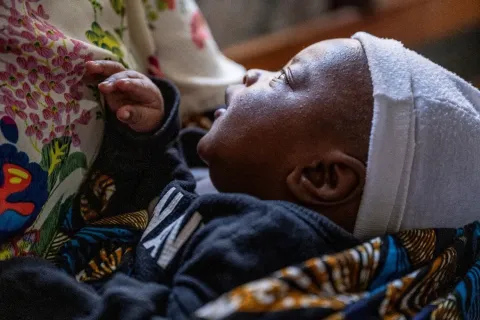
Malaria remains a significant public health issue in Malawi, with the entire population of 20 million plus at risk of infection. Notably, children under the age of five continue bearing the highest burden of the disease. Malawi accounts for 2% of malaria cases worldwide and is among the top 15 countries with a high malaria burden.
However, each day breeds hope to have malaria eliminated in at least 30 countries by 2030 as per the 2016-2030 global technical strategy for malaria.
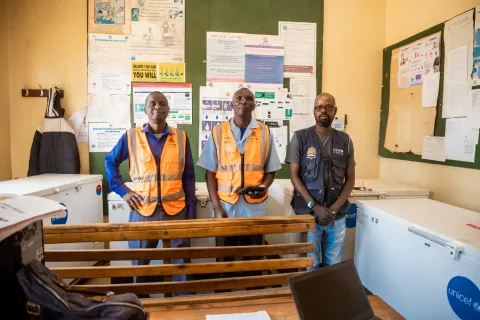
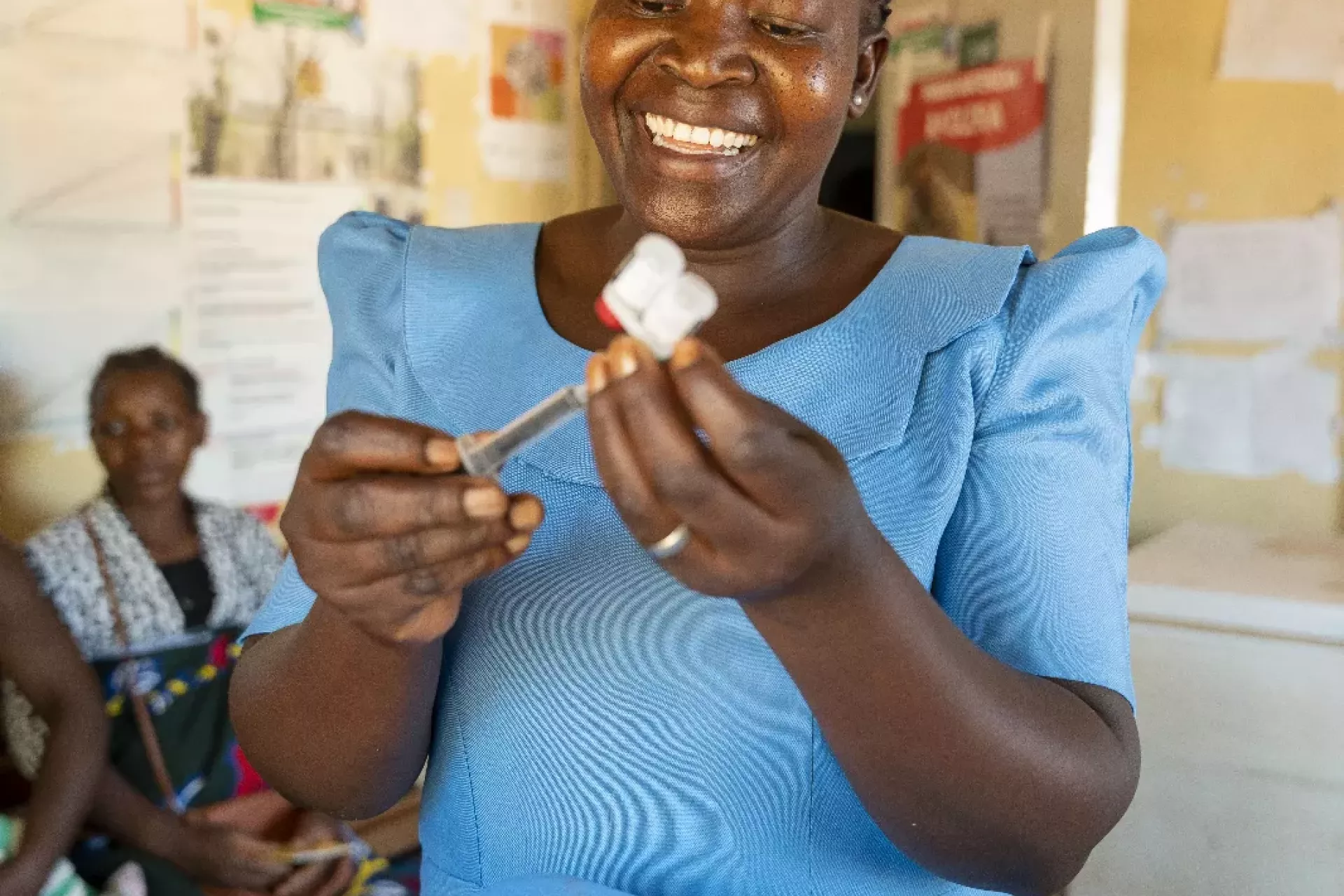
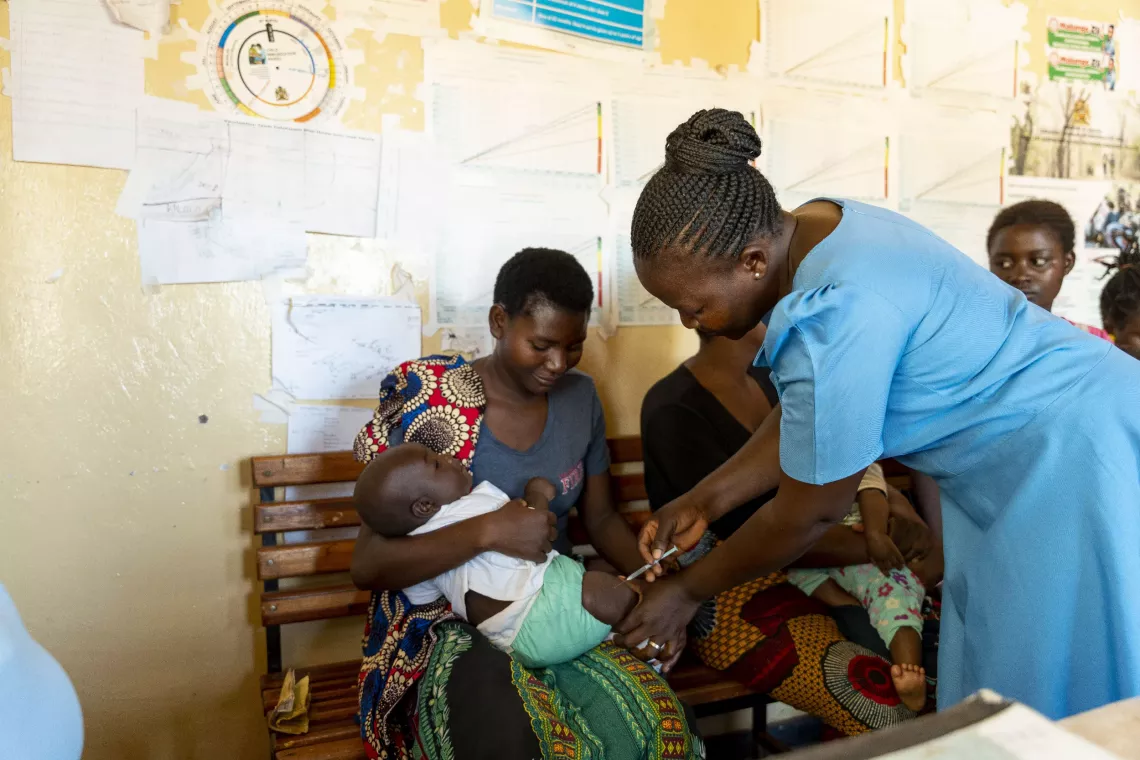
Rabecca Kapulula, a Health Surveillance Assistant (HSA) at Chileka Health Centre in the outskirts of Lilongwe, is one of the foot soldiers that continue to be vigilant in waging the war against malaria. Rabecca has been plying her trade for 17 years, she notes there is a great deal of progress in stamping out malaria.The introduction of the malaria vaccine is a game changer as we have witnessed minimized cases in children. We are getting in the right direction, we are getting there,” she observed.
In 2022, Africa was home to 94% of malaria cases (233 million) and 95% (580 000) of malaria deaths. Children under 5 accounted for about 80% of all malaria deaths in the region according to the 2023 World Malaria Report.
“Apart from getting children aged five years or younger vaccinated, treated nets have been distributed far and wide. We also work with traditional and faith leaders to ensure community members treat the nets and use them accordingly. These compliment other traditional means of eliminating malaria which focus on a multi-pronged approach that includes vector control, prompt access to effective treatment, and preventive measures,” said Rabecca.
Three days a week, Rabecca uses her push-bike, conquering hills and valleys, to reach out to communities within her 10-kilometer catchment area which comprises a population of about 1900.

As the world commemorates World Malaria Day on April 25 every year, UNICEF in Malawi celebrates Malawi being among the twelve African countries that received the first ever doses of the malaria vaccine. The first consignment arrived in October last year through the Kamuzu International Airport.

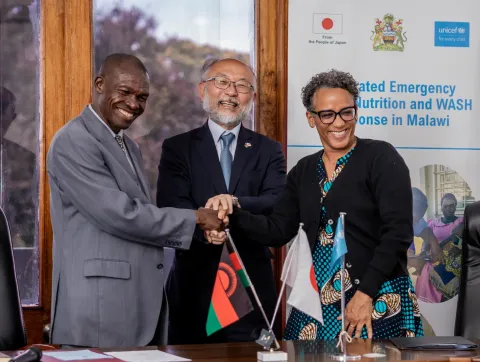
UNICEF’s Country Representative in Malawi Shadrack Omol said this allocation is part of a larger effort coordinated by partners and with the support of GAVI, aimed at prioritizing regions with the highest need.
“UNICEF's role in procuring and facilitating the delivery of these vaccines has been instrumental in ensuring that they reach the children most at risk. This vaccine, the first of its kind against a parasitic disease, has already reached over 1.7 million children in pilot programs across Malawi, Ghana and Kenya since 2019. We applaud Malawi for consistently demonstrating leadership in public health initiatives,” said Omol.
Malawi records approximately seven million malaria cases annually, contributing significantly to outpatient visits across all age groups. Despite these challenges, there have been significant strides in malaria control in country, particularly through the distribution and use of insecticide-treated nets (ITNs) and improvements in case management and malaria prevention programs. Efforts continue to increase the uptake of preventative treatments, especially among vulnerable populations such as pregnant women and children.
Malawi’s National Malaria Strategic Plan 2023-2030 aims at eliminating malaria as a public health concern by the year 2030.
“In pursuit of this goal, the government has laid out comprehensive strategies to increase the proportion of the population protected by at least one malaria vector control intervention from 37% in 2022 to at least 90% by 2030. These efforts ensure that all suspected cases of malaria are promptly tested and treated, and preventive treatments are readily accessible, especially to our most vulnerable populations,” it reads.
The National Malaria Communication Strategy 2022-2030 also emphasizes enhancing social and behavior change, increasing insecticide-treated nets usage, and improving malaria case management and prevention during pregnancy.