NCD clinical care brings hope to mothers, children living with diabetes
Specialised care and life-saving health talks are empowering mothers and young people with Type 1 diabetes

For Ester Jafali, 22, learning she was pregnant was terrifying. Living with diabetes since 2019, she knew the severe risks the condition posed to both her and her unborn baby.
“I was scared, but I trusted my life to this clinic,” Jafali recalls.
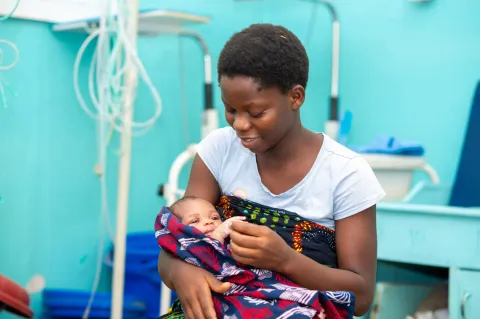
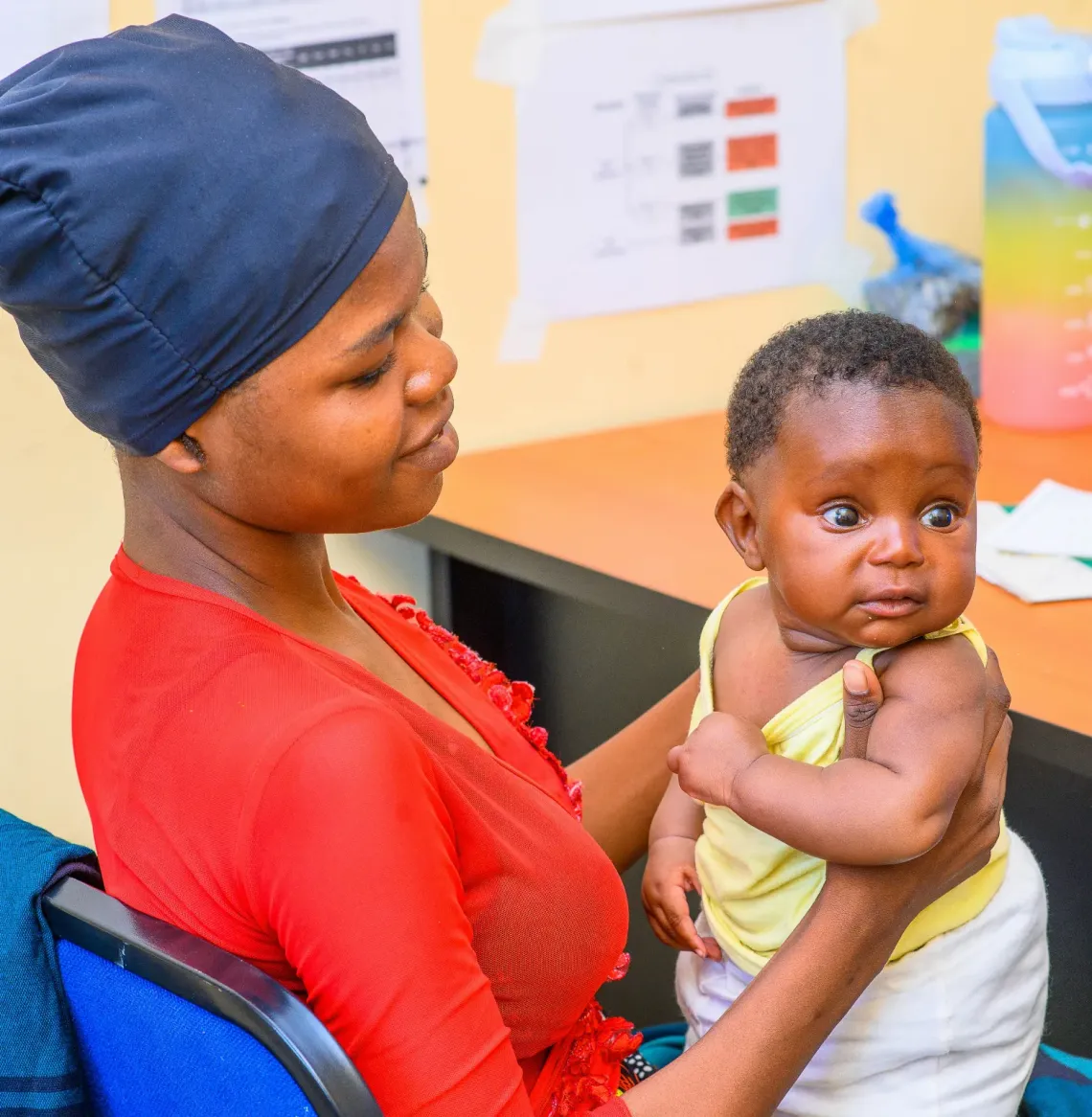
Today, Jafali cradles her four-month-old healthy, diabetes-free baby, Fortunate. Her safe delivery is the direct result of a transformative approach to healthcare at Mangochi District Hospital through the Package of Essential Non-Communicable Diseases (PEN-Plus) model.
Previously, patients with complex chronic conditions such as Type 1 diabetes were lost in crowded outpatient departments. Pregnant women with diabetes faced life-threatening delays.
Now, supported by the Ministry of Health and Sanitation with funding from Eli Lilly through UNICEF and technical assistance from Partners In Health (PIH), Mangochi operates a dedicated, fully staffed Non-Communicable Disease (NCD) clinic.
Throughout her pregnancy, Jafali used her glucometer to monitor her blood sugar daily, alongside receiving tailored antenatal support.
Understanding the financial strain of her long journey from Majokuta Village, Traditional Authority Kalembo in Balaka, nurses also provided extra insulin supplies to reduce her travel burden while maintaining strict monitoring.
“I am breastfeeding my baby just like any other mother. She is healthy and diabetes-free,” Jafali says proudly, smiling.
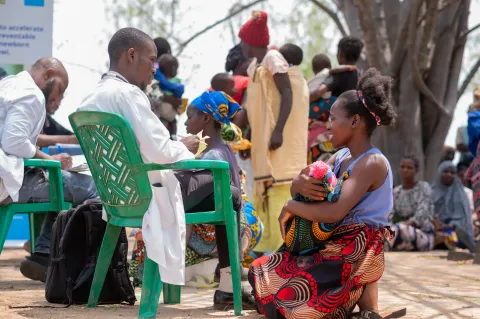
An NCD provider nurse at Mangochi District Hospital, Ida Gwengwe, explains that dedicated staffing has changed everything. Every Wednesday, the clinic manages up to 40 children and young people living with diabetes.
“Having a dedicated clinic with full-time staff means we can finally give these children the focused attention they need,” says Gwengwe.
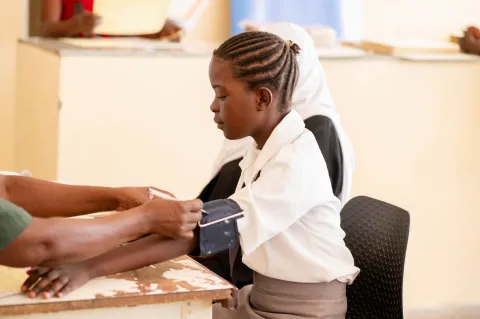
Fourteen-year-old Selemani Paulo from Pombolani Village, Traditional Authority Mponda in Mangochi, is another testament to this shift.
For three years, Paulo experienced frequent hospitalisations, misdiagnoses, severe malnutrition and swollen legs before he was diagnosed with Type 1 diabetes.
His mother, Gloria Pungulani, remembers the exhausting early days of navigating general hospital wards. “I used to spend the entire day waiting at the hospital, questioning why this happened to my son,” she says, adding, “Now, the nurses are prompt, and the morning health talk sessions have taught me how to manage his diet and keep him healthy.”

Beyond the hospital walls, the PEN-Plus programme empowers young patients to take charge of their health. Paulo was among the 15 children from Mangochi selected to attend a four-day Type 1 Diabetes camp in Lilongwe, where he connected with peers and mastered self-care.
“At the camp, I learnt how to inject insulin safely and manage high blood sugar,” Selemani says. “It used to feel bad being diabetic at my age, but not anymore. I now have the knowledge I need to manage it.”
According to the NCD Coordinator at Mangochi District Hospital, George Goche, integrating specialised care has bridged critical gaps between departments, particularly in identifying high-risk expectant mothers early.
“Previously, high-risk patients slipped through the cracks,” he explains, adding, “Now, we track them closely and coordinate across departments to prevent complications.”
By bringing decentralised, life-saving care closer to rural communities, the PEN-Plus initiative is proving that, with the right support, chronic conditions no longer have to rob children and mothers of a healthy future.
As Ester Jafali holds baby Fortunate close, she sees more than a healthy child. She sees what timely, specialised care can make possible.
From helping expectant mothers safely navigate high-risk pregnancies to equipping children like Selemani Paulo with the knowledge and confidence to manage Type 1 diabetes, the PEN-Plus initiative is bringing life-saving care closer to communities.
For families once overwhelmed by fear and uncertainty, it is turning stories of survival into stories of hope.