On-duty mentorship saving newborns
In Balaka District, a peer-to-peer mentorship programme is equipping frontline health workers with critical skills to reduce newborn deaths and save lives.

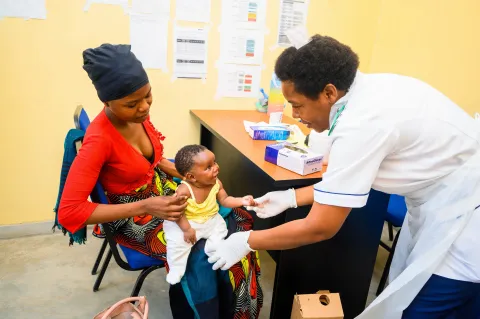
When Jessie Manyozo of Sosola Village, Traditional Authority Nsamala in Balaka District, held her newborn daughter for the very first time on 19 October 2026, her heart swelled with pride. She had always longed to have a child.
However, her joy quickly turned into deep distress just one week after returning home from Balaka District Hospital. Her baby girl suddenly began gasping for air, her tiny chest rising and falling with difficulty.
“Being my first child, I was in so much emotional pain. My entire household was in panic mode,” Manyozo recalls, her face now glowing with relief and happiness.
“When we rushed back to the facility and the emergency nurses put her on oxygen, I was terrified. I was relieved and overwhelmed with tears of joy when she was safely removed from oxygen two days later.”
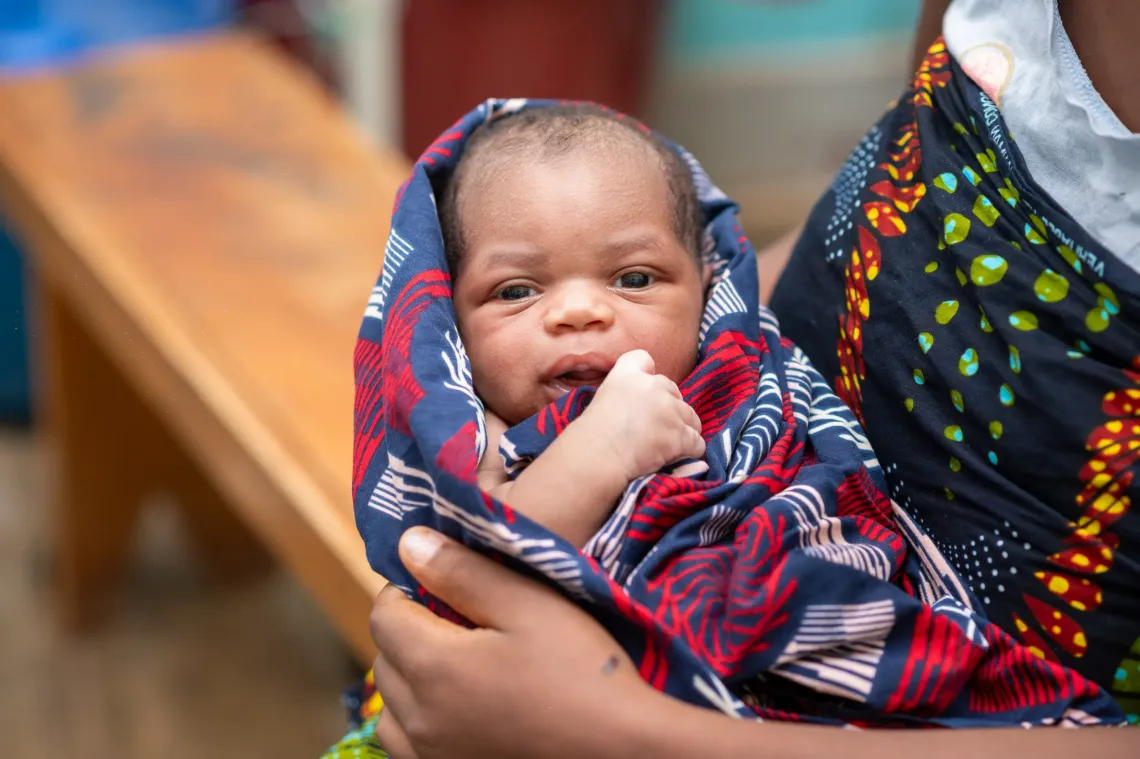
Her daughter is one of the lucky ones. Every day, Balaka District Hospital delivers about five babies. Yet until recently, a baby who developed severe respiratory distress or birth asphyxia at home or in the ward could easily have faced a tragic outcome.
Nursing and Midwife Technician at the facility, Alfred Ulambo, candidly admits that not long ago, Manyozo’s story might have ended very differently.
“In the past, many nurses relied mainly on basic theories learned years earlier in nursing school. There was a huge knowledge gap in practical skills for managing neonatal asphyxia, carrying out proper resuscitation, or even using a radiant warmer in the nursery,” he explains.
“I am so happy to have benefited from the peer mentorship programme right here at my duty station. I have learnt how to manage these critical cases and directly save babies’ lives.”
Historically, birth asphyxia has been the leading cause of newborn deaths at the facility. Senior Nursing Officer Andrew Nkhoma, one of the trained mentors, remembers the chaotic moments before the programme was introduced.
“You would see desperate nurses running down corridors carrying a critically ill newborn, looking for a colleague who knew what to do,” he says. “If that one knowledgeable person was not on shift, things often did not work out. Today, every shift has skilled staff.”
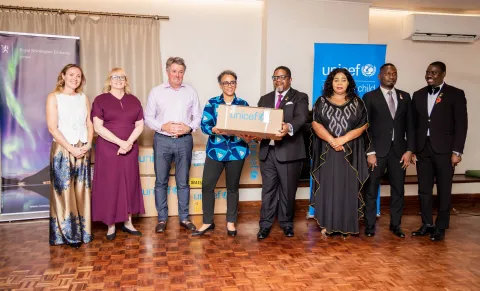
The mentorship initiative is part of a maternal and newborn health capacity-building project supported by UNICEF, with funding from the Government of the People’s Republic of China through the China International Development Cooperation Agency (CIDCA).
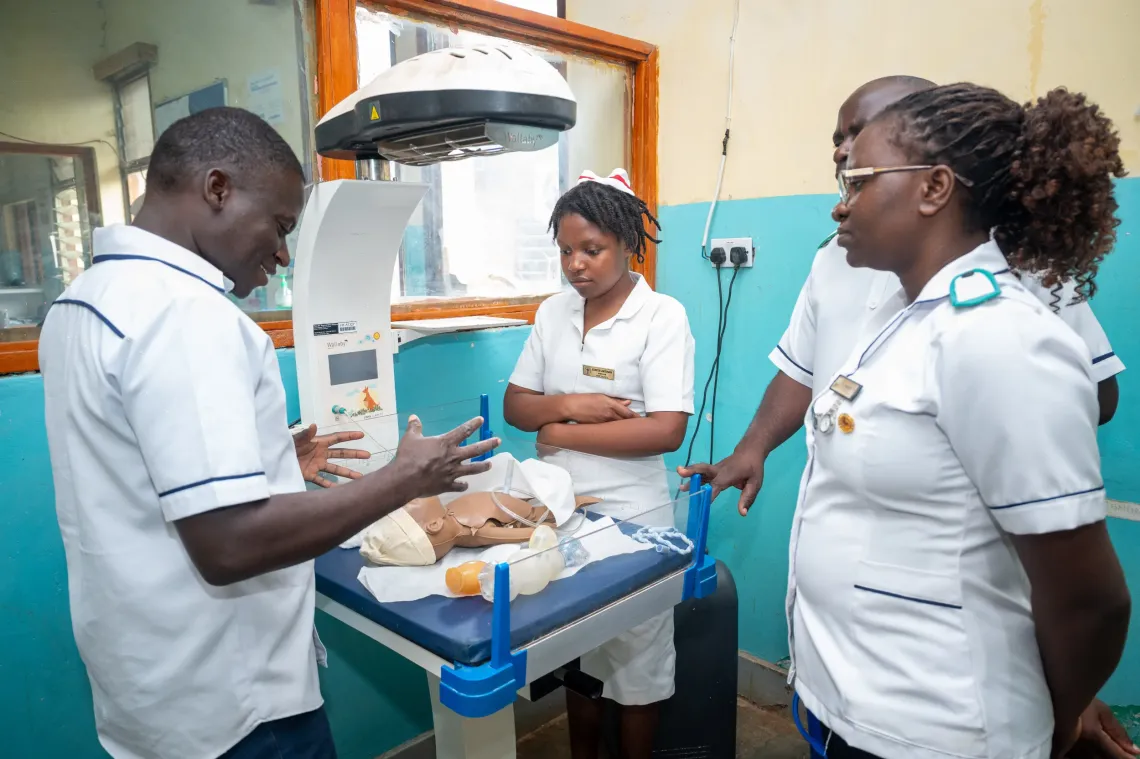
By training key staff as mentors, the initiative ensures that skills are continuously passed on across all 29 staff members in the maternity wing, including the theatre, labour ward and postnatal units.
Mentee Rose Kambundi says the initiative has strengthened teamwork across the maternity wing.
“No one works in isolation anymore. Clinicians and nurses work together smoothly to manage severe complications such as post-partum bleeding and respiratory failure.”
In the maternity wing’s nursery, where around 25 high-risk babies are treated each week, 22 survive.
“Strengthening capacity through hands-on mentorship is a major investment that directly improves the quality of care mothers and newborns receive when they need it most,” notes Balaka District Hospital spokesperson Mercy Nyirenda.
And for mothers like Jessie Manyozo, whose daughter is now safely in her arms, those skills can mean the difference between fear and hope, and between life and death.