Bringing lifesaving care home
In Balaka’s remote areas, a monthly outreach clinic brings quality healthcare directly to distant villages, sparing communities long walks, costly transport and lost lives.

By 9:00 am, the Namaya area in Balaka District is already full of people seeking various medical services.
The previous afternoon, a public address crier cycled through surrounding villages, reminding communities about the next day. Today is the day the clinic comes to them.
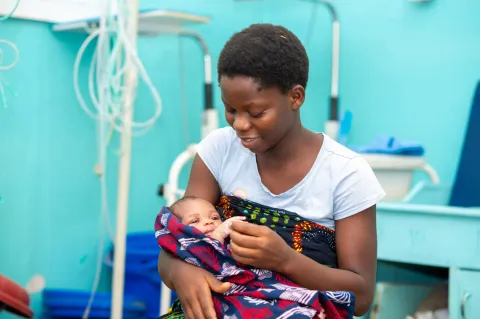
For mothers like Gladys Thomas of Chileka Village, Traditional Authority Amidu in Balaka, holding her bright-eyed one-month-old baby to her breast, this monthly visit is essential.
“A five-minute walk from my home to access medical services feels so good,” she says with a relieved smile, adding, “The outreach clinic comes to this place once a month, but it assists so many people.”

Before this outreach clinic, seeking medical care meant confronting exhausting choices. Reaching the nearest permanent facility, Mwima Health Post, or alternative facilities such as Namalolo and Nandumbo health centres required hours of walking under the scorching sun or paying up to K20,000 (about US$11) for return transport.
Thomas has experienced how critical access to care can be.
“I started my antenatal care right here at this outreach clinic,” she recalls.
“When complications arose, health workers identified them early and referred me to Namalolo Health Centre. As my pregnancy advanced, the baby was breech, so I was referred to Mangochi District Hospital for a safe delivery.”
That quick detection saved both her life and her newborn’s. Namaya is one of 20 integrated outreach clinics operating across Balaka District.

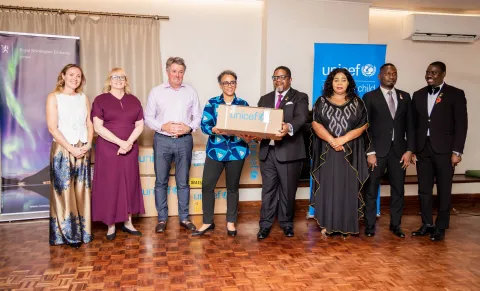
Supported by UNICEF with funding from the Government of China through the China International Development Cooperation Agency (CIDCA), the initiative aims to improve access to comprehensive maternal and newborn care.
“This is like a full outpatient hospital brought directly to the people,” explains Rose Nkupsya, Balaka District Hospital Outreach Clinic Coordinator.
Running from 8:00 am to 4:30 pm, each session treats between 200 and 300 patients.
“Because health workers are in the community’s own environment, people feel free to express themselves. Communities even ask us to visit homes to treat patients who cannot walk to the clinic.”
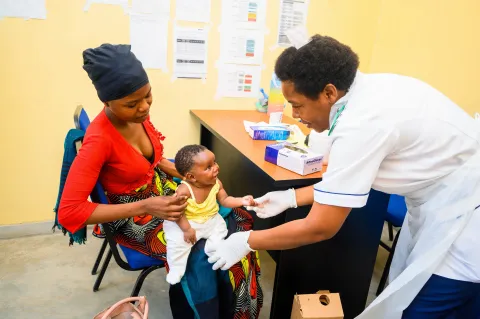
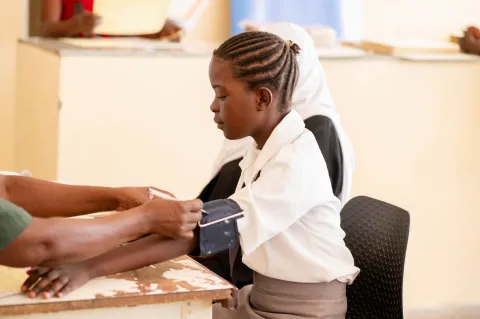
On any given clinic day, communities receive a comprehensive suite of services, including family planning, antenatal care, malaria testing, HIV and STI screening, cervical cancer screening, gender-based violence support, routine immunisation and child growth monitoring.
“Our mobile pharmacy stocks all essential medicines, including painkillers, anti-malarials, antibiotics, high blood pressure medication and a full range of contraceptive options,” says Tifera Mankhwanda, a pharmacist primarily based at Mwima Health Centre.

Local leadership is at the centre of the outreach clinic operation. Chairperson of the Village Health Committee, Gilbert Mwasowa, works tirelessly alongside health staff.
“Before this clinic, some people died from treatable ailments while others spent all their resources on transport,” Mwasowa reflects while helping organise prescriptions. “Having a clinic once a month is better than having no clinic at all. We take pride in ensuring things run smoothly so health workers are not overwhelmed.”
Balaka District Hospital spokesperson Mercy Nyirenda emphasises that bringing care closer to communities breaks down the geographic barriers that once cost lives.
She says the initiative’s most notable achievement has been improved access to essential health services for mothers and children who would otherwise face challenges travelling to health facilities.
“The outreach model also provides an opportunity for the early identification of health problems and timely referrals, which are critical in preventing avoidable maternal and newborn complications,” she explains.
She adds: “We believe that bringing quality healthcare closer to communities is an important step towards reducing preventable maternal and newborn deaths in Balaka.”