Milestones study boosts newborns care
Promoting good health for newborns

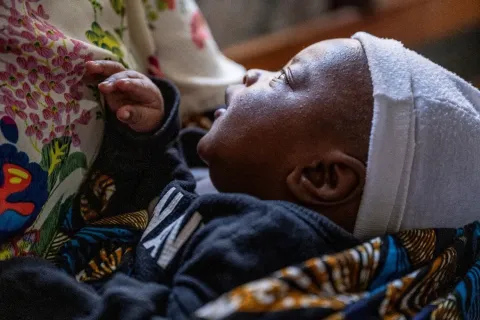
The birth of Mariam Milazi's second child on 13 February 2022 was a day to forget.
A newborn is supposed to cry within five minutes, but the baby Elvin couldn't for two days.
"They put him on my belly and beat her back, but he couldn't produce the assuring cry," she recalls.
The 31-year-old mother feared losing her secondborn, who was choked after passing meconium into the amniotic fluid that surrounds an unborn baby during delivery.
Health workers at Mangochi Maternity Wing swiftly transferred the baby to one of the sick newborn care unit's (SNCU) seven oxygen concentrators.
"The medical staff swiftly put him on oxygen and kept him there for two days. Before discharging us, they interviewed us and told us to keep coming for further assessments of Elvin's growth and response," Mariam recalls.
Her son has grown into "a clever boy" after surviving mild asphyxia, a disruption in oxygen supply to the body due to abnormal breathing.
He loves to play with toys and his peers at home in Chomba village near Mangochi town at the southern tip of Lake Malawi.
Mariam periodically brought her son for checkups at the maternity wing, where 900 to 1,000 babies are born monthly. During the review, Ruth Phiri observed him playing with balls, dolls, and toys.
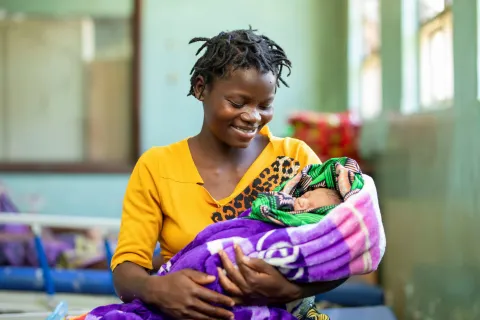
Mariam is relieved that Elvin is growing normally and responding well to things around him.
"At first, I was afraid of losing him because my colleagues told me the baby would not grow normally, but develop a lifelong mental disorder or become paralysed. But none of that has happened, thanks to close attention by Ruth and her colleagues," she says.
However, half of the newborns with severe breathing complications survive but seldom get to do things children ought to do at their age band. Some children may face developmental delays owing to the asphyxiations they encounter at birth.
"Keeping an eye on how the newborns admitted to the SNCU grow up and respond to things around them has helped health workers learn from such experiences and tackle common conditions they face later in life,"
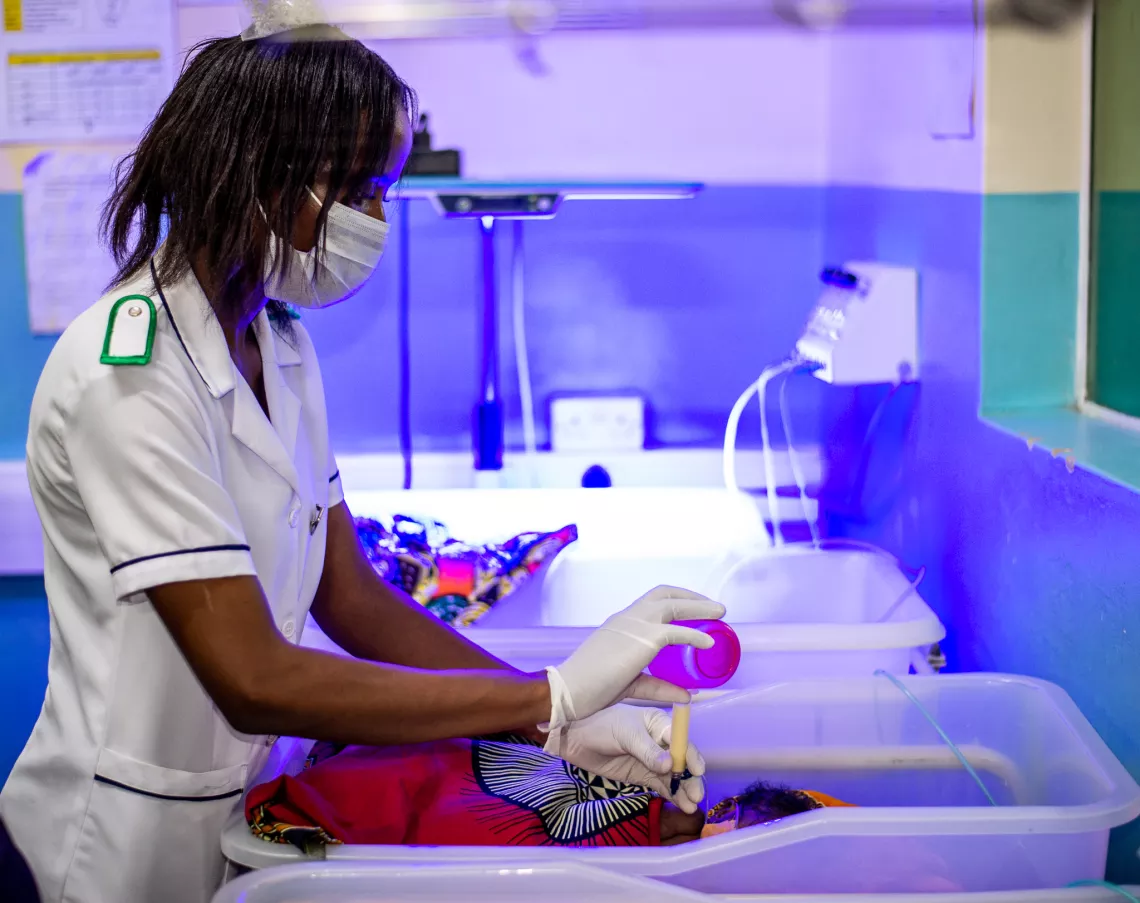
From 2021 to 2022, she was part of a research team that tracked the growth and response of at least 400 newborn babies admitted to the SNCU within the first seven days of their life. Their developmental milestones, the age at which they started demonstrating head support, crawling, sitting, and other activities, were measured against an equal number of agemates without complications, who are of the same background characteristics, including their age, place of birth, and traditional authority. "Babies cannot do much at birth, but they gradually attain their growth and developmental milestones as time passes," the nurse says. "We monitored how the children learned to walk and run; manipulate objects with their hands; communicate with words and gestures; and interact with other people."
The team recorded the duration each child took to achieve these milestones compared with their peers born normally.
The findings show children with mild asphyxia – like Elvin – achieved the milestones relatively in time while their peers born with more severe conditions delayed catching up.
"Following the new evidence, we refer all children born with asphyxia for physiotherapy since most of them take longer to achieve gross motor milestones such as crawling, walking, and running," she says.
Discharging such babies through exercises rather than drugs helps speed up their leap for yardsticks of normal growth.
"Normally, a child has to start sitting and crawling between five months and a year, but those with severe birth asphyxia couldn't until a year and several months or beyond. The exercises help them to achieve the milestone faster," says the nursing officer.
The maternity staff also links tiny and sick newborns, including low birthweight or very low birthweight newborns, to its nutrition rehabilitation unit, where they receive nutritional counseling on exclusive breastfeeding and complementary feeding after that to avert deaths as well as retarded growth, learning, and activity.
Those with respiratory distress syndrome (RDS) are put on lifesaving machines that provide continuous positive airway pressure to overcome any airway resistance and flow of air to the lungs to receive plenty of oxygen. There are six Continuous Positive Airway Pressure (CPAP) machines in the SNCU for such babies.
"We discovered that 50% of the children with respiratory distress were dying, but the loss has dropped to 30% since we rolled out the project to put every child with severe breathing difficulties on CPAP," says the nurse.
The Safe Motherhood staff wants to further increase the survival rates through continuous learning, peer mentoring, and neonatal death audits.
The nursery unit admits 40 to 50 babies, mostly those born with birth asphyxia, infection, RDS, and prematurity.
Ruth's team interviews the guardian for a deeper understanding of the children's health, economic status, area of residence, and background information. Before discharging them, the health workers also advise the caregiver to continue bringing the baby to the facility for periodic review of their health and milestones. They also track defaulters at home to sustainably deliver continued support and care.
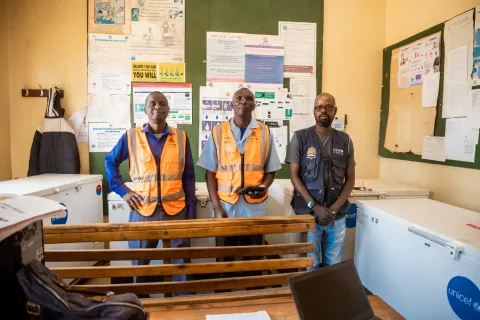
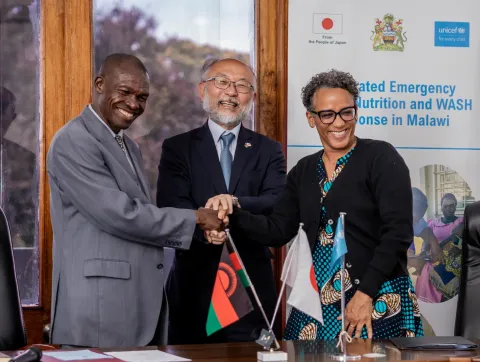
UNICEF supports the Ministry of Health to strengthen health systems, including the nursery care and management of sick newborns. The developmental milestone attainment study by the Paediatric and Child Health Association of Malawi (PACHA) tracked newborns discharged from SNCUs in Mangochi or Dedza.
"The most significant benefit of the children is that we could identify hidden conditions delaying the milestones and accordingly refer them for better management, treatment, care, and support.
And Mariam is excited that the quality of care is improving following her son's participation in the study.
"It is every pregnant woman's dream to return home alive with a healthy baby after labour pains. Although prophets of doom said a lot of terrifying things, the boy is OK. He started walking at the same age as his agemates. He loves to play with toys, especially vehicles and a bicycle. He holds pens and pencils with ease and flawlessly identifies different colours."