India turned around its learning crisis. Here's what Malawi can learn
As Malawi confronts gaps in early literacy and numeracy, India’s systems-wide reforms offer practical lessons for strengthening foundational learning at scale.
Malawi has identified critical areas for development and national progress by 2063, including roads, energy, healthcare and agriculture. All matter. But none of it will count for much if the next generation cannot read, write or count with confidence by the time they finish primary school.
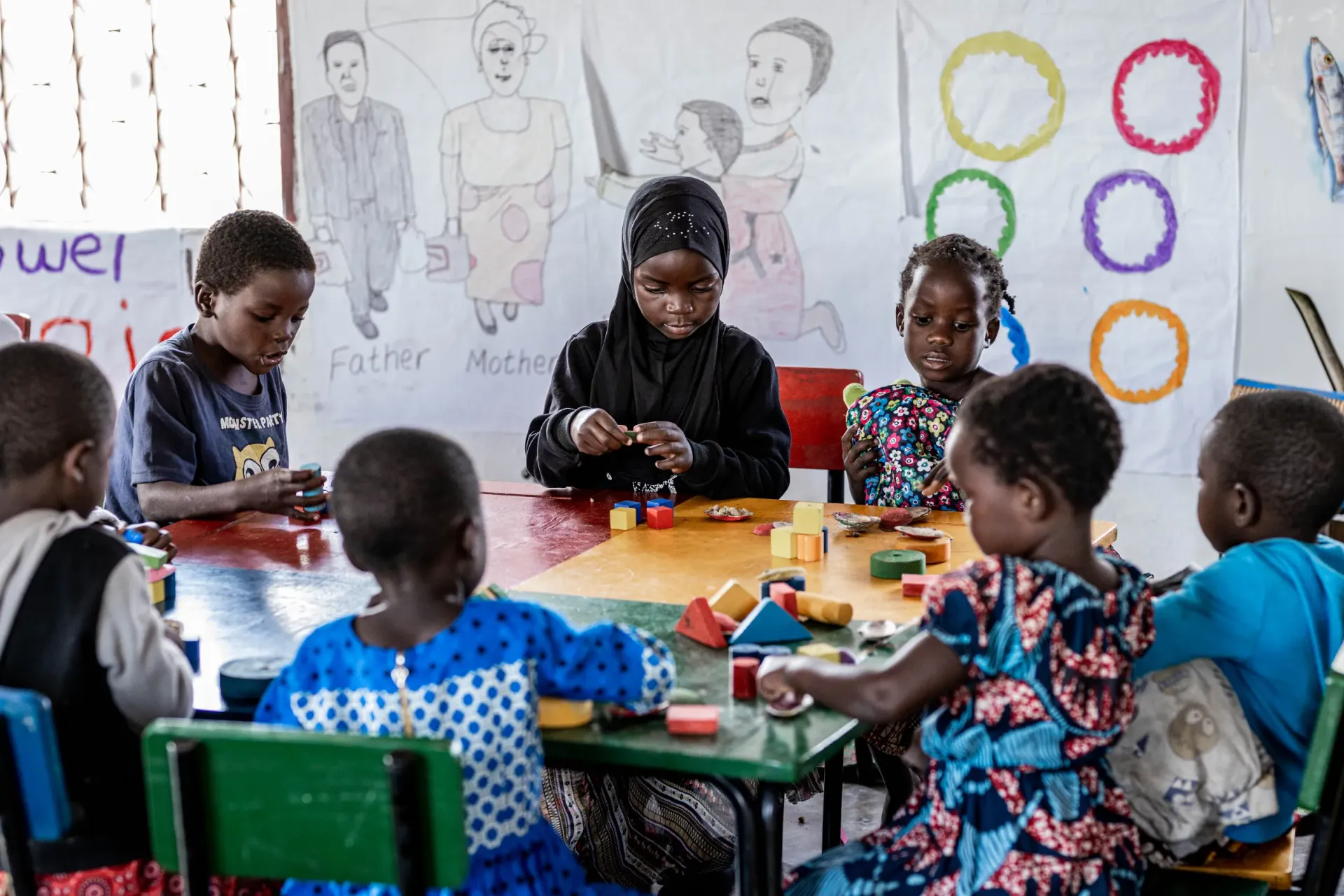
A child who cannot read a simple sentence by the end of Standard Three rarely catches up — the gap follows them through secondary school and into adulthood. In Malawi, only 17 per cent of 3 to 4-year-olds are developmentally on track in literacy and numeracy and 38 per cent of youth remain illiterate.
These worrying statistics confirm that foundational literacy and numeracy are not just another priority in Malawi’s education strategy; they are the basis for everything else the country aims to achieve. India’s recent experience shows it can be done.
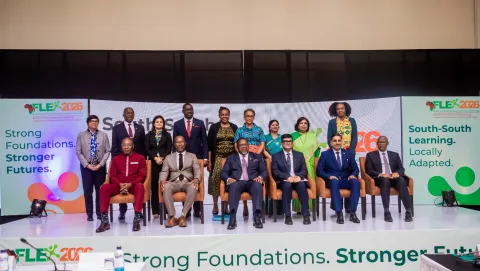
That is why this week’s dialogue between Malawi, India, UNICEF, and other African governments is significant. Ahead of the Malawi Foundational Learning Exchange 2026 (FLEX2026) in Lilongwe, the Pre-FLEX South-South Learning Exchange on 14th July is not about copying from India’s model, it is about learning from a country that has tackled this problem at a scale that few others have attempted.
Such is the value of a South-South exchange. Countries that have done the hard work of building foundational learning systems offer practical judgment about what tends to fail in implementation, and what can endure.
India's turning point came from uncomfortable data: despite near-universal enrolment, huge numbers of children in the early grades could not read or do basic arithmetic at grade level. Rather than treat this as a minor issue, India built a national mission - the National Initiative for Proficiency in Reading with Understanding and Numeracy (NIPUN) Bharat - around a simple idea: foundational learning succeeds as a system, not as isolated fixes. Curriculum, teacher training, assessment, classroom materials, and early childhood preparation had to advance together; no single element could succeed on its own.
That systems-first approach is the lesson most worth studying. Under pressure, education systems often reach for visible quick wins but these efforts stall without reliable ways to measure whether children are learning, and without early childhood education to prepare them for what comes next.
UNICEF has advocated for this across Africa — from Dakar to Kigali, Cairo to Johannesburg — insisting that early childhood education is prioritized.
NIPUN Bharat, launched under India's National Education Policy (NEP) 2020, reflects the country's SDG4 commitments and its own long-term vision, Viksit Bharat 2047. India had pre-primary classes before, but NEP 2020 folded them into formal policy and restructured schooling around a new 5+3+3+4 model — organizing learning by developmental stage from ages three to 18. NIPUN Bharat set a clear goal: universal foundational literacy and numeracy by Grade 3, achieved by bringing together government, NGOs, private actors, and teacher-training institutions.
India’s approach to scale offers a further lesson: reform in a country this large could not be managed from a single ministry in Delhi. Much of the real work happened in states such as Rajasthan, Assam, Uttar Pradesh, and Jharkhand, where the national framework was adapted locally. For African countries, the lesson is not about federal versus centralized systems, it is about giving districts and schools room to make reform work in practice.
India remains committed to advancing SDG 4 by strengthening foundational learning as the bedrock of lifelong learning. Building on NIPUN Bharat, the country continues prioritizing universal access to quality education, helping build resilient systems that enable every learner to keep learning, contribute to society, and advance inclusive, equitable education for all.
For African partners, India's experience shows that systemic change at scale is possible — and that governments can lead it. Helping children see the value of education, and its link to future opportunity, is key to ensuring no child is left behind.
This week’s exchange should be judged not by opening speeches but by what ministries do afterward — whether they return with real answers on sustaining teacher coaching, building trusted assessments, and sequencing reforms within tight budgets. Every year that foundational gaps persist, more children enter adulthood without basic skills. This exchange won't close that gap alone, but it can help countries learn faster from those who've already tried, adjusted, and improved. That's the real measure of South-South cooperation.