How households across northern Malawi received the COVID-19 vaccine.
Through the Vaccinate My Village Campaign, families in harder-to-reach locations in Malawi were able to gain access to the COVID-19 vaccine.
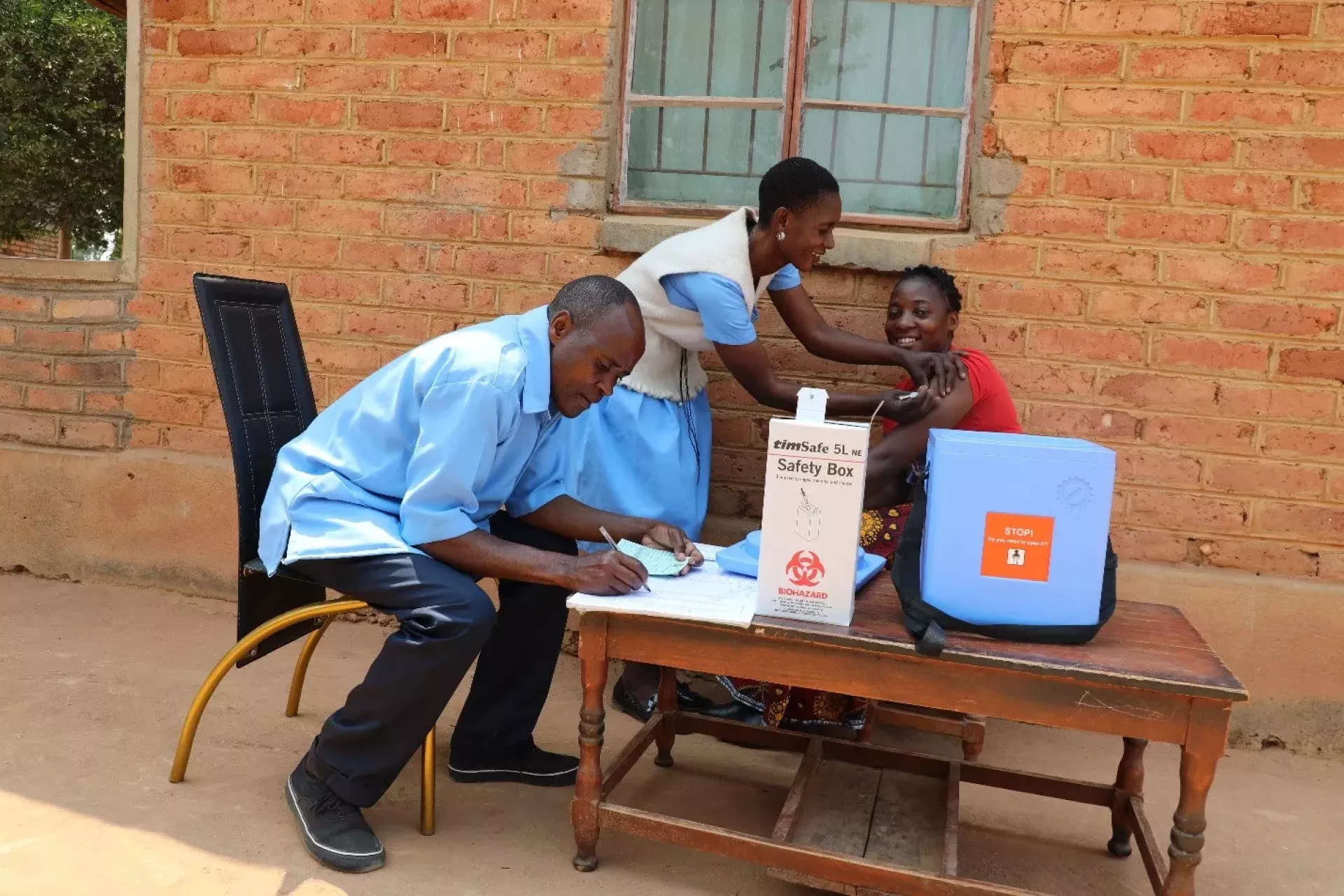
Four years on since the outbreak of COVID-19 which claimed the lives of over 2,600 people in Malawi and today, the level of cases has decreased. This success is, in part, due to the national rate of COVID-19 vaccination coverage, including the rollout of the ‘Vaccinate My Village campaign’ which enabled more families in harder-to-reach areas of Malawi to be immunized.
In many communities across Mzuzu, northern Malawi, Health Surveillance Assistants (HSAs) and community mobilisers were equipped and set out to reach every household with the vaccine thanks to the Vaccinate my Village campaign intervention, led by the Ministry of Health and UNICEF, with funding support from the US Centre for Disease Control and Prevention (CDC).
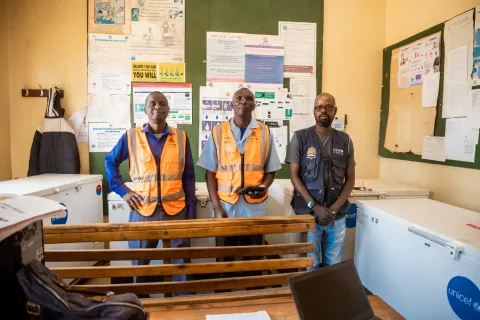
Pachane Mwale, aged 41, a senior Health Surveillance Assistant from the Nkholongo Health Centre shared the difficulties he and many of his colleagues faced in their endeavours. “We were worried about the long distances we needed to take, and how families would receive us when we stopped by their house to encourage them to take the vaccine, because we knew that there were so many rumours about the COVID-19 vaccine.
“We heard reports that some health workers were being chased away by people for providing the COVID-19 vaccine. So, we were worried about our safety,” said Mwale.
Mwale also told UNICEF how mobile vans were used to create demand for the vaccine, but access to the health facility remained a challenge to most communities. “It was hard for people to get to the health facility,” said Mwale. “Some had to travel long distances, others were simply reluctant due to misinformation that was circulating.”
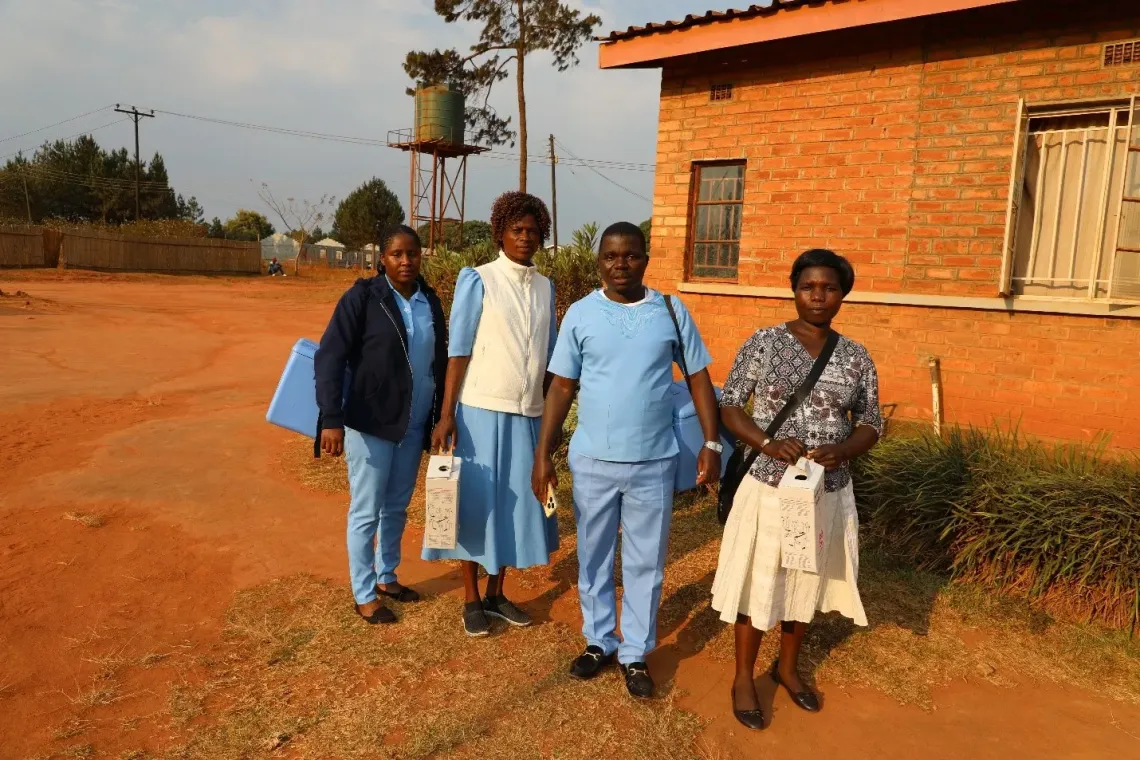
Mwale recounted how the Vaccinate My Village Campaign, which was established by the Ministry of Health, UNICEF, with funding from the U.S. CDC, and other partners helped health workers to be trained in misinformation management, community engagement strategies and development of micro plans to cover hard to reach areas.
Mwale said: “UNICEF, in collaboration with the Ministry of Health, ensured that health workers, community mobilisers, school health and nutrition teachers and community structures were well trained before the campaign began. UNICEF also supported recruitment of more health workers and ensured adequate stock of vaccines that addressed our initial fears.”
Rogers Vumu, an influential leader under Nkhorongo Health Centre, in Traditional Authority Mtwalo in Mzimba, concurs with Mwale, saying it was hard to approach some households with the vaccine but following the training they had they managed to conduct community dialogues with people and raised demand for the vaccine.
“As an influential leader, I supported health workers in engaging with local and religious leaders to create a safe environment for the health workers and volunteers. I reached out to households that were hesitant to receive the vaccine to respond to their questions and consequently they were receiving the vaccine after thorough understanding of its advantages”, said Vumu.
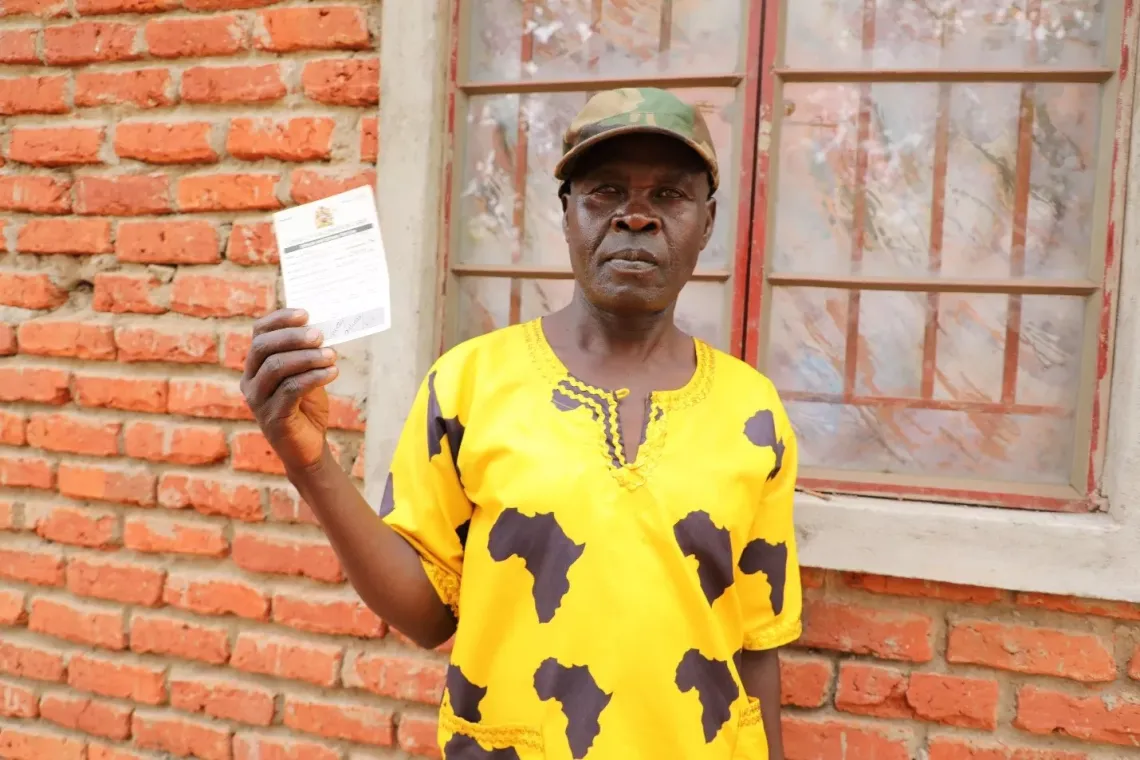
Health Surveillance Assistant at Nkhorongo health centre in Mzimba north, Naomi Likwambe said Vaccinate My Village Campaign that was initiated by UNICEF with support from U.S CDC enabled them to reach every household in their area with COVID-19 vaccine.
“We received support from UNICEF to train more health workers and community mobilisers and there after we were given a go ahead to go door-to-door with the vaccine. That was the game changer. Those who had transportation challenges had a chance to get the vaccine at their doorstep”, said Likwambe.
Likwambe adds: “We had a community that was refusing to receive the vaccine, but when we engaged the households, through a one- to-one session, most of them received the vaccine as their fears were addressed.”
Following the door-to-door COVID-19 vaccine campaign, Nkhorongo health centre vaccinated over 18,500 people out of the targeted 23,320 people representing 79% coverage.
According to Mwale, the Vaccinate My Village Campaign registered success due to among others, proper planning of the work that included mapping of the communities, orientation of the mobilisers, use of community role models, strong collaboration with community leaders, stocking in of adequate vaccines throughout and utilization of influential leaders.
“We divided ourselves into teams and each team developed a workplan and where need be we included faith leaders to cover the allocated catchment area. Thereafter we made sure the vaccines are adequate throughout the campaign and where we identified gaps, we were escalating the challenges quickly for support”, said Mwale.
UNICEF Malawi with funding from U.S. CDC supported the Vaccinate My Village Campaign that increased COVID-19 vaccine coverage from 40% to 51% in Mzimba North.