A father’s role in childcare: Elias’s story
How the Afikepo programme is motivating fathers

Fathers, like mothers, are pillars in the development of a child's emotional well-being. Children look to their parents to provide a sense and feeling of security.
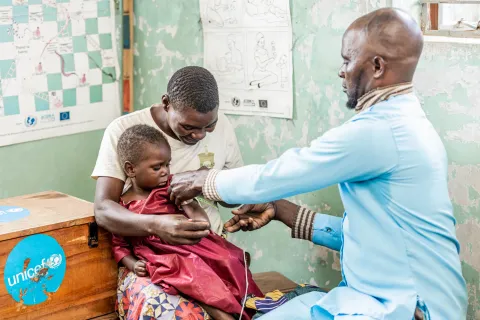
With this sense of duty on his mind Elias Gama decided to be a role model for his children and fellow men in his community by not being ashamed of helping his wife with household chores such as washing clothes for the children, cooking food and escorting his wife to antenatal checkups, as well as under-five clinics.
The 40-year-old from group village headman Mapiko, T/A Kalonga in Salima made this conscious decision despite ridicule from his peers, some of whom told him in his face that childcare is a woman’s job.
But Elias was undeterred and would he often parry away the ridicule by telling his peers that since they had agreed to have children as a couple, they needed to support each other in raising their offspring.
“Our community is very conservative and most people find it unusual for a man to cook or clean the house. I do all that because I want my wife to also have time to rest; I cannot let her do all the work alone. As a father, I make sure my household has enough food and I am also involved in helping my five children with schoolwork as well as mentoring and playing with them. This allows me to build a strong bond with them,” Elias describes.
Elias has also been instrumental in encouraging his wife Jesse to join Afikepo caregroups where through cooking demonstration sessions, she is learning how to prepare food for children under five years old and pregnant women, as well as the importance of diversified diets and improved child feeding practices.

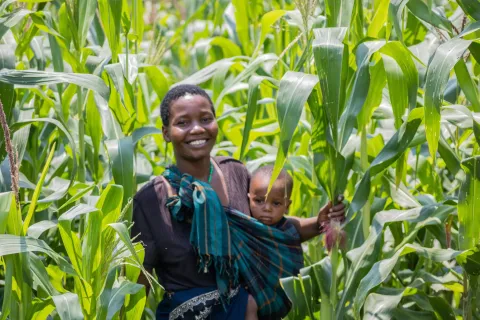
Apart from encouraging her, Elias ensures that his homestead produces food that provides them with all the six food groups. To do this, Elias and his wife have a backyard garden where they grow different varieties of vegetables, and have integrated fruits such as pineapples in the garden. Apart from predominantly growing maize, they now grow Soya beans, pigeon peas and rear chickens to supplement the six food groups dietary needs.
“The Afikepo programme has helped me understand the importance of having a backyard garden which I am always tendering by watering the vegetables. I also built a fence around the garden,” he says.
In the garden, the couple have planted a variety of crops such as pineapples, tomatoes, maize, chinese cabbage, rape and amaranth. They also rear chickens and goats to help them to have a diversified diet and earn income.
“When my wife told me about the Afikepo programme, I welcomed the idea and this has helped my household to become food sufficient. I have also become aware of diversified agriculture. We no longer eat to be full but we eat to be healthy,” Elias says, adding that since becoming a participant of the programme, his family rarely fall sick anymore.
The Afikepo nutrition programme is a five-year European Union (EU) funded programme being implemented by UNICEF and the Food and Agriculture Organisation of the United Nations (FAO).
The programme which targets 660,000 households across the country, contributes towards the increased and diversified dietary intake of safe and nutritious foods.
It also aims at reducing stunting of children under 5 through nutrition sensitive agriculture and improved feeding and nutrition practices.
In the wake of the COVID-19 pandemic, Elias continues to be a beacon of hope for his family. “I teach my children hygiene practices such as washing hands with soap before eating, after visiting the toilet and the importance of maintaining physical distancing,” he explains cheerfully.