Taking fight against wasting in children closer to communities
Lifesaving nutrition care now reaches families where they live

Caregivers across Nkhata Bay and Dedza are experiencing a shift in how child malnutrition is treated. What once required long, costly trips to distant health facilities is now available within minutes of their homes, thanks to community‑based nutrition services integrated into village clinics.
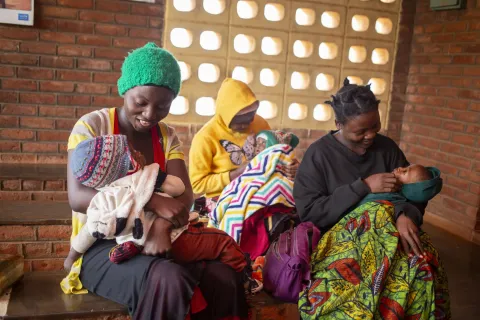
In Songowele Village, Lizzie Nyirenda attends Chapita Village Clinic with her twins. Several kilometres away near Chintheche, Matilda Banda walks to Bandawe Village Clinic with her daughter, Edripher.
Both mothers previously faced severe wasting in their children and struggled to access treatment. Today, they receive care at their nearest village clinic.
For years, families in remote areas travelled long distances for nutrition services. Poor roads, transport costs and household responsibilities often led to delayed treatment.
Nyirenda remembers walking to Chikwina Health Centre for help, a journey that consumed time and resources. Banda recalls her daughter being critically ill at Nkhata Bay District Hospital, only to continue wasting after discharge because consistent follow‑up was difficult.
This challenge is not unique to Nkhata Bay. In Dedza, caregivers faced similar barriers. For Enifa Libelito of Mkungumbe Village, accessing nutrition services once meant a two‑hour walk to Bembeke Health Centre for outpatient therapeutic programme (OTP) sessions. The distance made it difficult to complete treatment for her three‑year‑old daughter, Diana.
Today, Enifa walks less than 10 minutes to Msesa Village Clinic, where she and Diana joined a 12‑day Thanzi session—a community‑based child feeding initiative that helps families prevent and treat malnutrition before it becomes life‑threatening.
“We learned that even the foods we grow locally can provide good nutrition when combined properly,” she says. “I also learned the importance of feeding my child more often and maintaining good hygiene.”
Another mother in Dedza, Femia Jackson, remembers travelling from Mkungumbe to Bembeke every Monday for three months to collect ready‑to‑use therapeutic food (RUTF) for her son Success, who was born prematurely and later suffered acute malnutrition. The journey was physically demanding and financially draining.
“I worried that if I missed the appointments, my child’s condition would worsen,” she says.
Across both districts, the situation is changing. Supported by UNICEF and funded by the Children’s Investment Fund Foundation (CIFF), the Child Wasting Innovations Programme (CWIP) is strengthening village clinics by integrating Community‑based Management of Acute Malnutrition (CMAM) into Integrated Community Case Management (ICCM).
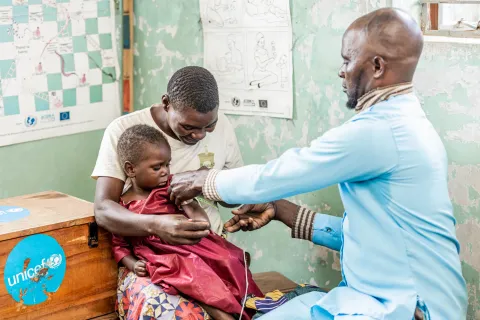
Health workers now identify, treat and monitor severe wasting using mid‑upper arm circumference (MUAC) tapes and RUTF at the clinic. Follow‑ups happen within days, supported by cluster leaders who reinforce correct feeding and hygiene practices.
Health Surveillance Assistants in Nkhata Bay, such as Dingase Zimba and Lowland Jere, report fewer severe wasting cases and stronger confidence in managing malnutrition. Community promoters and clinic committees conduct door‑to‑door screening, cooking demonstrations, backyard gardening and care group sessions to prevent relapses.
Whether in Nkhata Bay or Dedza, the impact is clear: bringing nutrition care closer to families is saving children’s lives and restoring hope.