Drones fly to stop polio in Malawi
Innovation takes the spotlight in polio vaccination campaign

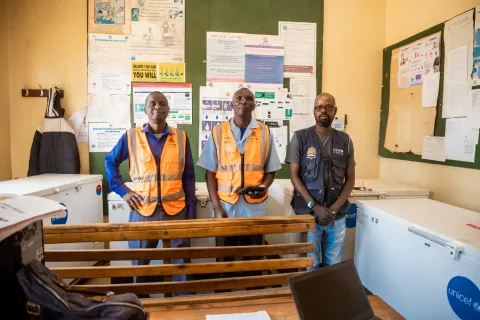
As early as 7 am, Bernard Ndawala was seen conducting routine checks on a drone at Matawale Hospital in Zomba, Malawi’s old capital city.
A few nods confirmed it was ready to take to the sky and deliver polio vaccine to Magomero health centre.
The rural destination is only reached via a battered earth road made worse by Cyclone Freddy in March this year.
The journey normally takes over 90 minutes by the rutted road, but the unmanned plane required 13 minutes to deliver the chilled vaccine.
“There is no time to waste. We need innovative ways to stop polio before it paralyses more children. The generation at risk is the future of our country,” said the 24-year-old drone pilot.
In no time, the drone zoomed off its landing pad, splitting high winds before disappearing into southwestern clouds.
“It’s exciting doing a job I like not for fun but to save lives, especially of children at risk of irreversible paralysis unless they receive the vaccine doses we are dispatching,” he explained.
Ndawala studied business information technology. His energy personifies the sense of urgency in Swoop Aero’s youthful team led by aeronautical engineer Anne Nderitu. Since 2019, the Australian drone start-up has airlifted essential supplies to 60 remote health facilities in Nkhata Bay, Likoma, Mangochi, Zomba, Chikwawa and Nsanje.
The commodities include Covid-19 vaccines, routine immunisation for children aged below five and specimens for Tuberculosis and HIV testing. They also deliver blood pints and anti-bacterial drugs for women likely to die giving birth.
“This isn’t the first time our drones are delivering vaccines in Malawi, but it’s a milestone. The support from UNICEF helps us contribute to the health of the nation by delivering essential medical supplies where they are needed most,” said Anne, who shunned working with airlines in favour of the emerging technology.
In February 2022, Malawi declared a wild poliovirus outbreak after a three-year-old child was found with the paralysing disease transmitted through contaminated stools.
The first polio case in three decades triggered a nationwide rush to vaccinate almost eight million children aged below five.
Now the country is racing against time following the discovery of the third case, a 14-year-old child in Blantyre City’s most populous township of Ndirande.
On 12 July 2023, the Ministry of Health launched a campaign to vaccinate almost nine million children aged below 15 to leave no one behind.
Two days earlier, the drone made two 15-minute trips to deliver 2 000 polio vaccine doses to Chisi health centre on a hard-to-reach island in Lake Chilwa. The journey normally spans about an hour on a rutted earth road to Kachulu harbour, a 40-minute boat ride on the inland lake and a 20-minute walk on a rocky footpath to the island’s sole facility.
Just before the flight to Magomero, it also dispatched syringes and polio vaccine droppers to Chisi.
Bernard has lost count of the flights he has done since November 2022 when he switched from small maverick drones for photography to join Swoop Aero, but still finds every trip thrilling.
At the receiving end of the Magomero-bound drone, Nine-year-old Malita Kalimanjira stood in an excited crowd, eager to get vaccinated. Some hours before, the Standard Two girl turned down a chance of getting vaccinated at her school to seek consent from her parents.
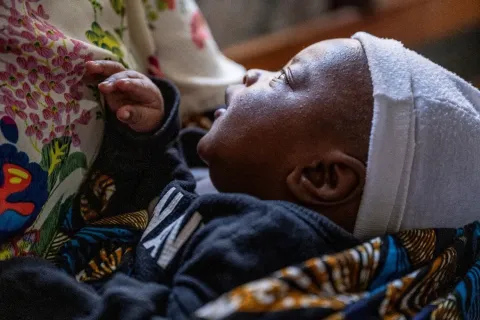
“I want the vaccine to protect myself from polio. I dream of becoming a teacher, so I don’t want my education to be disturbed by polio, which paralyses arms and legs,” said the first child to receive a dose brought by the drone.
As she finally received two drops of the oral vaccine at her home in the neighbouring Sikula village, her mother, Patricia Nyadani, could not hide her joy and relief.
“I was worried that Malita didn’t receive the vaccine at school where her twin brother Charles was vaccinated. The vaccine is our only hope to protect children from polio, which was once eradicated through mass vaccination. I hope my children are safe from the disease which may disrupt their lives, learning and productivity,” she narrated.

The mother was 20 years old in 1992 when Malawi reported the last polio case, thanks to mass vaccination.
After extracting the vaccine package from the drone, health surveillance assistant Benson Wyson asked all parents to ensure no child is left behind.
He explained: “The drone makes it easy to deliver life-saving supplies to our tricky terrain with gullied earth roads which become slippery and impassable during the rainy season.
“With this consignment, there won’t be any disruptions and idle moments in the immunisation campaign. We no longer have to wait for vehicles from the district health office, which either take time to come or become unavailable due to lack of fuel or drivers.”
Magomero health centre deployed 28 teams to vaccinate 16 231 children in surrounding communities.
“Wherever children live, we shall go to them. When wild polio infects a child anywhere, all children, especially those not vaccinated, remain at risk of catching and spreading the disease prevented by this simple and safe vaccine.”
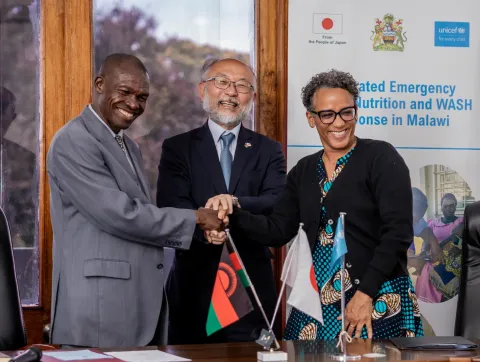
In 2017, UNICEF Malawi pioneered the use of unmanned aerial vehicles, launching Africa’s first drone corridor for humanitarian use. The United Nations Children’s Fund together with the World Health Organization (WHO), Global Vaccine Alliance (Gavi), the United States Centre for Disease and Control and the Global Polio Eradication Initiative are supporting Malawi Government to stop the spread of polio.
During the launch of the vaccination campaign, UNICEF Chief of Health Saumya Anand highlighted the power of drones to ensure the vital polio vaccine reaches every child, even in the most challenging areas.
“We are harnessing the power of technology and employing creative solutions to overcome these obstacles,” he said. “Vaccination is a crucial step towards safeguarding our children's future and protecting them from the debilitating effects of polio.