The coolest mission in Mangochi
… guardians of the cold chain keep vaccines alive

A functioning refrigerator represents more than just functioning equipment, it signifies hope, trust, and protection for countless children. Once interrupted by power failures and equipment breakdowns, the result is a disturbing inconsistency which disrupts access to lifesaving vaccines.
For years, District hospitals in Malawi struggled with an unreliable cold chain system that threatened the potency of lifesaving vaccines. For example, in the lakeshore district of Mangochi on the eastern part of Malawi, power blackouts, malfunctioning refrigerators, and fuel shortages created constant challenges for healthcare workers.
“Among other things, the consequences were severe like cancelled immunization sessions, wasted vaccines, and declining community confidence in health services. Mothers would walk long distances only to return home with their children unvaccinated, creating gaps in protection that left children vulnerable to preventable diseases,” explained Mangochi District Expanded Programme on Immunization (EPI) Coordinator Mphatso Jussa.
With funding from Gavi, the Vaccine Alliance, UNICEF supports the Ministry of Health in Malawi with practical solutions including solar-powered refrigeration systems, remote temperature monitoring devices, guaranteed fuel supplies, and dedicated airtime for emergency communication.
“These interventions addressed the fundamental challenges in the vaccine distribution system that the district endured for years. By supporting the planned preventive maintenance of cold chain equipment and providing fuel and airtime for technicians, the initiative ensures that vaccines remain potent and accessible across the country,” said Jussa.
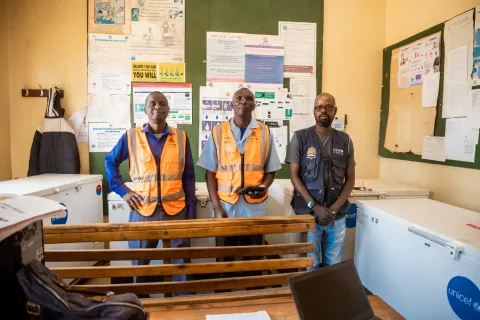
Benson Chitowe, one of the district's cold chain technicians, has witnessed the transformation from the front lines. His routine now includes travelling to remote health centers across Mangochi, performing preventive maintenance on equipment that once seemed beyond repair. The introduction of remote monitoring technology has been a breather.
“Now, with remote monitoring devices, we can detect faults in real time and tell health centres what to do immediately. It has made a big difference,” Chitowe explained, highlighting how the technology allows technicians to receive alerts about equipment malfunctions before vaccines are compromised, thereby reducing emergency responses and vaccine losses.

The impact on immunization coverage has been significant. District health records show a steady increase in vaccination rates since the program's implementation. Health workers report fewer missed opportunities and more consistent attendance at immunization sessions. The reliability of services has rebuilt community confidence, with families now trusting that when they make the journey to a health center, vaccines will be available and potent.
“Since the support began, vaccine delivery in Mangochi has completely improved. Faults are reported and fixed quickly, and outreach clinics no longer get cancelled. More children are receiving their vaccines on time, and our coverage rates are going up,” said Chitowe adding that the consistency of services has eliminated the previous pattern of disrupted activities that left children vulnerable to vaccine preventable diseases, allowing health workers to now focus on reaching every child.
At Chikuli Health Centre, one of the 66 health facilities in Mangochi, power outages no longer threaten vaccine integrity and equipment failures are addressed within hours rather than days or weeks.
Prisca Theula, the EPI focal person at the clinic, has seen community trust return firsthand. “When we report a fault, the response is quick and people here trust the service such that no one wants to miss a vaccination exercise anymore,” she observed. The solar-powered systems ensure continuous protection of vaccines regardless of electrical grid stability, enabling this renewed faith.

While challenges remain, particularly in the timely procurement of replacement parts for older equipment, overall progress has created momentum for continued improvement. Health workers express optimism about maintaining and building upon these gains, recognizing that reliable cold chain infrastructure forms the foundation for all immunization success.
Mangochi District, with a catchment area of 6,273kms, has 66 health facilities which cater for a population of about 1.5 million people.