Combating malnutrition in rural Malawi
Health surveillance assistants play a key role in keeping babies healthy

The birth of twin girls was a time of great joy for White and Liveness Mabulenje.
They named them Vanessa and Rebecca. However, as the twins grew, the couple noticed that one of them was often restless and fussy.
Their concern over the health of baby Vanessa led White to a traditional healer, the preferred method of help for their community in Machinga. For K500 (less than USD1), he was informed that his mother-in-law had put a curse on the baby.
The news confused and Mabulenje and left him in doubt, as his mother-in-law was also helping with the care of the sick child.
With no improvement in the baby’s health, the couple eventually decided to take her to Machinga District Hospital, against their cultural beliefs.
“One of the first signs of malnutrition I noticed in the baby was that she weighed much less than her sister, although I was breastfeeding both of them. When I took the twins to a routine under-five clinic at the hospital, the doctors were able to provide a clear diagnosis,” Liveness explains.
She was informed that Vanessa was suffering from mild malnutrition and they advised her on how to feed her at home. Vanessa was enrolled in the outpatient therapeutic programme (OTP) which has proven to be a lifesaving intervention for many malnourished children in Malawi. Early detection of malnutrition is also effective against under-five deaths.
Three months after the visit to the doctor, Vanessa is noticeably healthier.
“My baby is gaining weight as I have been following instructions given to me by the hospital,” Liveness illustrates.
The Mabulenjes rear two goats, having sold three to provide for the care of the babies. They also make a profit from the land where they grow maize, hoping to increase their goat herd in the future.

Liveness is careful not to neglect the care of the healthy twin as she is now aware of the different food groups needed for the babies to grow strong and healthy.
Her husband laments that it has been a challenge taking care of his daughter with the threat of COVID-19 looming in the country. However, despite this, he is doing his bit to help raise awareness about the disease in his community.
Upon arrival at the couple’s home, the first thing that strikes you is the little visiting area away from the main house. Here, you see posters which are meant to educate people on the spread of COVID-19, discouraging handshaking and also spreading the message about hand-washing.
Close to the main house is a bucket filled with water for people to wash their hands.
“This is my contribution to the fight against COVID-19” says White.
He says he wishes for his daughters to choose a career in the medicine when they grow up as he now appreciates the role doctors and nurses play in society.

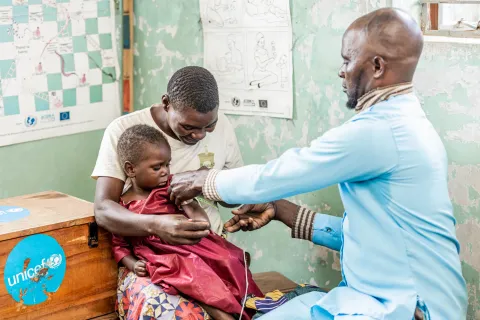
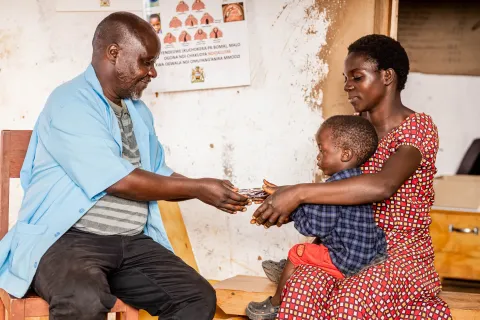
White is especially grateful for the role of health surveillance assistants (HSAs) who visit up to two times a week to follow up on the health of the babies, ensure that guidelines are being followed and provide nutrition supplies. This removes some of the strain on the parents as they are not always able to make hospital visits.
Such community outreach and mentorship programmes have proved to be effective against preventing malnutrition and relapse in most cases.
Sam Mpatula, the HSA for Machinga notes that more support is needed in terms of resources for a supplementary feeding programme as some families face challenges in maintaining healthy diets at home, which can lead to relapses.
Malnutrition has proved to be the leading cause of death in children under five as it puts them at risk of infection.
To rectify this challenge, health personnel usually advise families to be creative and use whatever resources they have.
The visits from the HSAs help with the monitoring of affected families.
Apart from this, they also offer encouragement to affected families and act as a sounding board when some families are apprehensive about a particular symptom.
These nutrition interventions are being implemented with support from USAID through its Food for Peace Programme. About $2,800,911 was provided to UNICEF and the Government of Malawi improve access to and utilisation of life-saving nutritional services for vulnerable children in the drought-affected districts such as Machinga.
The project aims to reach 21,704 children under the age of five years old with the treatment of severe acute malnutrition through life-saving therapeutic foods.