Bringing healthcare closer through outreach clinics
Chisoti outreach clinic brings vital healthcare services closer to vulnerable communities

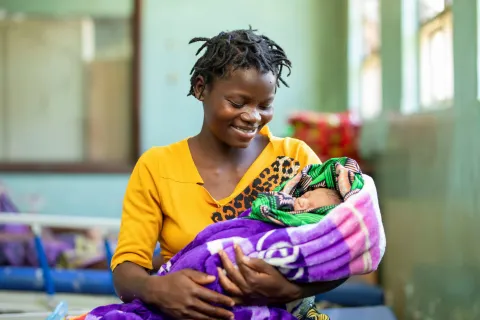
Eighteen-year-old Hija Banda gently secures her one-year-old baby on her back as she leaves the doctor’s room, relief washing over her face. The test results show no malaria, her biggest fear. Instead, her child receives paracetamol to manage the fever.
“I only walked five minutes to get here. Without this clinic, I would have faced a two-hour journey to the nearest health centre, an impossible trip without the K10,000 [about US$5.70] transport fare,” says Banda from Ching’anjo II Village, Traditional Authority Malengachazi in Nkhotakota district.
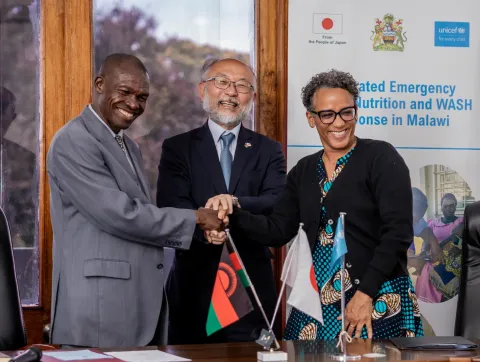
Thanks to funding from Japan through UNICEF, the Chisoti Outreach Clinic brings vital healthcare services closer to vulnerable communities. Every month, a dedicated team of health workers and community volunteers provide lifesaving care, reducing the burden of long and costly journeys to distant hospitals.
For 23-year-old Amina Bashiri, this access meant timely treatment for her six-year-old son diagnosed with malaria.
“I was lucky the clinic was here today. Otherwise, I would have had to carry him on my back for two hours,” she shares.
Expectant mothers like Fatima Maulana, 29, also benefit immensely. Five months pregnant, she no longer spends K8,000 (about US$4.60) on transport for antenatal visits. After receiving Fansidar for malaria prevention, paracetamol for body aches, and a mosquito net, she expresses gratitude, saying this clinic is a lifeline for her family.
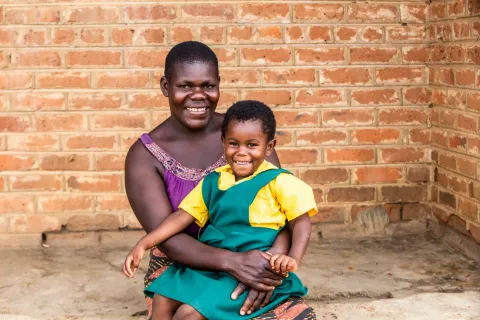
Beyond maternal and child healthcare, the clinic empowers women with family planning services, preventing unwanted pregnancies and improving reproductive health. Sauda Chiwaula, 25, came for an under-five clinic but also accessed her three-month Depo-Provera contraceptive injection, saving K10,000 in transport costs.

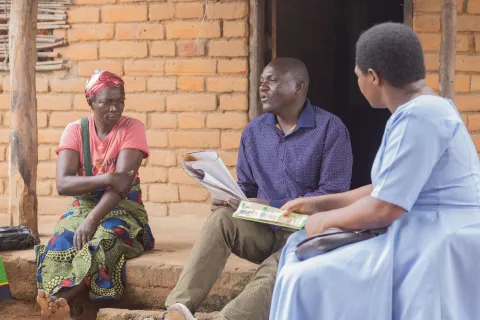
According to Constance Chimsanjo, a Health Surveillance Assistants Supervisor, the clinic’s impact is profound. With over 1,000 people served across eight catchment areas, immunisation rates and growth monitoring for under-five children have improved. Previously, long distances meant many mothers missed essential services.
“The clinic’s Outpatient Department treats an average of 100 clients per session, including 30 for family planning, 17 for antenatal care, and between 50 and 70 for under-five services”, reports Paul Sunthika, Nkhotakota District Health Office Community Health Nurse.

UNICEF, with funding from Japan, supports 150 outreach clinics in Nkhotakota and other districts, ensuring equitable access to primary healthcare, HIV and AIDS care, and essential medicines.