Government, partners pledge to do more to end child marriage
…as budget scoping study reveals significant funding gaps in ending child marriage interventions and IMF study highlights high economic cost of inaction

Lilongwe 28 April 2021, The Government of Malawi, UNICEF, the International Monetary Fund (IMF), key development partners, UN Agencies, CSOs, other child rights agencies, faith and traditional leaders have reaffirmed their commitment to end child marriage in Malawi. The pledge was made in response to findings of studies on ending child marriage carried out by the Ministry of Gender, Community Development and Social Welfare (MoGCDSW), UNICEF and IMF.
The budget scoping study on ending child marriage, commissioned by the MoGCDSW and UNICEF assessed the size, composition and equity of public spending on programmes and interventions to end child marriage by the Government of Malawi and its development partners. The results show significant funding gaps in ending child marriage interventions at a time when close to half of girls in Malawi still marry before the age of 18. The IMF study, which covered other African countries, revealed significant economic benefits associated with ending child marriage in Malawi.
“Child marriages are happening on our watch. It is time to rethink the way we work- if we were working in isolation, it is time to hold hands and implement well-coordinated and effective interventions to end child marriage,” said Minister of Gender, Community Development and Social Welfare Honourable Patricia Kaliati.
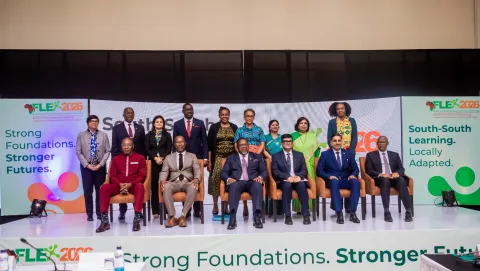
The commitment to invest more to end child marriage in Malawi was signed by the Ministry of Gender, the Judiciary, Ministry of Education, Ministry of Home Affairs, Traditional Authority Chowe of Mangochi, a 16-year-old child marriage survivor from Mangochi representing all Malawian children, UNICEF, UN Women, UNFPA, IMF, the EU, Public Affairs Committee (PAC), World Vision International, OXFAM, Girls’ Empowerment Network, Irish Embassy and the Norwegian Embassy among others.
Together, these organizations and individuals have committed to work towards increased public investments to end child marriage, strengthen child protection case management and support for survivors; create an enabling policy and legal framework; strengthen joint planning, coordination and monitoring to maximize the impact of actions against child marriage; protect girls from child marriage during humanitarian crises such as pandemics and natural disasters; support Government efforts with additional financing; enhance transparency and accountability around child marriage investments and ensure adequate funding of all priority programmes; improve access to justice for child marriage survivors and engage male champions to end the malpractice.
Signing the pledge, IMF Country Director Farayi Gwenhamo said investing in child marriage is smart economics. “There will always be an issue with limited fiscal space that is why efficient resource utilization is key in our interventions to end child marriage.”
UNICEF Malawi Representative Rudolf Schwenk said child marriage robs girls of their childhood and threatens their lives and health.
”Girls who marry before 18 are more likely to experience domestic violence and less likely to remain in school. They have worse economic and health outcomes than their unmarried peers, which are eventually passed down to their own children, further straining a country’s capacity to provide quality health and education services. Together, we must do more to support children to reach their full potential, free from child marriage and other child rights violations,” said Rudolf Schwenk.
The commitments to save girls from child marriage are in line with the National Strategy on Ending Child Marriage and will be followed up through the National Task Force on Ending Child Marriage.
------
Note to editors;
The Ending Child Marriage Budget Scoping Study report is available here
The IMF study is available here
The Call to Action endorsed on 27 April is available here
Media contacts
About UNICEF
UNICEF promotes the rights and wellbeing of every child, in everything we do. Together with our partners, we work in 190 countries and territories to translate that commitment into practical action, focusing special effort on reaching the most vulnerable and excluded children, to the benefit of all children, everywhere.
For more information about UNICEF and its work for children, visit www.unicef.org.