Rewriting the Belief
Young women taking on child marriage issues in Lao PDR

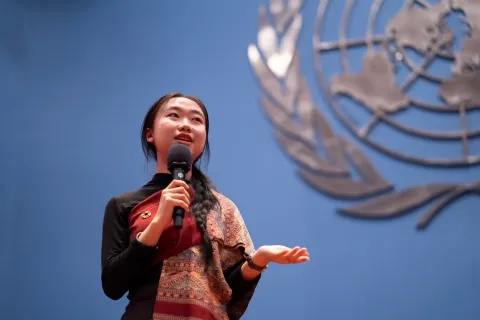
For the first time, Chanphone and Sandy are working side by side to tackle an issue that shapes girls' futures across Laos: child marriage. Nationally, three in ten women aged 20–24 were married before turning 18 — a rate more than twice as high in rural areas (36%) compared to urban areas (17%) *. Behind that gap are communities where young people rarely get the chance to question the beliefs they grew up with.
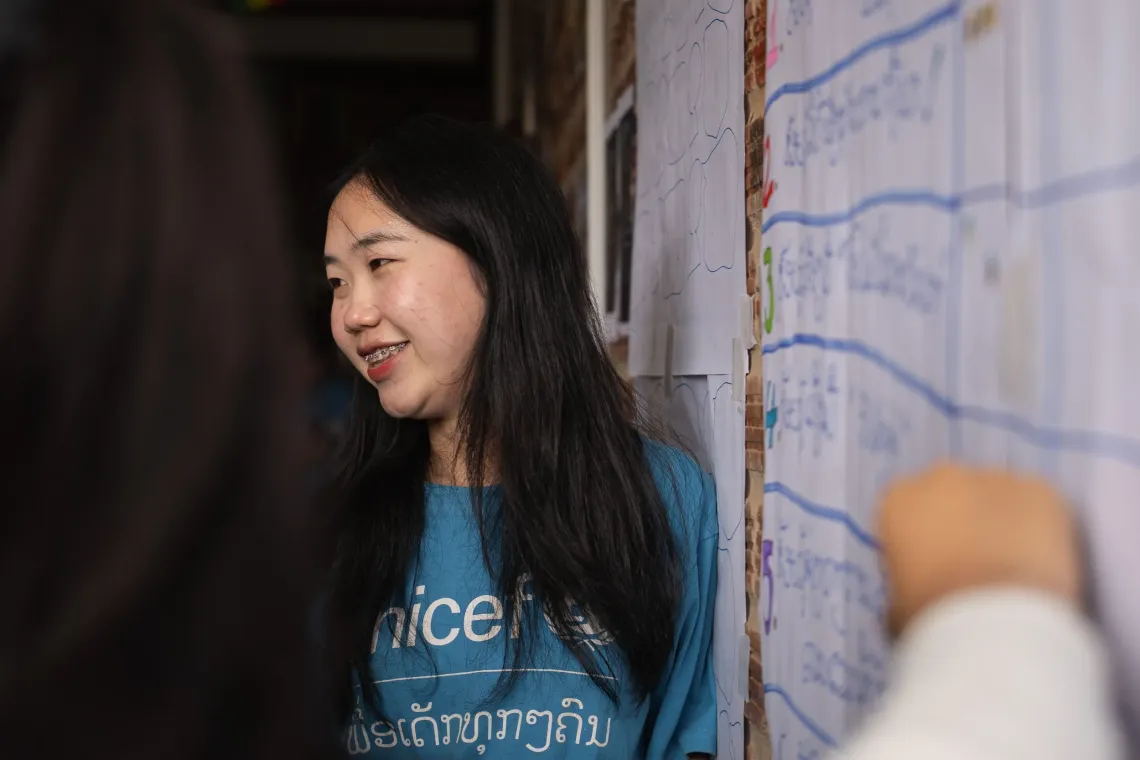
I used to believe that getting married young would help me support my family, that my baby would be healthy, that's what I always believed, until I found out those beliefs were wrong. That's when I became an advocate on this issue.
Not everyone gets the chance to reach the understanding that Chanphone did. That's part of why she co-founded Edurise with her friends that navigating difficulties on the same issues, an initiative that helps young people unpack the causes of child marriage and raises awareness within her own Hmong community — work supported by Voice4Change and the Global Youth-Led Movement to End Violence Against Children.
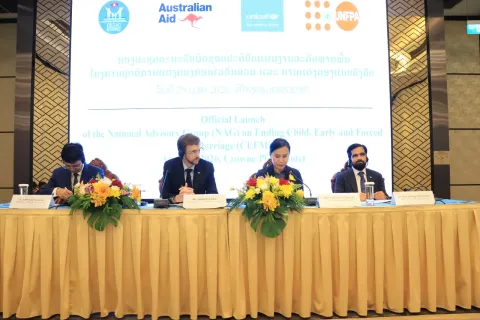
Alongside her, Sandy, a youth mentor from Luangprabang with experience in facilitation and a strong understanding of local context brought her support to Chanphone and the team. The pair piloted this approach in Xaysomboun Province — chosen for its high rates of child marriage (where 42.9% of women aged 20-24 were married before 18) and because it never had a programme like this before and because it had never had a programme like this before — as a first test site for UNICEF's TUSIP initiative, ahead of wider rollout elsewhere in the country.
We wanted to engage with young people in the Hmong community. I know the context, the situations — I'm familiar with what young people there are facing — and Xaysomboun had never had this kind of initiative before. Those were the reasons we aimed for Xaysomboun.
Together they share one goal: helping boys and girls understand the risks and drivers of child marriage. Both Chanphone and Sandy came up through a UNICEF Laos-supported project themselves; now, with support from the Australian Government, they are co-trainers shaping the next generation of young advocates.
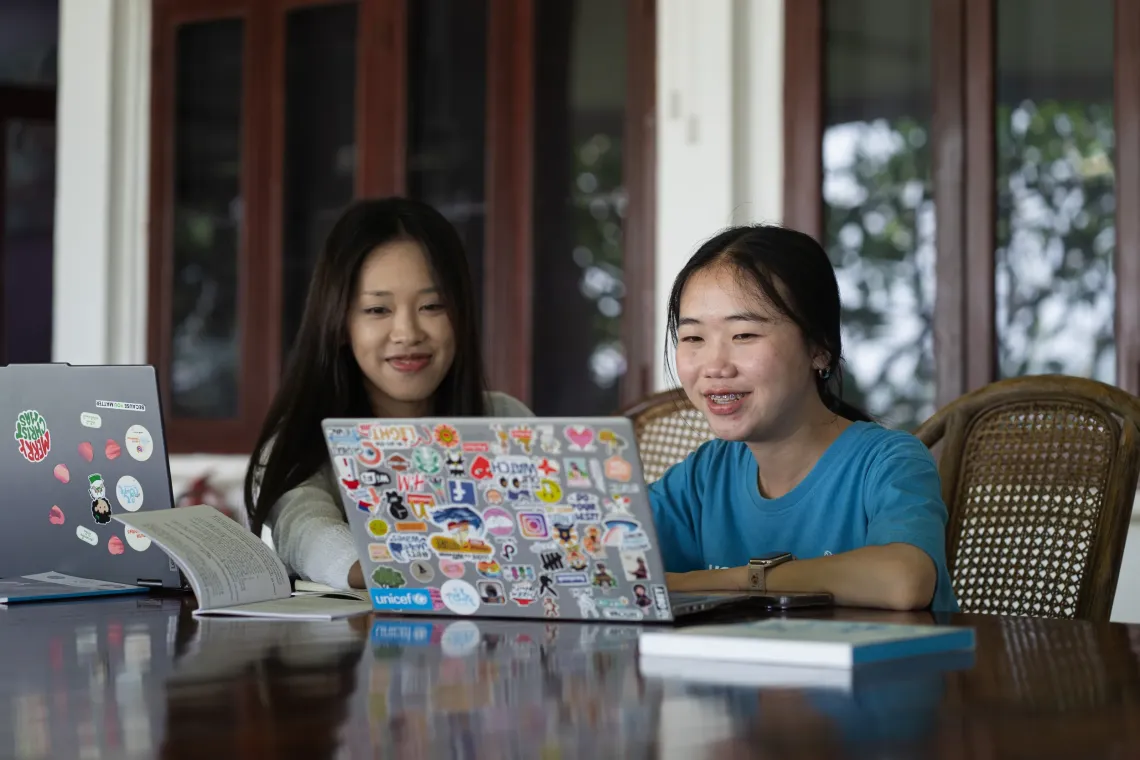
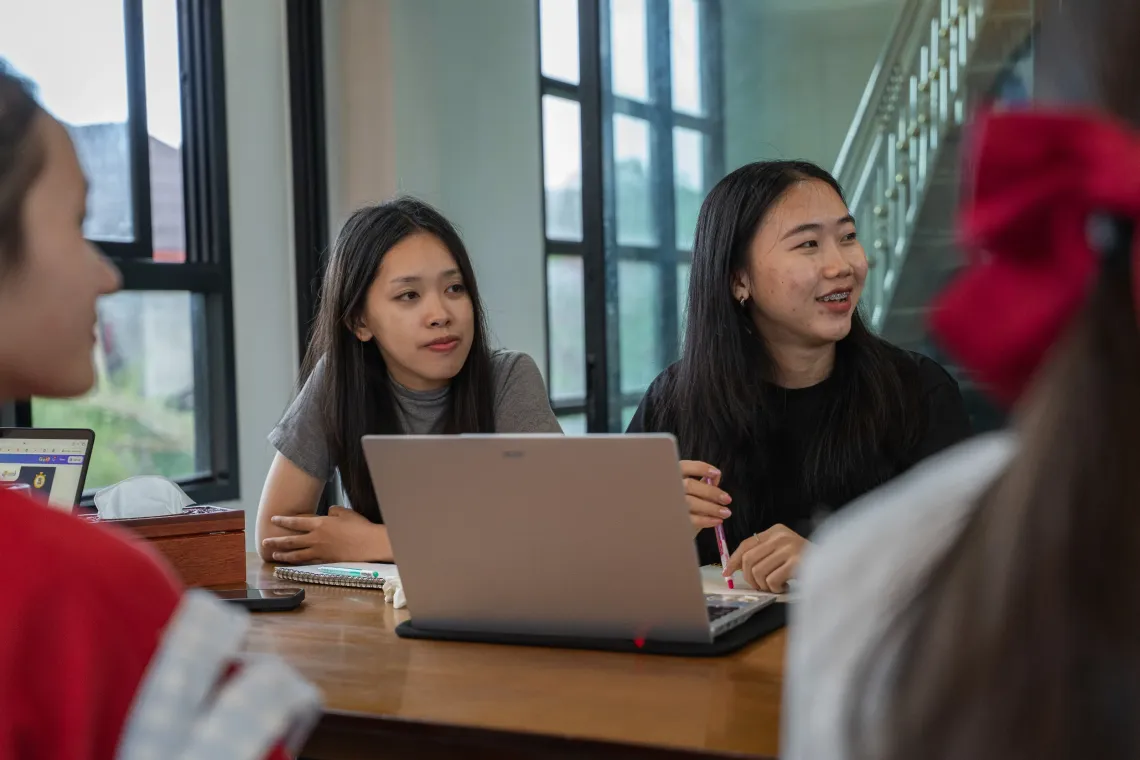
I think having Chan helped a lot, because when we work together, we bring different perspectives and different methods. I was a little worried at first — it was the first time we'd used all these foundations, working closely with the UNICEF team. There was a lot of feedback, but it helped a lot, and I learned so much along the way.
It's small but impactful, girls who once sat in the training room are now the ones delivering it.
One of the biggest barriers to this work has always been language, and for girls in remote, ethnolinguistic communities, that barrier can mean being left out of conversations about their own futures entirely. For the first time, Project Sinxay, an initiative that empowers young people to identify and address challenges in their communities by building their skills in problem-solving, facilitation, communication, and advocacy through a peer-to-peer approach. With the support from local youths like Edurise, young people brought local perspectives and worked hand in hand to deliver the initiative in both Hmong and Lao languages, ensuring that the content was relevant, accessible, and responsive to the local context.
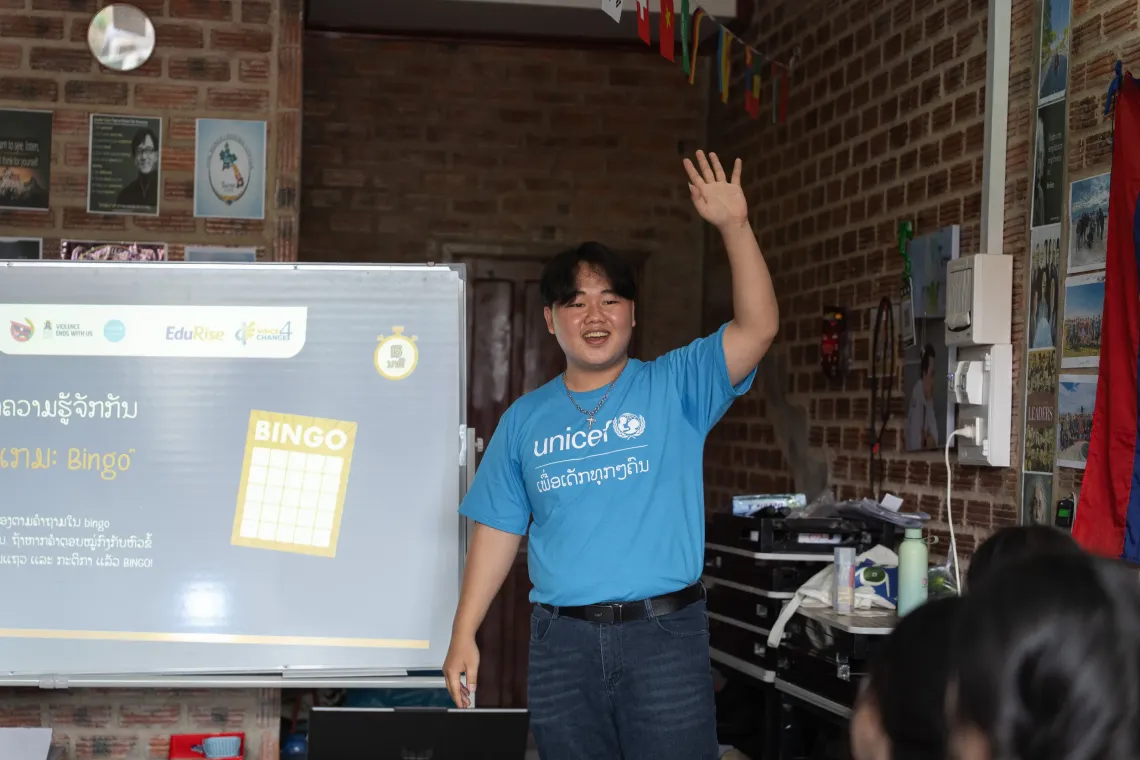
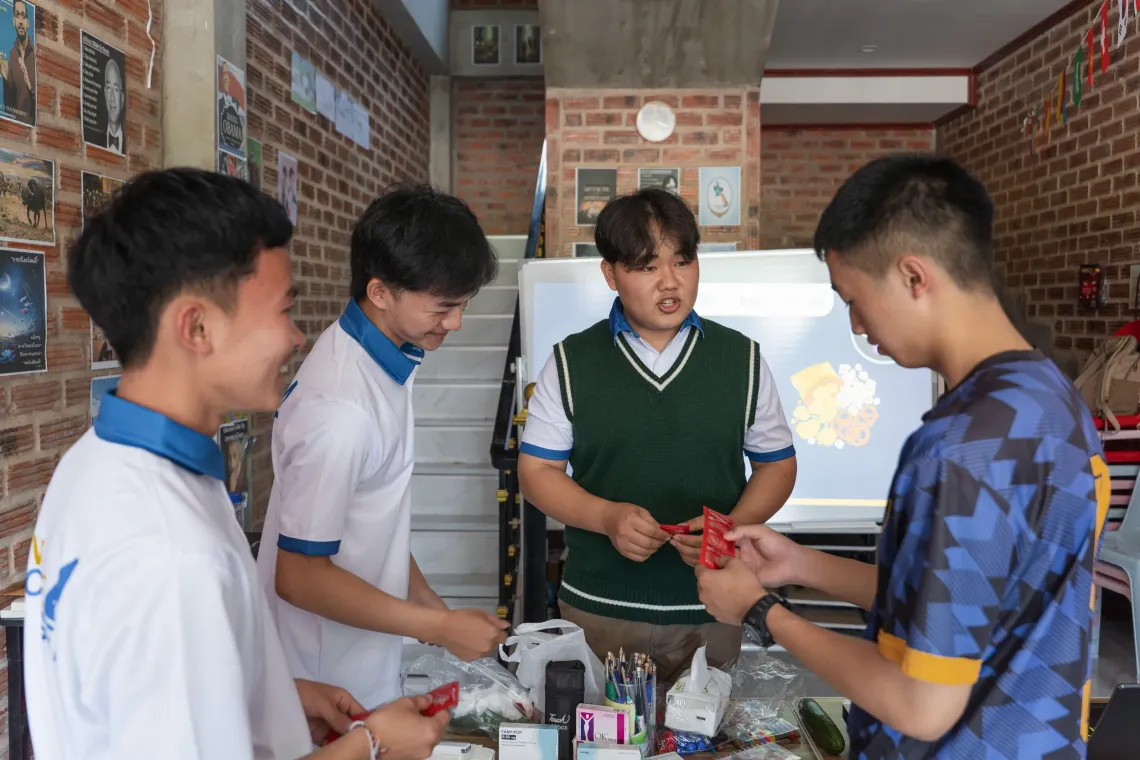
Three local facilitators: Cheeia, Hana and Kiatongmua — joined for the first time, bringing their own communities' realities into the room. The session itself was made possible by Alou and Meng, members of Edurise, a three-person team of young Hmong people working to make sure everyone feels seen, heard, represented and, most importantly, has fun.
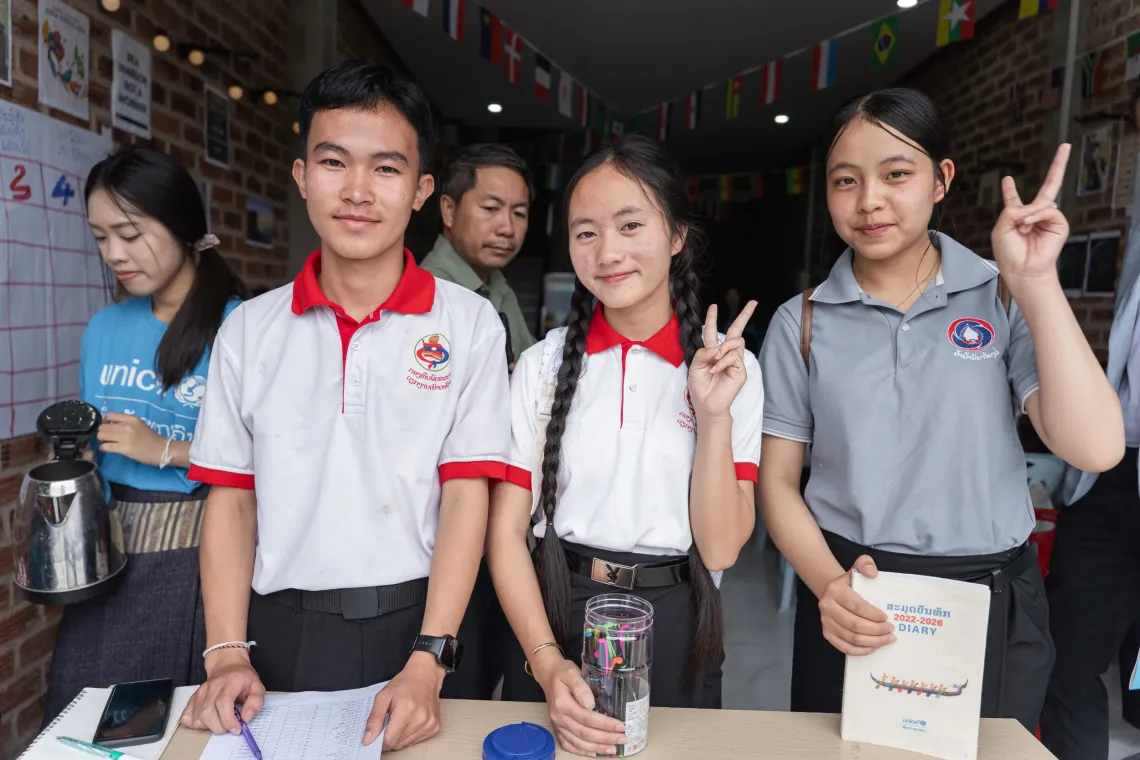
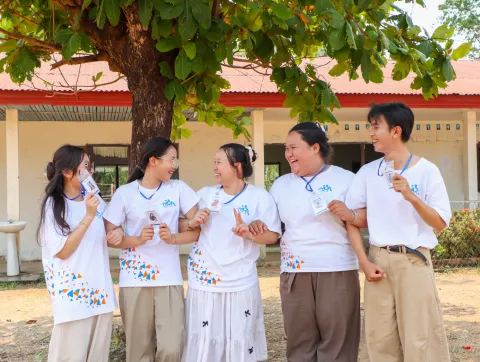
More than 35 young people, both boys and girls took part in a two-day training covering child rights, sexual and reproductive health, gender equality, and child and forced marriage. Moreover, the sessions covered using tools like the Problem Tree and 5 Whys to help young people be curious, identify problems, alongside a screening of Khamhorm, a film portraying early marriage that was produced by young people from a Filmmaking - Happy Families Grow Together program, UNICEF Laos.During the screening of Khamhorm, the room went quiet. Some girls cried.
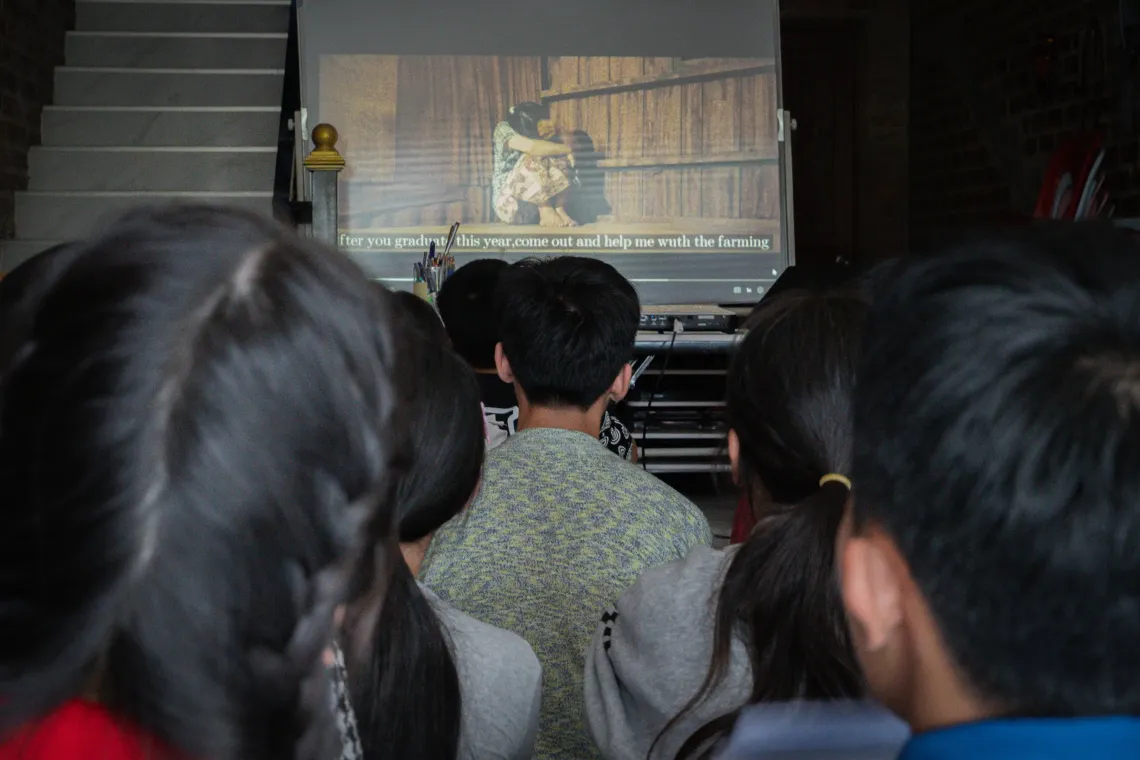
Because it felt so real and relatable to me
The film gave girls language for something many had only ever felt, namely, the gap between what their parents' generation accepted and what they themselves are starting to question.
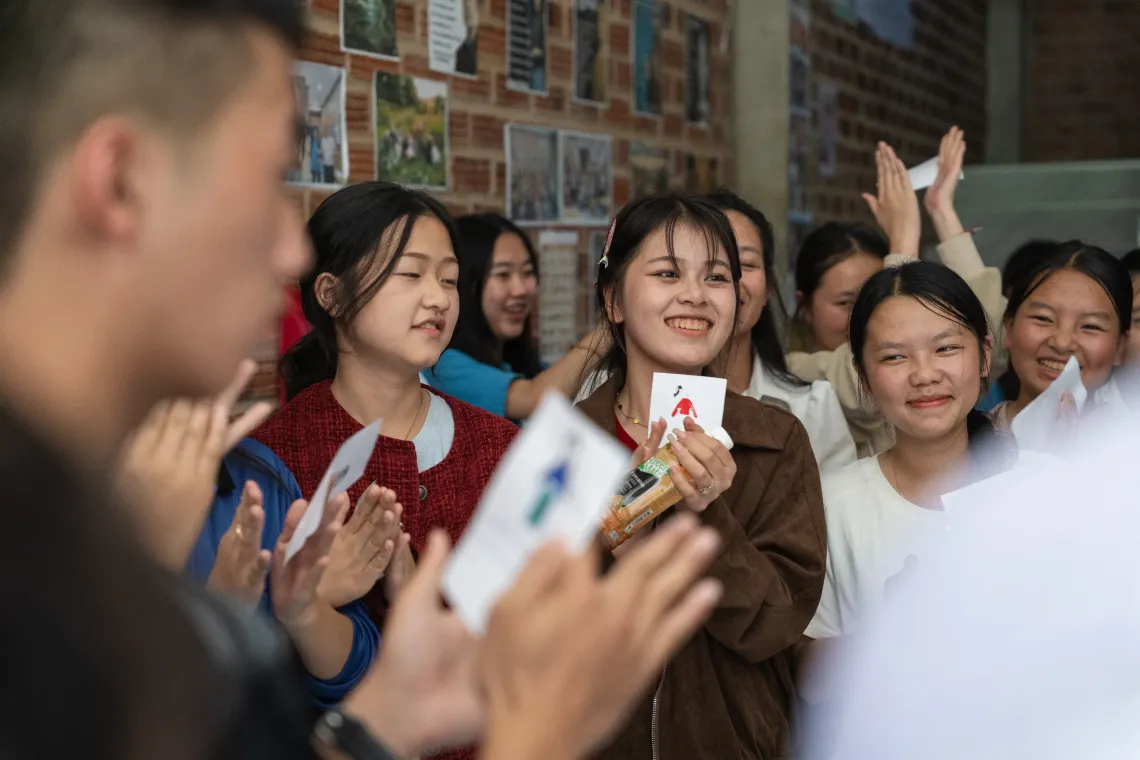
At first, I was really shy to talk, but all the lessons were delivered in the local language, which helped me understand the context a lot. Thank you so much to all the sisters and brothers, the trainers, for giving me this opportunity.
I never heard of the child marriage concept and its issues before. This kind of space never existed before, so my friends and I were very interested in learning new things.
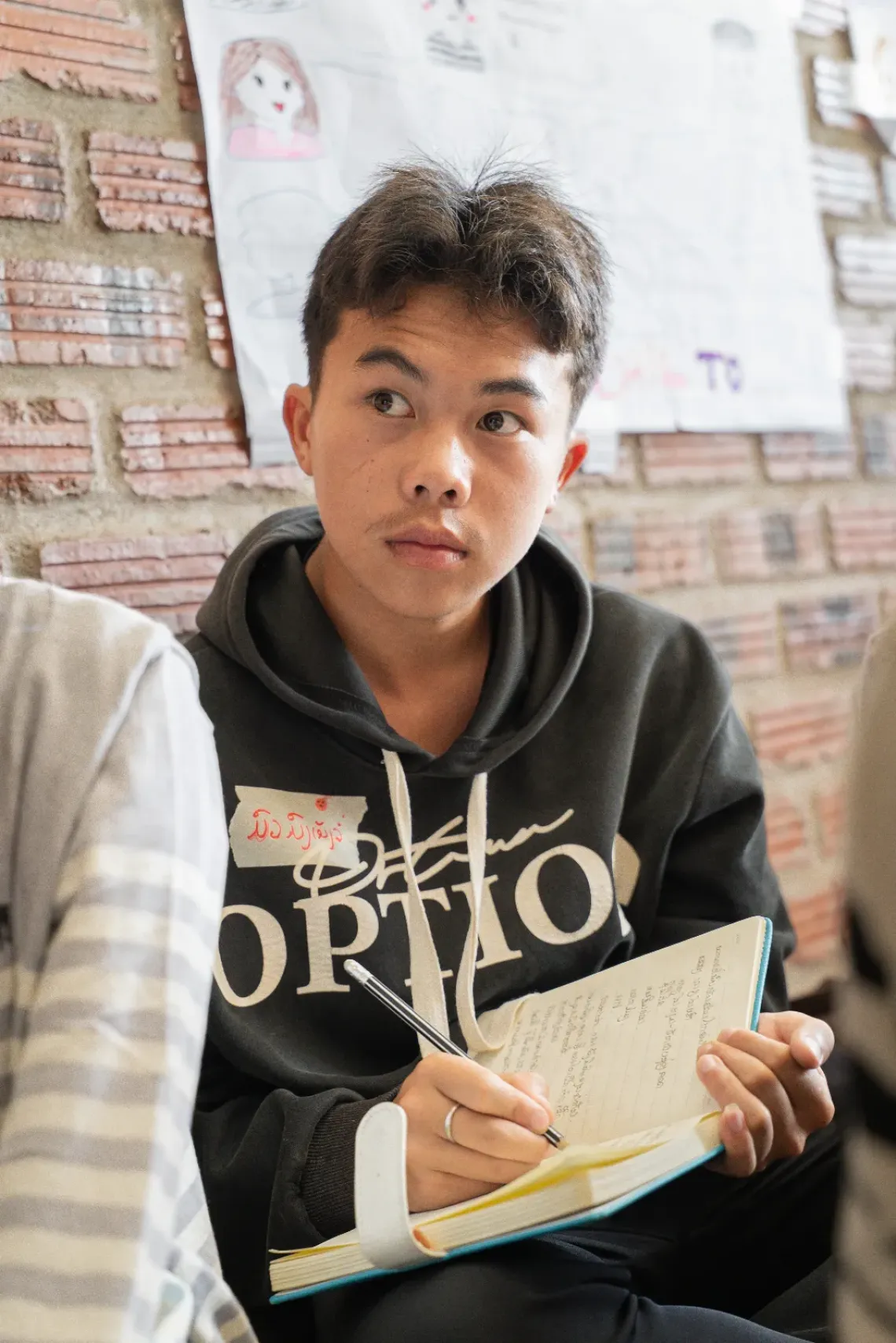
At first, many of the girls in the room stayed quiet. But as the first day unfolded, that began to shift. With facilitators speaking their own language, girls who rarely spoke up in these settings started asking questions and naming things they'd never had space to name before. One question, asked more than once, cut to the heart of it:
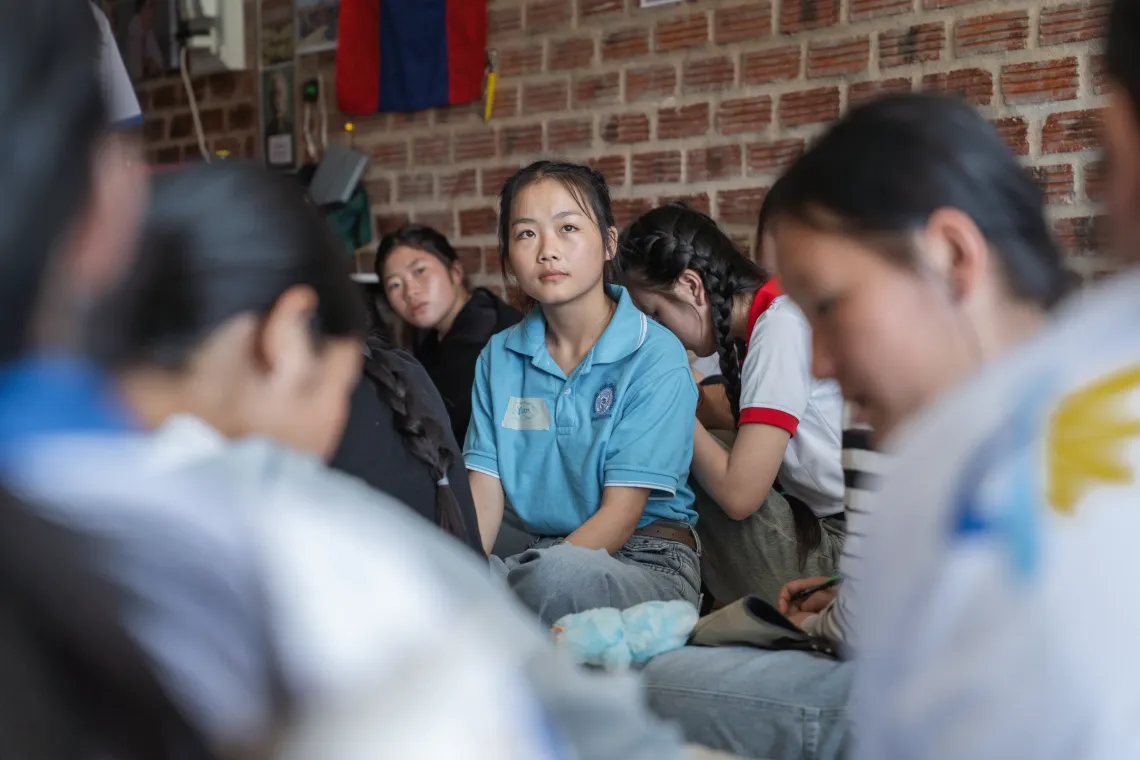
What if we are pushed by a boy and forced to marry? Because that is what our community believes is normal. Who can we rely on?
Through pre- and post-training assessments, facilitators tracked how young people’s understanding shifted across five areas: children's basic rights, teenage pregnancy prevention, the Problem Tree approach, where to turn for help, and what respect looks like in a relationship. After two days of the training, the results indicate substantial gains in knowledge and confidence, with approximately 79%–94% of respondents reporting that they "already know well" or "know very well" across the five areas after the training.
Within the training, trainers also gave girls room to imagine past the immediate crisis and toward their own futures.
A case study made me realize that young people should follow their dreams, and that dreams can begin by exploring things, including joining this kind of workshop.
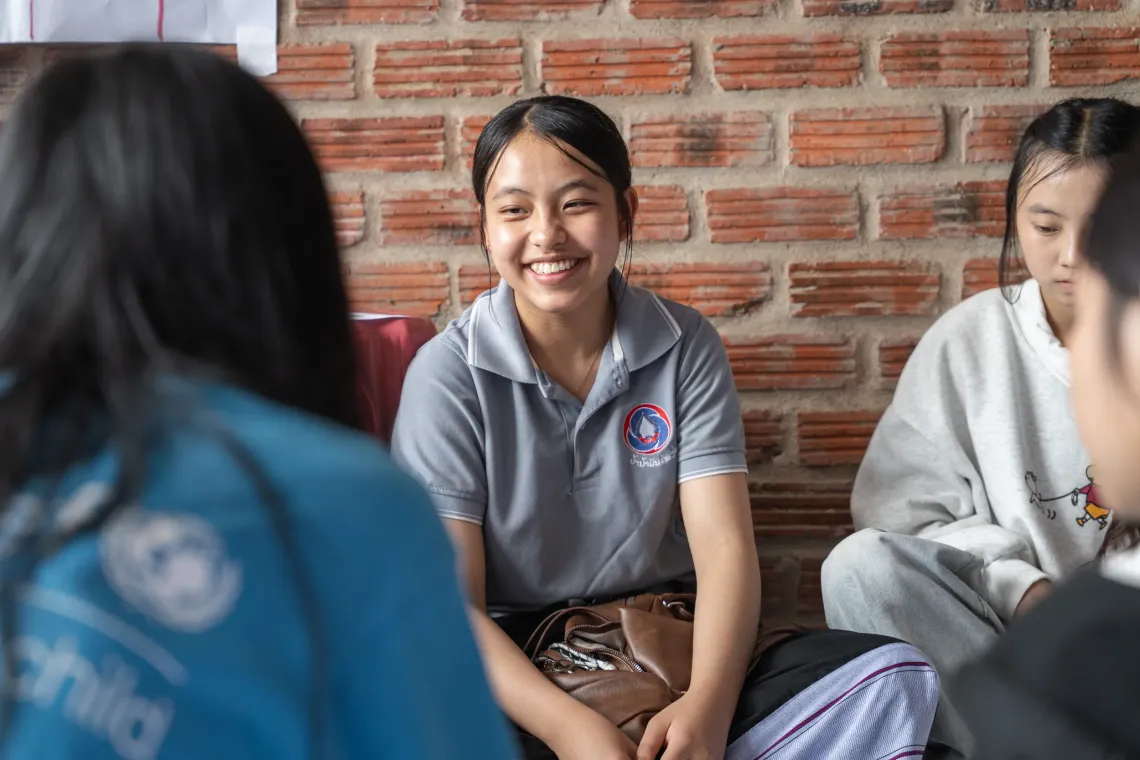
Near the end, one participant turned the question back on the trainers: "Are you happy with the results today?" It was a small moment, but it captured something real, a room where girls no longer just answered questions but asked them too.
Meaningful engagement isn't just inviting young people into the room; it's handing them the room itself. That principle — supporting, trusting and believing that young people can lead — is why this work matters. In Laos, child marriage remains one of the most persistent barriers holding young people back. It isn't only a matter of family planning: it touches health, community, and a belief still held in some places that early marriage is a marker of stability rather than a risk. Left unaddressed, it narrows what young people believe is possible for their own lives.
For Chanphone and Sandy, that's exactly what this training represents — not a one-off session, but a new chapter: moving from being girls once reached by Project Sinxay to becoming young women who build opportunities for the next ones. For the girls in that room, it was a rare chance to ask the question they'd been carrying — "who can we rely on?" — and start answering it for themselves.