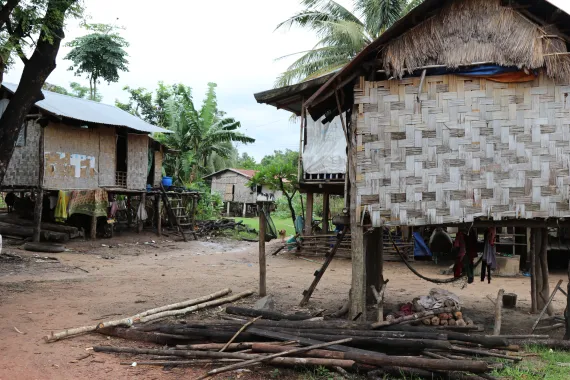
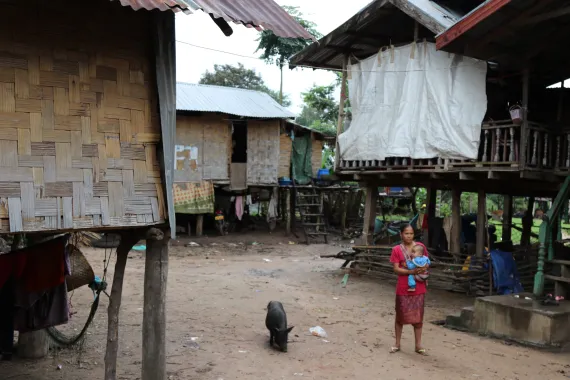
Life of a working rural mother
A day is (almost) never enough
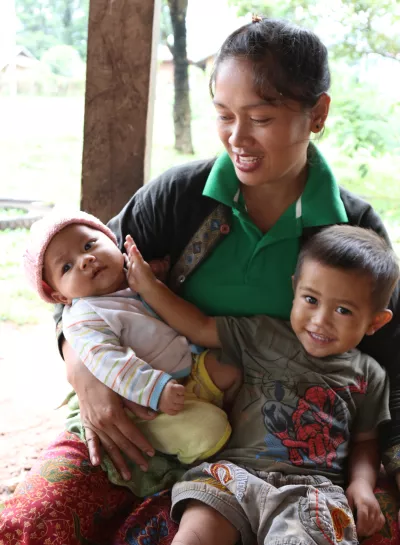
Xaiathon, 33, lives in Houychengkao Village in a rural town in Savannakhet Province, south of Laos. She has four children, all boys, the oldest of whom is 15, the youngest is two months. All of them were born in a clinic, but the one time she was compelled to deliver at home, the baby died at birth.
“We were so poor and could not even rent a motorbike or a tractor to take me to the hospital, so I had to deliver at home,” Xaiathon says with a hint of regret in her eyes.
Now she keeps a happy home with her husband, also a farmer, and together they toil their piece of lot – an hour away. He spends the entire day at the farm, while she needs to be back home in the afternoon to feed the children. If it’s not a rainy day, she would return to the farm for more work.
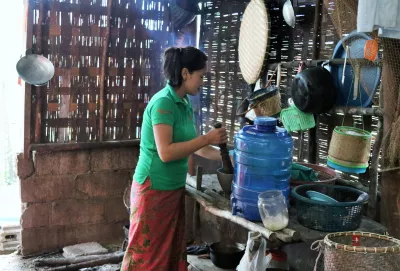
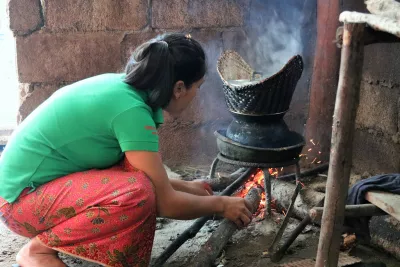
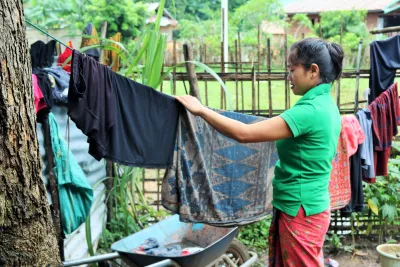
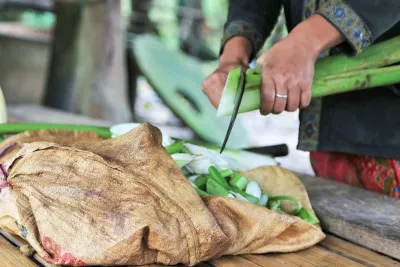
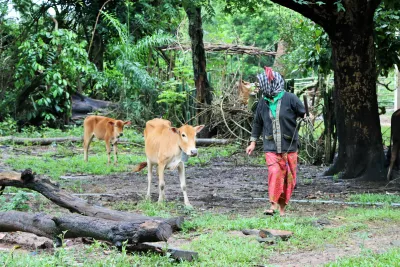
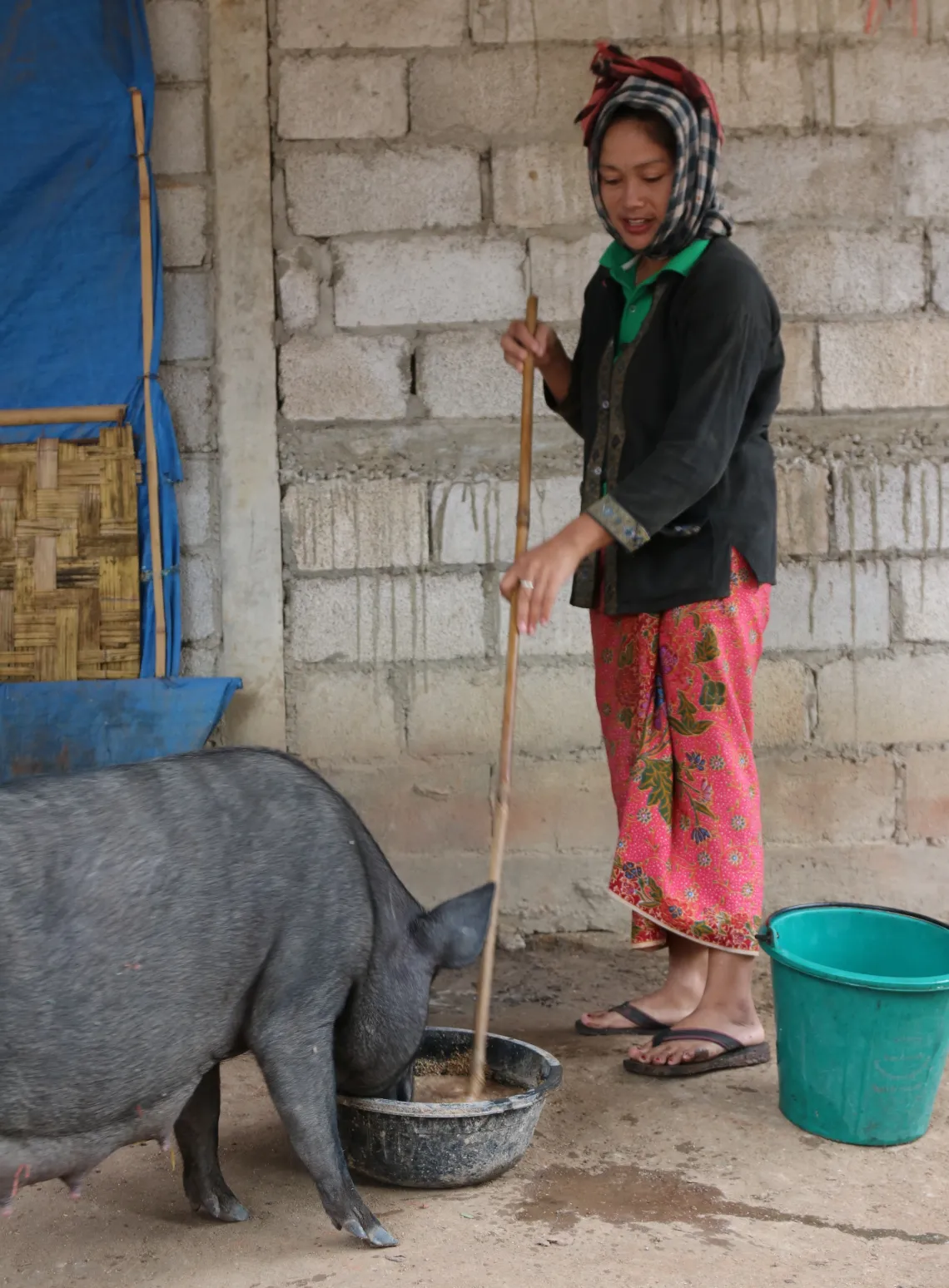
“My day starts very early, because of the long walk to the farm,” she admits. Because of this, her breastfeeding practice is not as regular as her doctor advised her to. In between farm work and preparing meals for the boys, she gathers wood for fire, feeds the hog and cattle, does the laundry, cuts the bushes in the backyard to keep them from growing over their vegetables, cleans the house, and helps out in their neighbours’ farm to augment their barely-enough harvest at the farm.
To make up for her lack of breastmilk, she chews pieces of meat and mixes them with the rice porridge that she prepared for her youngest son Kaka in the morning; which should last him until she comes back from the farm. Meanwhile, her two older sons take turns feeding the little ones; or leave them to her mother-in-law who lives nearby. When one of them is sick, she has to skip farm work.
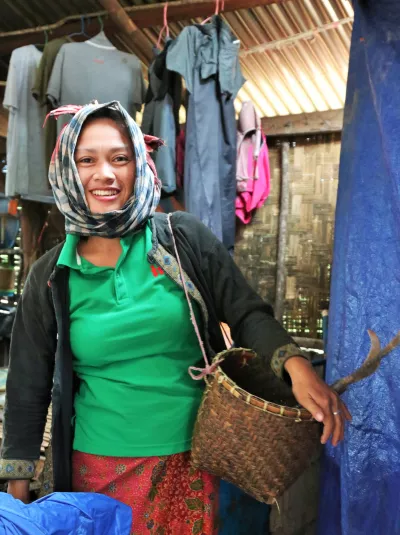
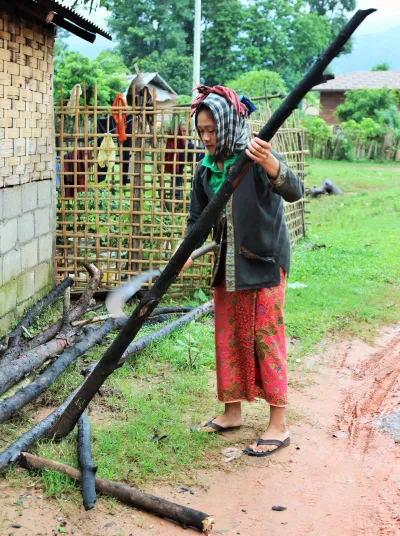
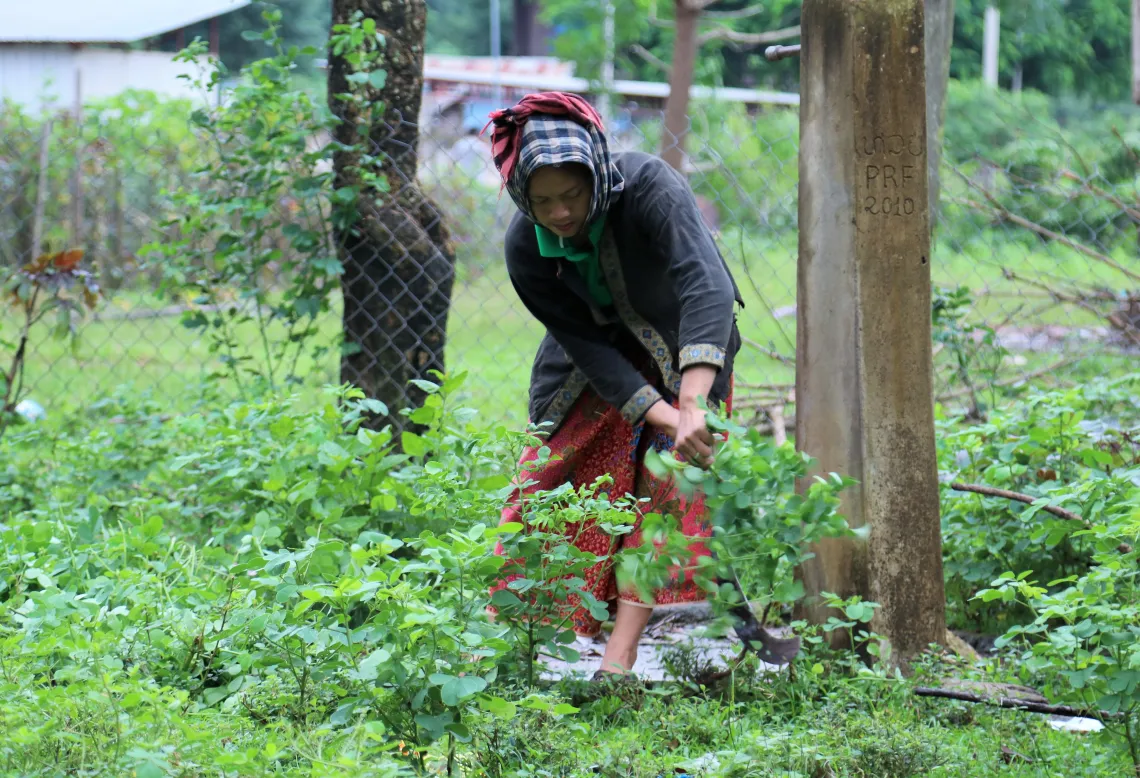
She is also unable to follow through her visits at the health centre in town, because “I would rather just spend the time at the farm instead,” she says, admitting their meagre harvest is the only source of income for their family of six. On average they are able to produce 21 sacks of rice in a year – both for their consumption at home, and to sell on the side. Even then, they are barely able to send all the boys to school.
“My oldest son has stopped schooling, we just could not afford it anymore,” she says, playing with his hair. If harvest will not be as good this year, the other boy may also have to stop schooling. “We can’t even pay for their transportation to school, which is over five kilometres away,” she says.
Despite this, she and her husband are intent on having another child – trying to have a girl this time.
They both had finished primary school, and never had any inclination to aim for a job in the town centre. They seem content with their farm life, in their happy home and neighbourhood; but they do hope for “successful education and fruitful careers for their boys anyway.”
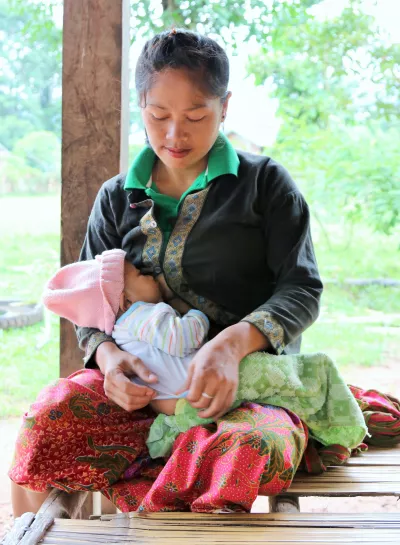
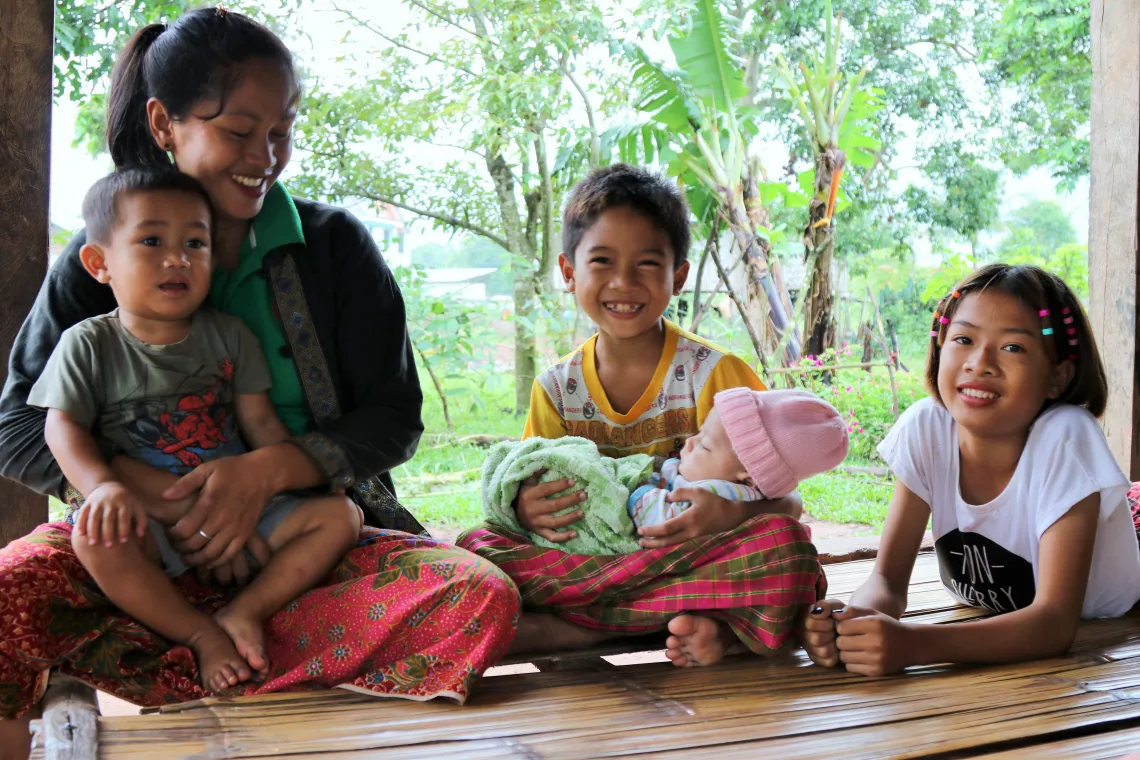
As the sun sets and her husband approaches their home, the boys run to greet him – eager to see what fruits he got for them along the way. That signals another day over, but for Xaiathon it is only halfway through: she still has to prepare dinner, do the dishes, and feed her little son. She will try to get some rest as soon as the boys are all back home from evening playtime with their neighbours, mindful of another early start for her the next day.
Yet that’s another day lived happy with her family – and she can barely ask for anything more. Apart from having maybe a daughter, if they should ever have the time.