Fix My Food!
A Youth Initiative for Healthier Food in Laos

Children today are growing up in a very different food environment than generations before them. Traditional Lao diets, rich in herbs, vegetables, fruits and colorful home-cooked dishes are slowly being replaced by ultra-processed snacks, sugary drinks and fast food. While Lao cuisine is very much celebrated for its fresh flavors and ingredients, it is becoming harder for children and young people to access these foods in their daily lives.
The Changing Food Landscape
Nowadays, unhealthy foods can be found everywhere, from packaged snacks in convenience stores to ubiquitous fast food chains. Young people are constantly being bombarded by marketing that encourages poor eating habits. At the same time, social norms and peer pressure, especially through social media, further normalise the consumption of foods that are low in nutritional value but high in sugar, salt and fat.[AE1] [AE2] This shift in dietary patterns is driving a double burden of malnutrition in Laos - children start consuming ultra processed foods early in life and these foods compete with more nutritious ones in their daily lives.
A recent study showed that an average of 25 per cent of children under two years of age consume unhealthy foods (as high as 51 per cent in Xiengkhouang), and 30 per cent consume sugary beverages (as high as 58 and 55 per cent in Xayabouly and Khammouane respectively). Meanwhile, 32 per cent of children reported no fruit and vegetable intake at all (as high as 62 per cent in Saravanh).
Moreover, undernutrition remains widespread in many communities throughout Laos, especially in rural and marginalised areas, signaling an urgent public health crisis that demands collective action.


Fix My Food: Creating Young Food Detectives
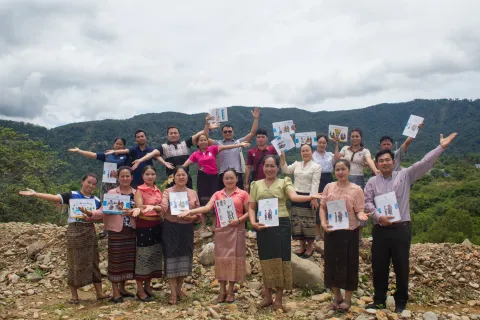
The Fix My Food (FMF) initiative is working to change this. Spearheaded by young people, the programme advocates for environments where healthy food options are accessible, affordable and appealing. Through youth-led research and community engagement, FMF empowers young people to rethink the systems that shape how food is produced, marketed, and consumed.
The initiative engages young people in a participatory research process to help them explore the hidden influences that shape their eating habits.
The research is built around seven key clues that the young people need to investigate, revealing how our environment affects the food we see, choose and consume, often times without us even realizing it:
- The Food You See – What’s visible is often what’s chosen. Whether these are snacks on your desk, advertisements online or products at the checkout counter, visibility has a strong impact on our cravings.
- The Food You Eat – This clue asks participants to reflect on what they consume daily:. Are meals balanced? Are their choices driven by health concerns, taste, convenience or habit?
- Accessibility of Food – Not everyone has equal access to healthy foods. This includes physical access, like distance to markets, and economic access, such as affordability.
- Food Frequency and Distance – How often and how far do you go for food? Are your patterns based on convenience or necessity? These factors shape eating behaviors over time.
- Sensory Experiences – The smell, taste, texture and look of food all affect how we feel about it. Being more mindful of these experiences can change the way we make food choices.
- Food Marketing – From digital ads to colorful packaging, marketing plays a major role in shaping what we think we want. Recognising these messages is key to making conscious decisions.
- Convenience Store Food – These stores are a major food source, especially for young people. The training explores what’s available there—and how those choices affect long-term health.

Fix My Food gave me the chance to really look at what I eat every day. We started taking photos of our meals, and it made me think more critically about what nutritious foods look like.
One of the biggest lessons for me was learning that some foods we call ‘junk’ aren’t inherently bad. Pizza, for example, is a traditional Italian dish. It can be made healthy with the right ingredients. That was a real eye-opener for me.

The FMF participatory research encourages participants to go beyond just noticing these clues. Through hands-on activities, photo journaling and reflection exercises, young participants of FMF learn to question the systems around them and imagine better food alternatives. Through this process, they begin to understand that their food choices are part of a bigger chain that is influenced by industry, policy, culture and access.
By the end of the participatory research, the young people have gained better insight into their own eating habits and the broader structures that shape their food environment. This awareness is the first step toward personal and collective action in reimagining a future where healthy food is a basic right for all.
A Call to Action for Everyone
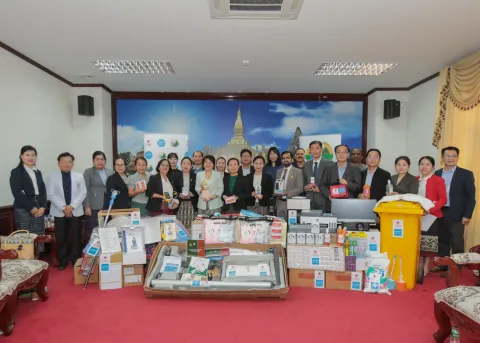
UNICEF, together with governments and community partners, is committed to helping reverse the growing trend of poor nutrition. Fix My Food is part of a broader effort to create policies that limit the marketing and sale of unhealthy food and drinks, especially those targeted at children.
We invite you, your friends and family to join the Fix My Food movement. Help us raise awareness, advocate for healthier food policies and make sure that every child in Laos and across the region has access to food that supports their health, happiness and potential.