

Adolescent kit for the development of resilience through expression and innovation
Promoting positive change, through art and innovation, in the lives of adolescents in difficult situations.
- Español
- English
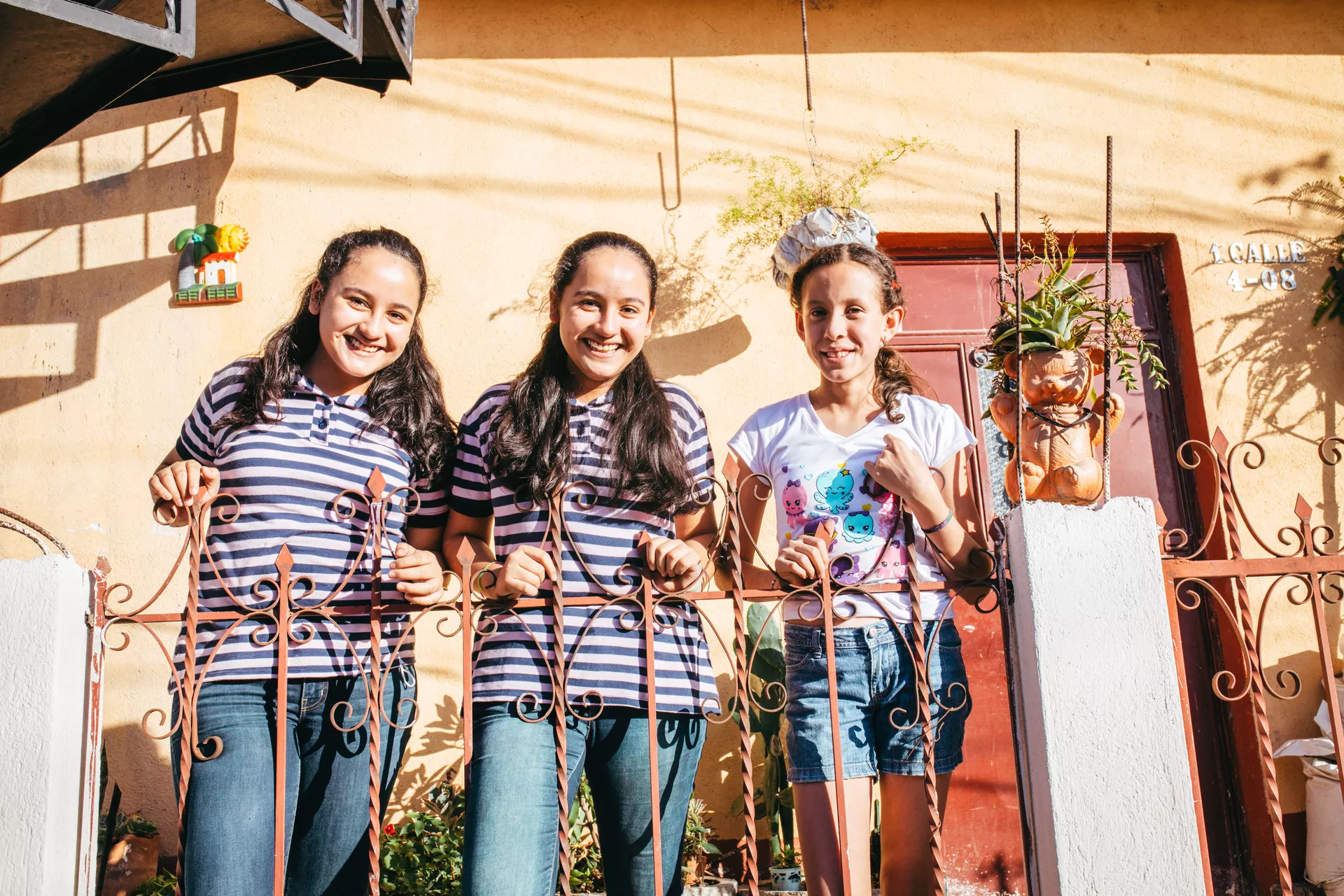
The Adolescent Kit for Expression and Innovation is a package of guidance, tools, activities and supplies to support adolescents ages 10-18 affected by humanitarian crises or living in vulnerable contexts.
The Kit aims to foster the resilience that adolescents often demonstrate in difficult situations. The Kit supports activities that build on adolescents' strengths and provides them opportunities to learn new skills, develop positive relationships, build self-esteem, and give back to their communities.
The Kit aims to promote positive change in the lives of adolescents in humanitarian situations and to develop skills that are relevant to their lives and circumstances.
What is the kit's approach?
The Kit promotes the Adolescent Circles approach. These circles bring together groups of girls and boys between the ages of 10 and 18 in a safe space on a regular basis to have fun, share experiences, learn and work together. Through the Adolescent Circles approach, adolescents develop key skills that can help them cope with stressful situations, build healthy relationships, and participate positively in their communities.
How to implement the kit?
The Adolescent Kit can be adapted according to the context in which it is applied. Supplies can make the activities and approaches in the Adolescent Kit more engaging and fun for young people. However, if the materials cannot be found locally, one option is to use creativity to build them with what is available. At the bottom of this page, in the Other Resources section, there is the supplies guide, printable templates, and video tutorials on how to make the supplies creatively.
Adolescent toolkit resources
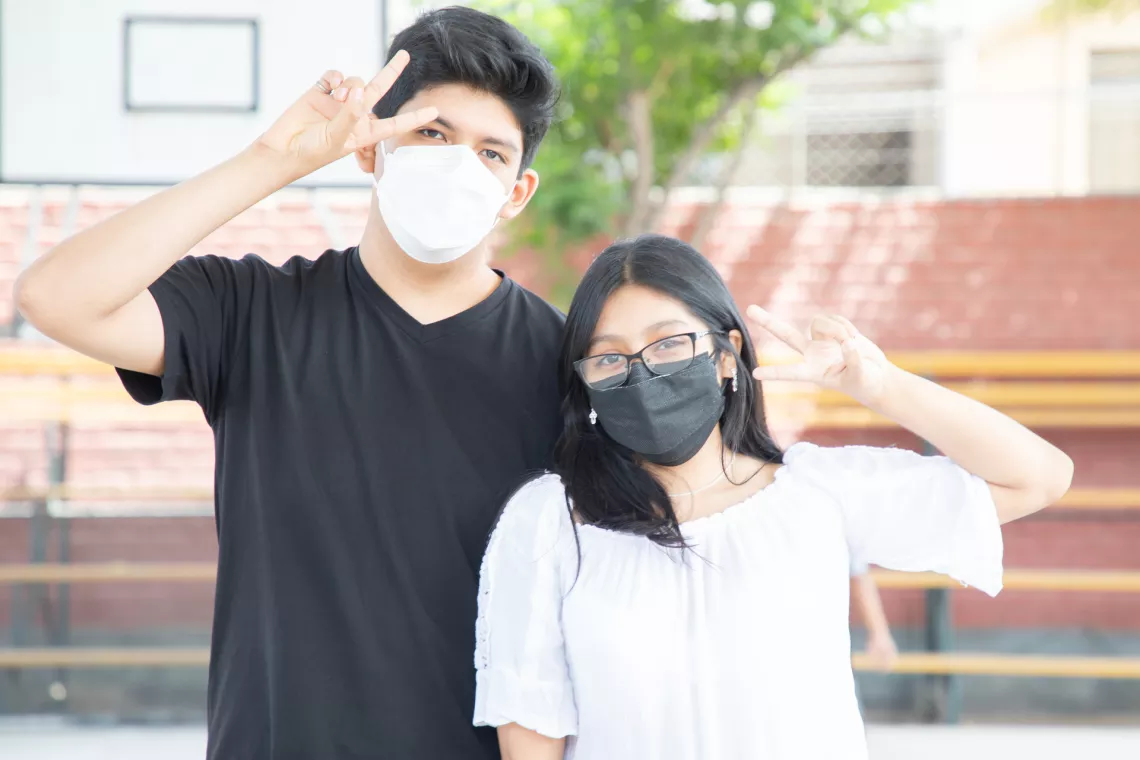
The Adolescent Kit has activities, tools and approaches designed with the help of experts and adolescents from around the world. These resources serve to enrich initiatives with adolescents and impact their lives in a positive way.
The Kit can be used and adapted for ongoing projects, or a new initiative or program can be created. The different resources contained in the Kit can be applied in different ways, depending on the context. It is possible to select the tools and activities that suit the needs of adolescents in each context and adjust them as you go along.
In the section below, we invite you to learn about the guides and tools needed to implement the Kit.
Before beginning the activities, it is important to understand what the Adolescent Kit offers, and what are the key principles and approaches that underpin it. The best way to gain that perspective is to access the Quick Guide and Foundation Guidance.
|
Quick guide |
Foundation guidance |
|
Overview of the Adolescent Kit with a quick look at the guides, tools, activities and supplies available to users |
The Foundation Guidance includes an explanation of the competencies and skills that guide the activities, key approaches to working with adolescents and technical guidance. |
Those responsible for designing, setting up or managing a program using the activities, tools and supplies in the Adolescent Toolkit should access the Programme Coordinator's Guide. The Guide outlines the basics of using the Toolkit's resources to reinforce the strength and effectiveness of programs that support adolescents' psychosocial well-being, learning and positive participation.
Δ Please refer to it along with the Foundation Guidance and the Facilitator's Guide for information and understanding on how to interact with adolescents and establish initiatives that meet their needs and interests.
|
Programme coordinators’ guidance |
|
Explains how to plan and supervise interventions. Includes where and when to offer activities, how to create a team of facilitators and manage supplies, and the best ways to involve adolescents and the community at all stages of the process. |
The time has come to plan and lead activities with and for adolescents. Facilitators are responsible for this role – anyone working directly with adolescents who organize and lead activities in safe spaces, schools, clubs, recreational programs or any other program or intervention. Below are a few useful elements for planning and facilitating sessions with adolescents.
Δ Facilitators using this guide should first review the Foundation Guidance, especially the Ten Key Skills and Ten Key Approaches. Also, the guide and tools included in the Programme Coordinators' Guide may in some cases serve as a reference for facilitators.
Δ Facilitators will be in permanent contact with the program coordinators, who will supervise and support the programs or interventions and provide them with appropriate support.
|
Facilitator's guide |
Supply guide |
|
Guide and tools for planning and leading activities to help adolescents develop and use skills, putting the 10 key approaches into action. |
Some of these tools include diagrams, examples, guides and other materials for use during activities. Also find information on the planning process and useful templates for structuring and writing your plans. |
The activity box includes valuable tools and resources to help facilitators work with adolescents. These resources range from detailed guidance for carrying out activities to quick and easy ideas to motivating participants.
|
Activity guide |
Energizer cards |
Inspiration cards |
Portable cards |
|
Step-by-step guides of activities that can be adapted to the interests, needs and developmental level of adolescents. |
Cards with instructions for short, fun or relaxed activities to conduct with adolescents. |
Inspirational ideas for quick activities to keep adolescents motivated and interested. |
A portable alternative to energizing and inspirational cards, in a format suitable for printing. |
| Circle building | Circle of twins | Circle building | |
| Connecting | Contour drawing | Connecting | |
| Knowing ourselves | Dancing on paper | Knowing ourselves | |
| Taking action | Follow my lead | Taking action | |
| From shortest to tallest | |||
| Group statues | |||
| Juggling ball game | |||
| Memorize my moves | |||
| Relaxation response | |||
| The Dao of drawing | |||
| Volleyballoon | |||
| Weaving our web | |||
| Who is the leader? | |||
| Zip zap zop | |||
| Guess who I am | |||
| My string partner | |||
| Strange animals | |||
| Tall stories | |||
| Three truths and a lie |
|
Supply guide |
Replicate the supply kit |
Training package |
|
Guide and tools for managing, storing and replacing supplies and materials for activities with adolescents. |
It is possible to replicate the Supply Kit using the templates below and printing them locally. The video tutorials explain how to assemble them. |
A training package designed to prepare program coordinators and facilitators to use the kit's resources. |
| Large carrier | ||
| Large pod | ||
| Small pod | ||
| Emotion cube with expression-1 | ||
| Emoticion cube with expression-2 | ||
| Blank cube with listed sides in Braille | ||
| Tablet case |