

Humanitarian response
UNICEF works to protect and assist children during emergencies providing life-saving supplies, psychological support and access to safe schools
The challenge
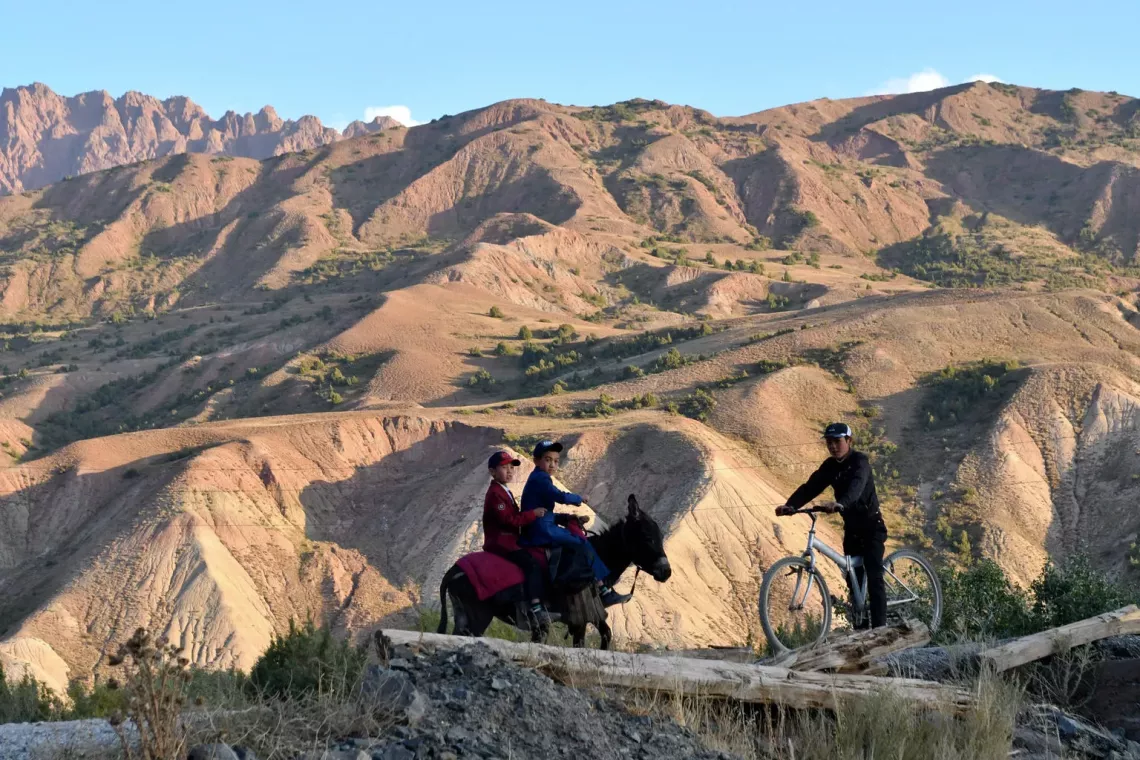
Kyrgyzstan is one of the most climate-vulnerable and disaster-prone countries in the region. Mudslides and seasonal flooding frequently occur, resulting in significant human and financial losses. Between 2015 and 2020, there were 412 different natural disasters.. Droughts are becoming more frequent.
Most parts of Kyrgyzstan are at risk of high-magnitude earthquakes. The country is classified as the most seismically dangerous territory in Central Asia, with an average of 300 earthquakes registered annually.
The situation in the Fergana Valley remains fragile. The presence of different ethnic groups, high population density, unemployment, labour migration and cross-border tensions with neighbouring countries over water and land are all critical risks that must inform future programming and emergency preparedness.
The 2022 cross-border conflict between Kyrgyzstan and Tajikistan demonstrated how these existing tensions can quickly escalate into violent conflict, with human casualties and a humanitarian crisis.
Like nearly 7 million residents in the country, 1.5 million children face heightened vulnerability due to various risks. These challenges arise from factors such as poorly enforced safety regulations, inadequate preparedness, and limited access to essential technology.
The solution
Unfortunately, it is hard to completely avoid or prevent man-made or natural disasters. However, being prepared helps to mitigate these risks, minimize consequences, and reduce casualties.
Over the past 30 years, UNICEF has been one of Kyrgyzstan’s leading partners in responding to and preparing for emergencies, both natural and man-made.
We focus on building the preparedness and resilience of children, young people and communities in coordination with the government and civil society. These interventions include training relevant personnel, procurement of essential emergency supplies, and enhancing relevant policies.
In view of the high-risk of natural disasters, especially earthquakes, UNICEF continues to work with Red Crescent Society of Kyrgyzstan to enhance the disaster preparedness of schools. Together we trained nearly 1 million school children on responding to emergency situations. This work included simulation drills at almost 2,000 schools across the country.
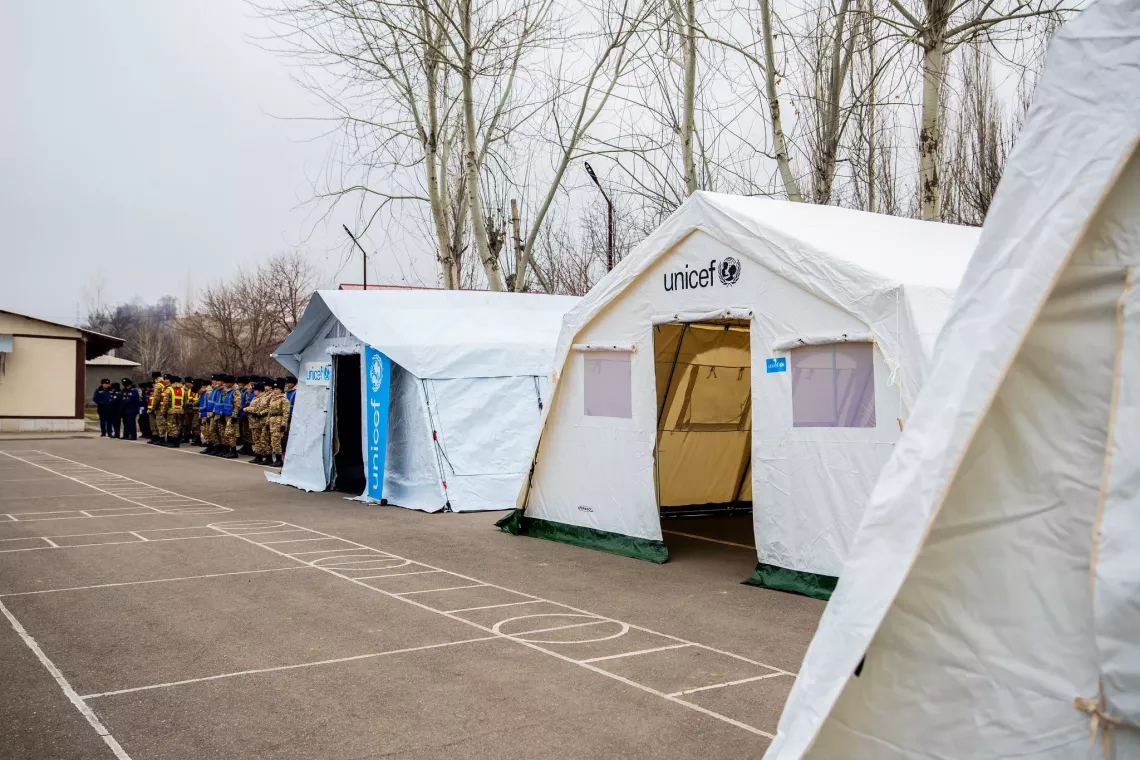
A total of 27,013 school administration staff developed their emergency knowledge and skills through training on disaster risk reduction (DRR) preparation and adaptation to climate change, and first aid. They received first-hand information about DRR, and how to handle emergency situations and build resilience to local disaster hazards.
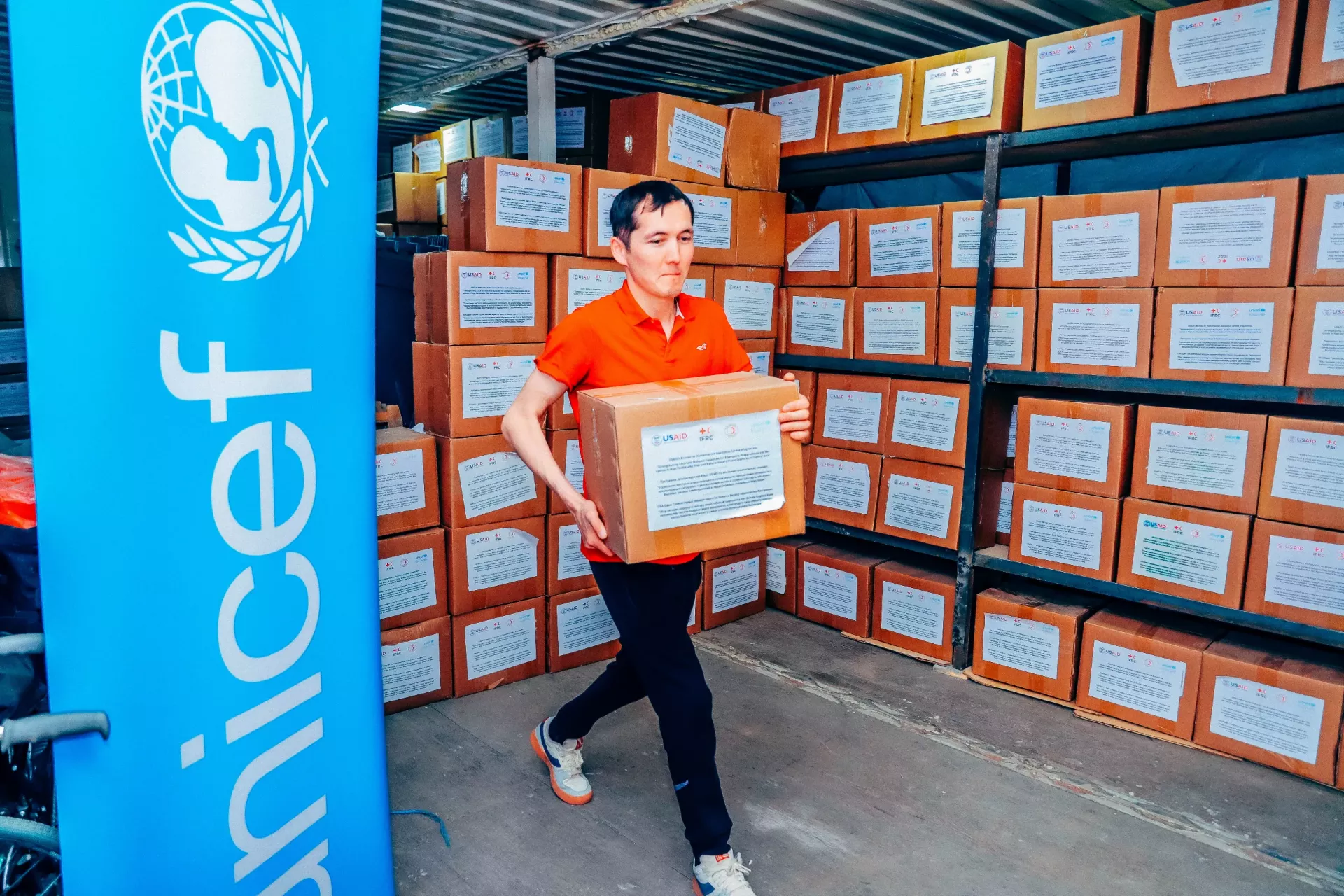
In terms of humanitarian assistance, UNICEF contributes to the response to all major crises by providing necessary supplies. For instance, in 2024, almost 4500 people affected by flooding and mudslides received special hygiene kits that include soap, nappies, detergent and other items. These supplies help to cover the immediate needs of children and their families and ensure their health and safety.