Youth of Kazakhstan Offer Innovative Solutions to Environmental Problems
From February 24–25 in Karaganda and March 2-3 in Almaty, UNICEF and the Social-Ecological Fund held environmental hackathons (‘ecothons’).
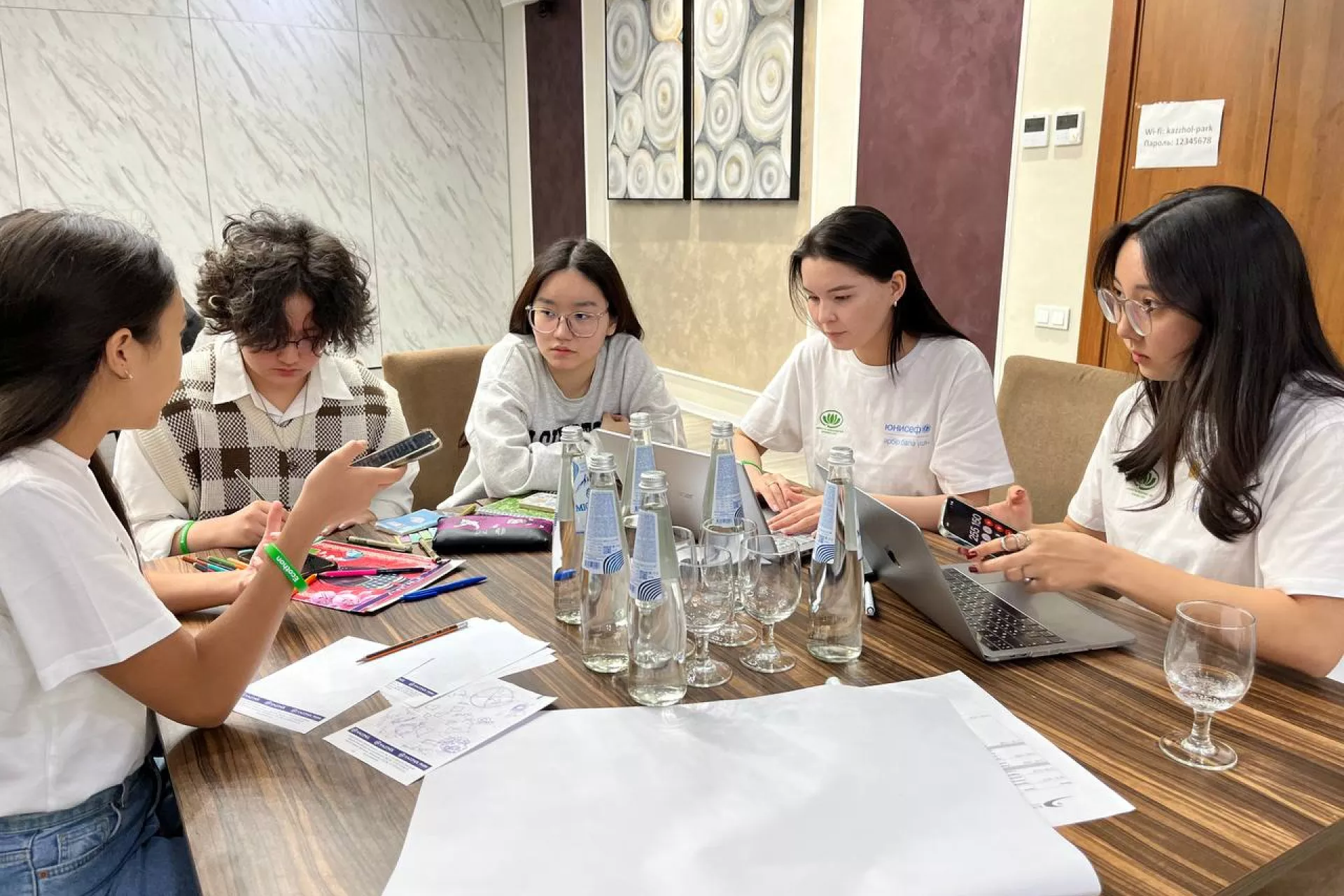
‘Ecothon’ participants included children and youth from Karaganda, Temirtau, and Almaty interested in improving their cities by contributing to climate change, environmental protection, and eco-friendly lifestyle efforts.
During the ecothons, experts on climate change, pollution, and ecology shared their knowledge with participants and discussed the importance of developing innovative solutions to environmental problems. The experts mentored and supported ecothon participants in developing and presenting innovative eco-solutions to the jury.
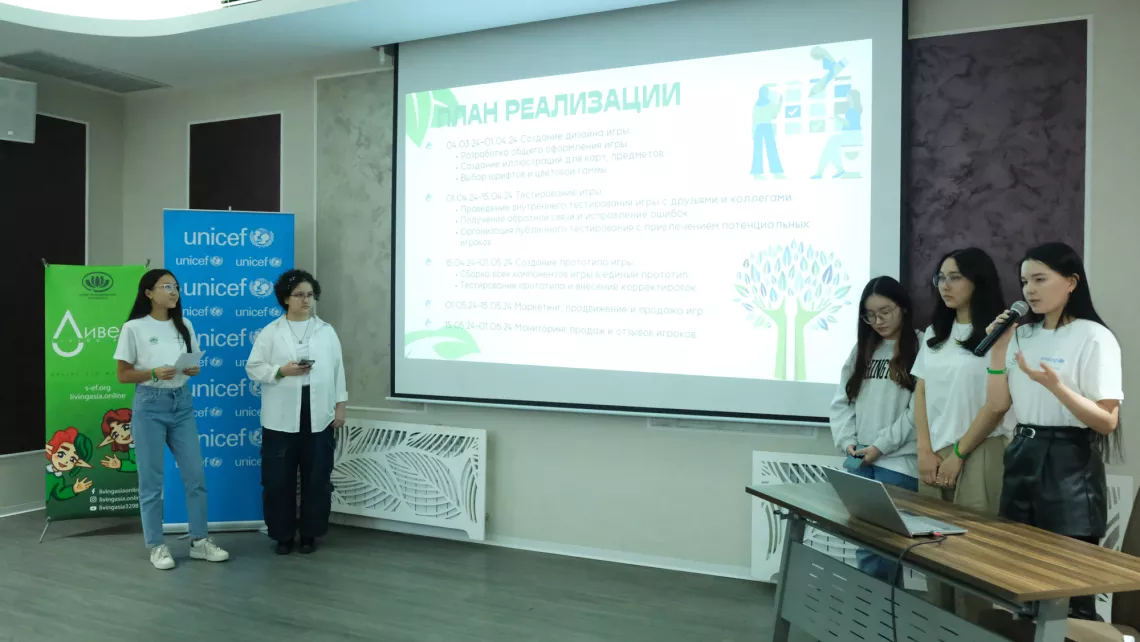
During the ecothons, participants were divided into 12 teams. Working together, participants developed innovative startups providing environmental pollution and climate change solutions to real environmental problems in Kazakhstan and, specifically, problems affecting their local communities. Based on ecothon results, participants will receive financial, consulting, and organizational support from the Social-Ecological Fund and UNICEF to implement and scale their startups.
The Social-Ecological Fund, ECOCENTER, and UNICEF in Kazakhstan organized these ecothons as part of the ‘Healthy Environment for Healthy Children’ programme.
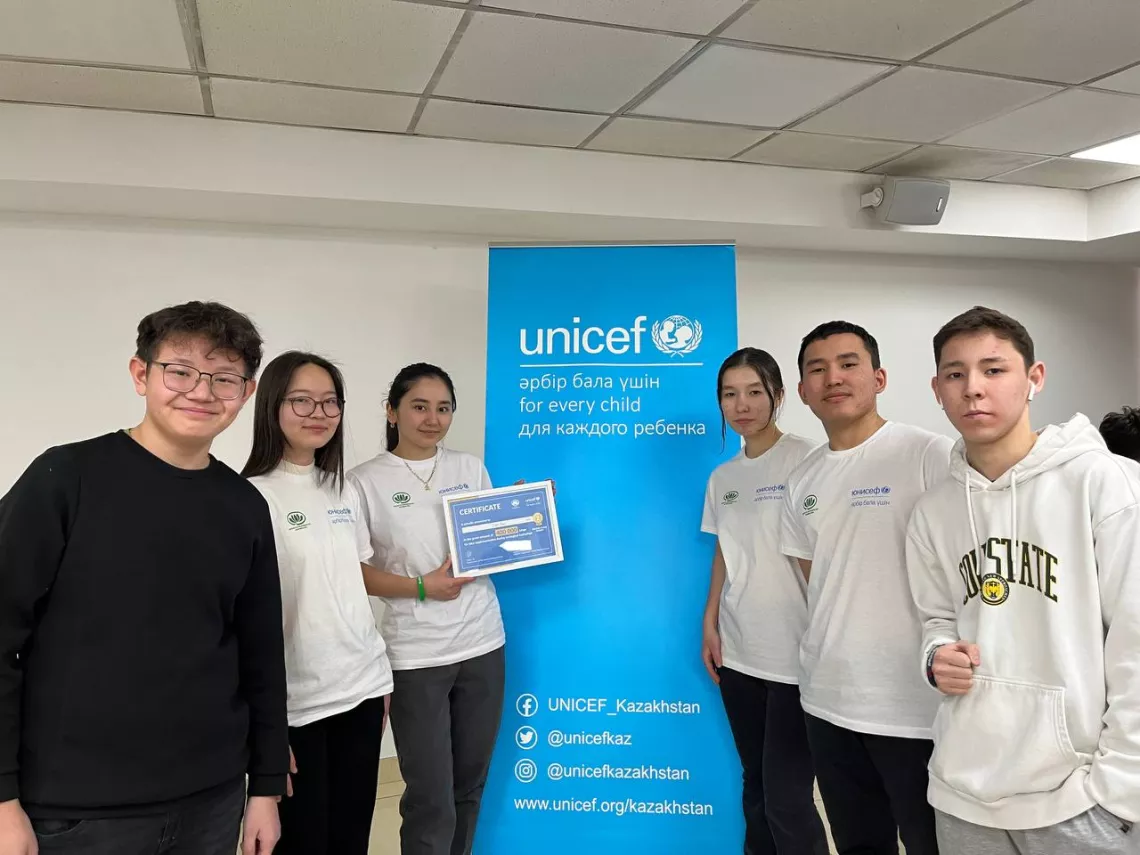
You can also support these teams by contacting via email Abira Kuandyk - UNICEF Volunteer Programme Coordinator [email protected], or Anna Stativkina - UNICEF Climate Change Programme Officer [email protected].
A brief description of all the startups can be found below.
Teams in Karaganda and Temirtau:
Team Name: Spirit
Based on a study identifying Karaganda’s districts with the most plastic pollution, the participants created Kazakhstan’s first domestic reverse vending machine (an automatic machine for accepting plastic bottles and tin cans). This machine aims to address problems associated with the city’s low level of recyclable garbage collection and increase the population’s environmental literacy.
Team Name: DáriBer
The participants found out that many Kazakhs dispose of expired medicines by pouring them into sewers or throwing them away with general waste, which can lead to water and soil contamination, poisoning, and antibiotic resistance. The team's solution aims to prevent environmental pollution by installing containers to collect expired medicines near busy pharmacies in Karaganda.
Team Name: Eco-patrols
These participants were concerned that Kazakhstan is a "water-dependent" country because only 2.6 per cent of the country's territory is covered with water. In addition, residents are not yet accustomed to preventing drinking water waste. This team proposed watering schoolyard plants with rain and snow-melt water collected in special tanks. This would reduce drinking water consumption.
Team Name: Grennovate
This team developed an interactive ‘Eco-Monopoly’ game aimed at promoting environmental literacy and eco-responsibility among the population. The board game also aims to encourage children and adults to jointly learn ecological–lifestyle principles.
Team Name: Aruaq
This team’s project aimed at combating environmental indifference and high single-use plastic levels among Karaganda residents by launching an intensive challenge for students in four schools. Using both social media and in-person activities, these challenges aim to raise students’ interest in and awareness of environmental issues through an eco-marathon and eco-challenges.
Team Name: Eco Generation
This team addressed the importance of instilling ecological thinking in children from an early age by teaching them how to properly handle and sort household waste through various trainings, workshops, and ‘darmarkas’ (platform for the free exchange of things). They also proposed creating eco-shoppers and exchanging them for plastic bags in Karaganda.
Teams in Almaty:
Team Name: Ficus
This team proposed creating micro-reserves in Almaty’s schools in response to the city’s loss of biodiversity and lack of green spaces, often leading to increased air pollution and limited hands-on ecological educational opportunities.
Team Name: Taza Oylar
This team aims to reduce the amount of waste produced by one school in Almaty by installing paper and plastic recycling bins as well as engaging and educating school children about the importance of recycling.
Project Name: EcoGuardians
These team members are calling for a reduction in the consumption of natural resources to allow our planet to better replenish itself for future generations. This team’s project aims to increase eco-responsibility among the younger generation who will be tasked with protecting nature and improving the environment. Participants propose instilling these skills in the younger generation by creating a game.
Team Name: FloraFuture
The team proposes creating an online platform where one can earn points through recycling and other environmental achievements. The team proposes that this social platform will encourage community members to share their experiences and ideas and eventually create an environmental movement to raise public awareness. The community members will benefit from the mutual motivation to live in an eco-friendly way.
Team name: Japýraq
This team was concerned about the harmful impact Almay’s poor air quality is having on children’s health. They proposed creating a training kit allowing students to assemble sensors to regularly measure air quality, which also promotes a STEAM-based approach to education.
Team Name: Team At Once
This team proposed creating a website called ‘WeCycle’ to raise awareness about the environmental efforts already taking place in their city. ‘WeCycle’ would be used to promote and support local environmental initiatives and stores that sell eco-friendly products.