When Water Runs Dry, so do Opportunities for Al-Diwaniyah’s Children and Young People
In Al-Diwaniyah, water scarcity is shrinking livelihoods and opportunities. Young people and community members are calling for reliable services, skills, jobs and partnerships that turn their ideas into lasting change

- English
- العربية
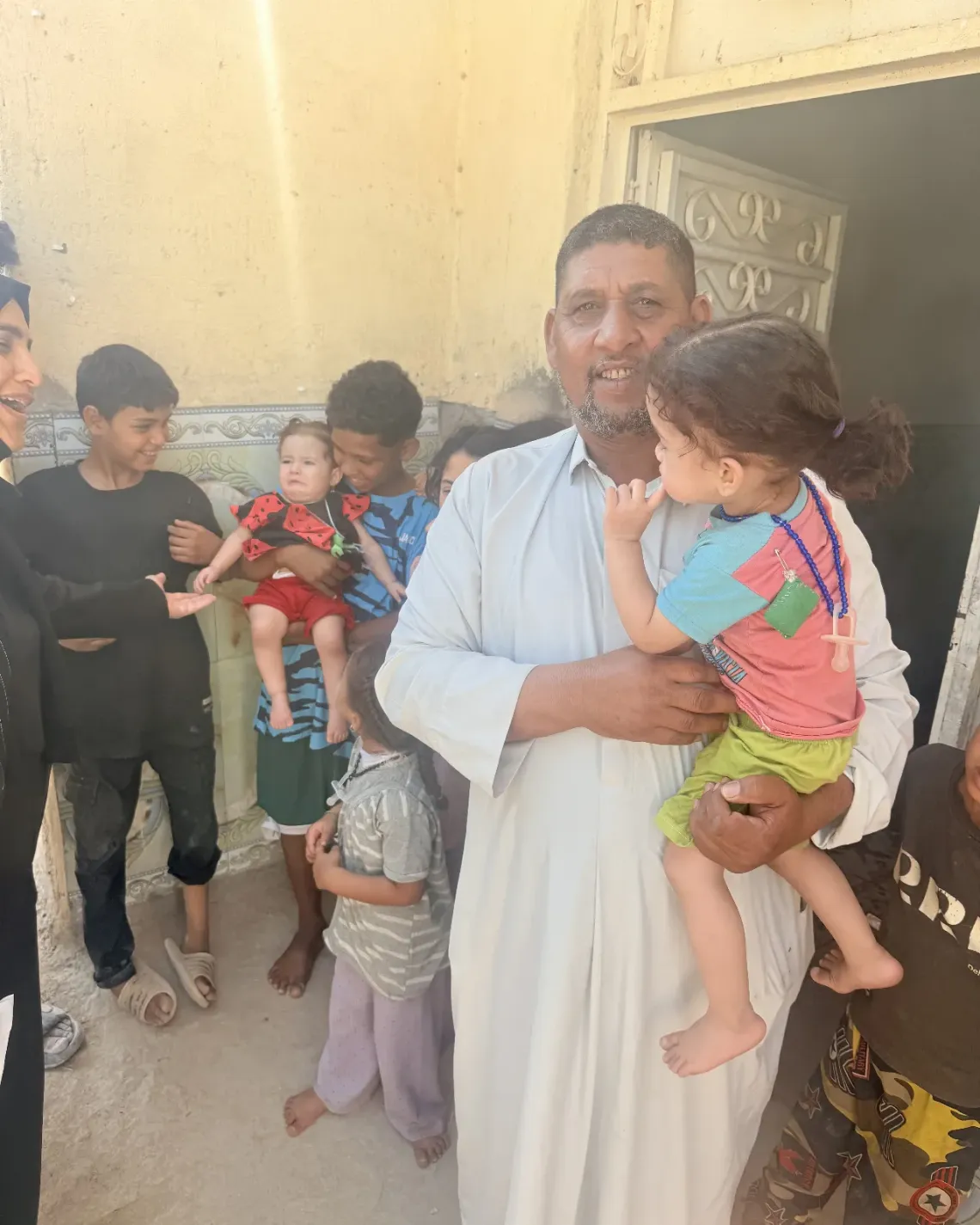
For five days, Abed Jassim’s taps had run dry. In his village in Al-Diwaniyah, water may reach homes near the main road once every six days, while families farther away can wait a month. Abed heads a household of 12 people, including his six children.
For them, every empty tap means more than thirst: children’s health and wellbeing are at risk, crops cannot grow, and another day passes without reliable work or income. Abed’s experience shows how water scarcity is closing opportunities for an entire generation.
“The houses in front receive water once every six days, and sometimes it does not come at all. Those at the end of the road may receive water only once a month,” Abed says. “There is no water, no farming, no work, no steady income, nothing.”
Each day without water leaves Abed weighing how to meet his family’s basic needs and earn enough to support them. He once worked in brick factories in Nahrawan, but production stopped because it depended on water. Farming has also become harder, narrowing the choices available to young people in a governorate where agriculture remains central to the economy.
Young people want opportunity, not only promises
For Noor Al-Zahraa, 19, ambition must be matched with a clear route from learning to work. Speaking for girls and young people across Al-Diwaniyah, she says young women need better information about private-sector jobs.
“As young people are increasingly directed towards the private sector, we need spaces where young women can learn about the opportunities available to them,”

Ali Raed Abdul Mahdi, 21, connects the search for work with the environment. He says desertification, water scarcity, soil degradation and air pollution affect daily life and make it harder to start businesses and create jobs. Yet he refuses to define his generation only by these challenges.
“We took action,” Ali says. He adds that advocacy by Al-Diwaniyah’s young people helped the governorate rank first in volunteer work in 2025. Much of this work promoted environmental awareness. Ali and other volunteers now want support to expand their ideas into projects that protect natural resources and create jobs.

Connecting local ideas with investment
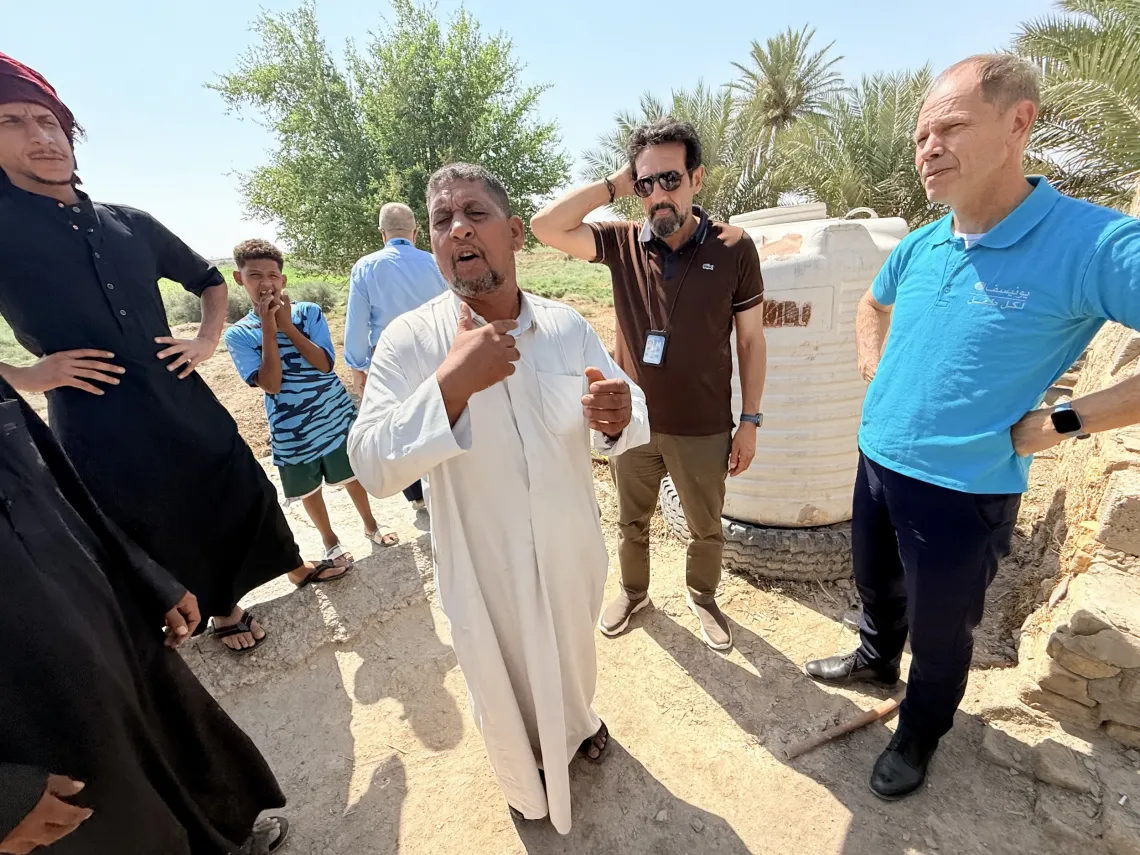
Volunteers cannot fix water pipes or reach faraway villages on their own. Engineer Eng. Ayad Al-Mayali, Director of Diwaniyah Water, says the service cannot yet reach everyone. “We have remote areas that we cannot reach,” he says. “Remote villages in most districts still lack access, and we are ready to cooperate with government, private-sector and development partners.” For families such as Abed’s, that cooperation must bring safe, reliable water—not repeated short-term help.
Residents are asking for stronger water systems, pipes that reach underserved villages, better water use on farms and support for local businesses. They also want training, guidance and funding for young people, as well as a real say in programmes designed for them.

Meeting these needs will take more than one project. In talks between the Governor, local government departments and UNICEF, leaders considered what families need now and what children need to grow up healthy, safe and hopeful.

Christian Skoog, UNICEF Representative in Iraq, said the conversations looked at both the problems and the possibilities. “We discussed the different challenges, but also the opportunities, the hardworking and educated people of Al-Diwaniya, and the need for outside support.”
In Al-Diwaniyah, poverty, water shortages and fewer farming jobs can harm children’s health, interrupt their learning and limit their choices. Better services and stable family incomes are vital to their future.
Christian added: “When water runs dry, children’s futures are put at risk. Water represents opportunity and hope for Al-Diwaniyah’s children and youth population.”
The way forward is clear: families like Abed’s need water, young women like Noor need real chances to find work, and young leaders like Ali need support to put their ideas into practice. Government, businesses and development partners must act now. They must build dependable water systems, help young people find jobs and support projects led by young people. Al-Diwaniyah’s children cannot wait. Promises must become funding and action so every child can have safe water, learn and look forward to a better future.