Supporting a parent's dream of seeing their children excel in life
A UNICEF pilot project shows potential to expand across Iraq to help families overcome financial barriers in keeping their children in school.
- English
- العربية
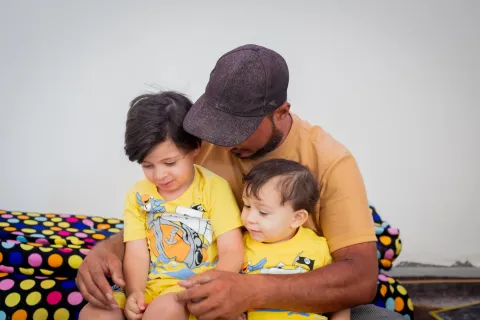
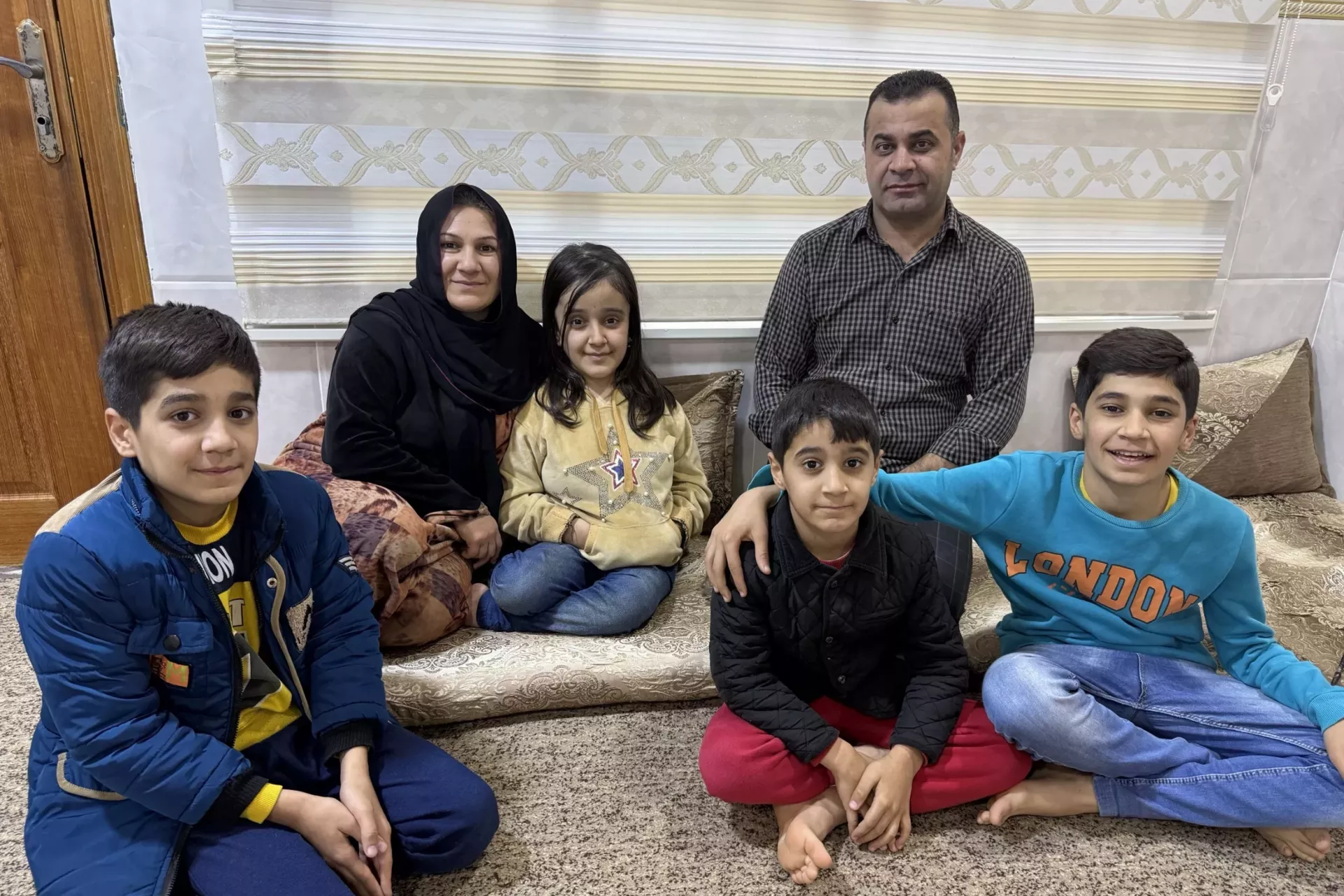
Jehad Fathel and Harewan Ismail have dedicated their lives to providing for their four children. Three of them attend school. Their 13-year-old daughter, Duaa, has cerebral palsy and is not enrolled in school. The couple cannot afford the specialised assistive services that Duaa requires to attend school in the same way as their other children, Zaid, Sahand, and Aram do.
Nonetheless, Jehad and Harewan are determined to ensure that all their children receive an education and the opportunities to succeed in life.
Jehad and Harewan's challenges are not unique. Families in the remote mountains of Duhok Governorate confront difficulties that trap them in a cycle of poverty and hardship across generations, making it challenging to afford basic needs, including education for children.
Hope for Jehad’s family came as the new Integrated Child Benefit pilot project from UNICEF. It focuses on delivering needed social protection services to the most vulnerable families, particularly children. This pilot is implemented in partnership with the Kurdistan Regional Government with financial support from the European Union. This project collaborates with the International Labour Organisation and the World Food Programme to enhance social protection systems.

The pilot project connects families enrolled in Iraq’s Social Safety Net to critical services, assisting them with the educational expenses of children moving from primary to lower secondary school. Each child receives a quarterly cash benefit of 90,000 IQD (around US$69) to help with child-rearing costs. Additionally, the project helps identify social challenges that families encounter and connects them with appropriate services. It also fosters community-based social behaviour change sessions.
Jehad’s family is one of 1,483 families who have benefitted from this pilot project in Dohuk.
This initiative has rejuvenated the hopes of the youngest son, Zaid. He can now pursue his education at a public school, which had previously felt unattainable because of transportation, books, and stationery costs.“This is a wonderful initiative and a promising start. As a father, I want to give the best education possible to all my children. But the expenses are very high,” Jehad shares. “Knowing that my youngest son can continue his schooling brings us joy. This project encourages families like mine to remain hopeful and support our children’s education dreams.”
The project has supported 1,600 children in continuing their education, and this number will only rise. The ability to pay also means parents no longer need to make difficult choices about prioritising the needs of one child over another.
Jehad is now optimistic and hopes to one day provide Duaa with the assistive care and services she needs in order to attend school. “I hope this project grows so even children with special needs can pursue their education uninterrupted,” says Jehad. “I hope to see Duaa overcome her challenges and live a meaningful life.”
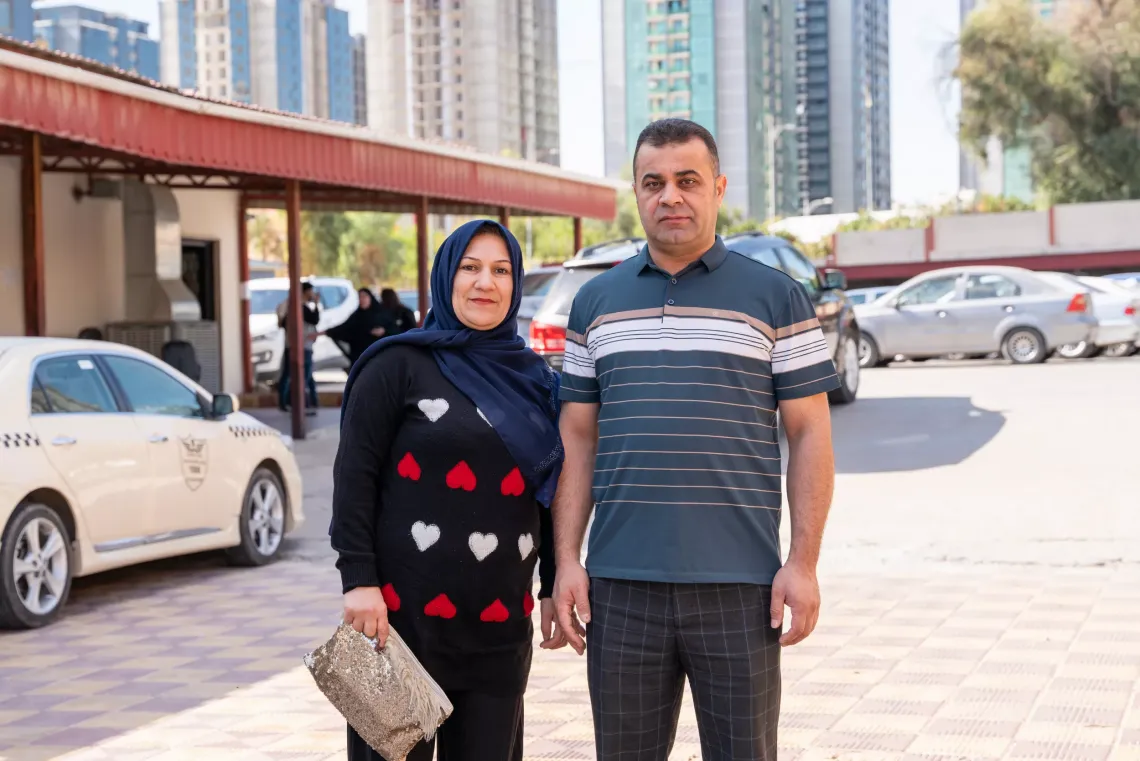
Highlighting the importance of the pilot project, Dr. Sherzad Hameed Hassan, Director General of the Directorate of Labour and Social Affairs in Duhok, says, “The pilot project is advancing the Government of Iraq’s vision to assist vulnerable families and improve educational outcomes.
Together, we are empowering families to invest in their children’s futures,” he states.
The project is proving to be a game-changer for families in dire financial need to support the immediate and long-term needs of their children. Further expanding and integrating the project with the national Social Safety Net can help create a comprehensive child benefit programme that addresses the needs of children in Iraq.