Rebuilding hope: UNICEF's lifeline to Iran's flood-stricken communities
UNICEF supports flood-affected children and their families in Sistan and Baluchestan, including the provision of the hygiene kits, prefabricated latrines and showers, laboratory equipment, and water disinfection devices.
- فارسي، فارسي
- English
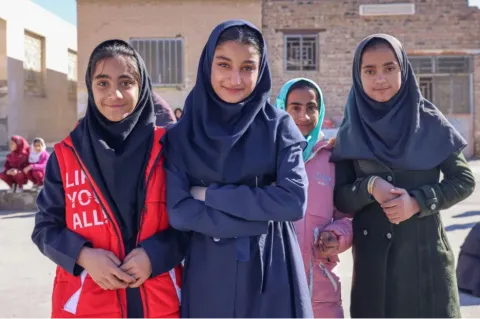
“I am entering the 12th grade this year at school. When a flood occurs, our route to school gets blocked. I also have trouble with transportation; I must go to another school in another village because we do not have a high school here.” These are the serious challenges that 17-year-old Shirin faces in her daily life in the southeastern Sistan and Baluchestan Province, Iran. In early 2024, her region, Dashtiyary in Chabahar County, was devastated by severe floods.
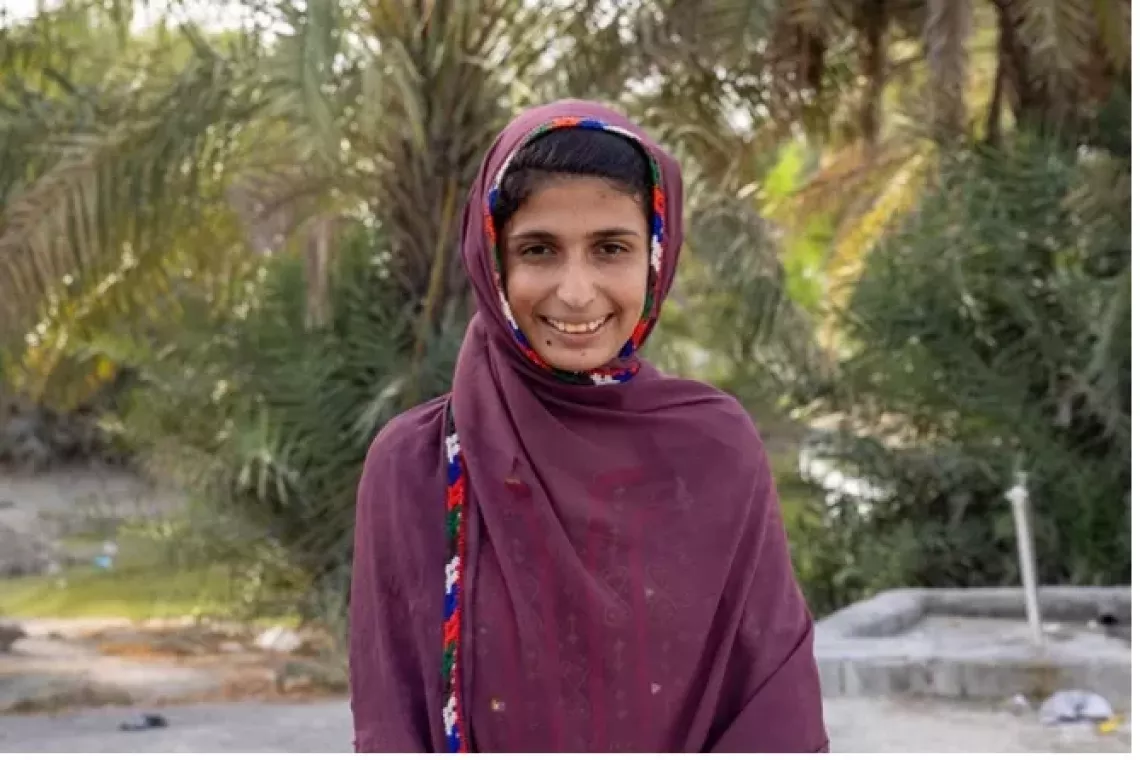
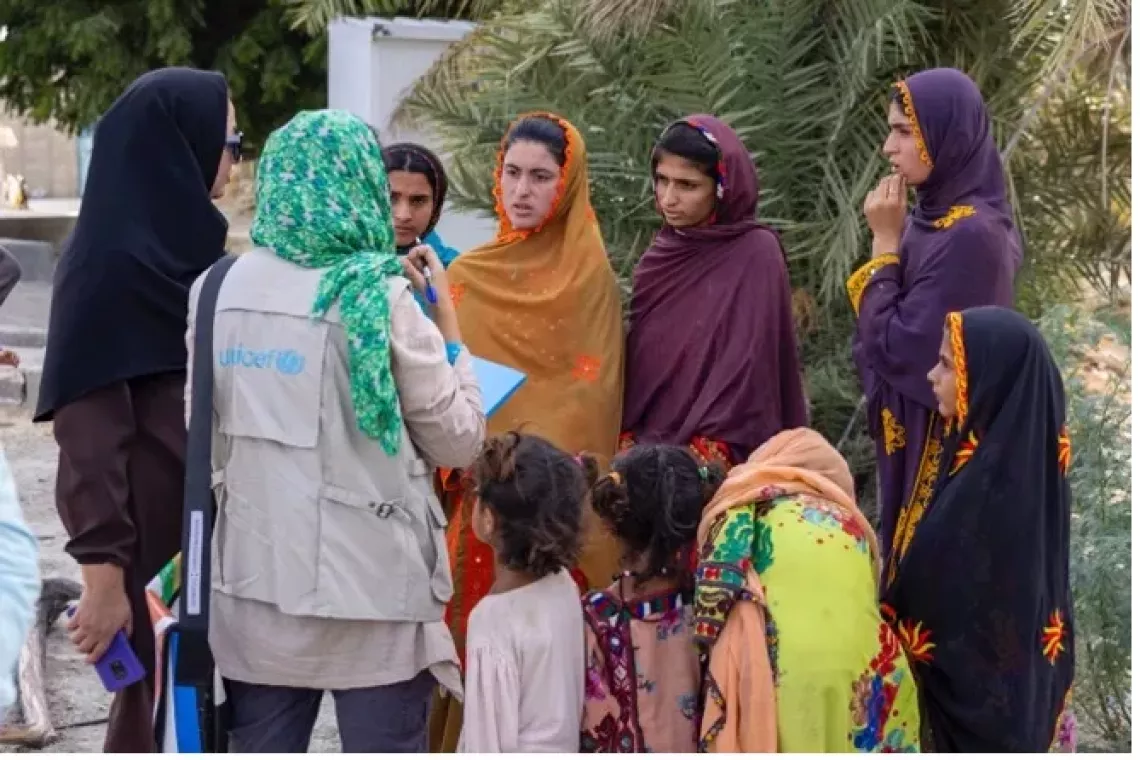
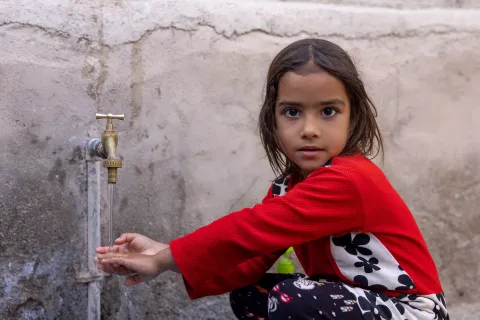
Following the devastating floods, Shirin and her family faced critical risks related to health and sanitation. “We don’t have enough access to clean water. The tap water is often cut off, and there are issues with sanitation. When it floods, children in the village get sick. This year, a disease spread, which we call ‘itching.’ Children developed itchy rashes on their hands,” Shirin shares. Her account highlights the urgent need for improved water and sanitation systems in flood-affected areas, where limited access to clean water and poor sanitation exacerbate health risks, particularly for children.
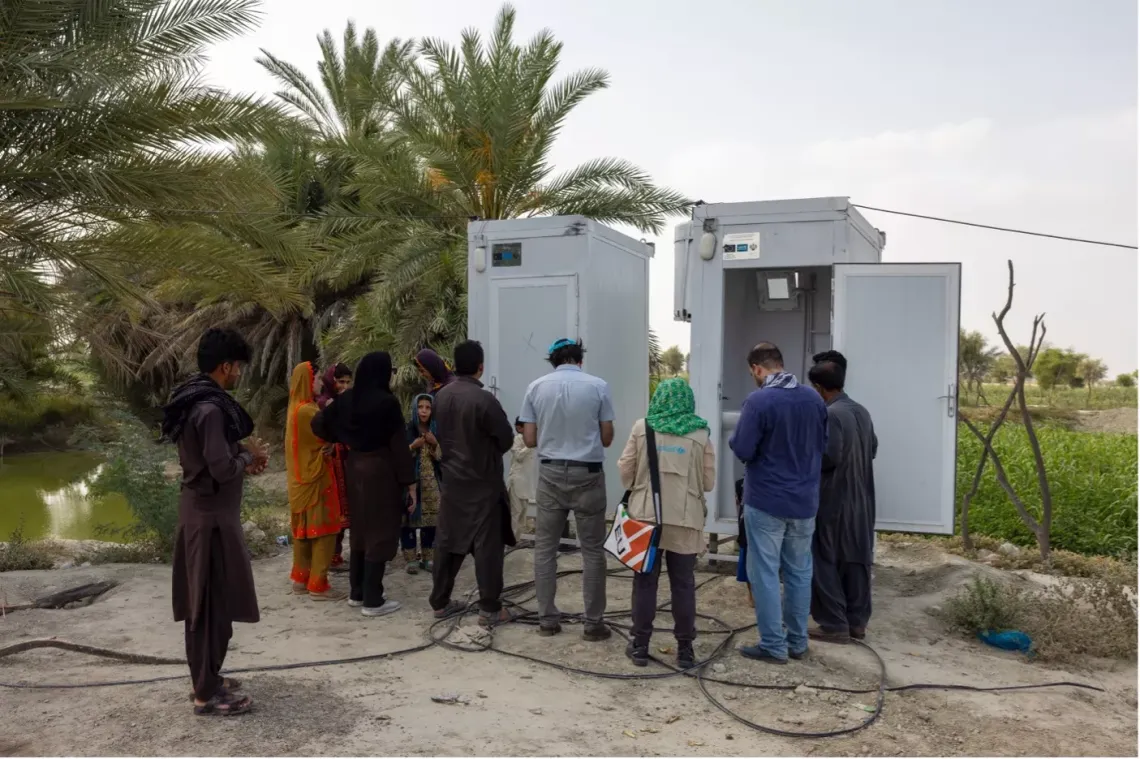
UNICEF’ responded swiftly to the humanitarian crisis in the aftermath of the floods. “In the first phase, we distributed 2,900 essential hygiene kits, including 2,000 household kits, 300 baby kits, 500 menstrual hygiene management (MHM) kits, and 100 incontinence kits to prevent disease outbreaks and support children's well-being,” explains Siavash Oveisi Arian, a UNICEF volunteer officer for water, sanitation and hygiene. “We also delivered prefabricated latrines and showers to improve hygiene for those affected.”
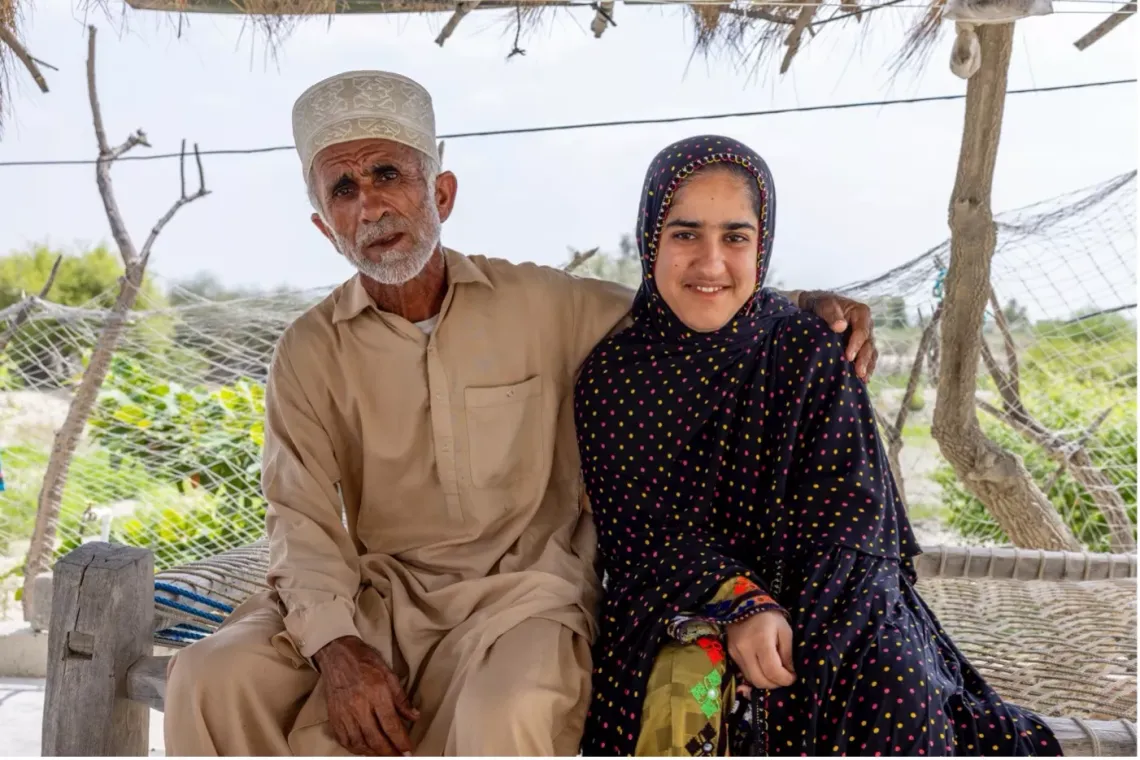
Access to clean and safe water has long been a challenge in the region, even before the floods. Nineteen-year-old Mehrnesa recalls how her family frequently fell ill from drinking contaminated water. “The water quality was not good at all… we, my sisters and brother, used to get sick very often,” she says. Recognising the urgent need to address this hazard, UNICEF in collaboration with the Ministry of Health and Medical Education (MoHME) and the Ministry of Energy (MoE), initiated a comprehensive programme to improve access to safe water. This initiative aims to reduce waterborne illnesses, protect vulnerable families like Mehrnesa's, and build resilience in the region’s communities, ensuring sustainable access to clean and safe water.
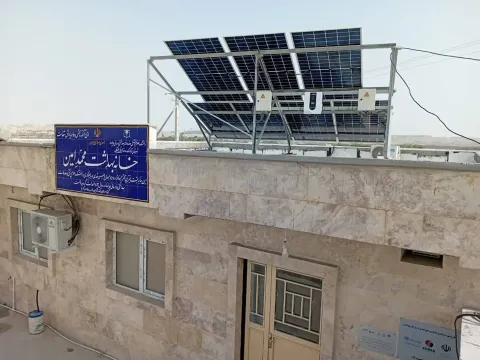
UNICEF’s response to the water crisis included critical support for water safety testing and purification efforts. “Forty water disinfection devices have been procured and distributed. These devices, which operate on solar energy, provide drinking water for approximately 200,000 people,” explains Siyavash, “in addition, water quality testing laboratory equipment was distributed across the province.”
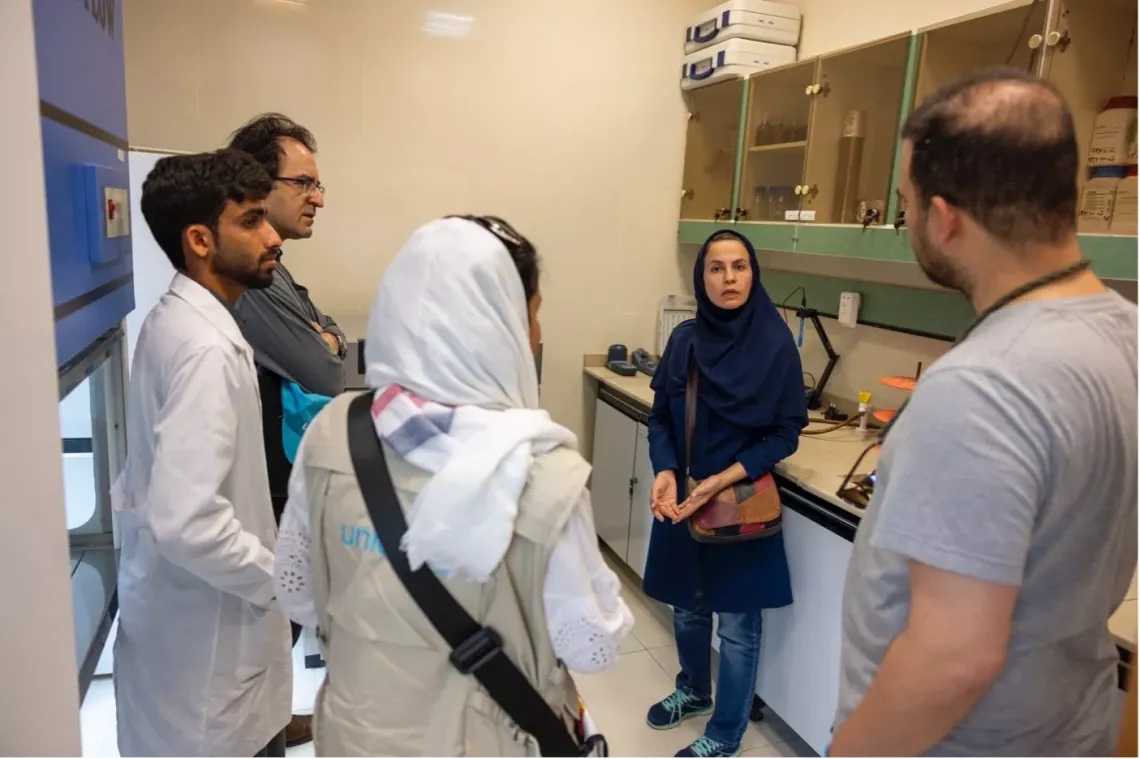
The laboratory equipment provided by UNICEF plays a crucial role in ensuring water safety for a large population in Sistan and Baluchestan province. Ms Fatemeh Fadaee, Water and Wastewater Quality Control Manager of Chabahar County, explains, “We assess the water quality in the cities and villages of Chabahar, Dashtiari, Konarak, Zarabad, Ghasreghand, and Nikshar, with a population of one million people, to ensure the safety and quality of the water.”
This enhanced capacity for water quality testing helps protect the health of communities across the province, reducing the risk of waterborne diseases and improving resilience against future public health challenges.
UNICEF’s support to the flood-affected children and their families in Sistan and Baluchestan, including the provision of the hygiene kits, prefabricated latrines and showers, laboratory equipment, and water disinfection devices, was made possible through generous financial aid from EU Humanitarian Aid.