Parenting through conflict: A family’s story from Tehran
How a family helped their daughters cope with fear during days of uncertainty.

- فارسي، فارسي
- English
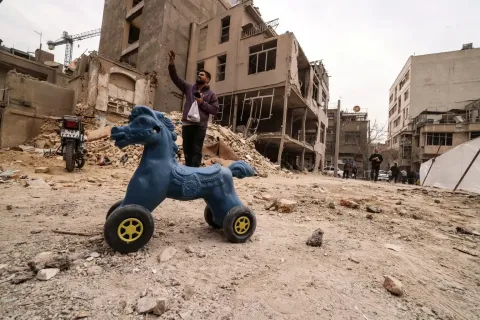
TEHRAN, Islamic Republic of Iran – On early morning of Friday 13th June, the silence was broken by the sound of explosion an intense military escalation happened and strikes on Iran and Israel hit residential areas, killing and injuring civilians, including children, and causing damage to civilian infrastructure.
Mohammad Hasan Ebrahimi, who works with UNICEF as an ancillary staff, and his wife instinctively knew something had changed. “We immediately realized that something serious was happening,” says the 44-year-old father from Tehran. “Fortunately, our daughters were still asleep. They didn’t hear the noises — at least not at first.”
But as news of open conflict began to spread, the morning quickly gave way to anxious questions from Sareh, 12, and her younger sister Hosna, just two and a half years old. For families like the Ebrahimi’s, it meant navigating fear, uncertainty, and a sudden break from normal life — all while trying to protect their children’s emotional well-being.
Sareh was the first to ask: “Father, what happened?” Mohammad Hasan and his wife decided to explain the unfolding situation as clearly and calmly as they could. “An attack happened early in the morning,” he told her. “It may continue, and we should be ready and stay together.”
Hosna, though too young to understand, closely mirrored her sister’s emotions. “Since she imitates the emotions of her sister and they are very close to one another, we focused more on managing the stress of Sareh, so that the youngest could stay calm too,” he explains.
Supporting children through honest conversations
As the days progressed and air raid sirens became more frequent, the family focused on creating a safe emotional space. They were open to Sareh asking questions: Why do countries go to war? Will it come to our home? What will happen next? “We answered everything as clearly and calmly as we could,” says Mohammad Hasan.
“We told her that these are the realities of our world and sometimes it happens between countries, and we cannot control it. We need to stay calm and take distance from the places where these things are happening,” he adds. “I did not let any question remain unanswered and showed as much support, safety and care as I could.”
Sounds of war and safety at home
As the days passed, the conflict grew louder and more intense.
“During the next days the noises became louder and stronger. We could feel the war jets flying above and massive explosions could be heard every hour,” Mohammad Hasan recalls. At night, the family could see flashes of light through the windows and hear military aircraft overhead. “We asked Sareh not to stand by the window and reassured her how air defense systems work,” he says. “We didn’t hide the truth, but we wrapped it in care.”
even in the middle of an anxious and scary situation, there are ways to stay alive and keep your children happy – just by being together
Protecting routines, creating moments of joy
To help their children feel safe and grounded – and to keep a sense of normalcy – the family focused on keeping a daily routine.
“The first and most important thing we did was talk and have conversations with our children,” Mohammad Hasan says. “The other activities that helped us a lot were engaging them in daily house chores, cooking their favourite meals, playing together, regulating emotions and staying calm, listening to music and watching movies – and a lot of hugging”.
They also made space for play and recovery outside the home – when the security situation allowed it. “During the first days we took the children to a safe park where they could be with other children and play together. We also spent a few days outside of Tehran with their grandparents,” he says. “Being further away from the chaos and all the disturbing noises in Tehran helped the children recover a sense of normalcy.”

In the berry garden, a moment of hope
For Mohammad Hasan, one moment truly captured the couple’s efforts to comfort their daughters.
“The day that explosions began, when I saw their growing anxiety, we decided to take some distance from the bad news and the television. We took the children to a white berry garden near Tehran to pick berries,” he says. “It showed that even in the middle of an anxious and scary situation, there are ways to stay alive and keep your children happy – just by being together.”
Back to UNICEF after a few days; UNICEF’s response Plan in support of children
Arriving at the office after a few days and resuming work, Mohammad Hasan, wishes the conflict would end and all civilians and children could get their normal lives back, “I hope that with the start of the schools my children can continue their normal life and we stay safely together.”
Like Mohammad Hasan and many other families in Iran, who left high risk cities and provinces to stay safe from the violence and strikes, the end of violence is a shared hope for many families.
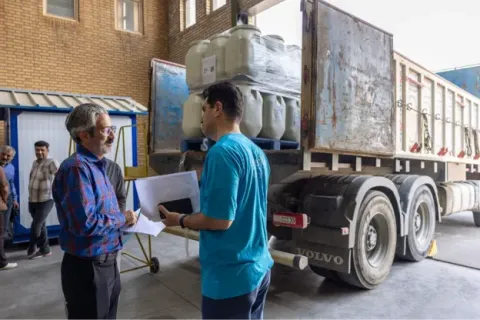
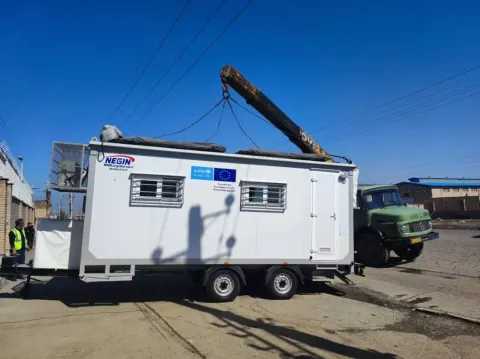
Following the conflict and from the early days, UNICEF Iran in coordination with national partners has developed a response plan to provide lifesaving supplies and other essential services to cover the basic needs of children and families. The plan prioritizes expanded access to mental health and psychosocial support (MHPSS), the delivery of emergency services and life-saving supplies, and the integration of essential health, education, and social protection services to the affected population.