More than one million children and family members to benefit from UNICEF emergency WASH support
UNICEF is working with national and local authorities and partners to help maintain and restore safe water and sanitation services in areas affected by the recent conflict in Iran.

- فارسي، فارسي
- English
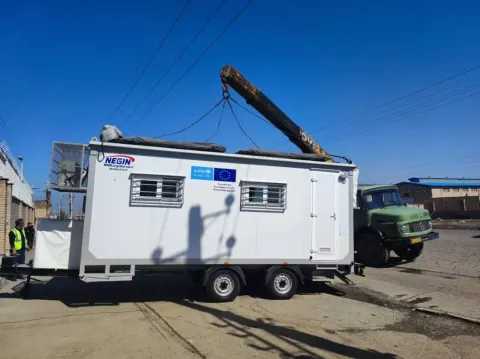
UNICEF is supporting the delivery of essential water, sanitation and hygiene (WASH) equipment and emergency supplies to areas affected by the recent conflict, in close coordination with national and local authorities and partners. The support is helping keep safe water flowing, restore disrupted services and manage wastewater safely for children and families.
The supplies include 26 solar-powered water disinfection and chlorination systems to help keep drinking water safe during power disruptions, four portable water-quality monitoring sets, and 17 submersible sludge pumps for wastewater management. A further 10 tonnes of calcium hypochlorite have been distributed for water disinfection. The equipment and supplies have reached affected areas, including Chabahar in Sistan and Baluchestan, as well as Hormozgan, Khuzestan, Bushehr, Kurdistan, Lorestan, Fars, Markazi and Ilam provinces.
Protecting access to safe water during emergencies
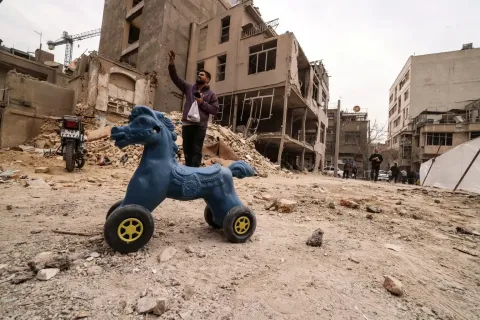
When conflict damages or disrupts water and sanitation systems, the consequences for children can be immediate. Reduced access to safe drinking water and functioning sanitation increases the risk of disease and can leave families without services they depend on every day.
Keeping water disinfected, monitoring its quality and ensuring wastewater systems continue to function are critical to protecting public health and preventing further disruption to essential services. Through the distributed equipment and supplies, UNICEF, together with national authorities and partners, is helping sustain essential WASH services for more than one million children and their family members, while strengthening the capacity to respond quickly when water and sanitation systems are damaged or disrupted.
Preparing to respond when services are disrupted
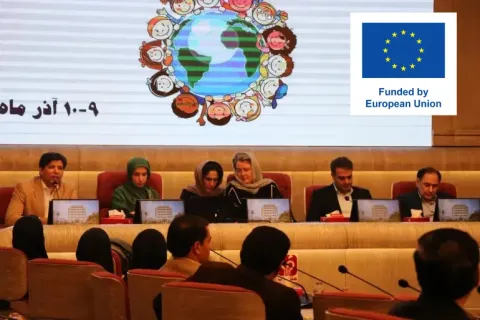
Keeping emergency WASH equipment and supplies ready for rapid deployment can help reduce delays when water and sanitation services are damaged or disrupted. UNICEF works closely with national partners to strengthen emergency preparedness and maintain critical supplies that can support water disinfection, water-quality monitoring and wastewater management during emergencies.
This preparedness helps ensure that critical WASH support can reach affected communities quickly, allowing UNICEF and its partners to help protect children’s and families’ access to safe water and sanitation when they need it most.