Duty and Love: A Family’s Journey Through War
How a family helped their children cope with fear during the conflict.
- فارسي، فارسي
- English
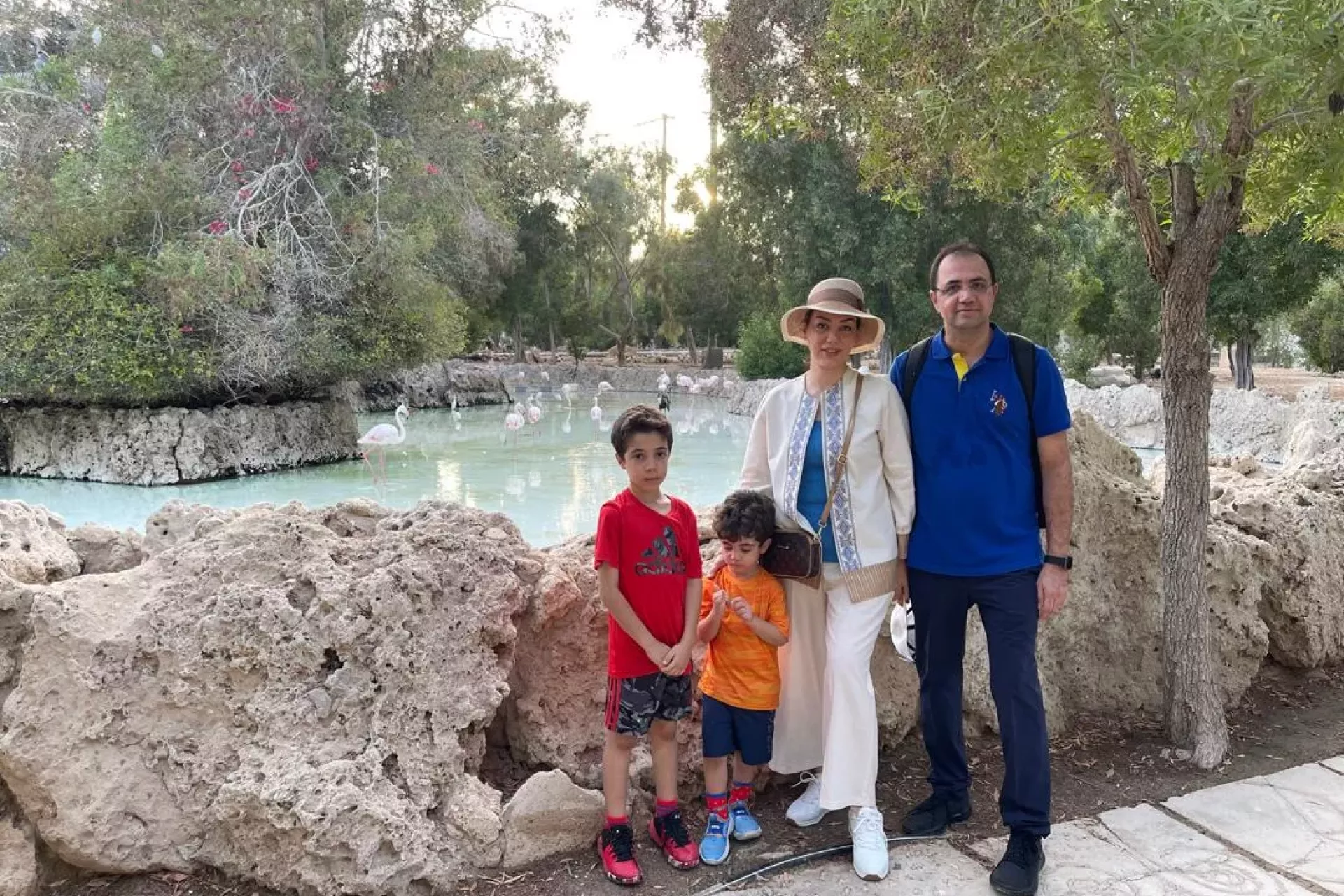
TEHRAN, Islamic Republic of Iran – As news spread of strikes hitting civilian areas in the city, many parents began packing up and leaving Tehran in search of safety, not just to protect themselves, but to shield their children from the trauma of war. But for Dr. Reza Eslamiyan and his wife Samira, who are both physicians, the decision was more complicated.
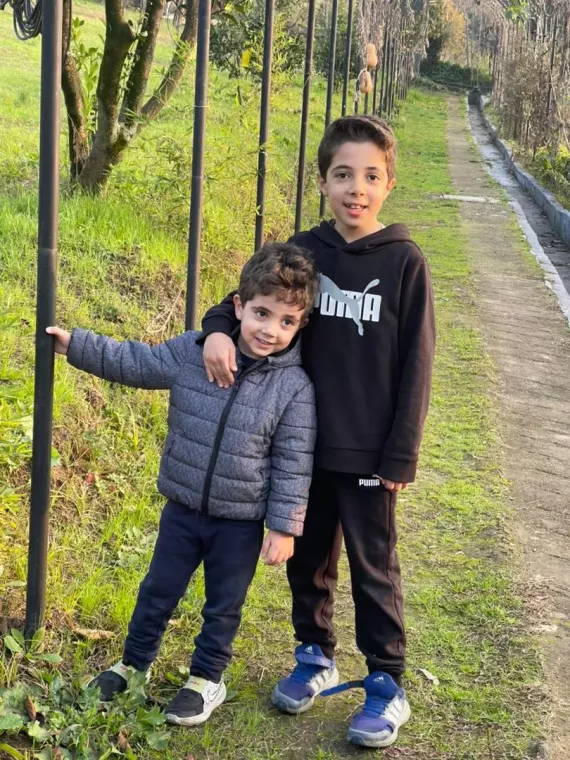
With two young sons, Parham, 9, and Mehrsam, 4, their challenge wasn’t only about staying safe. It was about finding a way to protect their children emotionally and physically, even while fulfilling their duty to care for others.
“When the explosions started, my wife was home with the boys. She managed to keep them asleep so they wouldn’t hear the sounds. But we knew right away we had to find a safer place for them.” says Reza.
The next morning, the couple relocated their sons to Damavand, a quieter area outside the capital, where the boys could stay with their grandparents, aunt, and cousins. “We had to go to the hospital every single day,” says Samira. “Even with the heavy traffic, sometimes spending four to six hours on the road, we tried our best to return at night — just to be with our children, even if only for a few hours.”
Balancing duty and parenthood under pressure
Before the escalation, Parham and Mehrsam had been attending summer camps while their parents worked. It was a routine that gave the children a chance to socialize and learn and gave their parents peace of mind. But when the war began, schools and camps were shut down — leaving families like the Eslamiyans scrambling for solutions.
“Our children are used to both of us working. But this time was different,” explains Reza. “One night, when I had to stay on call at the hospital, Parham asked me, ‘Why can other parents stay with their children, but you can’t stay with us?’ That question stayed with me.”
Despite the physical distance, the parents remained emotionally present. They chose honesty over silence, explaining to their sons what was happening in the world; not to alarm them, but to help them feel safe and understood.
“We didn’t want to hide the truth from them,” says Samira. “But we made sure they were surrounded by love, by family. And we stayed close, as close as we possibly could.”
Moments of peace and healing
In Damavand, the boys found comfort in nature and the familiarity of extended family. “We took short hikes in the hills with their grandparents and cousins,” says Samira. “Just being outside helped them feel less anxious.”
The family also made an intentional effort to manage their own stress. “I was under so much pressure,” Samira adds. “But I knew I had to take care of myself if I wanted to be strong for my children. I took breaks from the news. I listened to music. These small things helped me hold on.”
Parham, thoughtful beyond his years, says he always carried a quiet worry. “I was scared when my parents weren’t with me. Playing with my cousin helped. But I kept thinking about them.” Then he adds softly: “When they came home, I felt relieved.”
Now, as the Eslamiyans continue navigating through this uncertain time, their story is a reflection of the quiet courage shown by many parents — choosing to stay present, grounded, and loving, even in the face of fear. For this family, resilience is not about being unshaken. It’s about showing up, day after day, for the people who need you most.
The war is over now. All parents did whatever they could to protect their children, but we also know that some parents had to do more. Not all jobs could be paused; doctors, nurses, firefighters, and even gas station staff are among many, but not all, who had to stay in the city to perform their duties of care so that others could live through the hard times.