Afghan Children's Journey in the Land of Play
Play provides comfort and safety, helping children make sense of the world around them.
- فارسي، فارسي
- English
Play is not just a pastime for children; it is a fundamental part of their development. Through play, children learn and grow intellectually, socially, emotionally, and physically. In the course of play, children build relationships and learn leadership skills, resilience, social navigation, and fear management. Play provides comfort and safety, helping children make sense of the world around them. It is also a platform for children to express and nurture their imagination and creativity. These are crucial life skills that help children cope with life’s challenges.
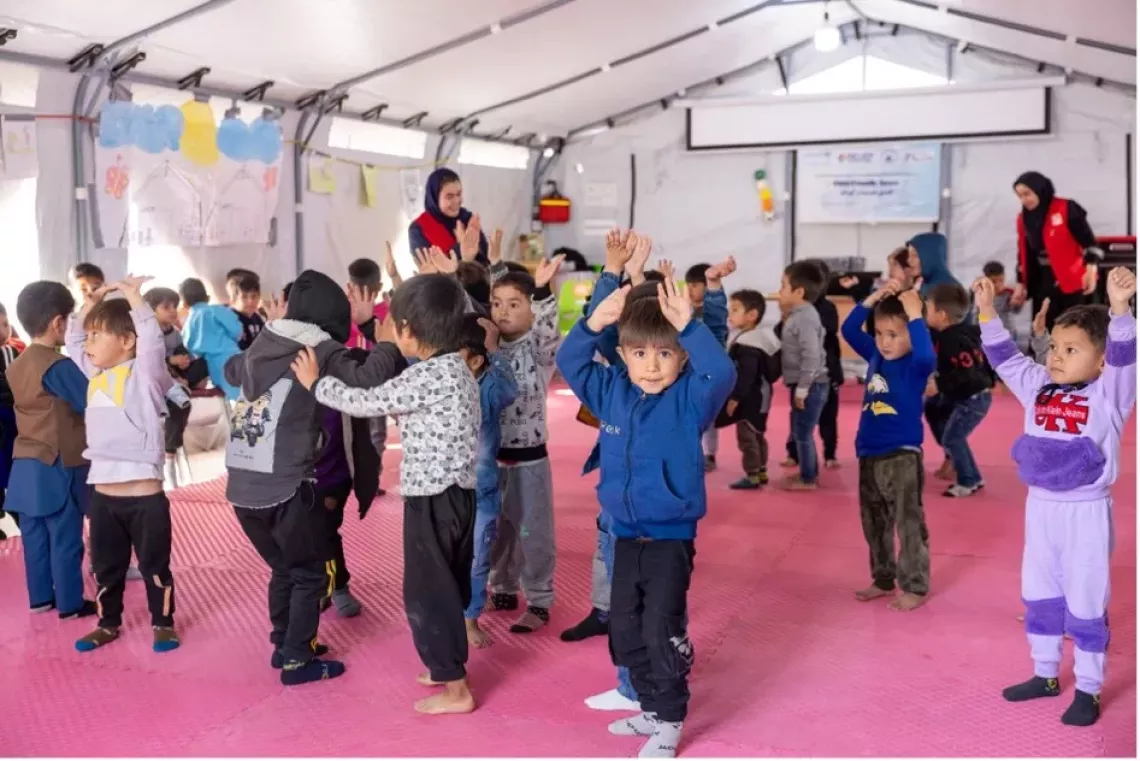
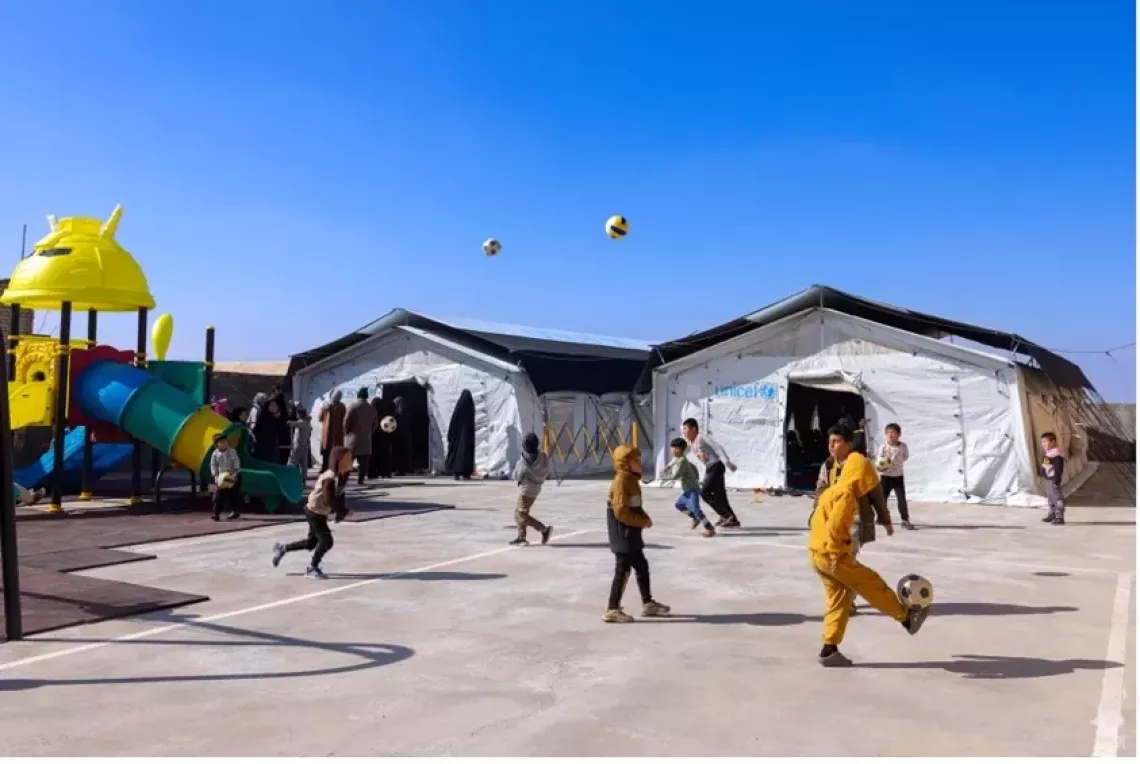
And playing is how the Afghan children begin their day in UNICEF-supported Child-Friendly Space (CFS) in the Torbat-e Jam Refugee Settlement, Khorasan Razavi Province, Iran. Rahimeh, an Afghan refugee mother with two children, Yasra and Soheil, aged 6 and 8 years says, "We came to Iran some two months ago. Since the children have enrolled in this Child-Friendly Space, they have engaged in very nice play with their peers and learned poems. Yasra has learned how to greet and converse with others and basic hygiene practices like brushing her teeth. I do not need to remind her to comb her hair or clean her teeth because she listens to her instructors better.”
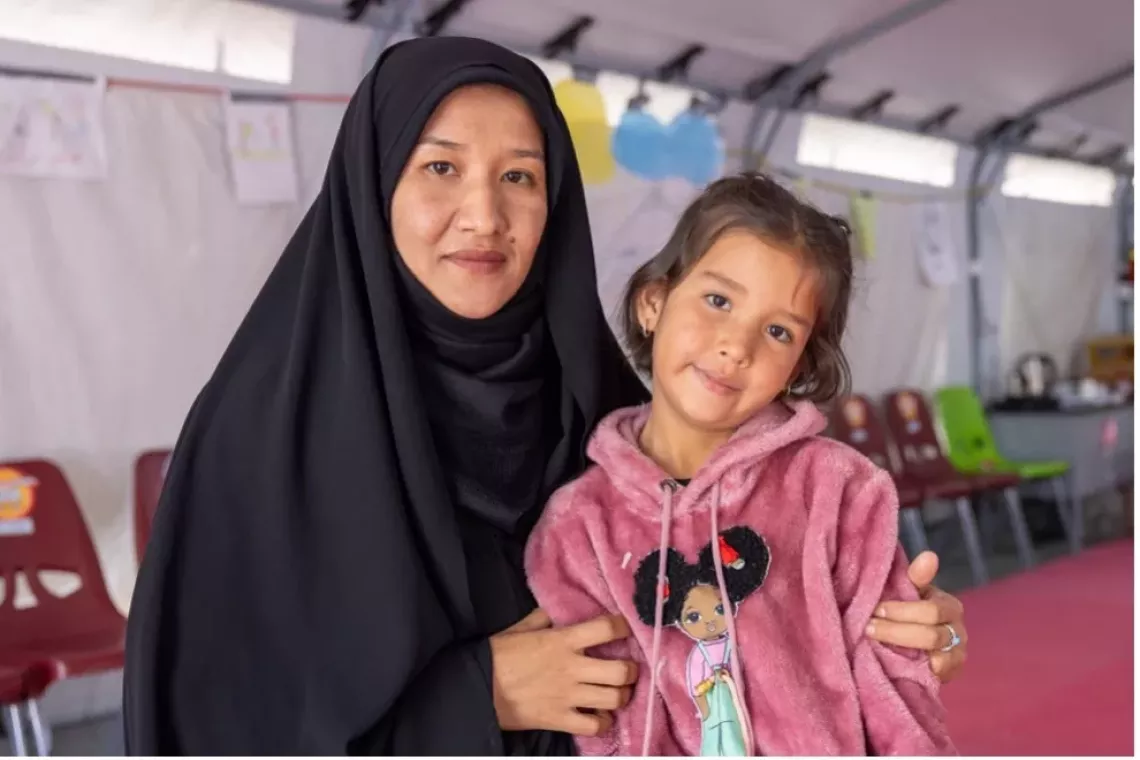
“When Soheil comes over, he plays football, volleyball, and brain games,” says Rahimeh, adding that “he’s become really good at chess. In the evenings, he talks to his dad about these games.”
The CFS in Torbat-e Jam is one of the three centres made possible by the EU ECHO’s financial aid. UNICEF Iran reached 5,354 vulnerable children, including Afghan refugees. One of the most critical aspects of our work at the CFSs is providing safe and supportive spaces for children to play and grow. This is especially important for refugee children, who need a safe place to explore and develop life skills. These spaces also provide support in managing the anxiety and trauma that come with the displacement of children from their home countries.
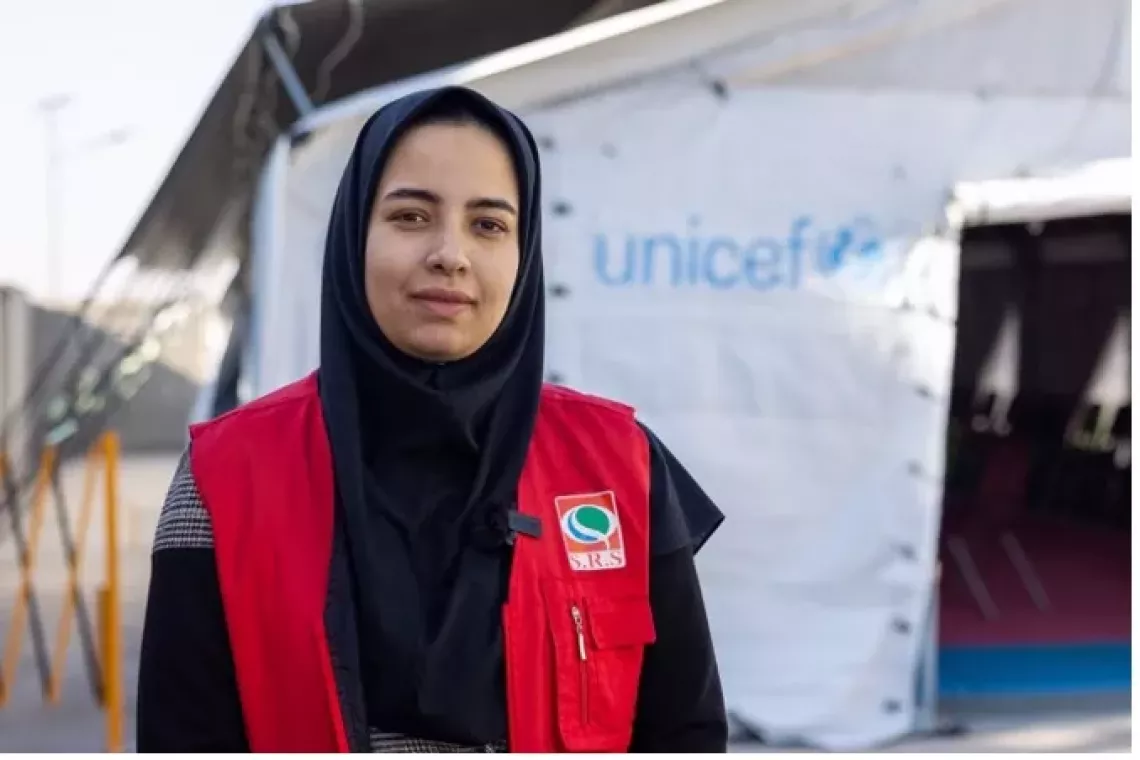
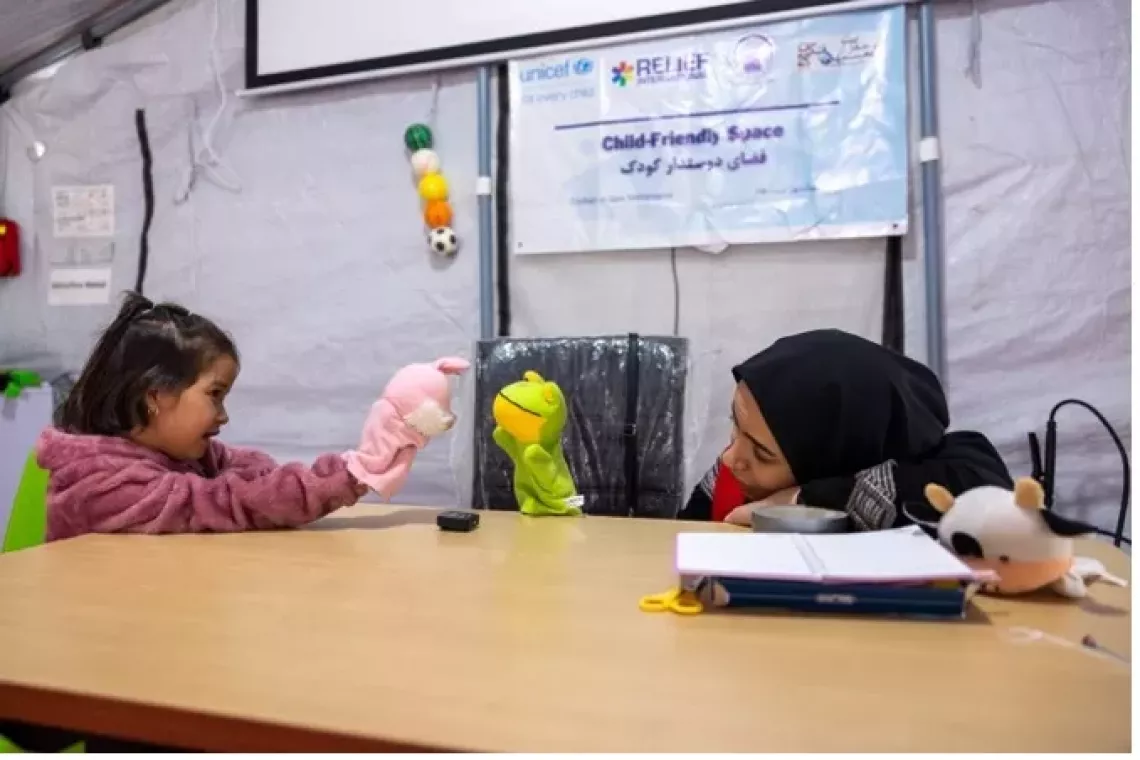
Zahra Mostafaee, a local NGO staff member working with the children in Torbat-e Jam, says, "In Torbat-e Jam settlement, 870 youngsters aged 3 to 12 are enrolled in this programme. Here, they receive crucial life-skill training and psychological support. Initially, the parents were uncertain about the space. However, when they came here, brought their children with them, and saw the activities, they became quite welcoming and enthusiastic.”
Yasra and Soheil’s mother, who used to be a teacher in Afghanistan, acknowledges the psychological support that her children receive. She says: “More importantly, the children are much happier now, and their behaviour at home has significantly improved, both with themselves and their parents.”
Children also receive nutrition during their time in these centres. “During their visit, children receive milk, cake and fruits. These are nutritious supplements added to their regular diet. “Some families do not have the means to procure even this small amount of food or a single piece of fruit that is given to children every day,” says Rahimeh. Before leaving the centre, Yasra hops on the swing for the last time before heading to their home, and her mother gently begins pushing her as she swings.