

Climate Change
The climate crisis is a child's right crisis. Children’s needs, perspectives and rights must be considered in climate policy, action and investment at all levels.
- فارسي، فارسي
- English
The issue faced
Iran is considerably impacted by the consequences of climate change. Country’s average temperature has increased by 2 degrees Centigrade since the 1960s, rainfall has decreased 20 per cent in the last 20 years and precipitation patterns are changed. It is estimated that Iran will experience an increase of 2.6 °C in mean temperatures and a 35% decline in precipitation in the next decades. This will worsen water scarcity and overexploitation of water resources. Desertification and land degradation due to reduced vegetation coverage, reduced crop yield and increased pests and diseases in agriculture, sand and dust storms and increased extreme weather events such as heat waves and floods will be some of the consequences of climate change in Iran. Public health will be impacted through increased incidence of heat-related illnesses and a higher prevalence of vector-borne diseases.
Biodiversity loss and negative economic impacts through infrastructure damage and agricultural loss will exacerbate. Urban vulnerability will be increased due to population growth and challenges in service delivery including water supply provision and the phenomena of urban heat islands. Increased energy demand plus hydropower vulnerability will create an energy crisis. Climate-induced displacement and migration together with dispute over resources will arise accordingly, exposing the wellbeing of children to increased risks.
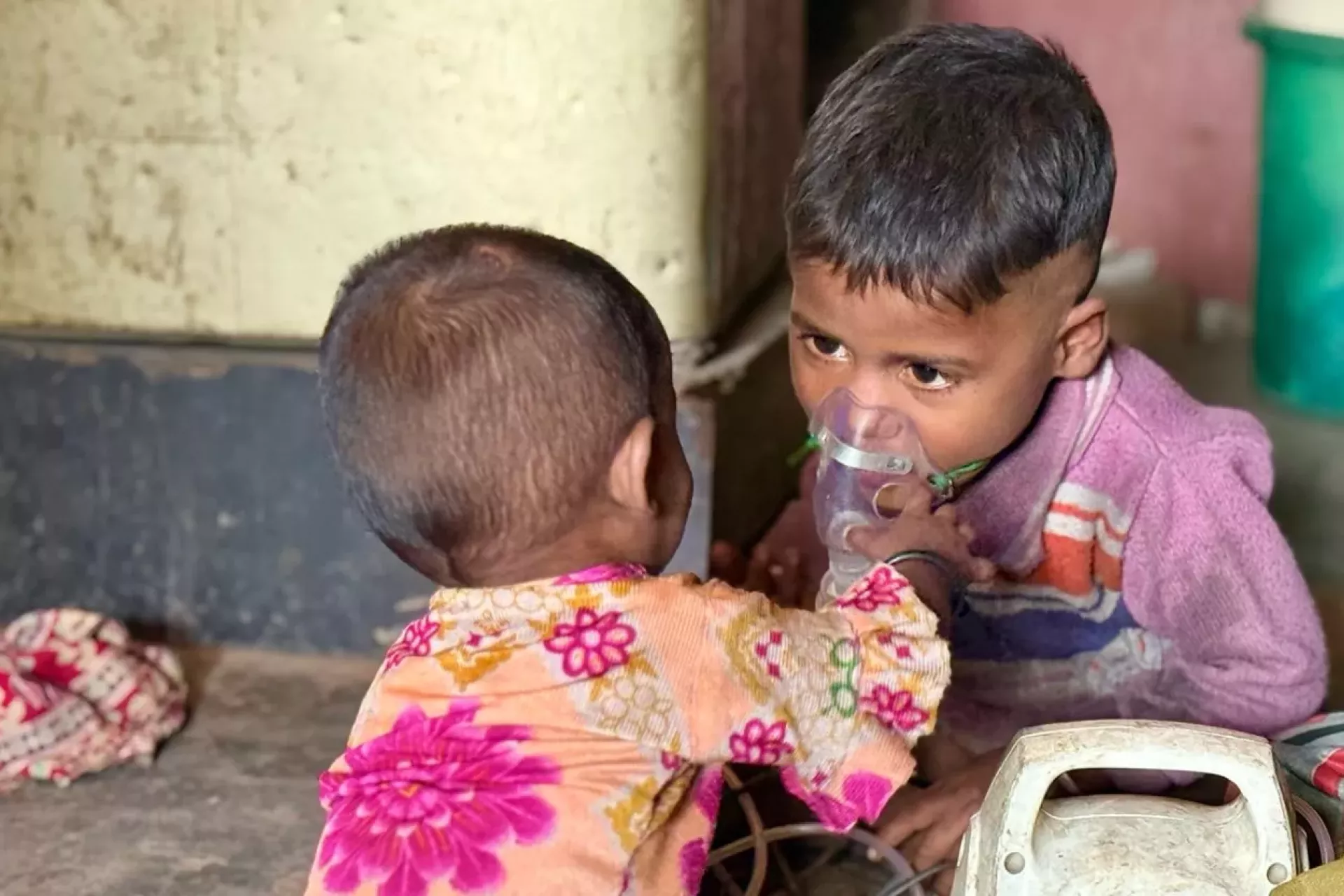
Children in Iran are particularly vulnerable to the numerous impacts of climate change, which exacerbate existing challenges related to health, water security, education, and overall well-being. The combination of extreme weather events, resource scarcity, and environmental degradation creates severe risks for the country’s younger population, and UNICEF is planning to strengthen its partnership with the Government of Iran to ensure that every child in Iran lives in a sustainable environment and their access to the resources are not over stretched by the impacts of environmental degradation and climate change.
The actions taken
In line with UNICEF’s Sustainability and Climate Change Action Plan (SCAP) and to strengthen national capacities and infrastructures to mitigate and adapt with climate and environmental impacts, UNICEF Iran prioritizes the below areas for its climate action:
- PROTECT children and adolescents from adverse impacts of climate change,
- EMPOWER children and adolescents as environmental champions,
- REDUCE the environmental footprint of UNICEF and its partners
The partners engaged
The partnership will primarily target the existing relevant national partners such as the Ministry of energy and the sub-ordinate organizations such as Water and Wastewater Companies, and other line ministries including the Ministry of Health and Medical Education, Ministry of Education, and the Iranian Red Crescent Society. UNICEF collaborates with UN agencies, and donors to mobilize technical expertise, funding, and operational support.
The impact sought
Based on the recommendations in the Climate Landscape Analysis for Children (CLAC) conducted in 2023, UNICEF Iran followed a result-based programming approach to create the required space in the 2023-27 Country Programme Document (CPD) and incorporate climate-related interventions under joints plans with the implementing partners. UNICEF will continue to collect and generate more robust evidence to inform the climate agenda in the best possible manner to both mitigate and adapt to the negative impacts of climate change. This will be aligned with overarching and governing mandates such as those of the United Nations Sustainable Development Cooperation Framework (UNSDCF), UNICEF strategic plan and national priorities.
It is expected that children and adolescents will be more considered in the national environment and climate change action agenda. Also, the interventions will aim to enhance the national capacities to provide more clean and green infrastructures in urban and rural areas, particularly in fragile settings. As a result, the country’s overall environmental and carbon footprints will be reduced. This will in turn result in improvement of the wellbeing of children living in Iran.
Monitoring and Accountability
In adherence to principles of accountability, UNICEF enriches its programme designs and adaptations through systematic assessment and monitoring of the child’s rights deprivations, operating environment, partnerships and progress towards planned results. The implementation of Harmonised Approach to Cash Transfers (HACT) ensures both financial and programmatic compliance through a combination of micro and macro assessments, spot checks, audits and programmatic visits. Leveraging sophisticated and integrated enterprise platforms and tools, UNICEF maintains a consistent monitoring of its programme implementation assessing quality and coverage, identifying risks and challenges, highlighting best practices and lessons learned, fostering stakeholder participation and engagement and conducting end user monitoring of supplies. Additionally, UNICEF remains committed to its costed evaluation plan which includes external evaluations of its projects, partnerships, and/or strategies primarily aiming to enhance relevance, efficiency, effectiveness, impact, and sustainability of its programmes.