

Child Nutrition
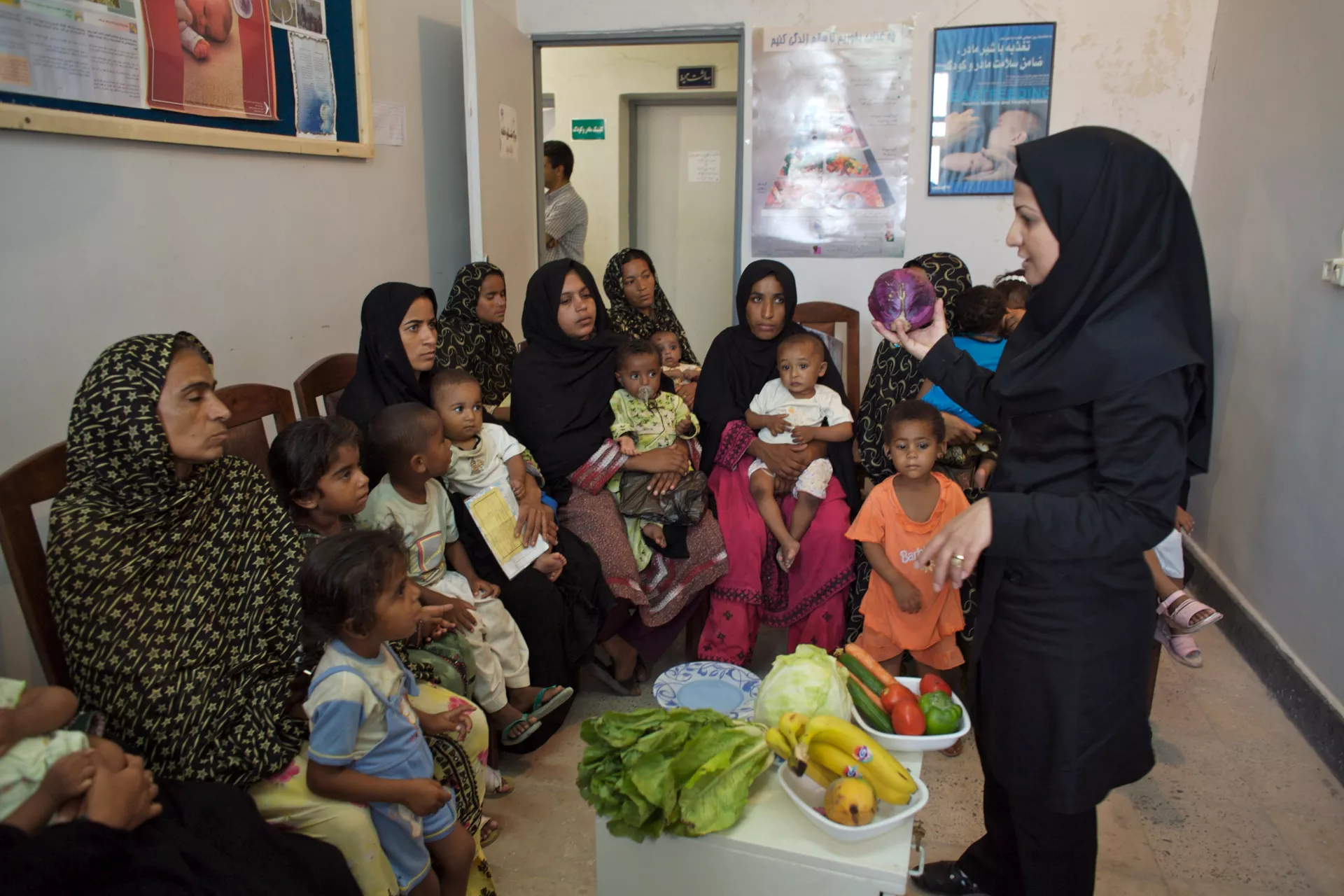
UNICEF Iran together with its national partners works to improve children’s health and nutrition across Iran
- فارسي، فارسي
- English
The issue faced
Year-on-year increases in food prices continue, exceeding 50 percent. This phenomenon is making quality nutrition progressively less affordable for the most vulnerable groups in Iranian society. In January 2024, bread rations were put in place across Iran.
Over 12 per cent of children under the age of six are wasted (too thin for their height), while 18 per cent of school-age children are overweight or obese. A worsening economic situation that is placing increasing strain on Iranian infrastructure and the social fabric has been accompanied by a sharp increase in the number of nutritionally vulnerable children.
In the Iranian context, critical data on nutrition surveillance, mapping of food-insecure areas and precise targeting of vulnerable groups via informed policymaking is largely missing or inadequate. The latest survey conducted in eight food insecure provinces in 2021-2022 has detected widespread zinc and vitamin D and A deficiencies among children under five.

The actions taken
UNICEF is supporting the Government of Iran to raise universal nutrition standards. Actions to this end include:
- Collecting and analysing factual evidence on nutritional status of mother and child (0 – 18 years).
- Embedding food and nutrition surveillance mechanisms for children under five into the primary health care system.
- Investing in enhancing nutrition programmes for mothers and children through nutrition-specific and -sensitive interventions, using a multisectoral approach; for example, UNICEF will assist with the design and development of new social policy schemes, promote policy advocacy in the food sector, and support the strategic distribution of supplementation and fortification nutrients to targeted vulnerable groups.
- Developing national food-based dietary guidelines for school-age children.
- Identifying barriers to healthy feeding practices for children under two-years old and designing national strategies for social and behaviour change.
- Preventing and treating micronutrient deficiency via targeted distribution of dietary supplements to at risk groups.
- Empowering nutrition experts and community health workers to improve infant and young child feeding (IYCF) via technical training and advocacy.
The partners engaged
UNICEF partners involved in implementation of the programme in this focus area include the Ministry of Health and Medical Education.
The impact sought
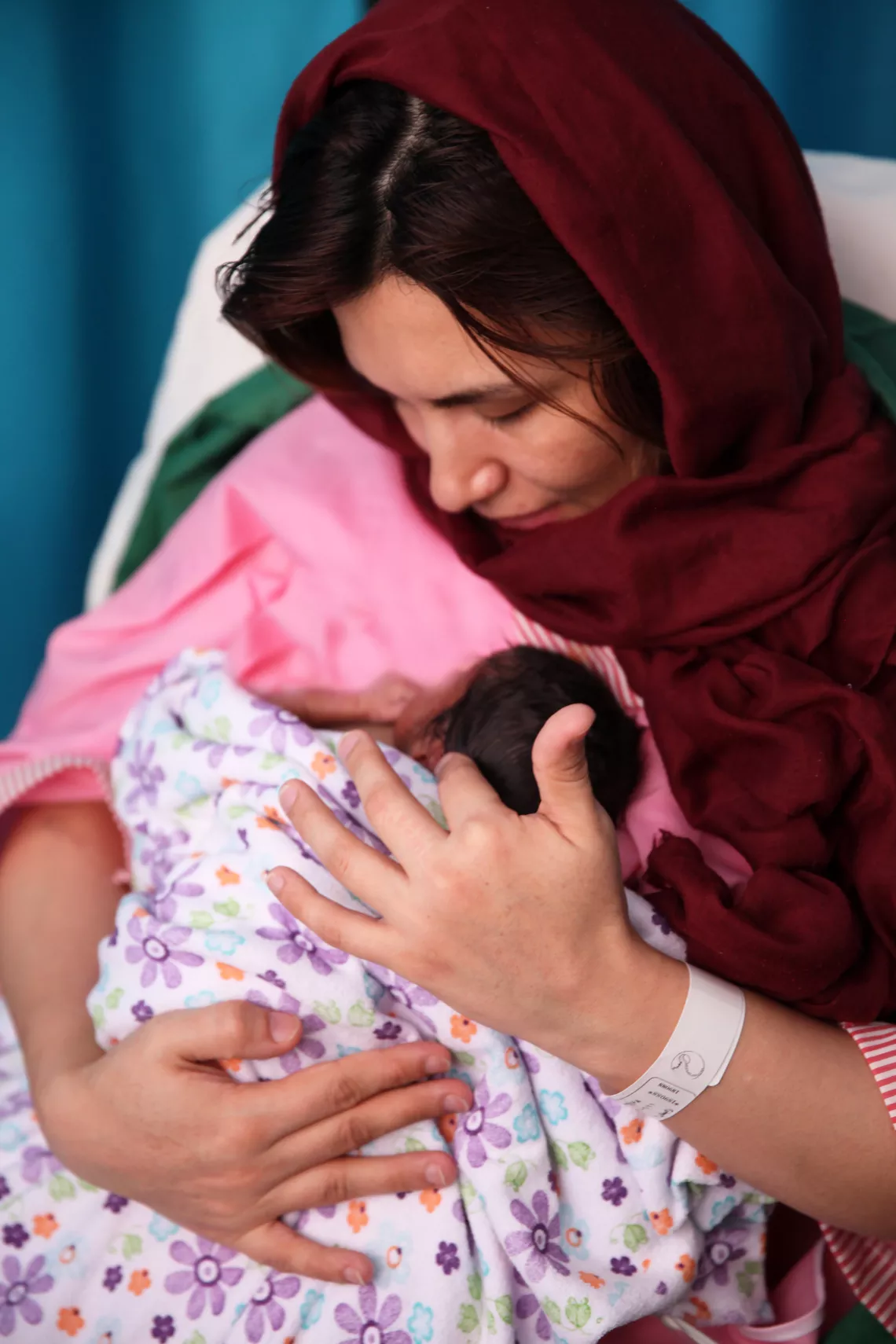
UNICEF aims to help to ensure that mother and child have access to healthy diets and quality nutrition services, boosting the health and nutrition outcomes for these groups and spurring the broader benefits which that brings. Helping to alleviate malnutrition and induce heightened well-being among these beneficiaries underpins increased resilience within their communities. The sustainability of this change will be supported by a strengthened corresponding scientific evidence base and increased nutrition literacy, especially within the most vulnerable communities (including refugees).
Monitoring and Accountability
In adherence to principles of accountability, UNICEF enriches its programme designs and adaptations through systematic assessment and monitoring of the child’s rights deprivations, operating environment, partnerships and progress towards planned results. The implementation of Harmonised Approach to Cash Transfers (HACT) ensures both financial and programmatic compliance through a combination of micro and macro assessments, spot checks, audits and programmatic visits. Leveraging sophisticated and integrated enterprise platforms and tools, UNICEF maintains a consistent monitoring of its programme implementation assessing quality and coverage, identifying risks and challenges, highlighting best practices and lessons learned, fostering stakeholder participation and engagement and conducting end user monitoring of supplies. Additionally, UNICEF remains committed to its costed evaluation plan which includes external evaluations of its projects, partnerships, and/or strategies primarily aiming to enhance relevance, efficiency, effectiveness, impact, and sustainability of its programmes.