UNICEF Innovation Watch List: Promising solutions in West and Central Africa
Problem-driven innovative solutions making impact for children and their communities

UNICEF’s West and Central Africa Regional Office (WCARO) coordinates and supervises work in 24 countries, from Cabo Verde off Africa’s west coast to Chad in the Sahel, and from the Democratic Republic of Congo in the south to Mauritania in the north.
Home to over 300 million children, the region has one of the world's most pronounced digital divides – global internet penetration is 67 per cent, but only 37 per cent in Africa – and the gap widens dramatically in rural areas isolated from digital learning platforms, telehealth services, and economic opportunities.
Despite these challenges, over 257 innovative solutions are making a tangible impact in our region, strengthening children's access to social services.
Here are four promising solutions:
Health
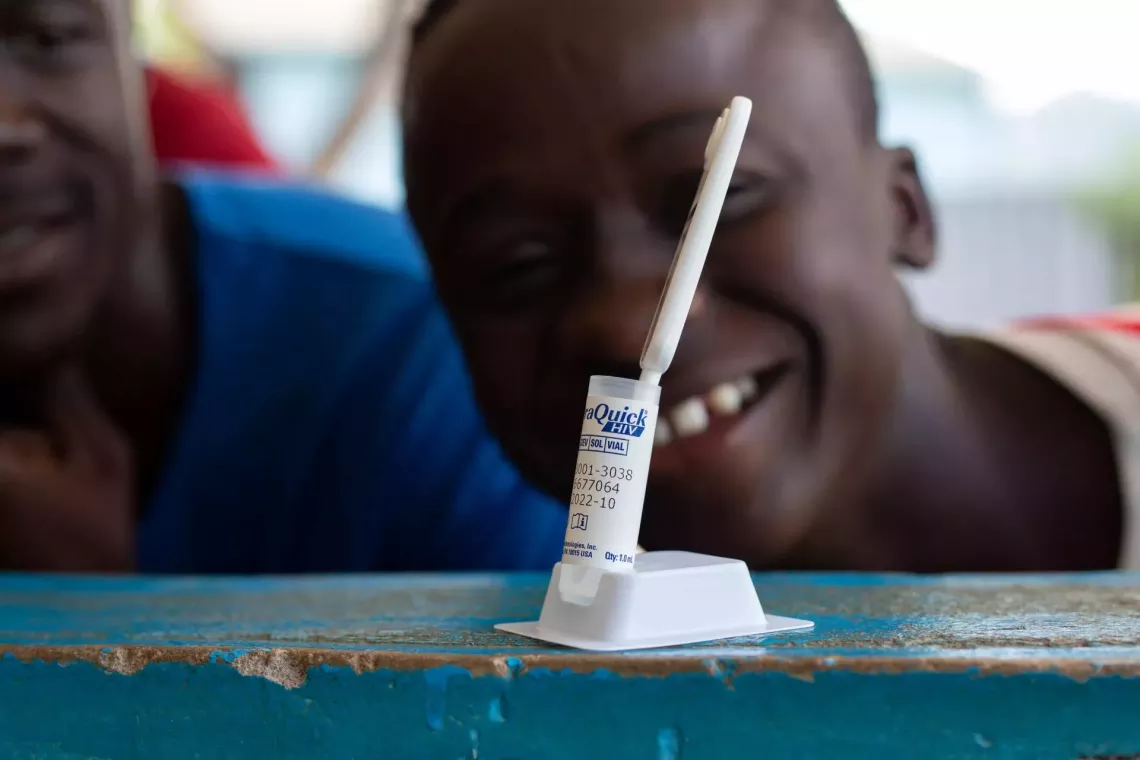
1. U-Test | SDG 3 | Cameroon, Côte d’Ivoire, Nigeria
The problem: finding new ways to connect at-risk youth to the information and support they need is essential to ensure the continuing success of HIV and AIDS prevention programmes
The solution: by combining technology, artificial intelligence (AI) – including local language speech processing – and social media, U-Test reaches at-risk youth with engaging information, practical support and care, including a confidential self-screening questionnaire about HIV, directions for self-testing and access to counselling and Pre-Exposure Prophylaxis (PrEP)
The impact: U-Test updates HIV prevention for today’s mobile-first, digital youth, ensuring this and future generations of young people remain informed, engaged and supported to access the care and services they need. The initiative has already directly reached over 4.4 million young people
Humanitarian
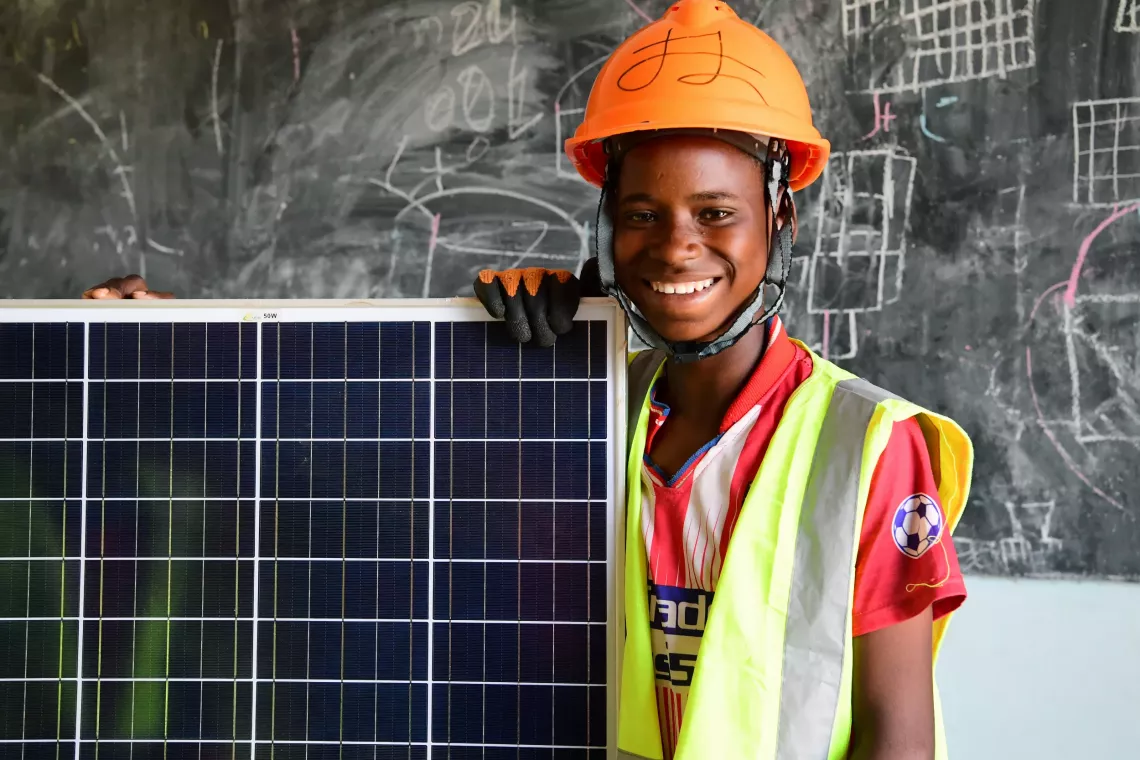
2. Project Alpha | SDG 7 | Democratic Republic of the Congo, Sierra Leone
The problem: children and communities in fragile and conflict-affected countries lack reliable access to clean, affordable and reliable energy
The solution: using digital mapping tools, innovative financing mechanisms and green skills building to provide solar photovoltaic panels at schools, health centres and water and sanitation facilities, making these into community power hubs
The impact: addressing the need for reliable, sustainable energy among the 186 million children worldwide who attend primary schools without electricity, and the 745 million people who lack access to basic electricity
3. Leaving No Local Emergency Responders Behind | SDG 1 | Democratic Republic of the Congo
The problem: in emergency settings local responders play a central role in ensuring UNICEF support reaches communities in crisis often in remote areas, but ensuring local emergency responders are properly trained and have right skills and capabilities is challenging
The solution: an AI powered translation tool that allows training modules to be delivered to local emergency responders in their own languages, in the case of the Democratic Republic of the Congo where the pilot is underway, that means Swahili and French
The impact: the development and piloting of a scalable, low-cost AI translation tool will provide better training opportunities and the transfer of skills, knowledge and capacity to local emergency responders, government partners and even affected populations themselves
Youth Skills
4. Yoma | Sustainable Development Goal (SDG) 4 & 8 | Benin, Côte d’Ivoire, Nigeria
The problem: over 10 per cent of the world's adolescent and youth population live in West and Central Africa and their number is growing rapidly, meaning increased pressure on social services and employment
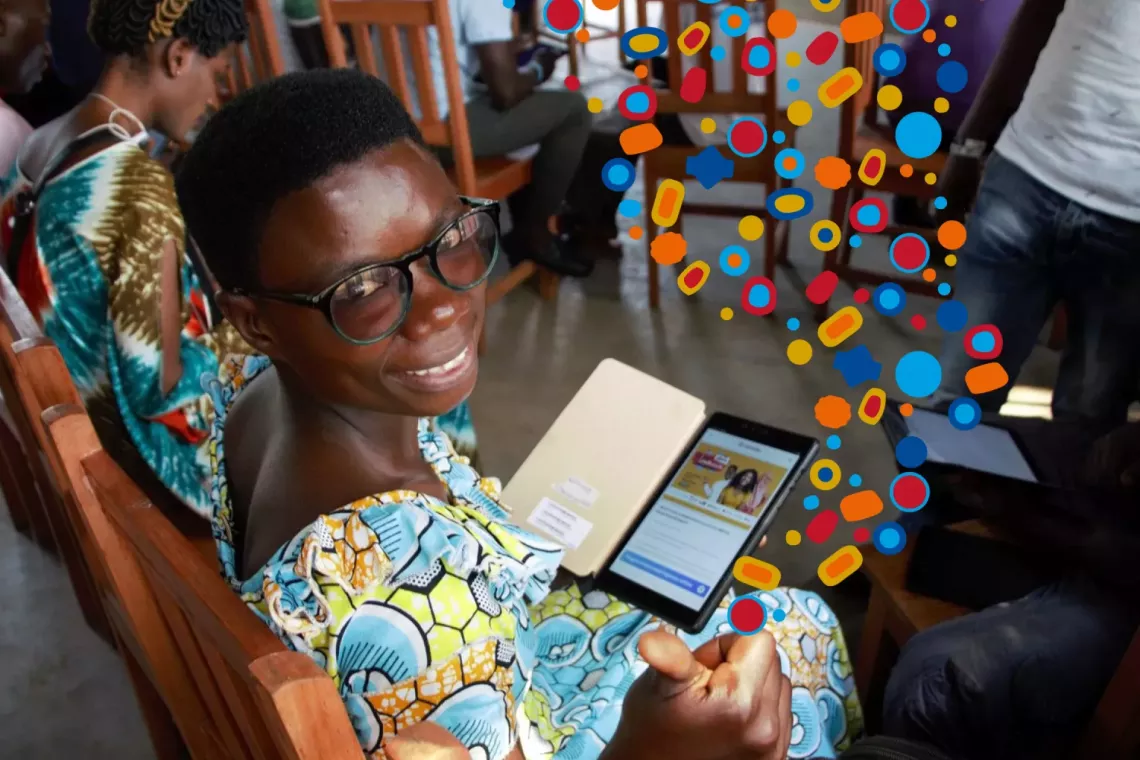
The solution: Yoma is a blockchain-based digital marketplace connecting young people with learning and employment opportunities. Youth can access individualized learning-to-earning pathways, digital skills training, micro-tasking, internships and specialized programmes
The impact: leveraging UNICEF’s U-Report youth engagement platform with its 35 million users globally, Yoma has 250,000 users in West and Central Africa where it has facilitated 5 million youth engagements, provided more than 67,000 opportunities and awarded 51,000 certificates
The Wider Regional Innovation Ecosystem
Across the region, digital innovations co-created with partners and regional stakeholders are transforming lives – delivering life-saving interventions for children and young people at scale.
Solutions being implemented in the region, aiming towards a range of SDGs include: Giga school connectivity (in partnership with telecommunications company Airtel Africa), mHealth real-time data for community health workers, Reach the Unreached immunization initiative and more.
“Digital innovation is a game changer for children,” says UNICEF Regional Director Gilles Fagninou. “From expanding learning opportunities through digital education to unlocking access to essential services like water and sanitation through innovative financing, technology is transforming children’s lives across our region. Embracing a truly ‘digital-by-design' approach – embedding technology into every aspect of our programmes and operations – will unleash unprecedented impact for every child.”