

The ‘Spark’ That Accelerates Innovation
Eight teams, four days, one aim: how UNICEF Spark Accelerator Week helps identify, strengthen and scale impactful innovations for children.

Spark accelerator week
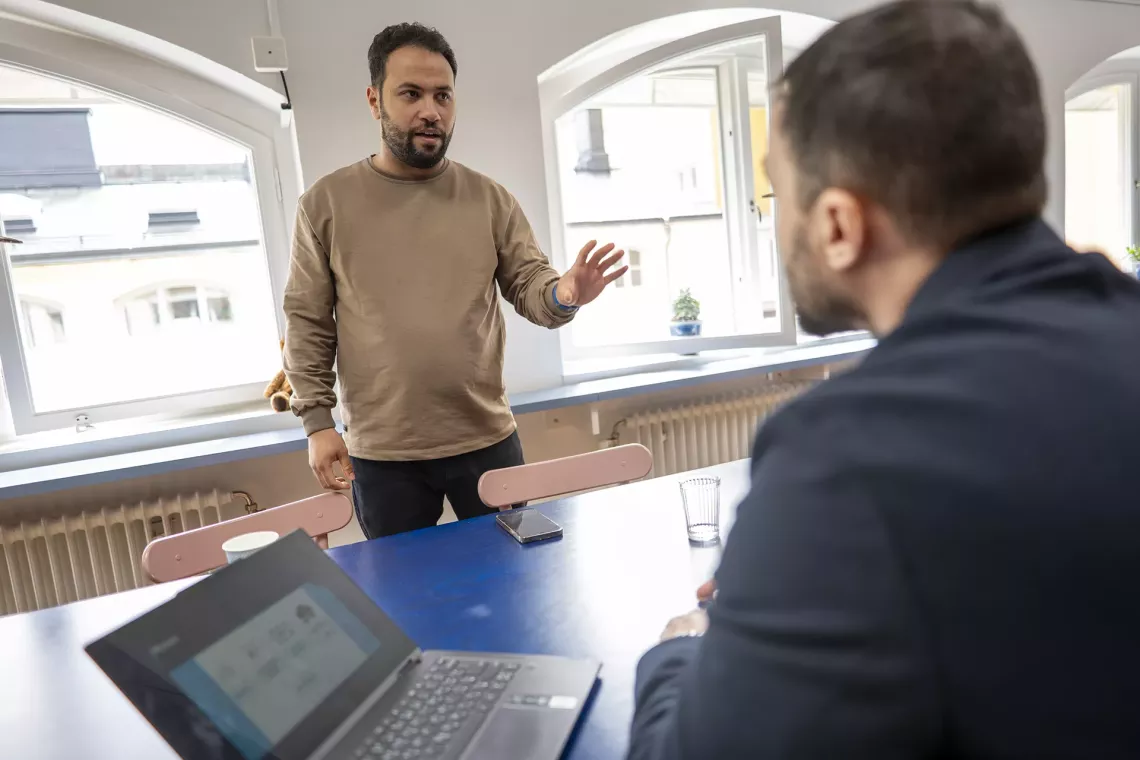
UNICEF Office of Innovation (OOI) convened eight finalists in the second Spark Accelerator Week to identify, strengthen and scale innovations from the ground up.
Spark is UNICEF’s innovation accelerator driving proven solutions towards transformative change through national systems, open-source models or partner-led adoption.
Each team came to Stockholm, Sweden, equipped with groundbreaking ideas, smart solutions and open-minded enthusiasm, but only four would be selected to receive grants of up to USD $170,000, mentorship for a year and ringfenced time during work hours to focus on their innovations.
More than a pilot
Some innovations are good. A few innovations are great. But innovations that scale have impact on the lives of children and communities most affected by global challenges.
This is at the heart of Spark Accelerator Week, boldly turning promising pilots into scalable solutions within countries and around the world.

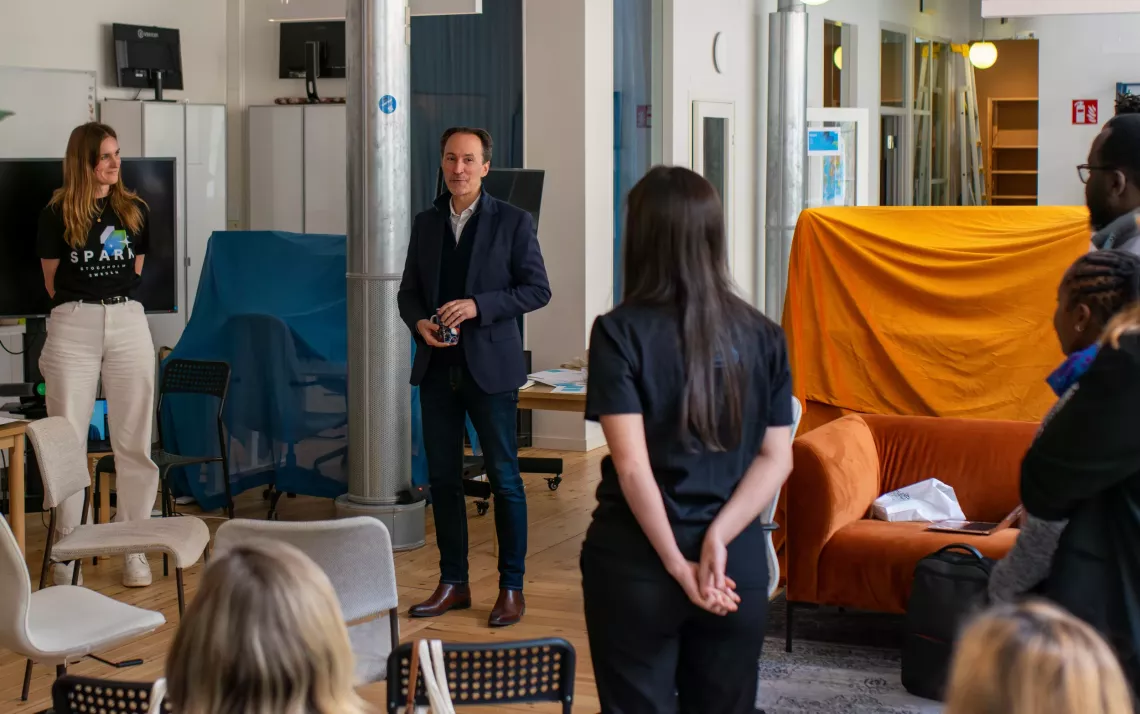

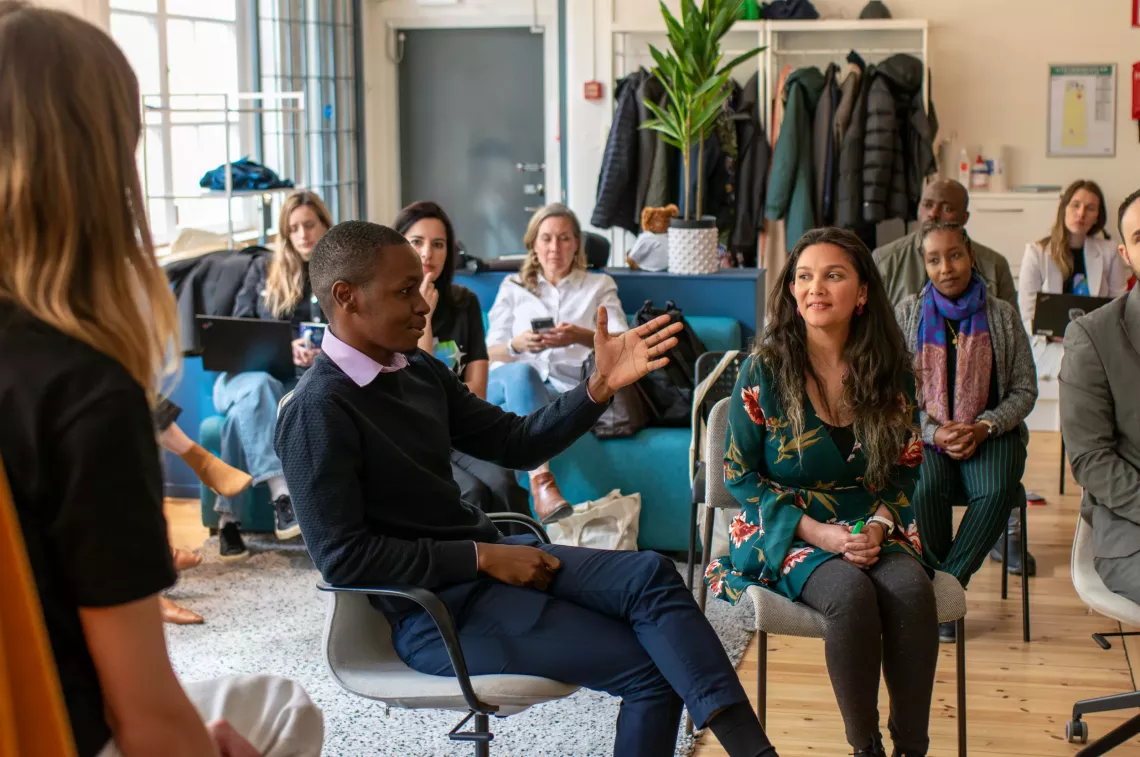
When scale is the problem, Spark is the solution
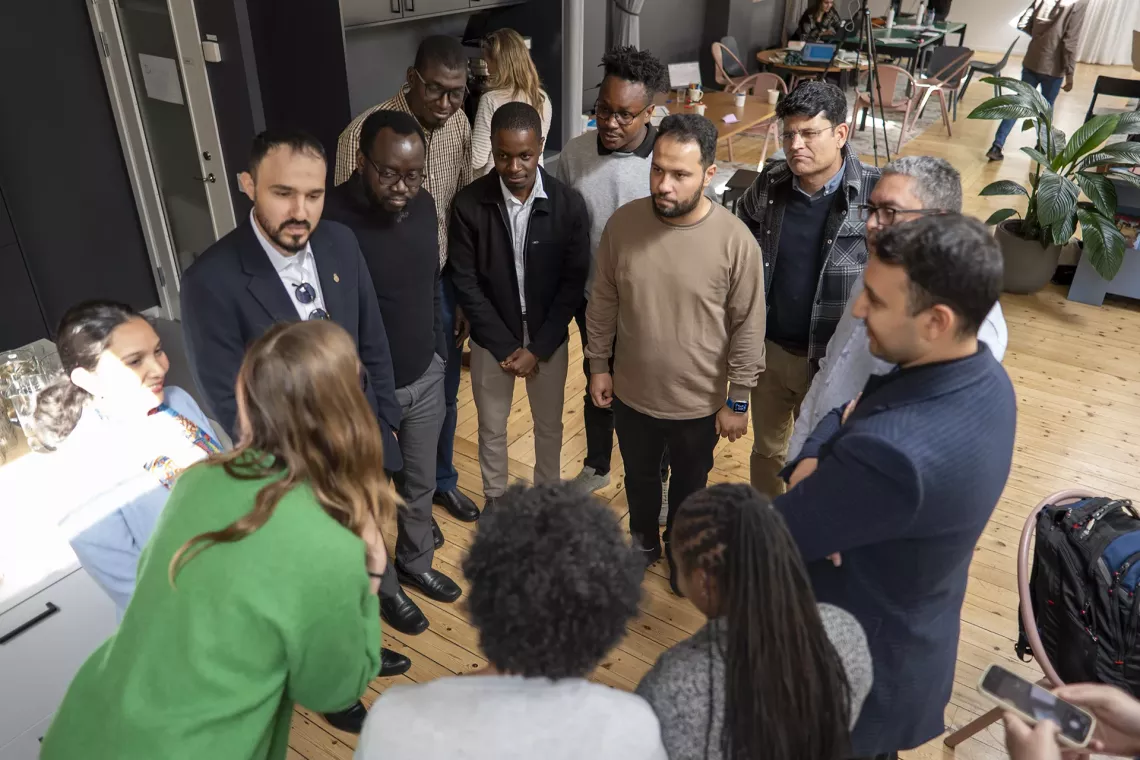
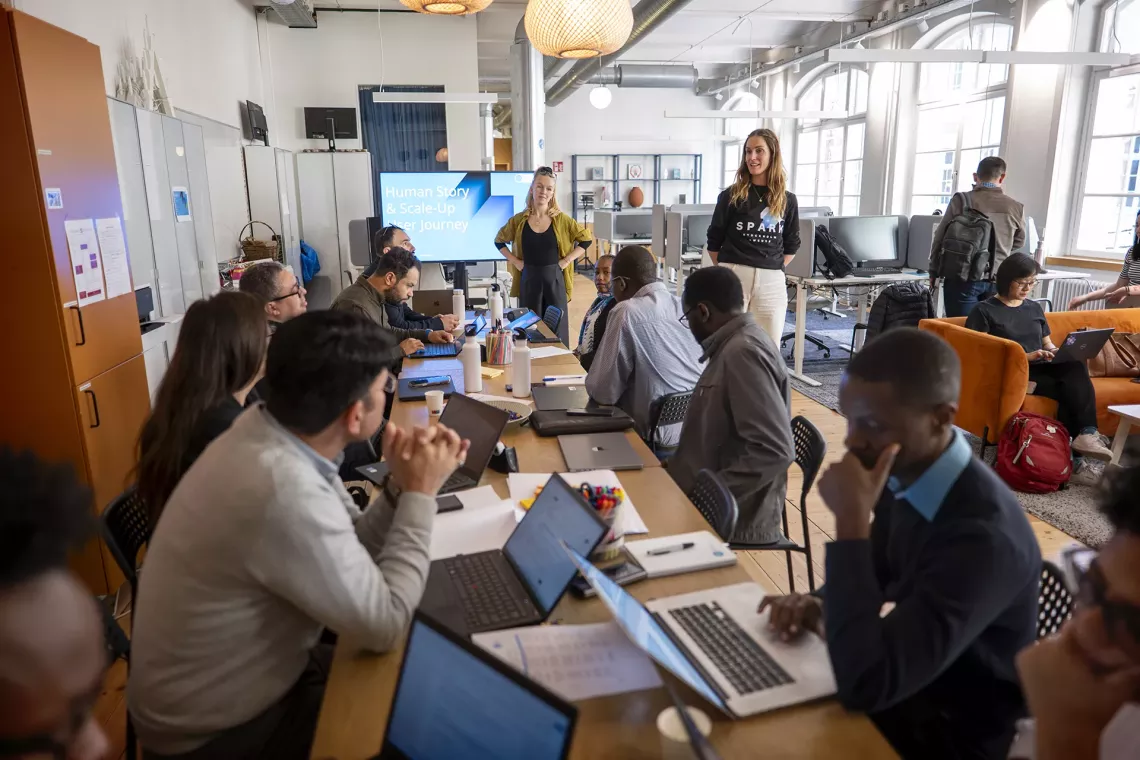
Eight of the most promising innovation teams from across UNICEF’s global network – from Bolivia, Ethiopia, Iran, Kenya, Libya, Mali, Mozambique and Pakistan – for an intensive, hands-on, acceleration experience. Not another webinar, not just another workshop, but fast-paced design sprints, evidence-backed frameworks and honest feedback loops that unpacked some critical questions:
- What makes an innovation scalable?
- How much evidence is enough?
- What roles can UNICEF, governments and partners play in making scale a reality within the local, national and global innovation ecosystems?





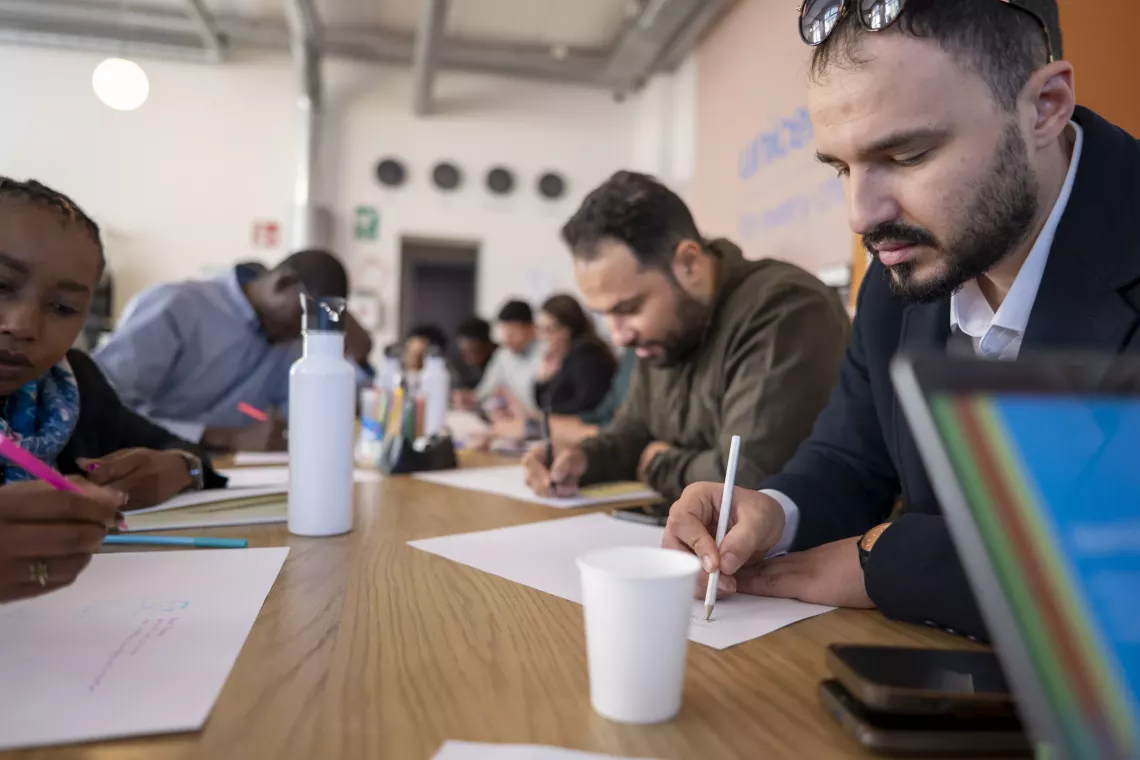
The innovative solutions and teams driving the future
Each participating UNICEF team brought a bold, high-potential solution that was either fully developed or co-created with an external partner from governments, private sector startups, civil society organizations, non-governmental organizations and academia:
🔵 UNICEF Bolivia and Afinidata (UNICEF Venture Fund alumni): Artificial Intelligence (AI) driven learning for early childhood development.
🔵 UNICEF Ethiopia and Ethiopian Ministry of Health: Carbon financing, community engagement and green scaling for solarizing in fragile contexts.
🔵 UNICEF Iran and The Islamic Republic of Iran Ministry of Health: AI and human-centered design for community health workers in national public health systems.
🔵 UNICEF Kenya and Freshlife: Pioneering sanitation and latrine delivery models.
🔵 UNICEF Libya and Roaya Foundation: Youth-led community response shaping a national early warning system.
🔵 UNICEF Mali and MapAction (UNICEF Venture Fund alumni): Climate early warning system using AI for community resilience.
🔵 UNICEF Mozambique and Malaria Consortium: Digital and data innovation to identify ‘zero-dose children’ left behind.
🔵 UNICEF Pakistan and Pakistan Ministry of Health: Solarizing schools for quality education.
“As the founder of Afinidata, an alumni of the UNICEF Venture Fund, I was energized by Spark Accelerator Week. I arrived with my own journey and left with a deeper understanding of UNICEF’s innovation philosophy. I’m inspired by how UNICEF country offices drive meaningful change.”
Andreana Castellanos, Founder, Afinidata

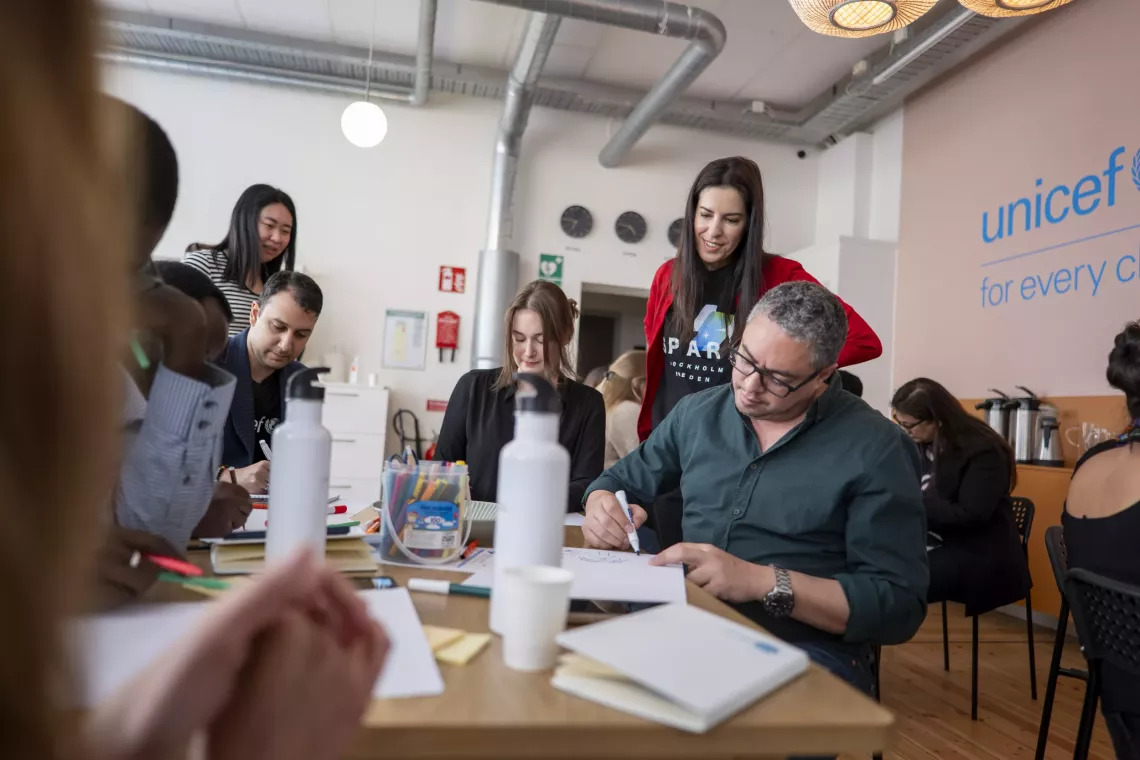

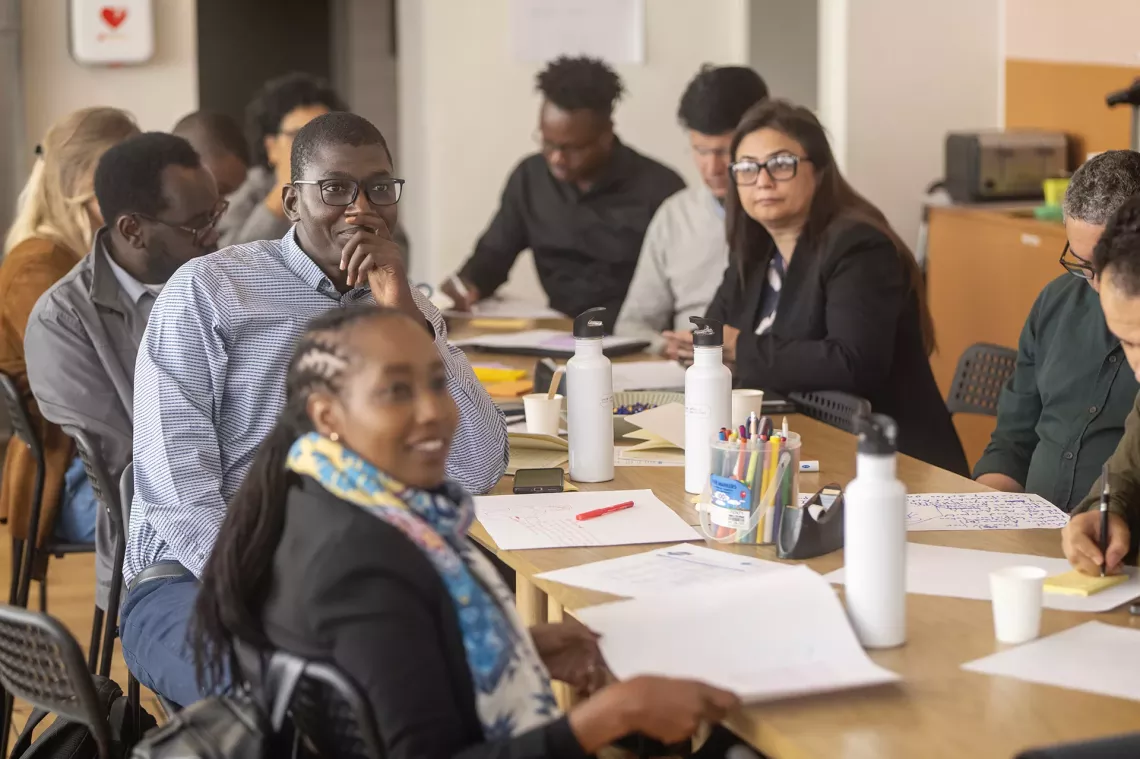
What teams took home: clarity, confidence and a plan
Each team left with far more than a pitch deck. They walked away with:
- A clear roadmap to scale.
- Evidence that proves value and readiness.
- A refined value story to engage the right partners.
- Deeper insight into how UNICEF, governments and innovators work together.
- And the conviction to go further and faster, with confidence.
“I came in with a project; I’m leaving with a roadmap, a network and the courage to scale impact.”
Bassem Saadallaoui, Chief of WASH, UNICEF Mali

What made it work: tools to inspire and deliver
Spark builds on over a decade of UNICEF innovation experience and the tools that have helped scale solutions in over 100 countries:
- The 5D Innovation Framework assesses each solution across innovation, business model, impact, scalability and risk.
- Design thinking and frontier technologies expand relevance and adaptability.
- Support to develop business models, value propositions and scaling pathways.
- Inspiration from external innovation experts from the UN Global Pulse (the United Nations Secretary-General’s Innovation Lab), Vinnova (Sweden’s innovation agency) and AI Sweden (the Swedish national centre for applied AI).
- Support from UNICEF specialists across health, climate, WASH, humanitarian emergency response, frontier tech, design, and monitoring and evaluation.
“The teams at the Spark Accelerator Week in Stockholm showed that cross-sector collaboration for the SDGs is not just aspirational – it’s already happening. Their efforts are a strong reminder that meaningful progress is within our reach when we come together.”
Patricia Loh, Senior Analyst (Innovation Scaling), UN Global Pulse

A pitch like no other: pressure that prepares excellence
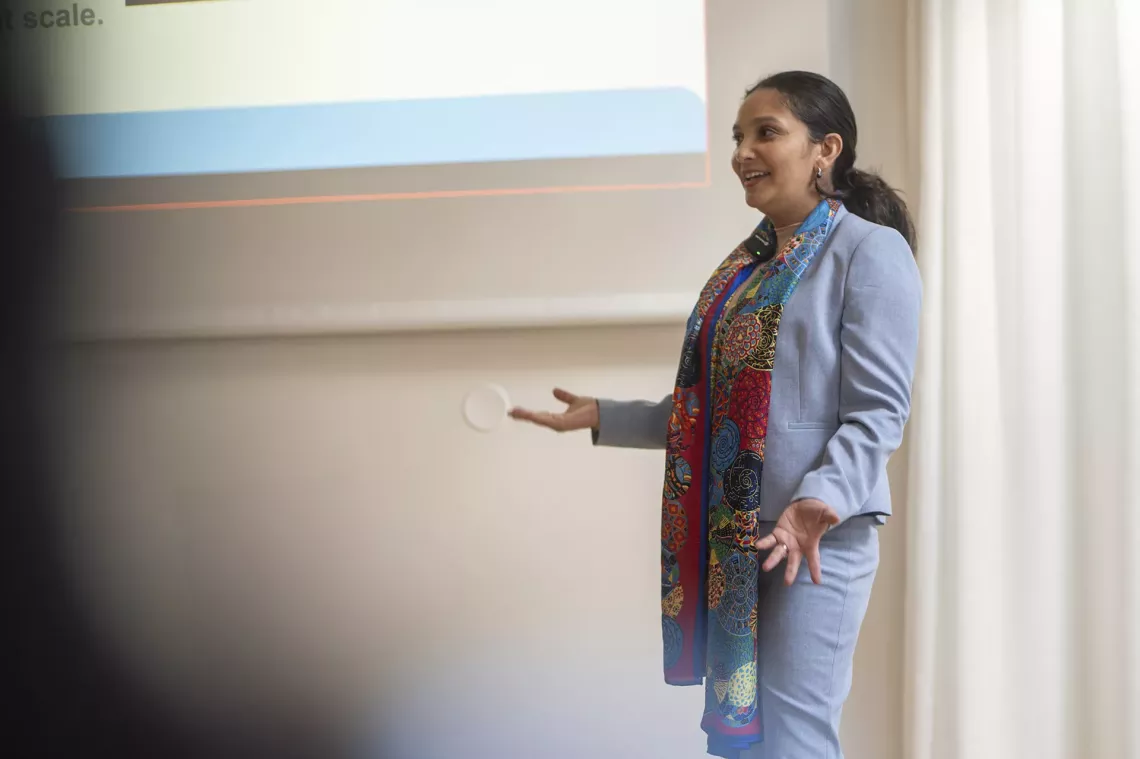
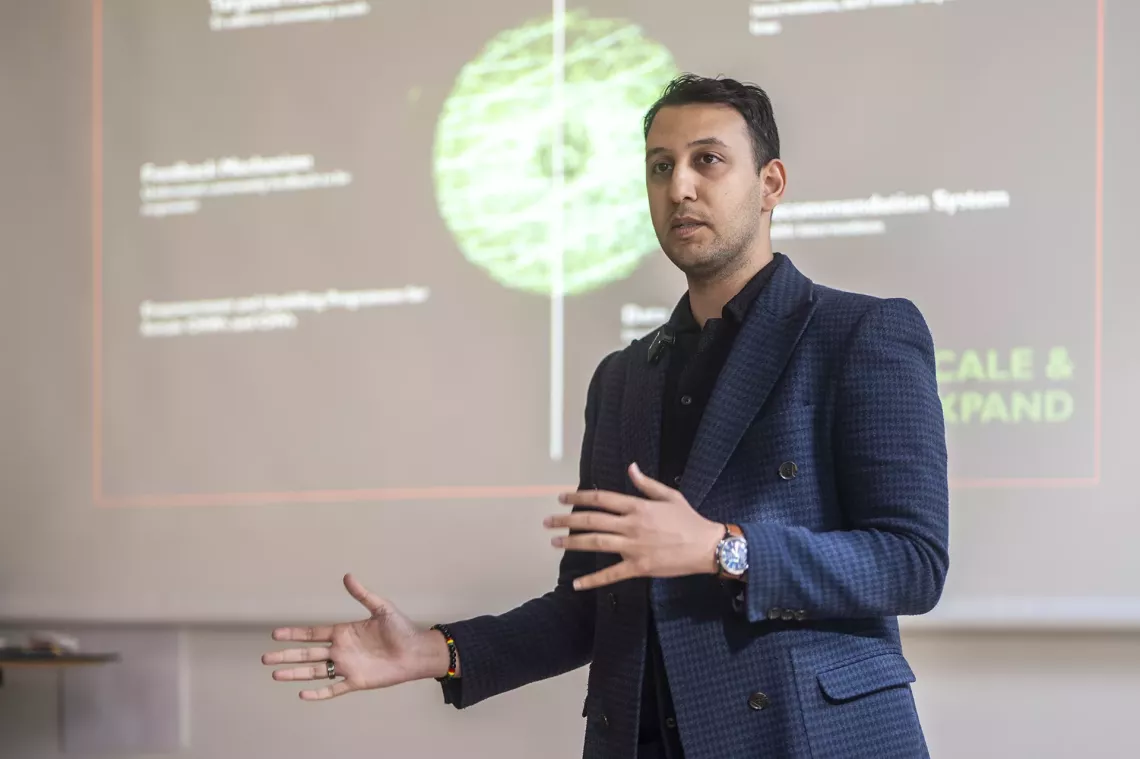
Spark Accelerator Week built towards a test that really mattered, as each team pitched directly to a panel of experts:
- Henrietta Fore, Former UNICEF Executive Director (2018 to 2022)
- Thomas Davin, Director, UNICEF Office of Innovation
- Bo Percival, Senior Innovation Advisor, UNICEF Office of Innovation
Real-time feedback with no filters and no fluff. Actionable insights from top UNICEF leaders who have built and scaled global solutions and organizations. One-on-one direct feedback to the finalist teams provided an unmatched opportunity to learn, with each team responding to pointed questions that accelerated the solutions to new heights.
“Feedback provided by the former UNICEF Executive Director, UNICEF Office of Innovation experts and colleagues has been instrumental in further refining the ideas.”
Yasir Arafat, Education Officer, UNICEF Pakistan




The outcome: a pipeline, not a podium
Five teams left Spark with extended support and resources, but all eight took home something more valuable than a trophy:
- scale-ready strategies and business models
- connections to 20+ expert mentors and advisors
- stronger alignment with governments, startups and UNICEF teams
- sharpened investment readiness
- new skills and mindsets to become innovation champions in their countries
- a whole lot of momentum, teamwork and laughter
In four intense, inspiring days, Spark Accelerator Week built real relationships and delivered real results.
“Spark represents the mindset capable of turning transformative thoughts into corresponding actions on the ground and we, the Spark people, are quite the tribe of change makers ready to make this vision a reality.”
Amirhossein Rahdari, Innovation Officer, UNICEF Iran

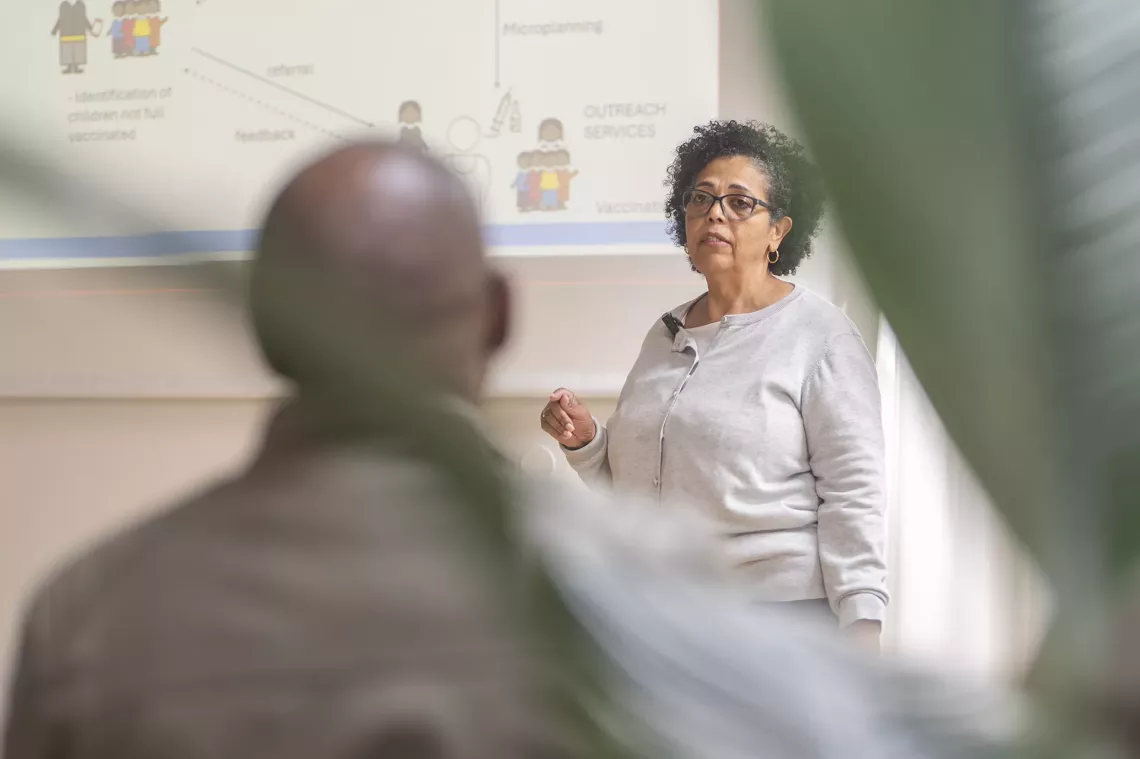

Why it matters: scaling what works
Scaling innovation is about evidence, alignment and shared purpose, not just funding or frameworks.
More than an event, Spark Accelerator Week is a blueprint for how UNICEF can identify, accelerate and embed innovation across systems to co-create transformative solutions for this and coming generations of children. Spark connects pilots to public programmes, and connects UNICEF teams and their external partners to the boldest, brightest innovation ecosystems working for children.
We believe this matters.

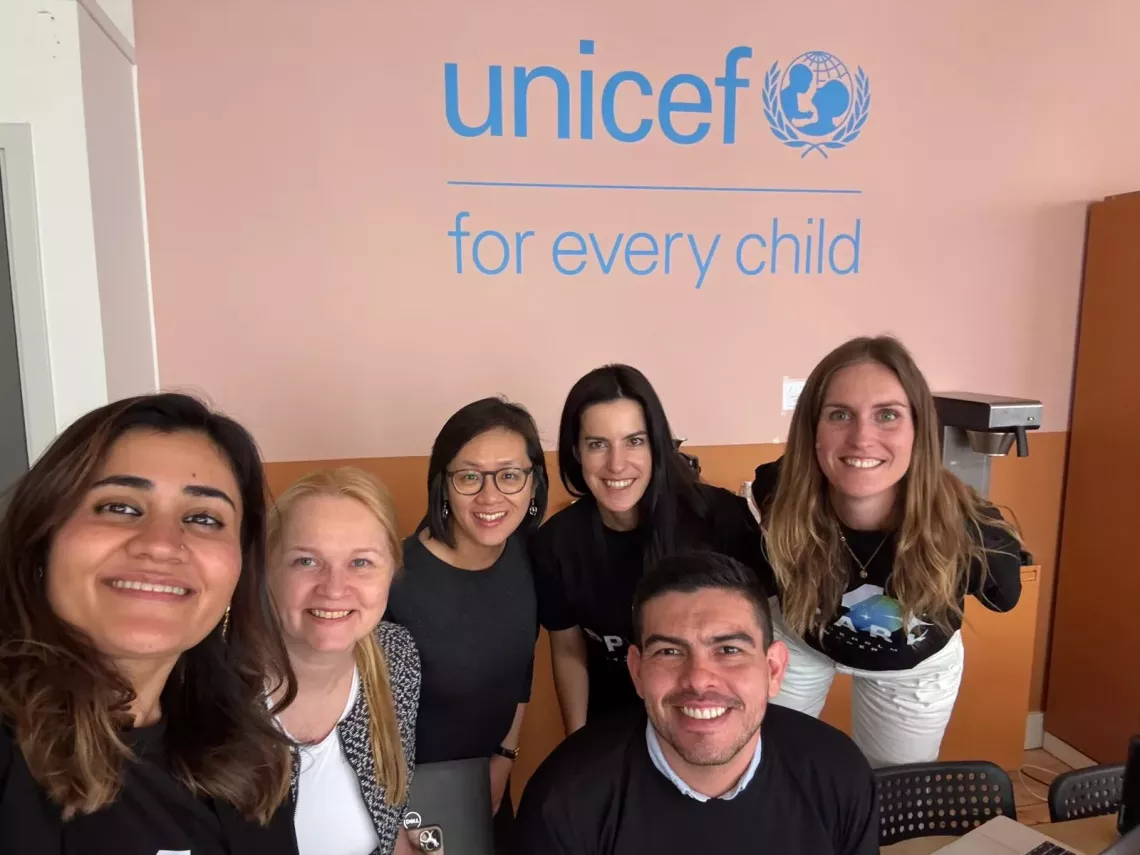




Let’s accelerate the future of innovation, together
We are looking for:
- investors who believe in accelerating solutions that scale.
- mentors to guide the next wave of social innovation.
- country partners to co-create new models of acceleration tailored to local systems and global impact.
Are you ready to innovate with Spark? Send a message to Elinor Samuelsson, [email protected], SPARK Global Leab, UNICEF Office of Innovation.
Let’s make what works go further and faster, for every child.


