Sierra Leone’s Digital Revolution
How youth are shaping the future through Digital Public Goods and open source innovation
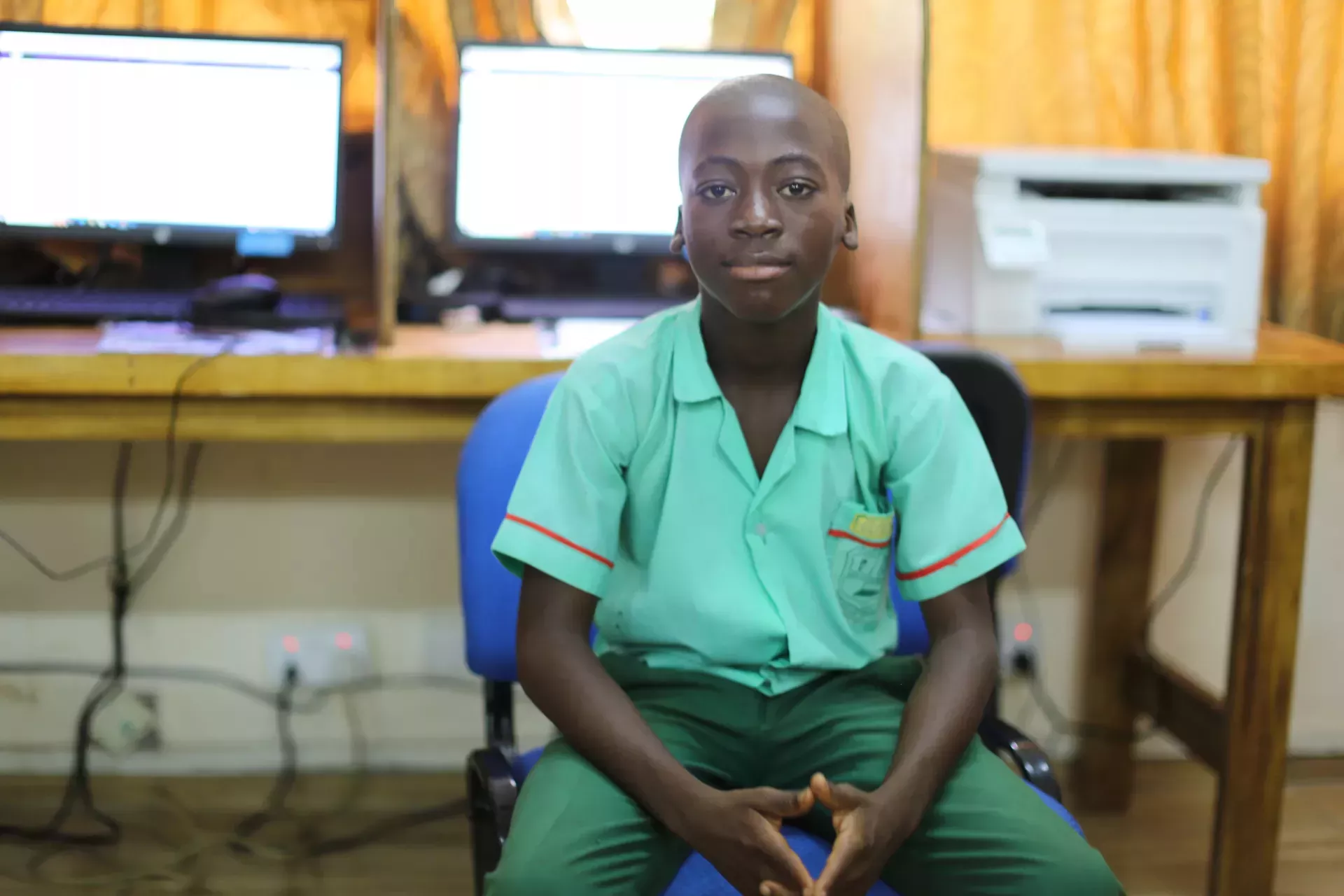
Sierra Leone is undergoing a digital transformation, and young people are leading the charge. Digital Public Goods (DPGs)—open source technologies designed to solve global challenges while enabling local innovation—are at the heart of this movement. Until recently, few in the country were aware of their potential. But that is changing.
"Before the seminar, I had never heard about DPGs, let alone the benefits they can provide to a country like Sierra Leone," says Ibrahim Sheriff, a student at Eastern Technical University. "As the young generation, we should explore more about DPGs and look for ways we can contribute to the movement."
With support from UNICEF and national partners, a new wave of innovators is embracing DPGs as tools to improve education, healthcare, and economic inclusion. This support extends beyond exposure to new technologies. It includes hands-on learning, mentoring, and the creation of a pool of local talent. Through platforms like the DPG Pipeline and the formation of a national Steering Committee, the initiative is helping embed open source principles into national systems—shifting Sierra Leone from tech consumer to tech creator.
At the core of UNICEF’s global DPG strategy is supporting countries to adapt and govern open source solutions while investing in the people and institutions that sustain them. Alongside the Government of Sierra Leone, this means anchoring innovation in higher education, national governance structures, and youth-led design.
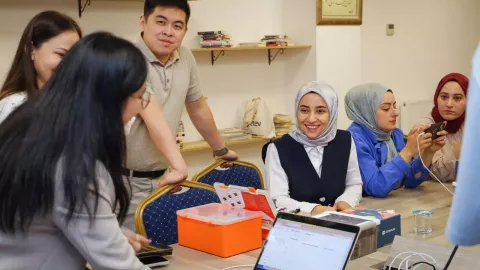
For many students, these efforts are unlocking new ways of thinking. "As someone not directly in the tech field, I haven't paid much attention to these ideas before," says Hawa Aruna from AI Professional College. "The presentation on DPGs helped me see how they can benefit other sectors and contribute to the greater good."
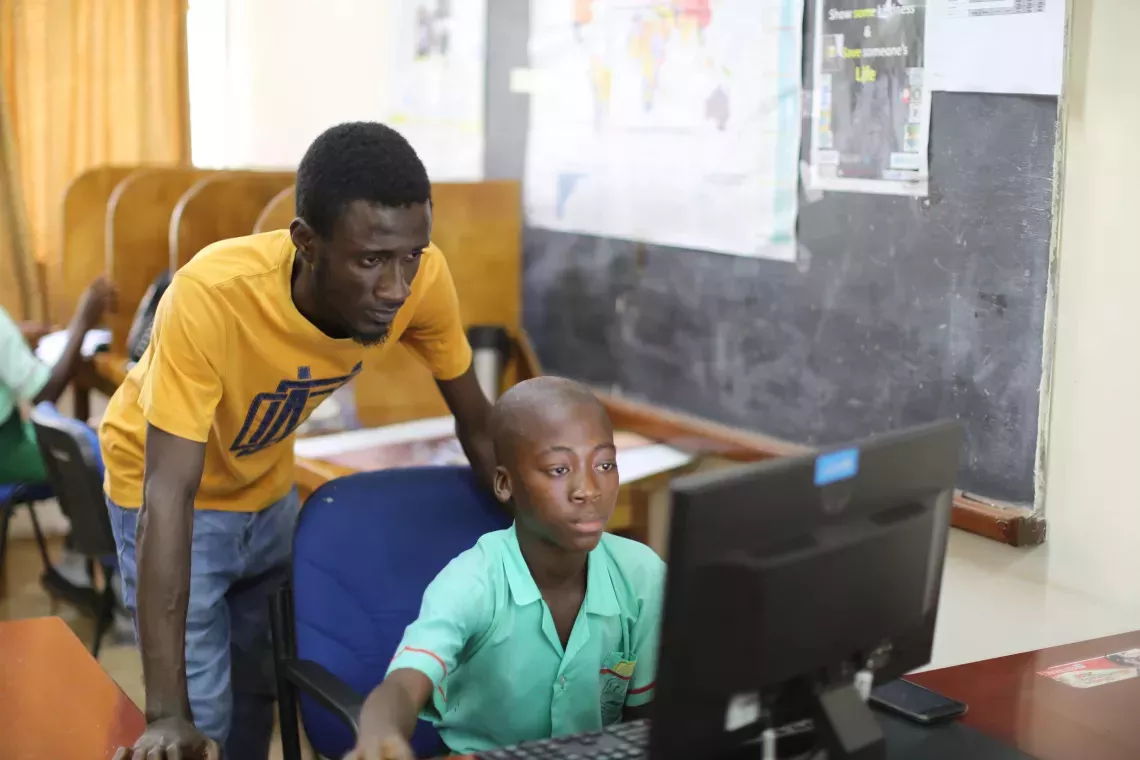
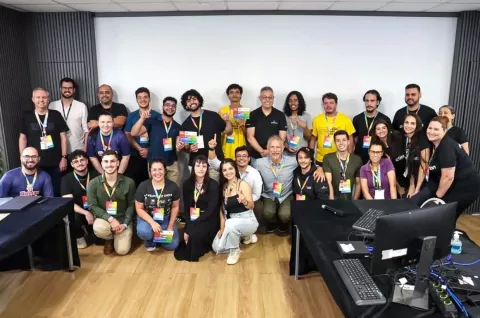
To bridge the gap between theory and practice, the DPG University Champions programme equips students with tools, training, and access to mentorship. In its first phase, 14 students from institutions such as Fourah Bay College, Limkokwing University of Creative Technology, Njala University, and AI Professional College were selected. More than half are young women—marking progress toward greater gender inclusion in tech.
These Champions are doing more than learning—they’re becoming catalysts. By building peer networks, leading events, and sharing knowledge, they’re embedding open source thinking into their universities and communities. And, their work is yielding results.
Leh we talk, a digital learning platform, is making sign language more accessible. Teacher Lemp Lemp, developed by a local team, uses artificial intelligence (AI) to improve learning outcomes. In the health sector, PReSTrack is strengthening maternal care through digital tracking and support. Each of these DPGs responds to local needs while aligning with global standards—proof that context-specific innovation can scale.
Local organizations are also stepping in. The Christex Foundation, for example, mentors winners of the Girls’ Education Innovation Challenge and Health Hackathon and is helping develop DPG-focused content for UNICEF’s Learning Passport. Through such partnerships, open source education is becoming more accessible—and more sustainable.
"As a student, understanding the principles of non-excludability and non-rivalry in digital resources was fascinating," says David S. Conteh from AI Professional College. "It made me realize how open source solutions can build a more inclusive future. Platforms like DHIS2 are game changers—I hope to see more projects like that here."
To sustain momentum, UNICEF and its partners are scaling their efforts through Tour d’Force, a new initiative led by the Directorate of Science, Technology, and Innovation. The programme will extend the network of digital champions to more universities, encourage integration of DPG concepts into curricula, and deepen collaboration across sectors.
These investments reflect a long-term vision: building an ecosystem where young innovators can drive Sierra Leone’s digital future. By supporting local ownership, aligning with national priorities, and embedding DPGs into education and governance, UNICEF is helping lay the foundation for sustainable, inclusive digital transformation.