From game jam to game changer: Girls in Brazil coding their futures
For many young people, especially girls, video game design is opening doors to confidence, creativity and careers in technology

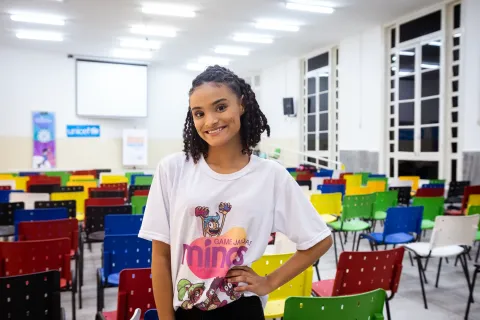
Florismar da Silva Bezerra, 20, remembers the exact moment the panic set in. She and her teammates had just learned the theme of their first game jam, and they had 48 hours to turn an idea into a playable game. She had experimented with a programming language before, but only barely.
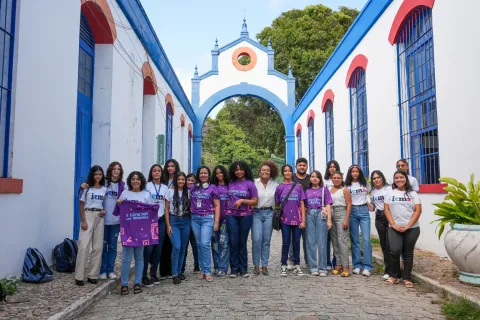
That weekend, at the Instituto de Educação, Ciência e Tecnologia do Maranhão (IEMA) in São Luís, Brazil, changed the direction of her life. Florismar built characters, chose colours, shaped a storyline about a girl searching for a new planet after her own began to collapse. She discovered, almost by accident, that she loved digital design.
“Taking part in this project was a turning point for me. I said to myself, ‘I matter, I can do this, I have this ability as much as they do.’ That brought me a lot of confidence,” she recalls.
Three years later, Florismar is studying toward a computer science degree at the Federal University of Maranhão and has been invited back to the third edition of the game jam, this time as a judge.
Her story is one of thousands unfolding across Brazil and ten other countries through the Game Changers Coalition (GCC), a UNICEF initiative that uses video game design and game-based learning to help young people build future-ready skills.
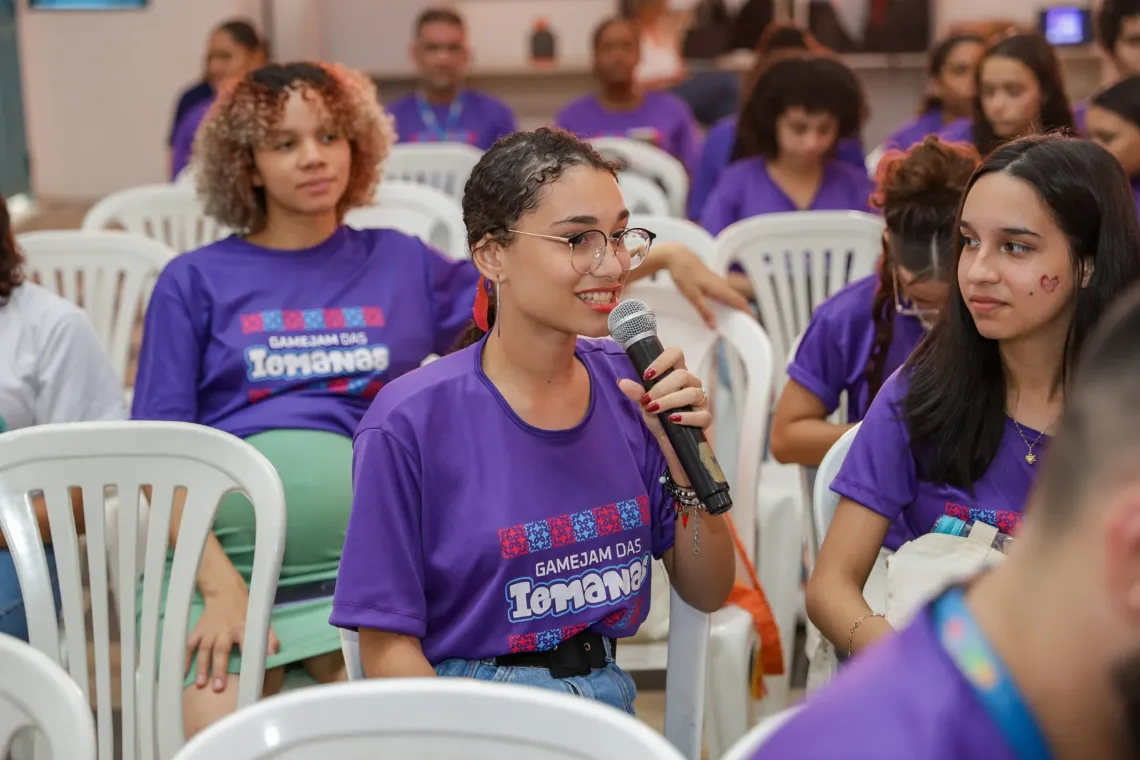
Across emerging economies, young people, especially girls, continue to face barriers to technology and STEAM education and careers, from persistent stereotypes and limited opportunities to education systems that fail to engage them early enough. Video games can help change that.
Beyond its vast reach, gaming has become one of the world’s most effective informal learning environments. Through play, young people solve problems, collaborate, experiment, adapt and try again. They build curiosity, persistence, creativity, technical abilities and systems thinking, many of the skills increasingly valued in today’s economy.
Gaming also offers a more accessible and engaging pathway to these skills than traditional learning models. For Hevelyn Fernanda Serra and Giovanna Silva Santos, 20-year-old former classmates who competed in the same game jam cohort as Florismar, the experience went beyond learning to code and design a game.
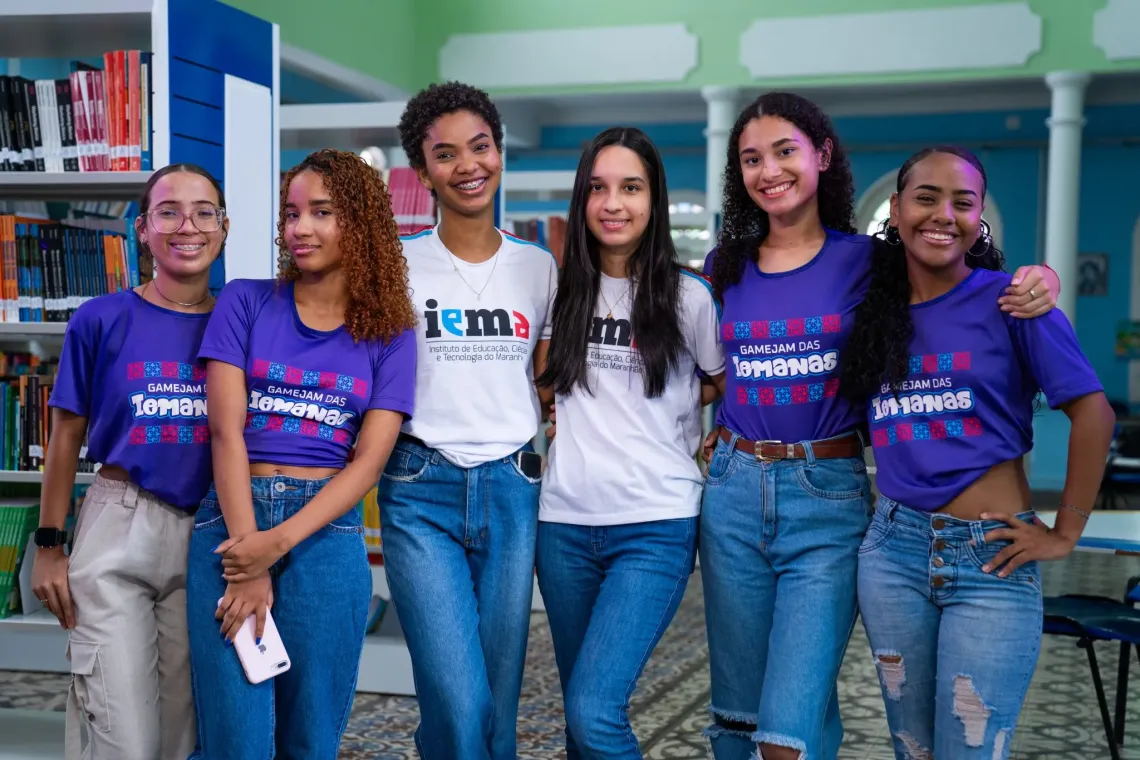
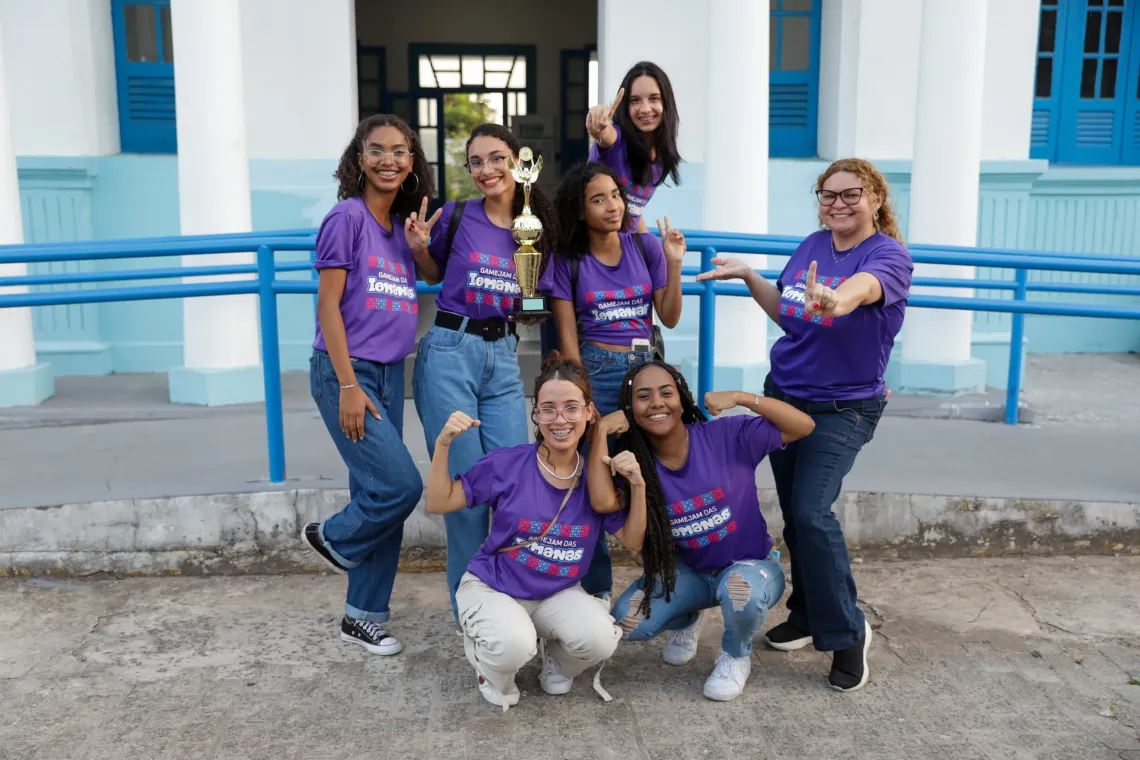
Giovanna took on what she calls the team’s “CEO” role, scheduling, making decisions, and leading on the final pitch.
“I really enjoyed the Game Jam …I learned a lot about the pillars of leadership, and even more about working across different, cross-disciplinary teams.”
Hevelyn split her time between organising the team and writing code alongside a teammate, in what was her first experience with programming. “I learned a lot about teamwork […], how to keep them efficient during an event that becomes a little stressful because of the time pressure,” she says. “We’re still friends to this day, and we root for each other, just like we did during the Game Jam.”
The young women describe their participation in the Game Changers Coalition as the moment they stopped doubting whether they belonged in technology. In Giovanna’s class today, only five of roughly 40 software engineering students are women. About the competition, she says it gave her “a lot more confidence that I really can do it, just like everyone else, and that I can do it well.
The data behind the stories
A new independent assessment of GCC’s 2025 cycle in São Luís, based on surveys of 336 students and 71 teachers, reinforces what Florismar, Giovanna, Hevelyn and thousands of girls like them describe: a lasting shift in confidence and ambition.
Girls who participated in the Game Jams consistently rated themselves more highly than their peers in the skills the programme seeks to develop. Seventy-one per cent reported strong collaboration skills, the highest-rated capability in the survey. When facing technical setbacks, 45 per cent said they persisted and actively sought solutions, compared with roughly a third of non-participating girls and boys, the widest gap recorded.

The findings are significant against a persistent global disparity: women account for just 35 per cent of STEM graduates, a figure UNESCO says has barely changed over the past decade. Could games help shift the trend? Among GCC participants, 90 per cent said they enjoyed STEAM learning, compared with 69 per cent of non-participating girls. More than half expressed interest in a STEAM career, versus 34 per cent of girls in the comparison group.
Building on uneven ground
None of this happened in ideal conditions. São Luís is a city where only 15.9 per cent of schools have adequate basic infrastructure, and where a third of the surveyed students said they had never had access to a computer at home. Girls also carried the weight of gender dynamics that often predominate in this space. More than 80 per cent of GCC participants said they had noticed unequal treatment based on gender in gaming and technology spaces.
“Sometimes we open a videogame, and the female character is hyper-sexualised. That ends up pushing us away from the field and demotivating us,” one participant said. But another participant described what the researchers found to be a consistent theme: school, and the game jam experience specifically, felt different.
“I was always very drawn to technology and wanted to work with it, but I gave up. Now, after the game jam, I’m rethinking my path, and it makes me excited for the future,” she said.

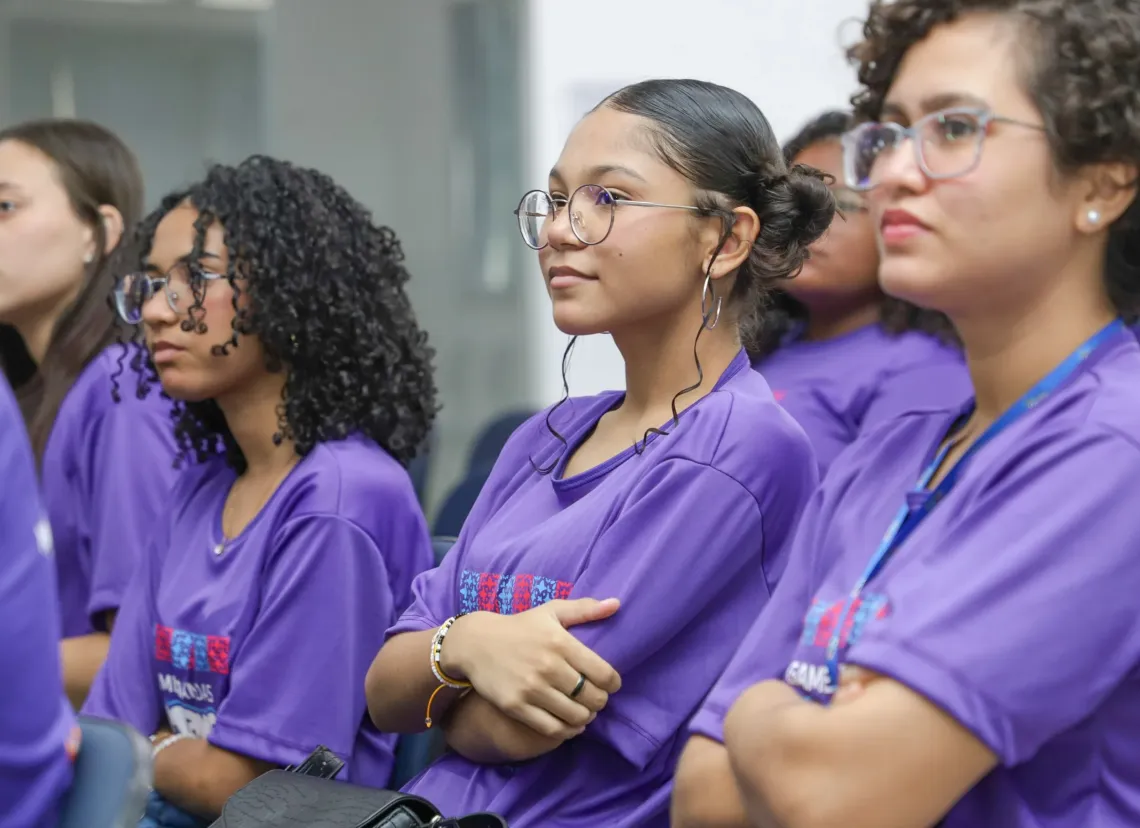

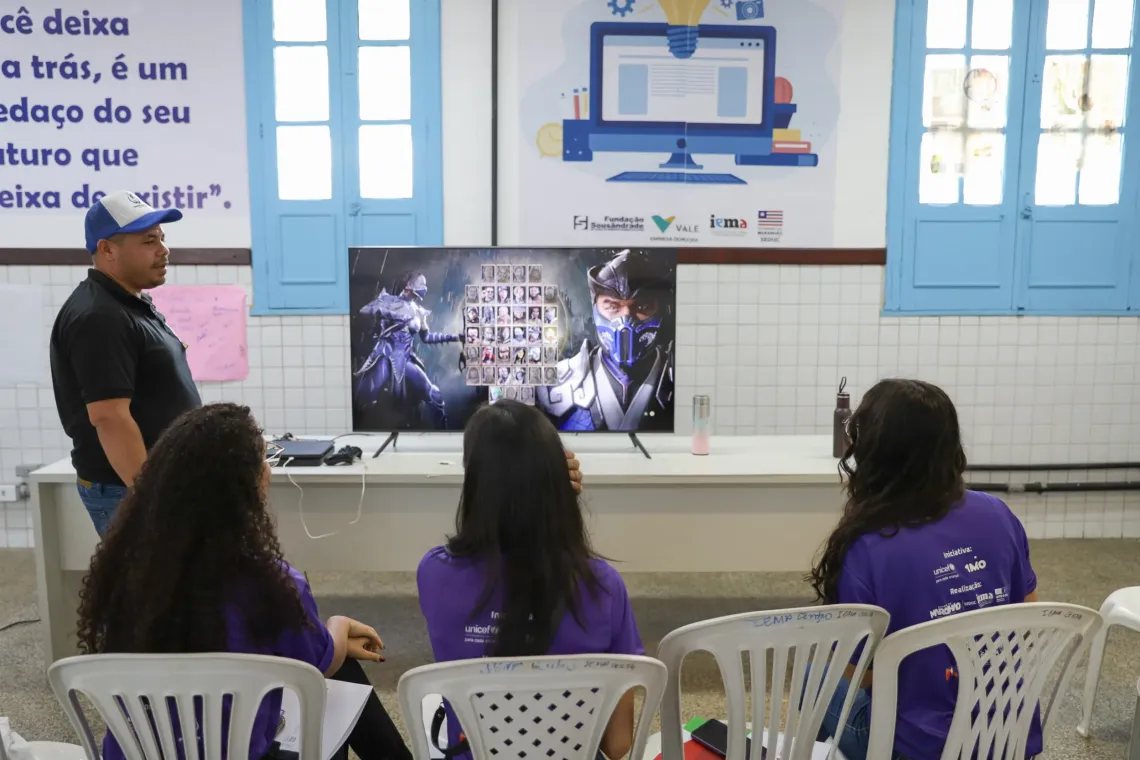


From game jams to a scalable learning curriculum
What began with pilot game jams in São Luís and Recife in 2023 is now becoming part of how young people learn across Brazil.
In partnership with the São Paulo State Secretariat of Education, GCC’s approach has been incorporated into coursework for third-year high school students across a network of approximately 5,000 schools.
In Maranhão, the programme is reaching young people through IEMA’s 84 education centres spread across its 217 municipalities, along with the 1 Million Opportunities (1MiO) platform, which has made the GCC curriculum accessible to more than 22,000 students and 6,000 teachers. The success of the pilot, combined with students’ calls for its expansion, has led to game design becoming an official subject in the state’s public school curriculum.
In 2025 alone, the Game Changers Coalition reached more than 330,000 people across Brazil.
Playing with purpose
Through GCC and with support from like-minded partners the Global Video Games Coalition and Bitget, young people in emerging economies, especially girls, are entering fields of study and careers they once assumed weren’t for them.
After her first Game Jam, Florismar discovered she was “genuinely good at the design and creation side of things.” She now plans to move from pixel art into 3D design in her studies. Hevelyn is looking forward to graduating and joining companies in the data field. Giovanna plans to pursue data engineering. “I might change routes, though, maybe explore AI. And I still have a passion for games,” she says. The world is their oyster.
Gaming is one of the most powerful cultural spaces engaging and shaping the lives of children and young people today. UNICEF works alongside partners across the gaming industry to unlock its potential to deliver positive outcomes for children and young people. Together, we’re making gaming a force for joy and purpose.