Digital Skills Drive ‘Creativity and Connection’
Equipping young people to thrive in a digital world in collaboration with the tech and video game sectors
UNICEF’s Game Changers Coalition (GCC) is on a mission to equip young people with the skills they need to create an equitable digital future.
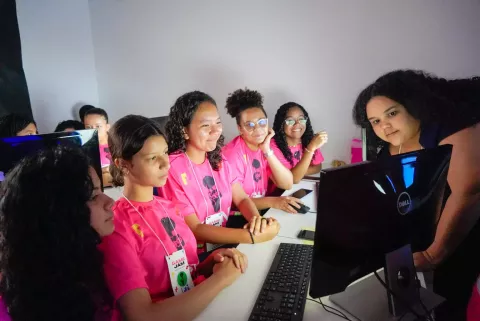
Using innovative approaches including video game development, the GCC curriculum transforms digital and STEAM (Science, Technology, Engineering, Arts and Mathematics) education into an inspiring journey that nurtures confidence, encourages teamwork and facilitates critical thinking, equipping young people to lead and thrive in an increasingly digital world.
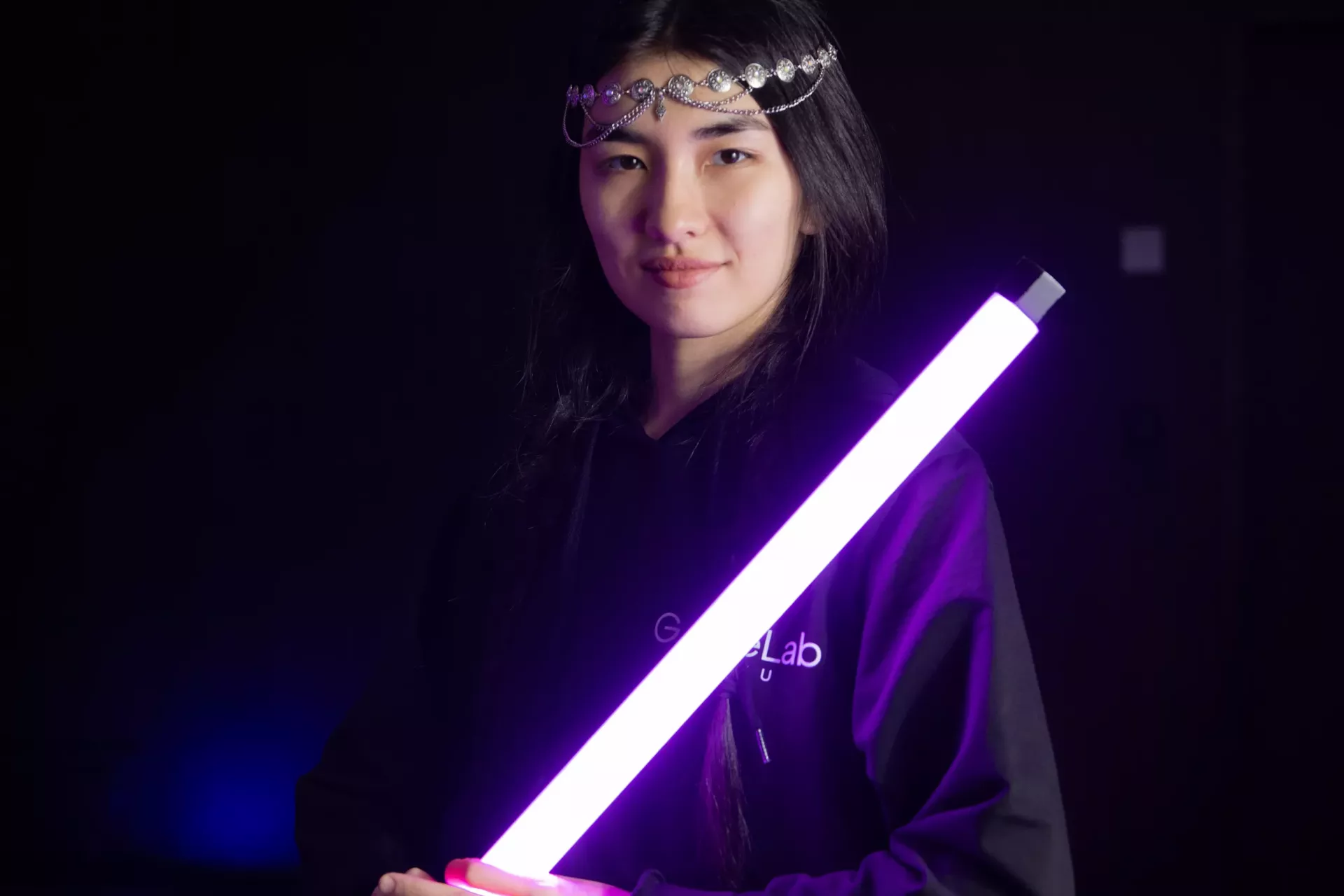
“What we are creating together shows that play can be a force for well-being, creativity and connection, where every young person can live, create and thrive,” says Nazym Zhumabayeva, a video game developer, GCC mentor and Junior Researcher at GameLab at the Kazakh-British Technical University in Almaty.

Story-driven learning
There are approximately two billion players of video games globally, and almost half are female, yet only a quarter of those working in video game development are women. GCC bridges this global digital gender gap by providing adolescent girls with the skills to transition from playing, to learning, to earning.
The GCC curriculum was designed to address global challenges such as inequality and digital exclusion by transforming traditional STEAM education into engaging, story-driven game creation experiences.
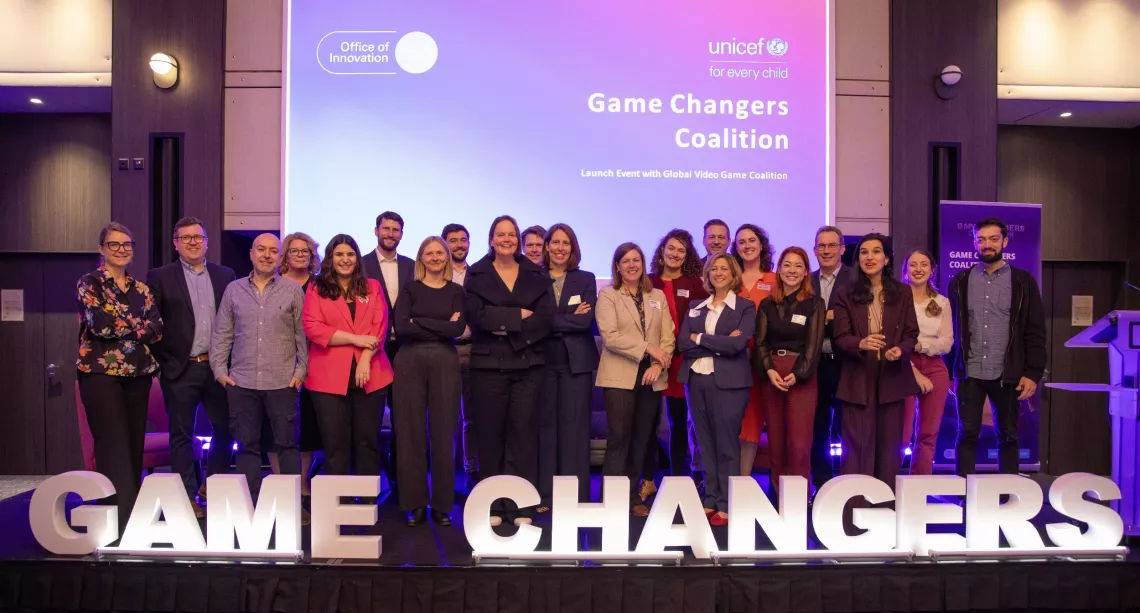
Aligned on a shared ambition to reach 1 million students by 2027, GCC includes global leaders in the tech and video game industry – including Bitget, Micron Foundation and the Global Video Game Coalition represented by its co-chairs Entertainment Software Association and Video Games Europe, and in collaboration with Electronic Arts (EA), Roblox, Ubisoft and Sony Interactive Entertainment.
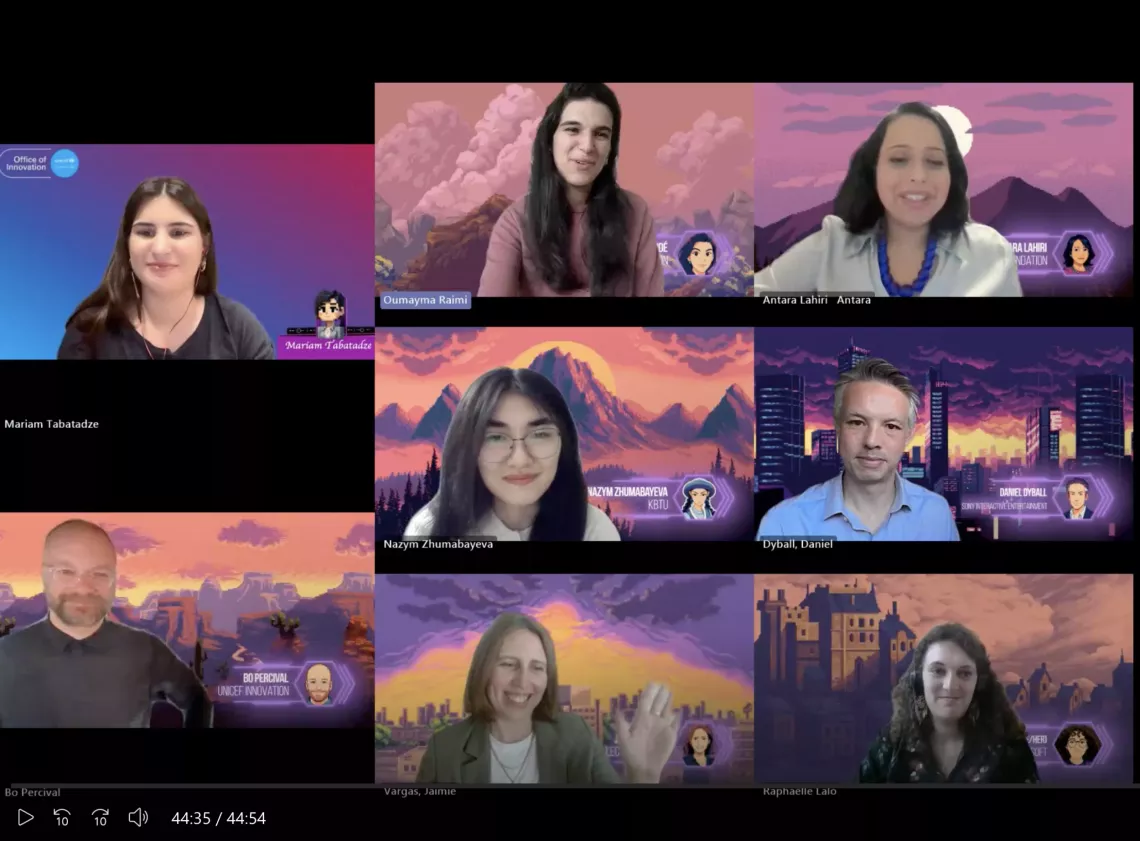
“No organization can do this work alone,” says Raphaëlle Lalo, Director of Diversity and Inclusion for Europe, Middle East and Asia-Pacific at Ubisoft. “To truly unlock potential, we must be intentional and inclusive, we must be bold and keep building bridges between different spaces: industry leaders, community, schools and generations.”
A model for change at scale
In 2023, GCC launched in six countries – Armenia, Brazil, Cambodia, India, Kazakhstan and South Africa – and has since expanded to Malaysia and Morocco, engaging with154,000 adolescent girls, parents and teachers. “We believe that the Game Changers Coalition is a great initiative to help girls around the world get into STEAM careers,” says Daniel Dyball, Director of UK and Asia-Pacific Public Policy at Sony Interactive Entertainment.
The impact for the adolescent girls involved is powerful, says Antara Lahiri, Director for Asia-Pacific and Europe at Micron Foundation: “This focus on STEAM skills is essential for future careers, where the building blocks of STEAM education, such as critical thinking, problem solving and digital literacy are fundamental for success. It is up to us – governments, schools, communities – to make sure that every young person, especially those from underserved backgrounds, actually have access to this opportunity.”
There are benefits for the video game industry too, because GCC is dramatically expanding the ranks of skilled, aspiring game developers of the future, by teaching digital skills to those who often feel excluded. “When those voices come into our industry, they inspire new ideas, and they make games more reflective of the world we live in,” says Jaimie Vargas, Head of Global Social Impact at EA.
More than 3,000 video games addressing issues such as cultural identity, gender equality, mental health and more have been created at GCC game jams, often by girls with little or no previous game development experience.
As GCC evolves and expands, the mission is clear and urgent: to empower every young person – and especially girls – to become confident creators and leaders in the digital world of tomorrow. Together with industry partners, this vision is becoming a reality, inspiring young minds to thrive in the digital revolution.