AI for impact: delivering for children

Innovation Insights Dialogue 2026 explored how responsible AI can deliver social impact returns for children, strengthening systems for sustainable scale in the world’s most demanding contexts.

UNICEF Innovation
Plenary discussion during Innovation Insights Dialogue 2026
UNICEF/Jonas Borg
08 June 2026

Tech, philanthropic, government, academic and multilateral sector leaders and changemakers gathered in Stockholm, Sweden, to share lessons and a bold ambition to advance impact for children and young people through a network of partners and collaborators committed to building responsible artificial intelligence (AI).

Hosted by UNICEF’s Office of Innovation (OOI), Innovation Insights Dialogue (IID) 2026 embraced possibility-driven innovation through thoughtful discussions of what responsible AI means, and how to move beyond pilots to trusted, scalable use cases embedded within public systems that improve outcomes for this and coming generations. 

“What we do – or don’t do – with AI will change the world the next generation grows up in,” said Thomas Davin, OOI’s Global Director. How that world looks, is up to everyone added: “It requires all of us stepping in to define the systems, values and impact we want for parents, for children, for everyone.” 

Thomas Davin, UNICEF Office of Innovation's Global Director
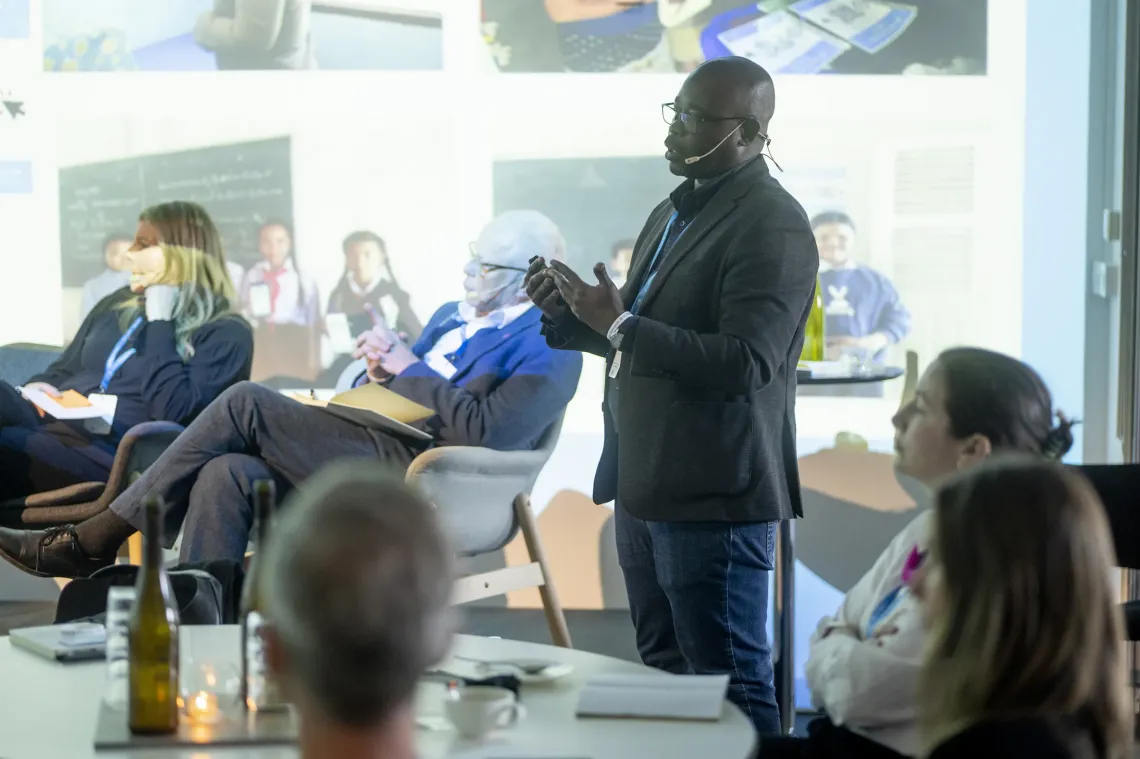
Opening remarks; Thomas Davin, Director, UNICEF Office of Innovation Opening remarks; Thomas Davin, Director, UNICEF Office of Innovation
UNICEF/Jonas Borg Thomas Davin, Director, UNICEF Office of Innovation, delivers opening remarks.
Fran Baker, Director of Sustainability, Social Impact and Innovation, Arm Ltd Fran Baker, Director of Sustainability, Social Impact and Innovation, Arm Ltd
UNICEF/Jonas Borg Fran Baker, Director of Sustainability, Social Impact and Innovation, Arm Ltd, during the panel discussion 'Maximizing Catalytic Partnership with the Tech Industry'

It is already clear that AI can strengthen frontline health delivery, reinforce institutional capacity, and improve measurable outcomes for children. Solutions supported by UNICEF – including air pollution monitoring, cash transfers, youth skills for social innovation and edtech for children – are the proof points for AI’s potential in emerging markets. 


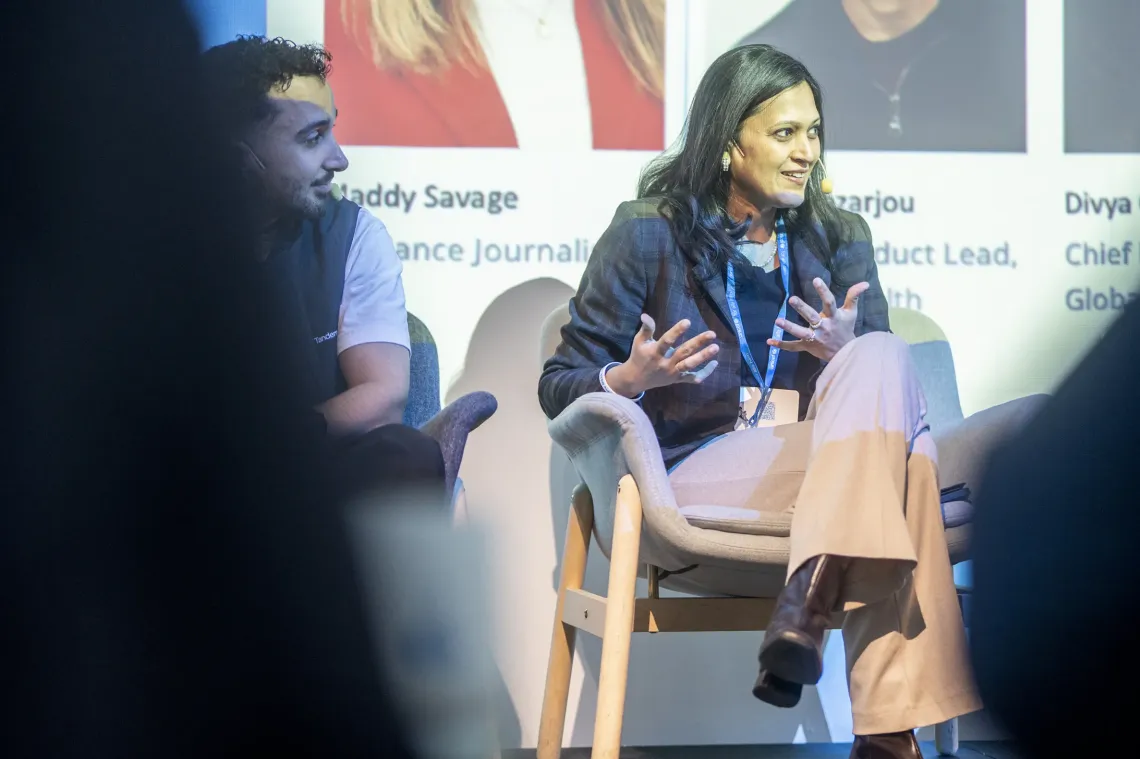
Divya Gupta, Chief Business Officer, Global Health, Qure.ai Divya Gupta, Chief Business Officer, Global Health, Qure.ai
UNICEF/Jonas Borg
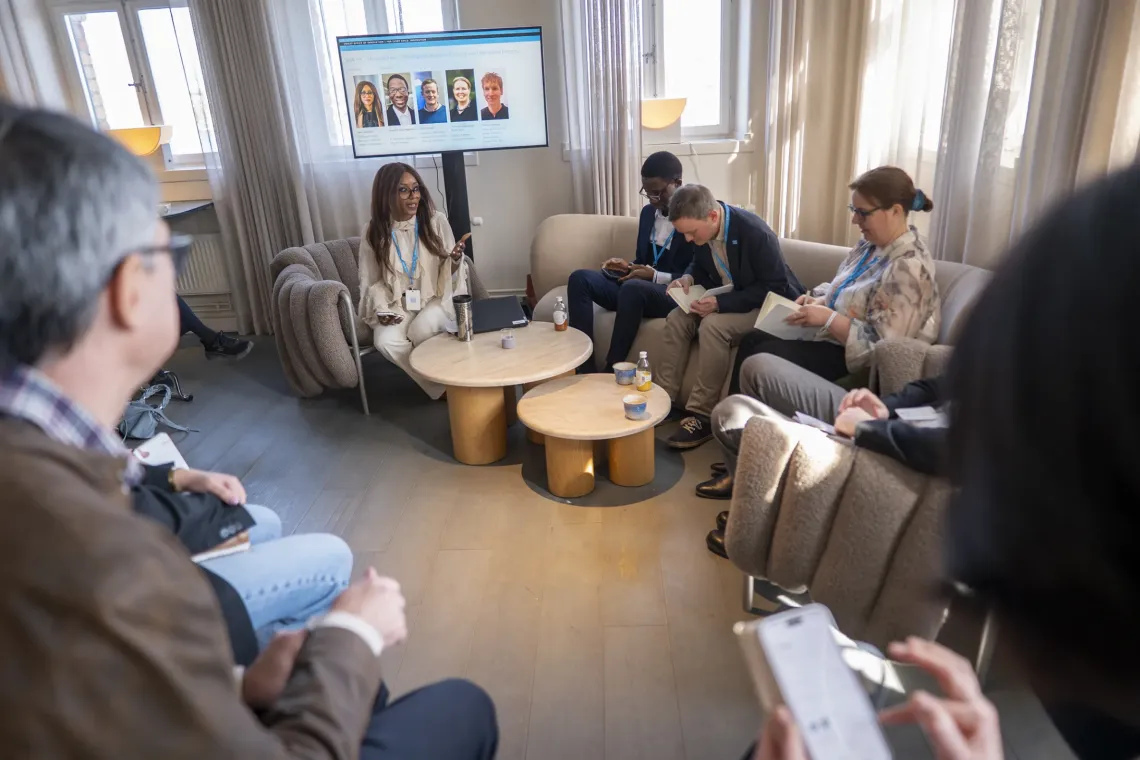
Thematic lab discussion on 'Humanitarian – Efficiency and Access to Financial and Operational Integrity' Thematic lab discussion on 'Humanitarian – Efficiency and Access to Financial and Operational Integrity'
UNICEF/Jonas Borg
Jonatan Henriksson, Deputy Director, Focal point for UNICEF, Department for Multilateral Governance and Humanitarian Policy, Swedish Ministry for Foreign Affairs Jonatan Henriksson, Deputy Director, Focal point for UNICEF, Department for Multilateral Governance and Humanitarian Policy, Swedish Ministry for Foreign Affairs
UNICEF/Jonas Borg
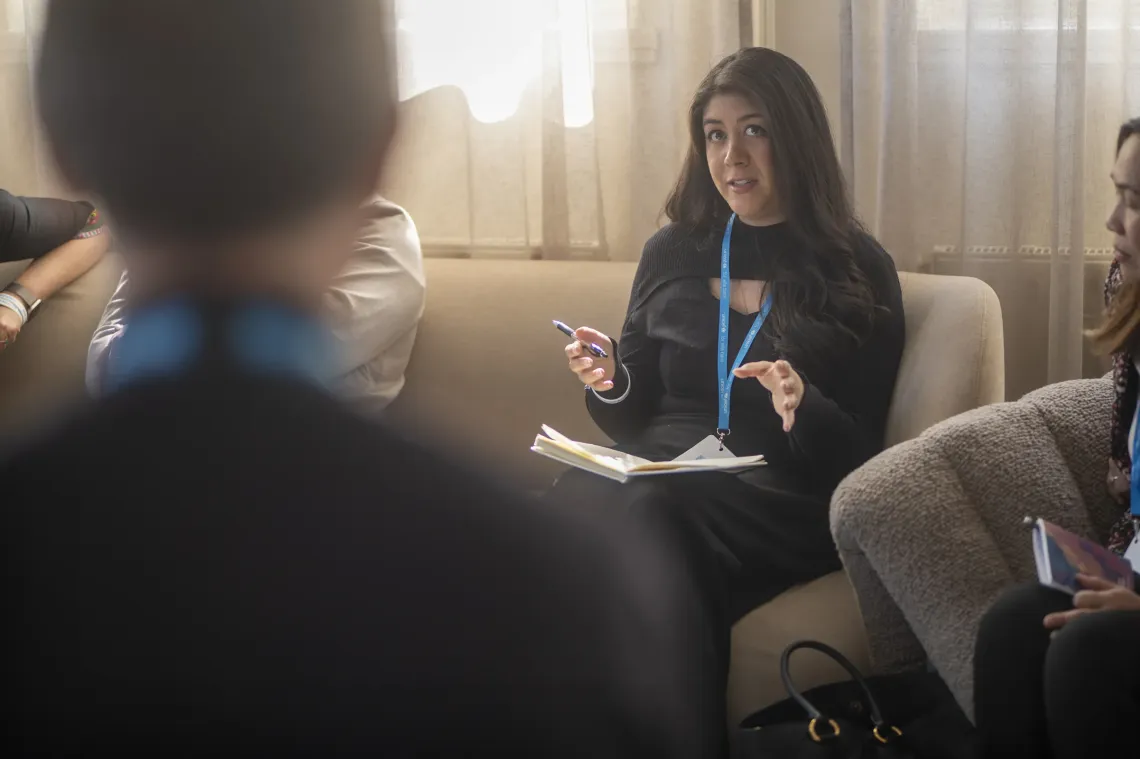
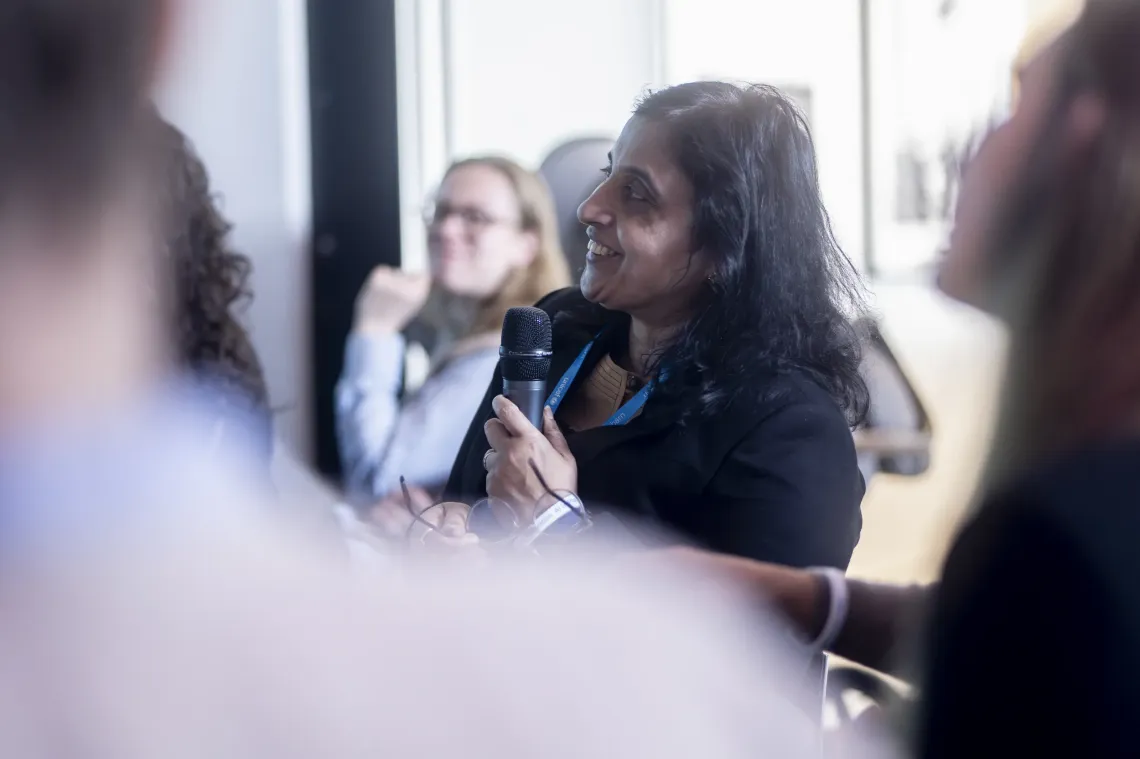
Alejandra Arreola Ruiz, Trust, Safety and Policy Lead, Lovable  Alejandra Arreola Ruiz, Trust, Safety and Policy Lead, Lovable
UNICEF/Jonas Borg Alejandra Arreola Ruiz, Trust, Safety and Policy Lead, Lovable

“The key takeaway for us, related to our work in low-income country settings, is being mindful of the safety and reliability of AI.”
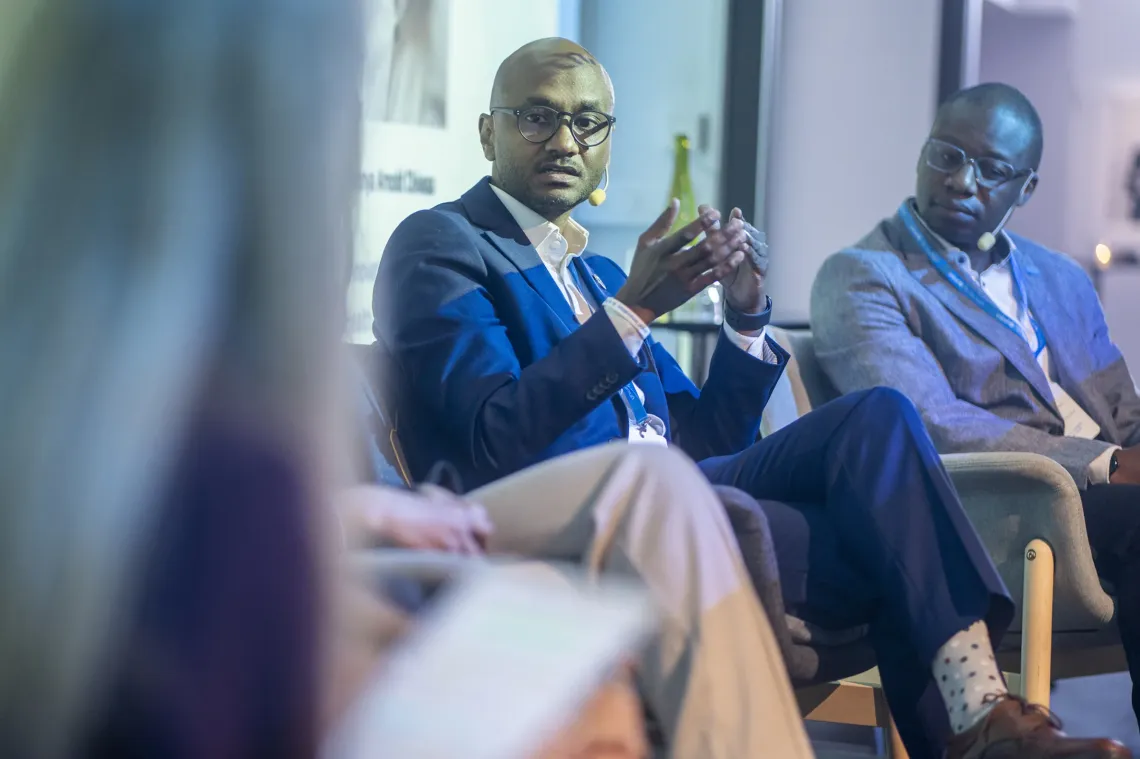
Mo Ibrahim, CEO, IVS Health
Mo Ibrahim
UNICEF/Jonas Borg

The day’s five deep-dive sessions interrogated AI in primary health services, humanitarian cash programming, climate data systems, learning and skills development.

Health technologists, humanitarian specialists, climate advisors, educators and policy leaders shared deep knowledge and understanding that is critical to advancing AI impact for children and young people. The discussions underscored that responsible AI for children is not built in isolation but through conversations that are candid, rigorous and grounded in experience. 


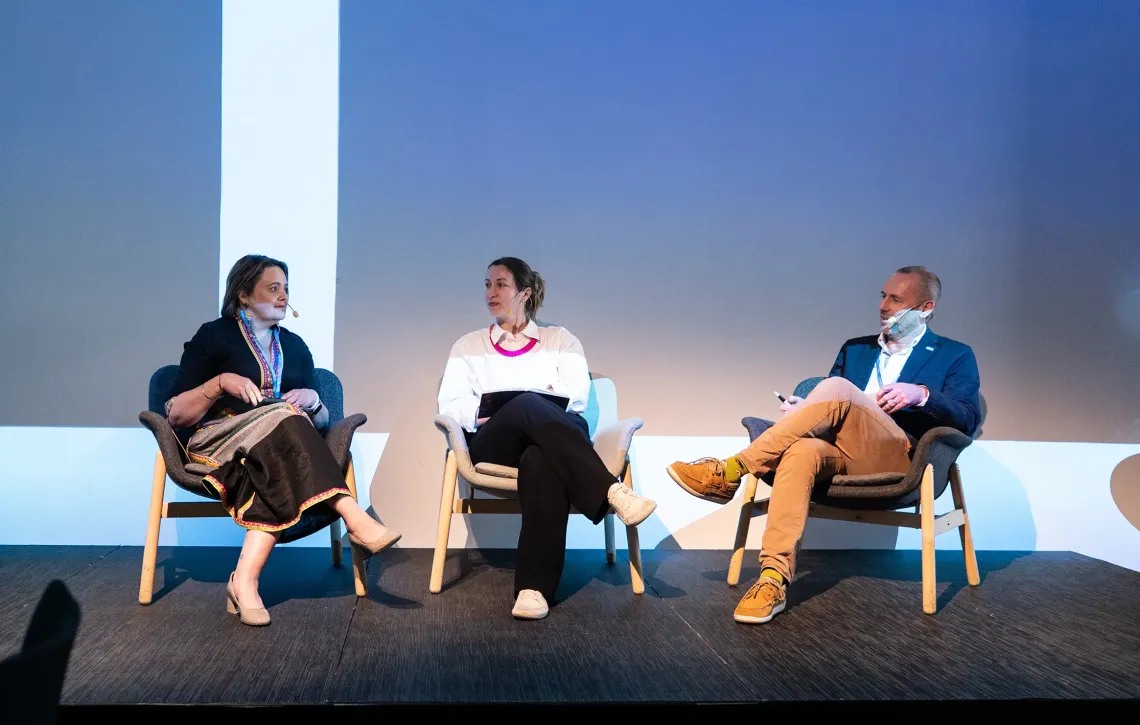
Speakers on stage Speakers on stage
UNICEF/Jonas Borg Plenary: Maximizing Catalytic Partnership with the Tech Industry
Professor Shyama Rath, All India Council for Technical Education  Professor Shyama Rath, All India Council for Technical Education
UNICEF/Jonas Borg Professor Shyama Rath, All India Council for Technical Education, Government of India
Soheib Abdalla, Technology for Development Officer, UNICEF Laos Country Office Soheib Abdalla, Technology for Development Officer, UNICEF Laos Country Office
UNICEF/Jonas Borg Soheib Abdalla, Technology for Development Officer, UNICEF Laos Country Office
Jannie Jeppesen, CEO, Swedish Edtech Industry Jannie Jeppesen, CEO, Swedish Edtech Industry
UNICEF/Jonas Borg Jannie Jeppesen, CEO, Swedish Edtech Industry

Google DeepMind is developing AI to solve problems. And we can't do that without people understanding each other.”

Dixie O’Donnell, Global Policy Lead at Google

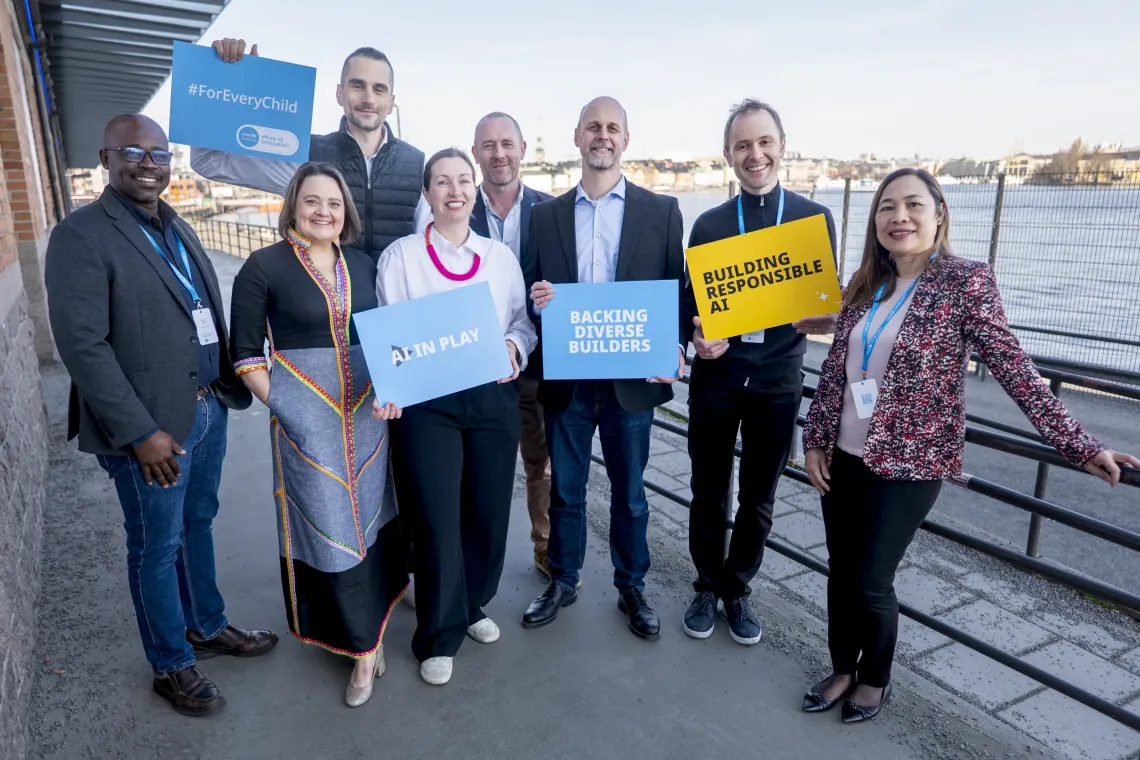
At the centre of discussions was AI in Play, UNICEF’s purpose-driven platform for tech industry leaders to come together in collective action. Co-designed and supported by Arm, AI in Play is building responsible AI use cases that tackle global inequities, backing diverse AI solution builders today and equipping generations of young people with AI literacy so they are creators of AI solutions of the future. 


Arm and UNICEF group photo Arm and UNICEF group photo
UNICEF/Jonas Borg Soheib Abdalla, Technology for Development Officer, UNICEF Laos Country Office; Patty Alleman, Lead, Strategic Partnerships, UNICEF Office of Innovation; Fran Baker, Director of Sustainability, Social Impact and Innovation, Arm Ltd; Bartholomäus Renka, VP Sales EMEAI, Arm Ltd; Shane O’Connor, Emerging Technologies Lead, UNICEF Office of Innovation; Anders Fyhn, HW Verification Team Lead, Arm Ltd; Øystein Gjermundnes, Director of Verification, Arm Ltd; Leotes Lugo Helin, Education Manager, UNICEF Digital Education and Learning Innovation Global Hub
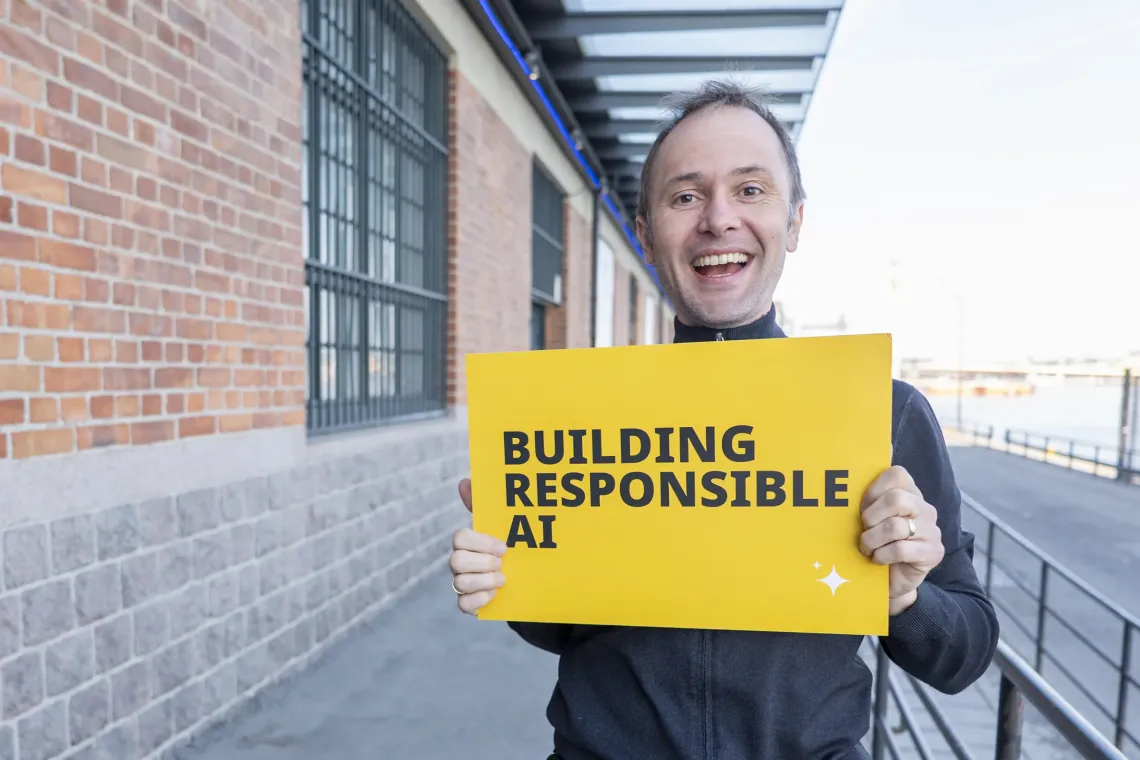
Man with signage Man with signage
UNICEF/Jonas Borg Øystein Gjermundnes, Director of Verification, Arm Ltd