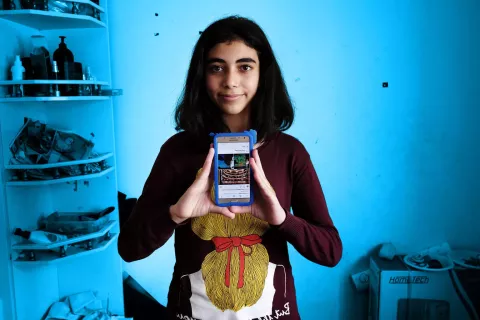
Impact Brief 2026
Innovation for Children: High Stakes. Real Impact

About the Impact Brief
For hundreds of millions of children in 2025, the safety nets built over decades began to give way – all at once. Geopolitical fracture and economic volatility collided with sweeping funding cuts: at least 14 million children faced disruptions to critical nutrition services, leaving them at heightened risk of severe malnutrition and death; international aid to education was projected to fall by USD 3.2 billion – enough to push six million more children out of school; and more than 213 million children across 146 countries required humanitarian assistance at a time when the system built to reach them was under strain.
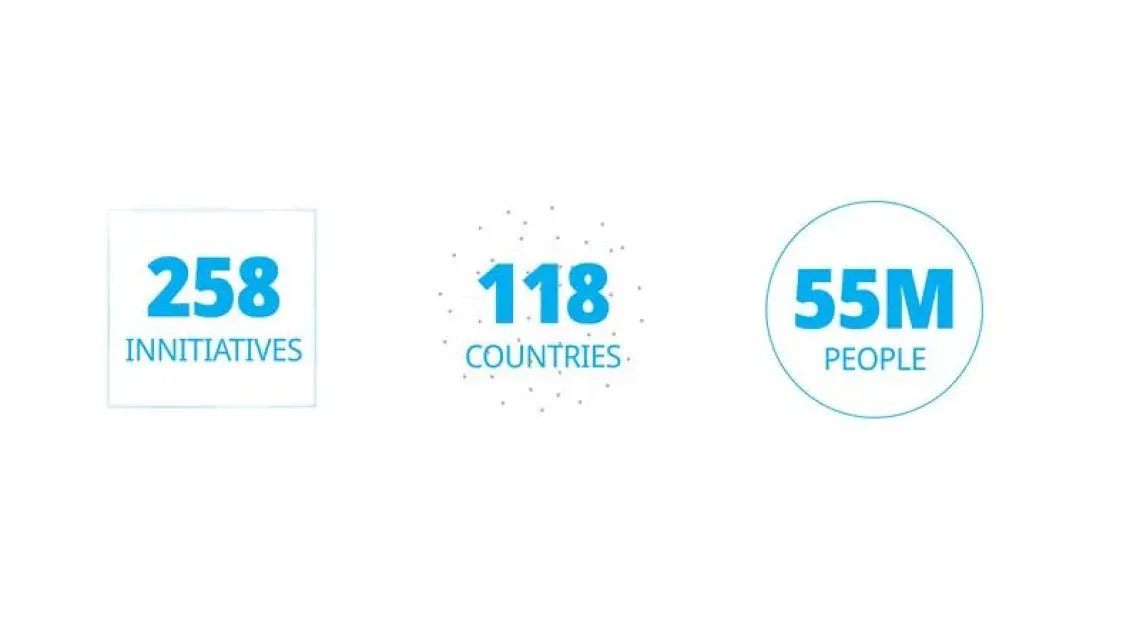
In this context, innovation is not optional. It is part of how UNICEF delivers. Over the past five years, the Office of Innovation (OOI) has built an approach designed to take on the most difficult challenges in children’s lives – not through isolated pilots, but by strengthening systems so they can hold under pressure. By the end of 2025, this approach had supported 258 initiatives across 118 countries, reaching 55 million people directly and an estimated 180 million more indirectly. No one institution can meet this moment alone; it has required a substantive collective effort – catalytic partnerships grounded in shared priorities and mutual accountability – to move from experimentation to impact and to ensure that the most vulnerable children are not left behind.
AI in Play
AI is the defining technology of this generation. The risks are real, and the guardrails are essential. Across learning, health, and climate, AI is reshaping systems at a scale few technologies have before – and UNICEF’s Office of Innovation is focused on ensuring this transformation works for children.
At the centre of this effort is AI in Play, a purpose-driven partnership platform and decade-long collaboration with Arm. It reflects a broader approach: bring together the right partners, back diverse builders, and apply AI where it can strengthen systems and deliver impact at scale – particularly in contexts often left out of mainstream innovation.
“Decisions made today will determine whether AI amplifies inequality or helps dismantle it. UNICEF will not sit on the sidelines. We are convening governments, backing innovators, shaping governance and building proof points of responsible, child-centred AI. The tools to meet urgent needs exist, what is needed are the partnerships and commitments to act: together, at scale and without delay.”
Katherine Hoffmann Pham, AI Lead, UNICEF Office of Innovation
Ventures and Emerging Technologies: Backing What Works
Scaling innovation requires more than successful pilots – it requires investor confidence. Private capital follows certainty, and UNICEF’s venture model is designed to help create it. By investing early in the high-potential solutions, UNICEF de-risks the unknown, builds the evidence base, and enables institutional adoption by governments – unlocking larger flows of capital over time.
As UNICEF’s investment mechanism for frontier technologies in emerging markets, the Venture Fund has supported 92 start-ups and 71 country office projects across 88 countries, reaching more than 182 million beneficiaries, including nearly 44 million children. Across portfolios – from Femtech Ventures and Climate Ventures to the Data and Trust Cohort – the focus is consistent: identify what works, prove it in context, and position it for scale.
Strengthening Learning Systems
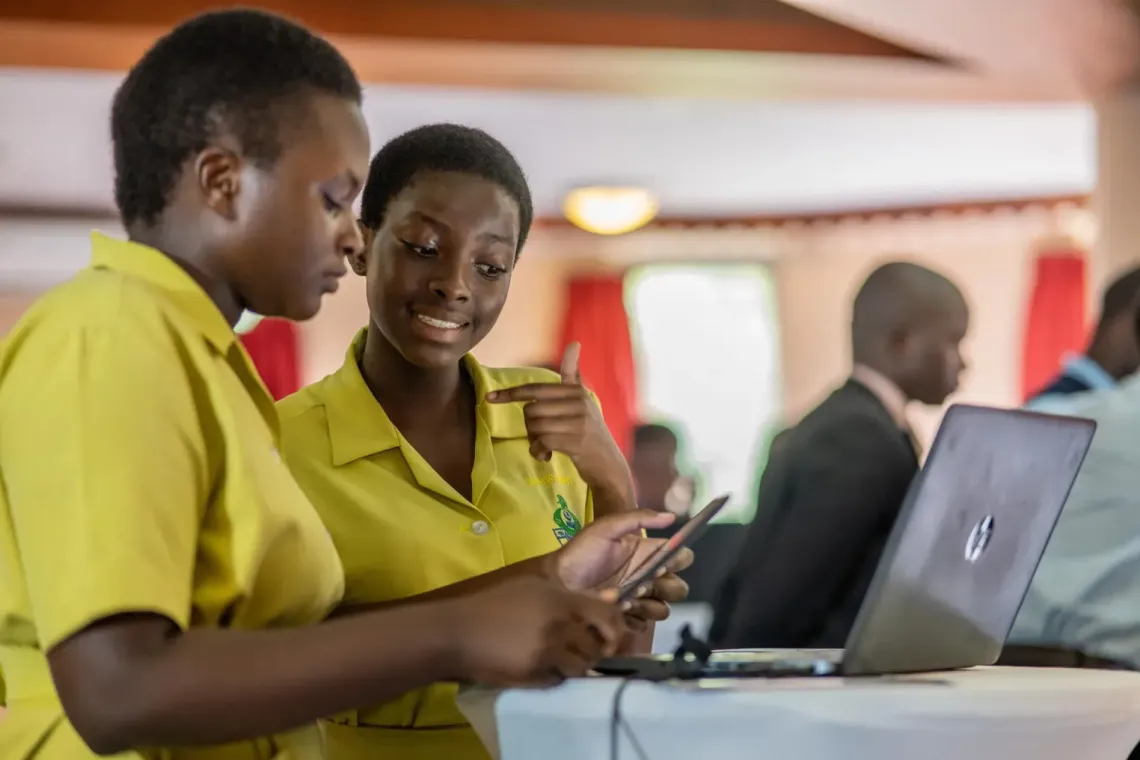
Improving learning outcomes at scale requires systems that can deliver consistently. OOI is advancing a global shift in education – placing digital learning at the centre of that effort. Through the Learning Innovation Hub, this work is moving beyond isolated tools toward a coordinated approach that shapes the systems, partnerships, and investments needed to reach children at scale.
This means building the full foundation: infrastructure, evidence, partnerships, and delivery pathways that governments can own. Digital education is not treated as an add-on, but as a core component of how learning systems evolve and improve.
Skills, Agency, and Opportunity for Young People
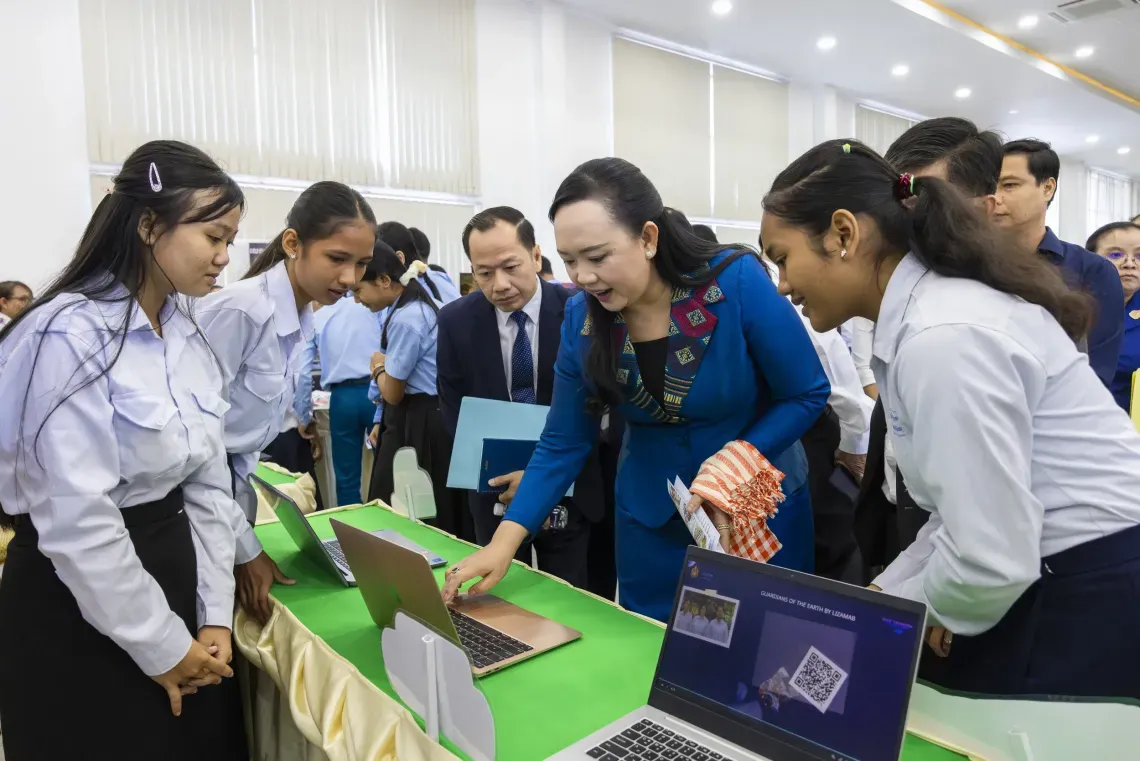
For young people, capability alone is not enough. Systems must also create pathways to opportunity. In 2025, OOI focused on embedding skills development within the government systems that shape outcomes at scale.
Through the Game Changers Coalition, FunDoo, and UPSHIFT, UNICEF is integrating skills into national curricula and public systems – ensuring that young people are not only building capabilities, but accessing real opportunities in rapidly changing economies.
Improving Health Outcomes for Children
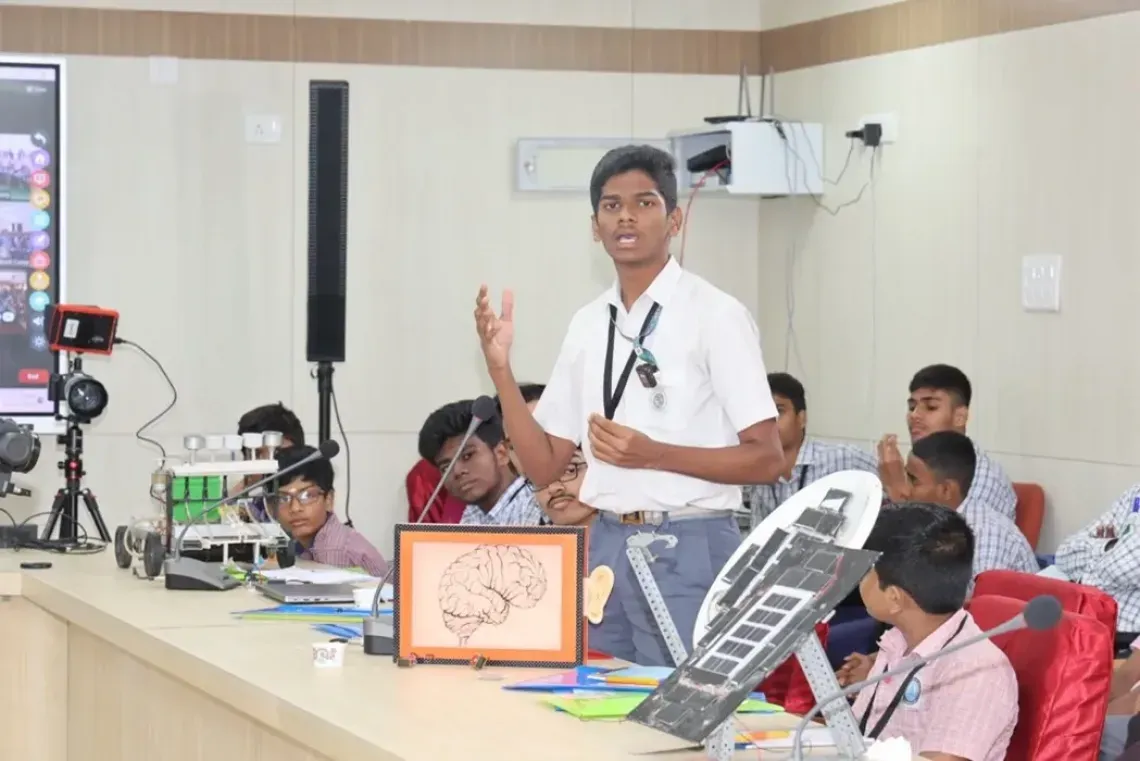
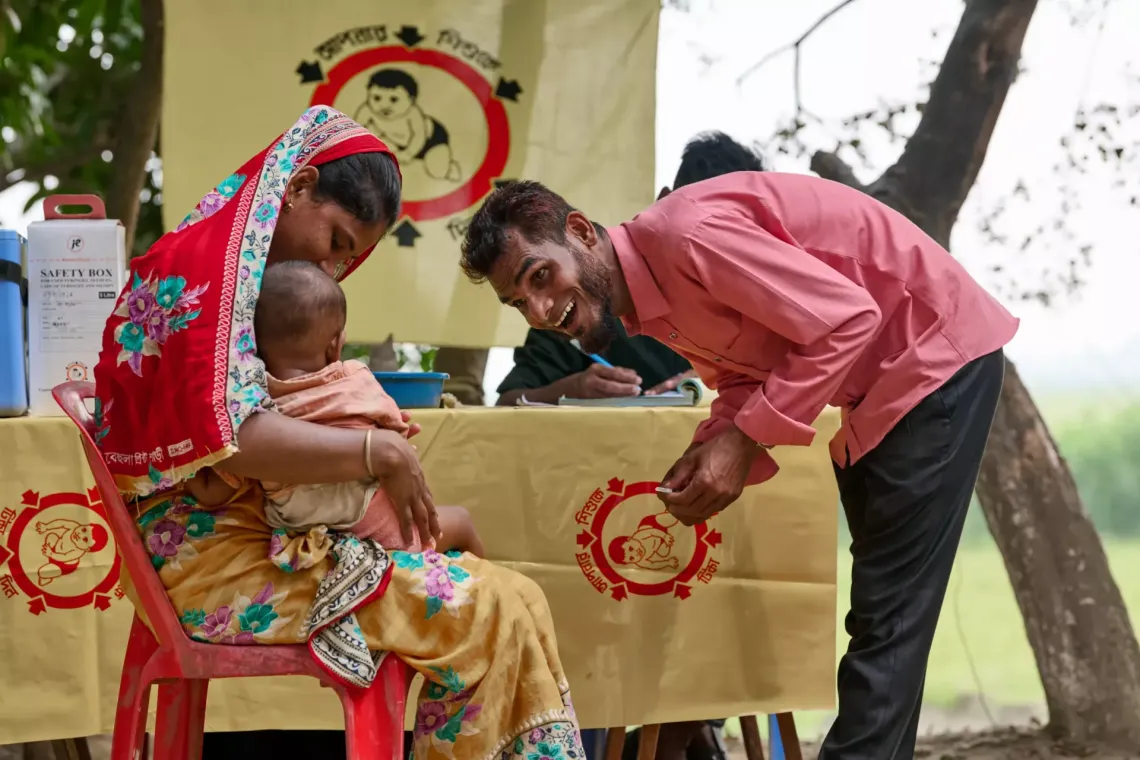
Health systems are under increasing strain – from climate pressures and population movement to persistent gaps in access, data, and workforce capacity. In this context, technology strengthens how systems function: improving continuity of care, enabling better decisions, and extending reach to those most at risk.
In 2025, OOI invested across Health and Nutrition, supporting 18 startups and 10 country offices to apply open, interoperable, and scalable solutions where system constraints are most acute – reinforcing national systems rather than adding parallel ones.
Humanitarian Innovation: Delivering with Dignity under Constraint
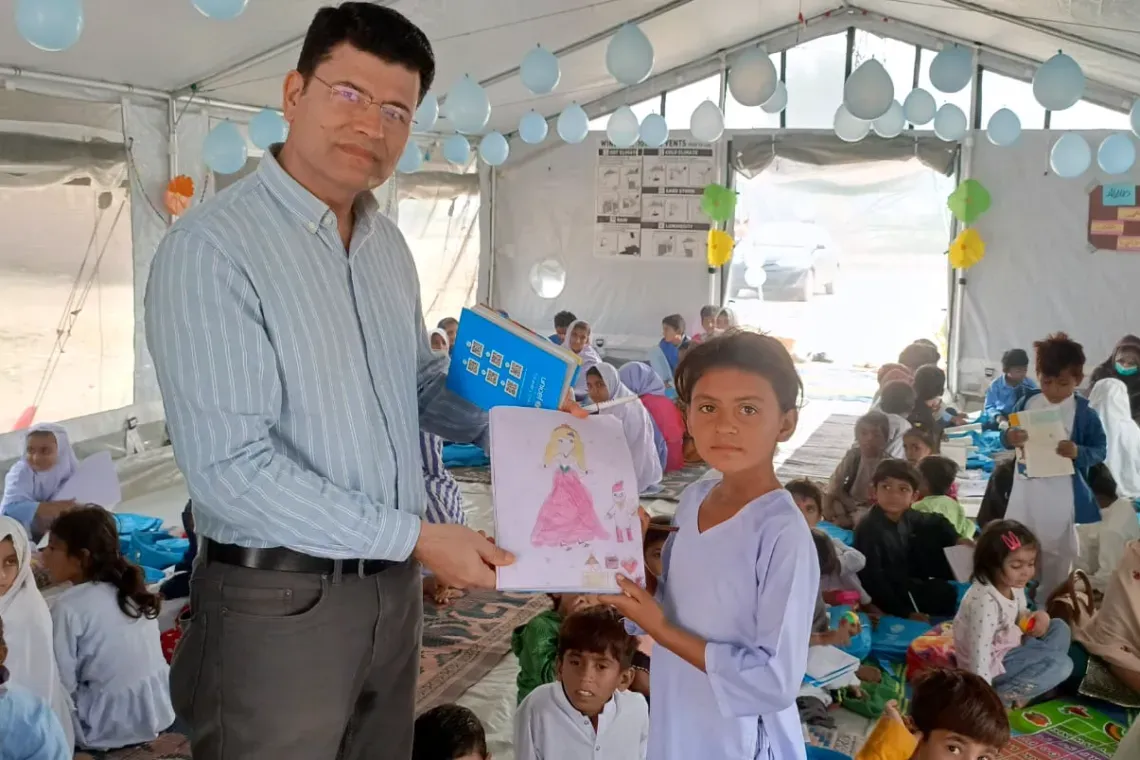
In humanitarian contexts, the challenge is not a lack of solutions – it is delivering them under pressure. In 2025, OOI focused on integrating proven approaches into the systems already used by governments and frontline workers, while testing new models that are faster, more accountable, and preserve dignity.
The principle is consistent: strengthen what exists so it can perform in crisis. From Kits that Fit to Project Alpha, co-investments between UNICEF, governments, and the private sector are reinforcing essential systems so they hold when they are needed most.
Sustainable WASH Innovation at Scale
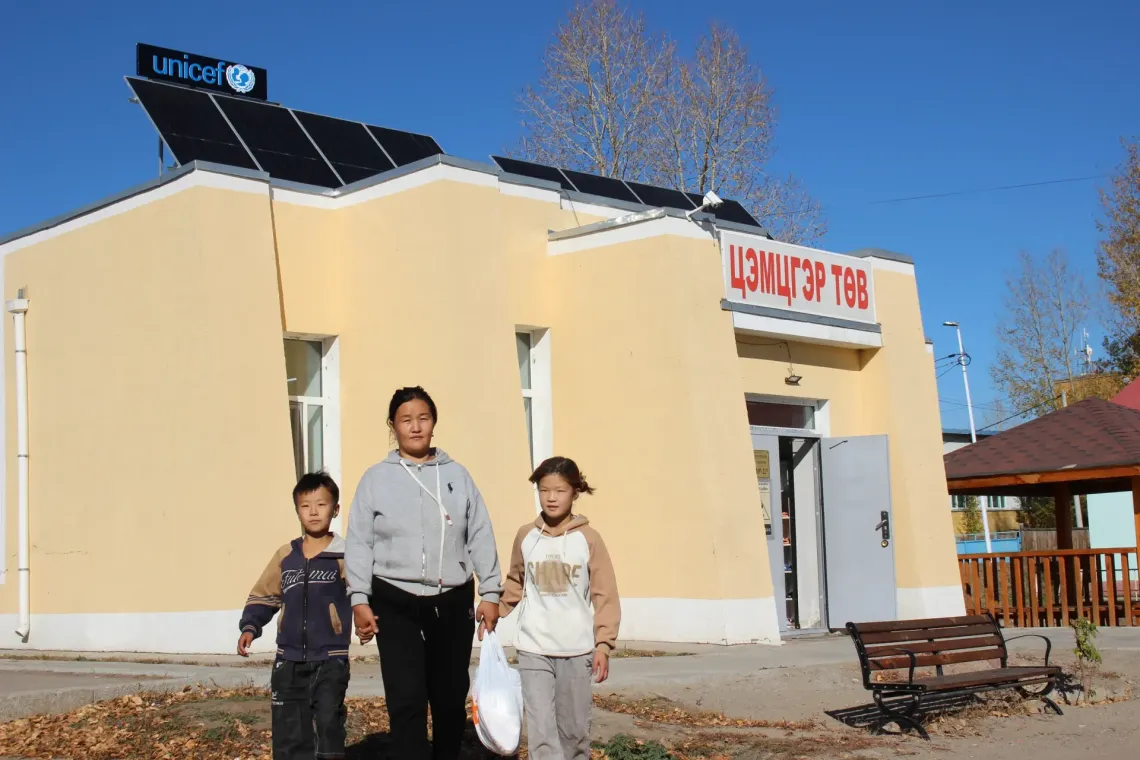
In water and sanitation, impact depends on scale. OOI’s work in 2025 focused on enabling that scale by strengthening the financing models, governance structures, and adoption pathways required for solutions to operate across contexts.
The aim is to position WASH innovation as infrastructure – investable, scalable, and capable of delivering climate-resilient services over time. With catalytic support from the Government of Denmark, a portfolio of solutions is now positioned for multi-country expansion beginning in 2026.
Innovation as a Way of Working
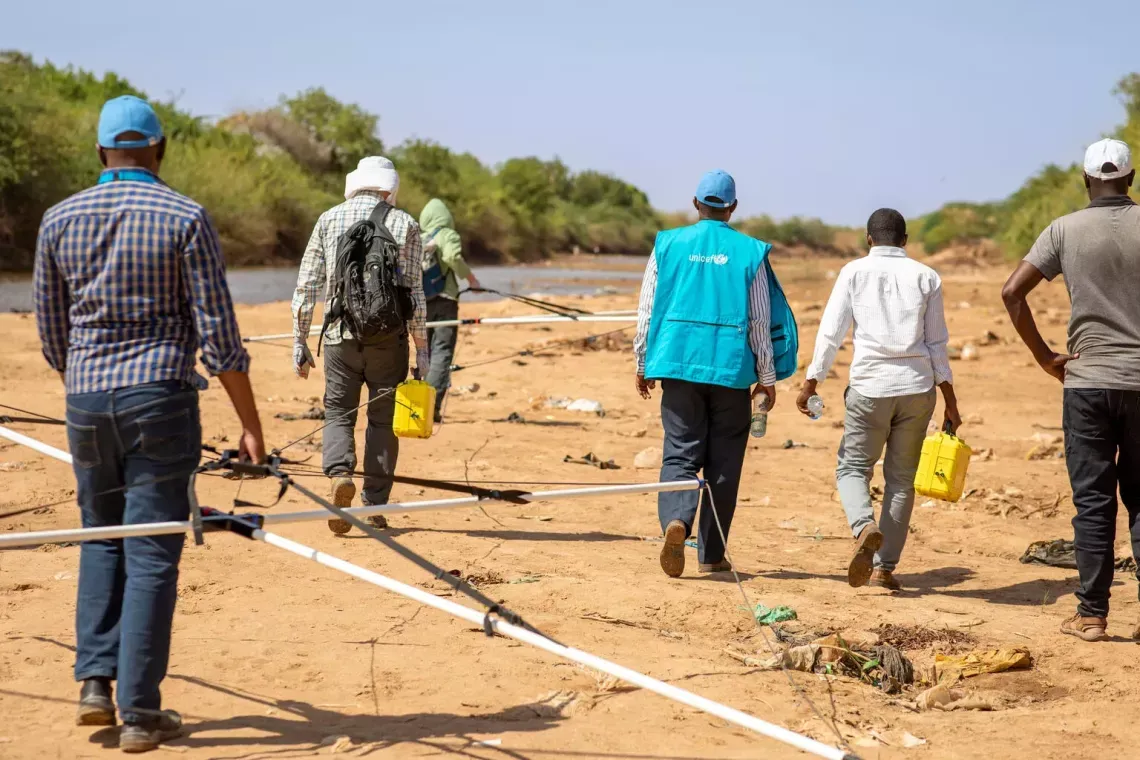
Underlying this work is a structural shift. At UNICEF, innovation is increasingly a discipline embedded across the organization. This means that it shapes how decisions are made, how investments are prioritized, and how results are measured.
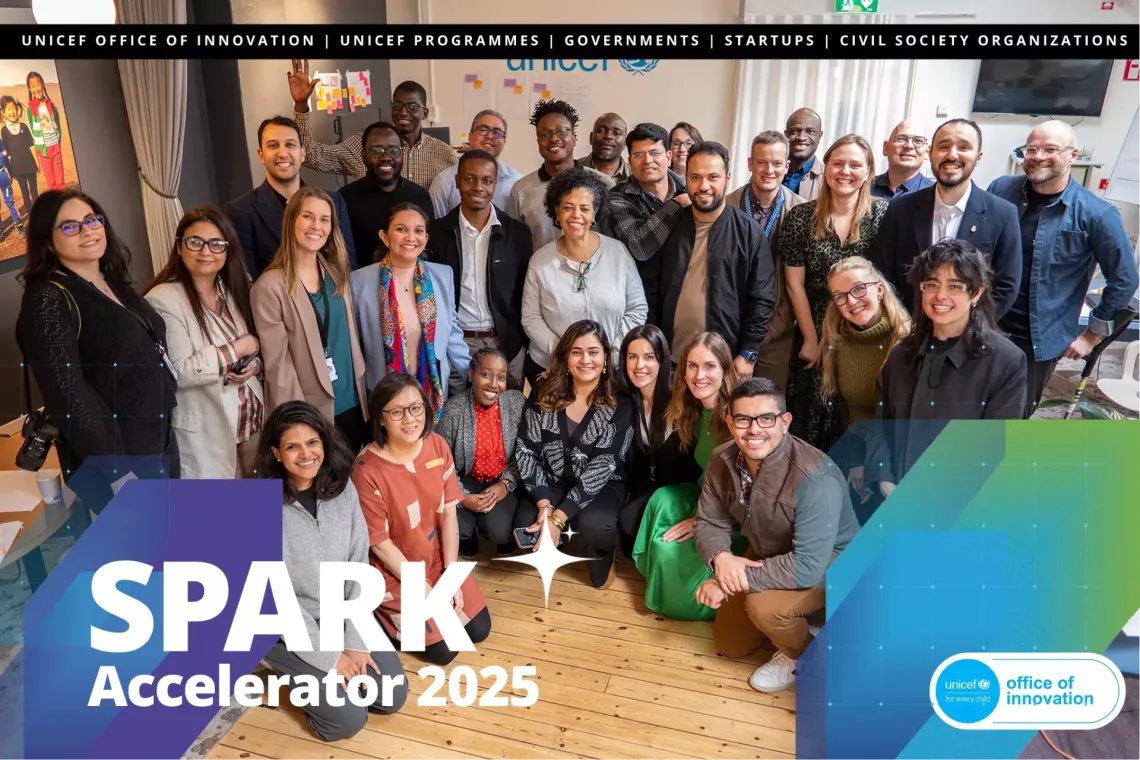
Through COMPASS, the Spark Accelerator, and the 5D Innovation Framework, innovation is becoming part of how UNICEF operates – moving from isolated efforts to a consistent approach for accelerating results for children at scale.

Thank You to Partners
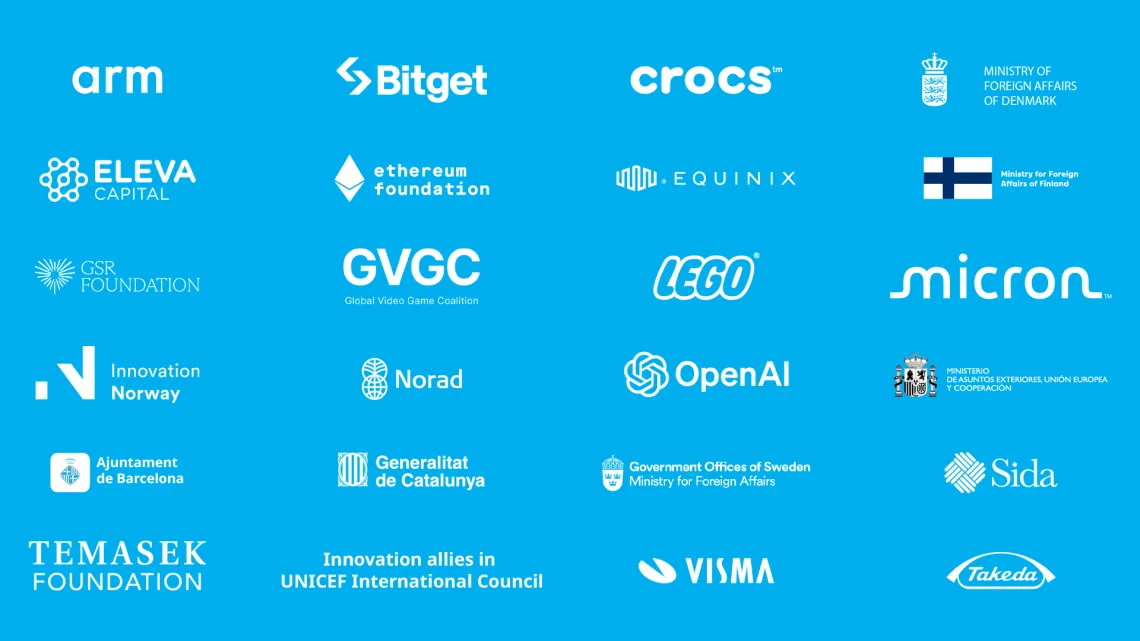
At a moment of profound global uncertainty, partners chose to invest in children rather than retreat. Each solution embedded in national systems, each founder backed in overlooked markets, each child reached through infrastructure that did not exist five years ago reflects the compounding returns of a shared commitment to doing innovation right.
When caution was easy and retreat excusable, our partners chose otherwise. They invested in this generation and the next, accelerating the discovery, development and deployment of solutions to some of the world’s most entrenched challenges.
None of this was inevitable. It was made possible by partners who chose to act.
Working alongside the communities we serve, and enabled by catalytic, purpose-driven partnerships, the returns are already taking shape. This is innovation done right, done together. Its dividends will be measured not in quarters, but in generations. Thank you to the partners who understand the difference and continue to show up. #foreverychild
Key results in numbers
Take a deep dive and explore the data behind our impact.