2024 Through the Lens of the Middle East: A Year of Unending Turmoil
Through every heartbreaking moment, and from the very beginning, UNICEF teams were here and there
- English
- العربية
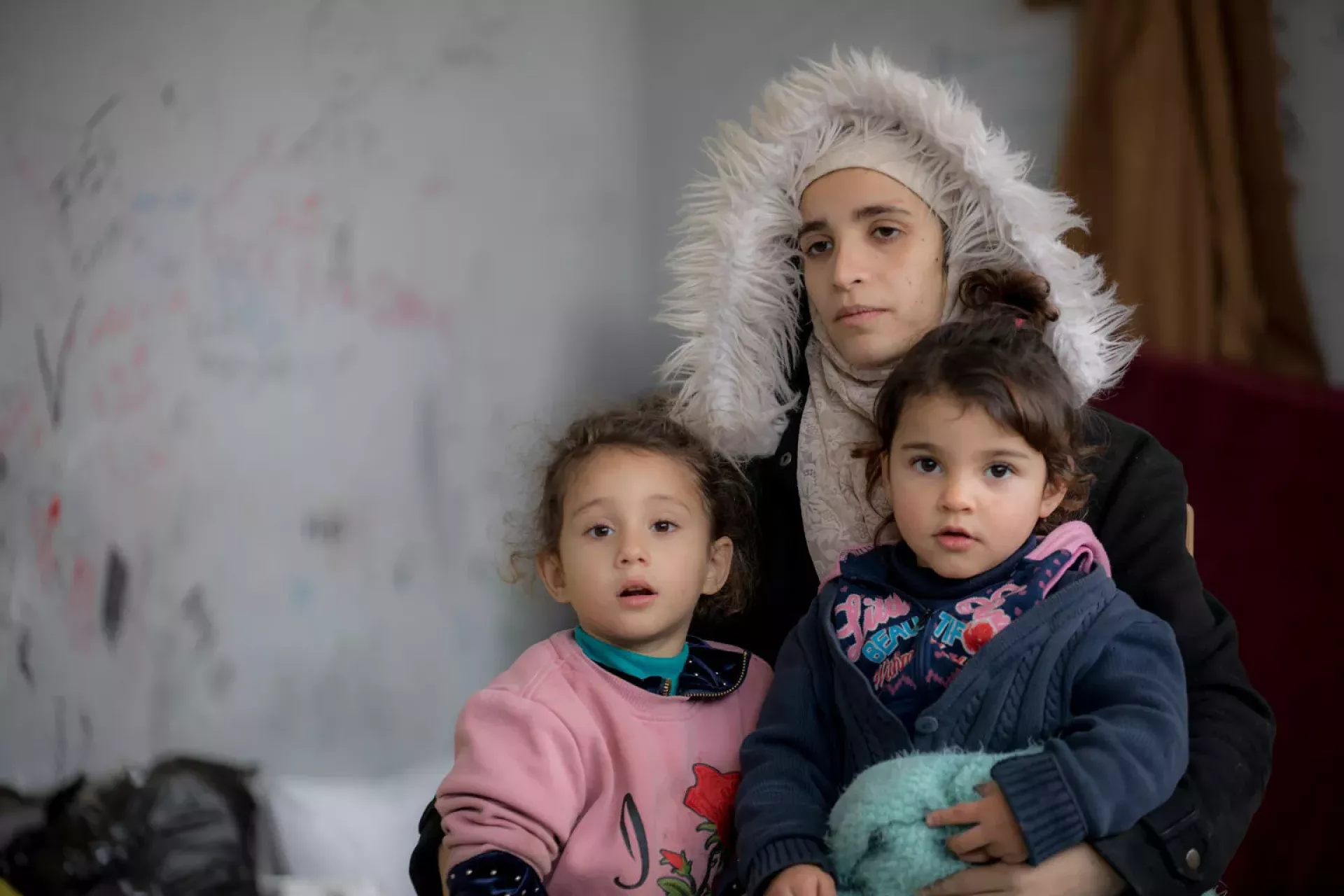
As we open a new chapter in 2025, we leave behind shattered memories and heart-wrenching emotions, interwoven with moments of resilience and steadfastness that we cannot forget. The year 2024 brought sadness and tears, filling the eyes of many displaced people in Gaza who lost their loved ones. It opened doors to uncertainty and fear for millions in Sudan, grappling with famine, civil war, and relentless violence. In Lebanon, the war left homes in ruins, forcing countless children and their families to lose the comfort and security of their own houses.
Through every heartbreaking moment, and from the very beginning, UNICEF teams were here and there—reuniting mothers with their children, and distributing much-needed aid to those bearing the brunt of these ongoing crises.
Help us scale up our efforts on the ground to reach more children by supporting our mission.
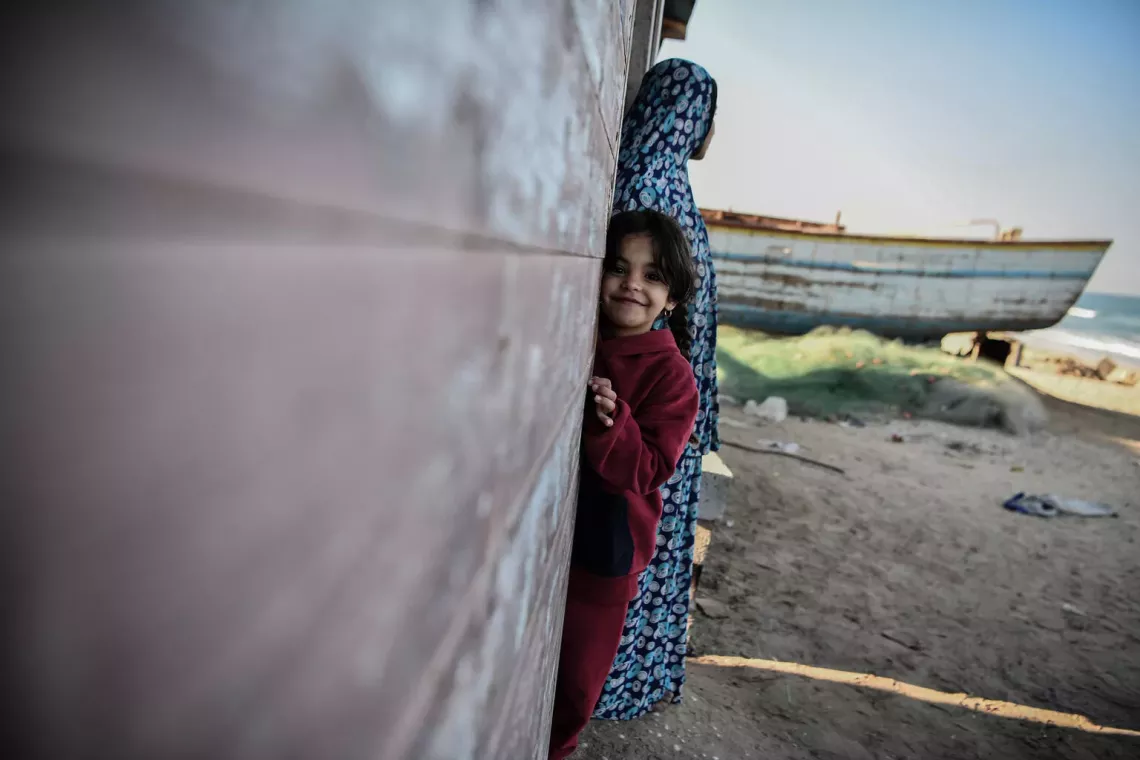
The Gaza Strip: Daily Suffering Behind the World’s Eyes
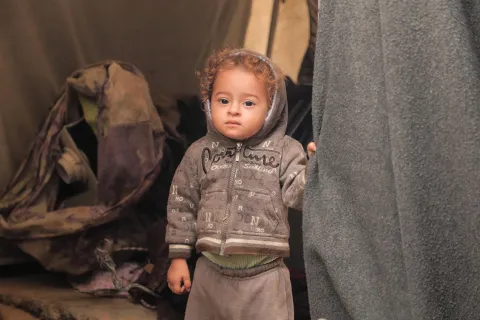
Stories of struggle and pain are not new to the residents of the besieged Strip. However, the ongoing war has robbed them of every bit of hope and pushed them further to the verge of despair. Children like Hadeel deserve to live a dignified life where food is not a privilege, education is a foundation, and warm homes and loving embraces are their sanctuaries amid freezing winters. “I miss my school and my friends. I wish to hear good news from my neighbors and friends in Gaza City,” she uttered in a cracked voice.
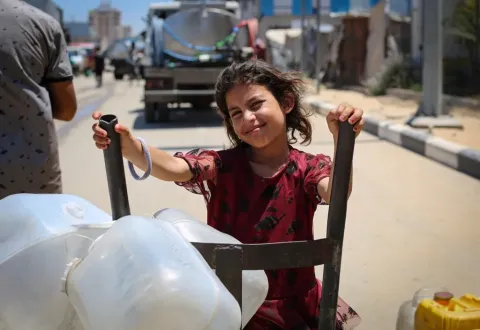
2024 was the deadliest year for children in Gaza, as they paid the heavy price of a war they did not start and cannot end. The UNICEF team has been on the frontlines delivering essential humanitarian aid to the most vulnerable. As of November 2024, UNICEF distributed around 560,000 Water, Sanitation and Hygiene (WASH) items, including soap bars, packs of disposable sanitary pads for females, hygiene kits, jerrycans, tarpaulin sheets, collapsible 10-litre water containers, and adult diapers, reaching on average 165,279 people, of which 40 per cent are children and 30 per cent women.
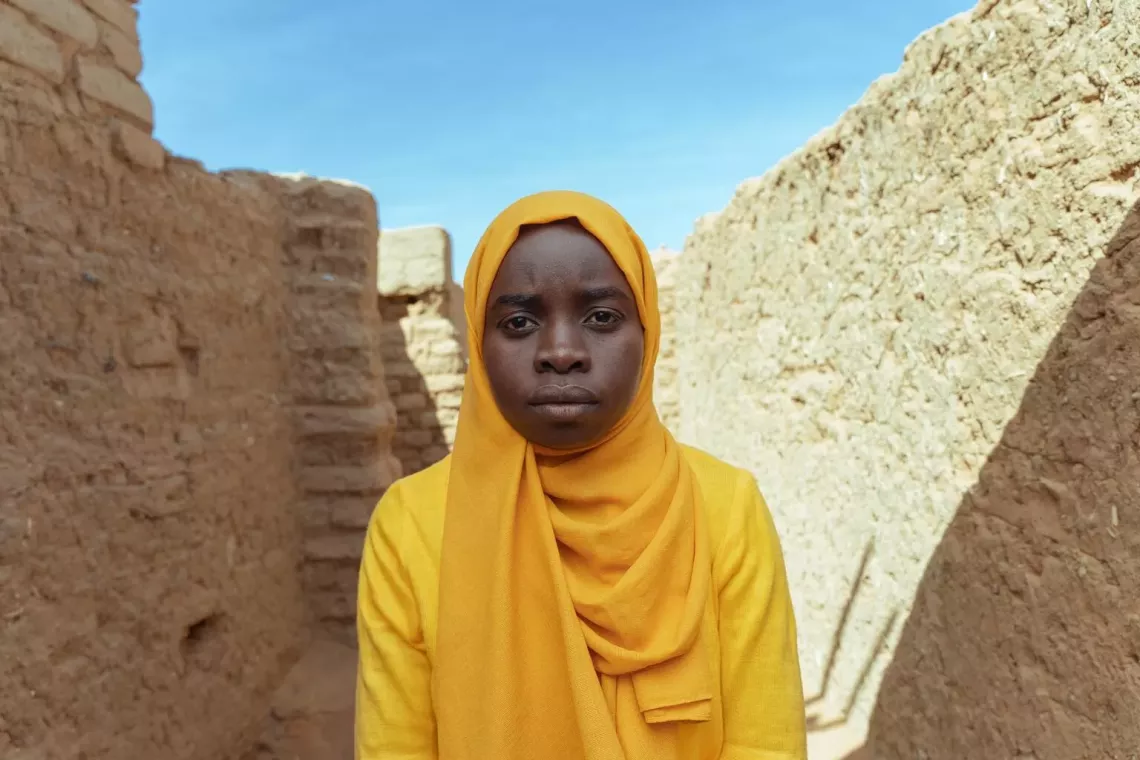
Sudan’s Double Trouble: War, Compounded by Humanitarian Catastrophes
Located in the northern part of Sudan’s Darfur region, where time seems to stand still, El Fasher is a city gripped by despair. In its streets, hungry people struggle to survive, while women and children live in constant fear, caught in the crossfire of violence and the endless cycle of unrest. It is here that Muzdalifa and her family have been trapped for the past 18 months, since the eruption of the brutal and inhumane conflict in Sudan. “This war stole my childhood, extinguished the light of my future, and erased my joy,” Muzdalifa pleaded.
The ongoing war in Sudan is intensifying by the day, risking the lives of the most vulnerable communities and exposing children to hardship far beyond their years. Sudan risks becoming the world’s largest hunger crisis in recent history, with almost half of the population, around 25.6 million people facing food insecurity. Between January and November 2024, some 6.7 million children under five were screened by our team in Sudan, for malnutrition, and some 1.6 million children and women were able to access primary healthcare in UNICEF-supported facilities.
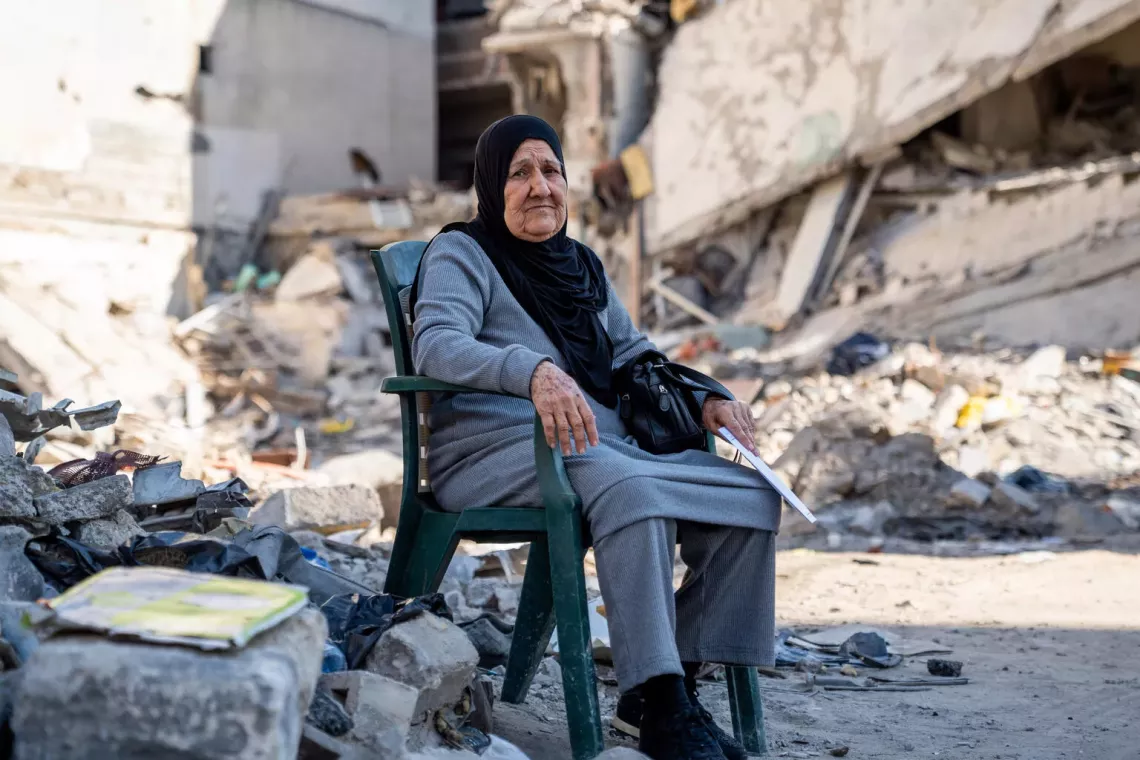
Lebanon: Returning Home to Ashes and Despair
The sense of home is something we are all deeply rooted in. Knowing that at the end of the most chaotic and exhausting day, we will have a place to call home is a privilege we often take for granted. But for Nadia, who at the age of 77 has experienced multiple wars under the Lebanese skies draped in a rich tapestry of olive branches, home no longer evokes the warmth of bakeries, the safety of closed doors, and the embrace of grandchildren. Her home has been reduced to ashes. Every speck of dust is a painful reminder of what war has stolen from her.
Similarly to Gaza, 2024 was the deadliest year Lebanon experienced in decades, with an average of more than three children killed every day. Reports indicated that around 100,000 housing units were partially or fully damaged. Families with damaged properties, especially those from southern villages, are likely to remain displaced longer.
After all they have gone through, Nadia, her family, and millions of others deserve to feel a sense of home and belonging again. That’s why UNICEF teams have been working tirelessly around the clock to respond to the needs of children throughout their displacement journey, including during their return home. Since the ceasefire took effect in Lebanon, UNICEF has strengthened its support for public systems to ensure the continuity of critical services, including repairs and maintenance of water facilities supplying water to 557,271 people. Before the ceasefire, UNICEF supported 695 collective shelters hosting 121,602 people with relief items and services.
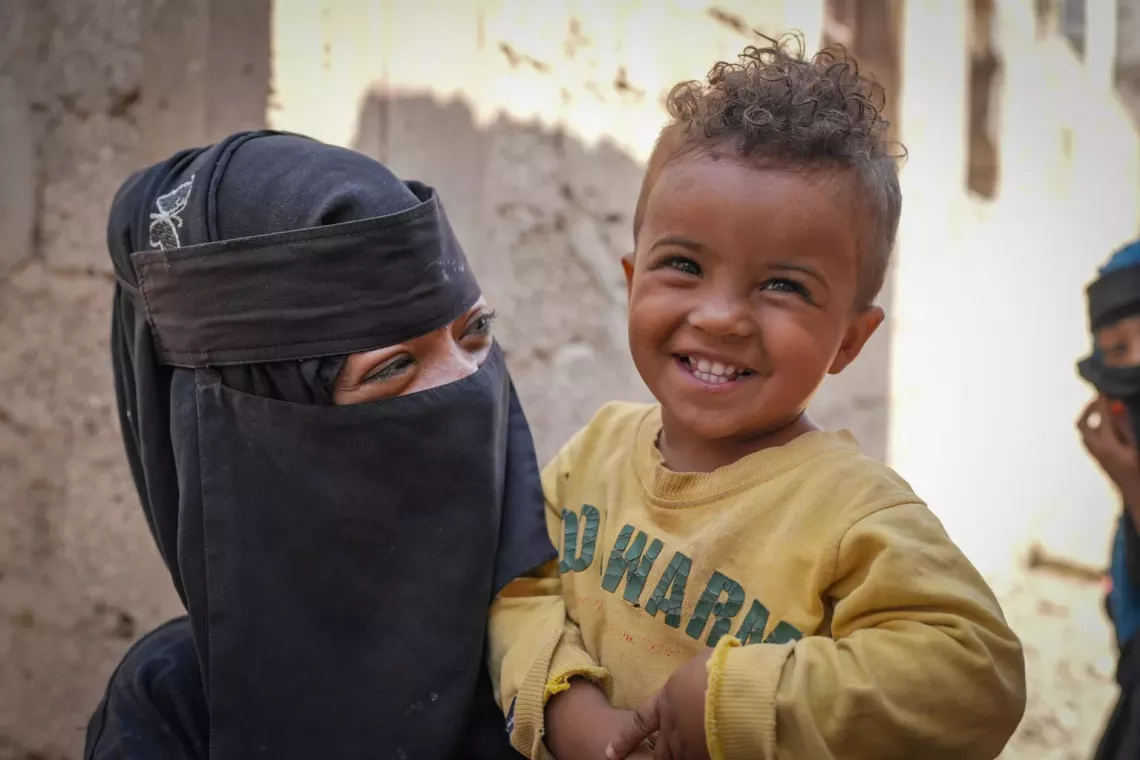
Yemen: Nine Years of War, a Heavy Toll on Its Children
At the end of last December, Sanad celebrated his second birthday, enjoying good health and playing joyfully; you can hear his giggles from miles away. However, this was not always Sanad’s story. He was diagnosed with acute malnutrition when he was only four months old. Fortunately, Sanad received the appropriate treatment at the UNICEF-supported Therapeutic Feeding Center in Ibn Khaldoon Hospital in Lahij, Yemen. Yet, millions of children like Sanad in Yemen have lost their lives due to malnutrition and other preventable diseases, unable to access healthcare services amid a struggling health system and high poverty rates. The first victims of this crisis are children and their families.
Nutrition is a right for every child, regardless of who they are or where they live. It should never be a privilege, especially in war-torn and impoverished countries like Yemen grappling with multidimensional crises. UNICEF is helping treat severe acute malnutrition in children by providing essential therapeutic food and medical supplies to save lives, helping them cope with the impact of conflict, and allowing them to recover and resume their childhoods.
In 2025, How You Can Help UNICEF Provide Lifesaving Aid to Children in Need
We are ready to turn a new page with the beginning of 2025, and we hope these 365 days will be filled with hope and blessings for children across the region and everywhere in the world. After the devastating year of displacement, wars, struggles, hunger, and suffering, we remain committed to our mission. At our core, we are a humanitarian organization that must stay prepared for any unforeseen circumstances and unexpected emergencies. But we cannot do this without our dedicated supporters who have shown us over the years that nothing can match the power of the UNICEF community.
Please be assured that every dollar you give today will go toward helping a child in need to survive and thrive, no matter the challenges.