Japan and UNICEF Announce USD 720,000 Programme to increased access to and use of integrated Education, WASH and Nutrition emergency services to children affected by the climate change crisis in Guinea-Bissau
The integrated programme will reach nearly 184,000 children and more than 238,000 community members in Bafatá and Oio regions
- English
- Portuguese
BISSAU, Guinea-Bissau, 21.05.2026 — The Government of Japan and UNICEF today announced a USD 720,000 programme to restore safe learning environments and strengthen water, sanitation and hygiene (WASH) and nutrition for vulnerable children in Guinea-Bissau. With Japan's support, UNICEF will reach nearly 184,000 children (99,981 girls) and more than 238,000 community members (128,562 women) in the regions of Bafatá and Oio over 12 months, through an integrated approach addressing the compounding impacts of climate change.
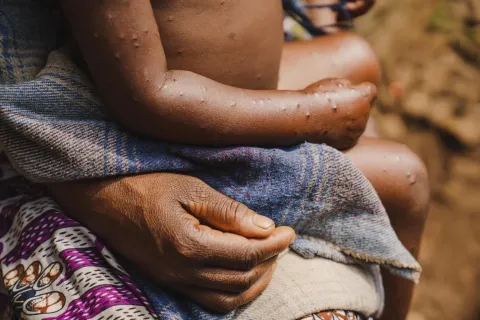
Guinea-Bissau is ranked fourth globally on UNICEF's Children's Climate Risk Index, among the countries where children face 'extremely high' risks from climate change. Recent heavy rains, floods and strong winds have damaged schools and destroyed water and sanitation infrastructure, contaminating drinking water and increasing the risk of malnutrition for children already living in fragile conditions.
"The generosity of the Government of Japan comes at a critical moment. Climate shocks have deepened gaps in education, nutrition and health in Guinea-Bissau. With this support, children will have safer schools, clean water, and the nutrition they need to stay healthy and thrive," said Inoussa Kabore, UNICEF Representative in Guinea-Bissau.
Restoring Safe Learning Environments
Guinea-Bissau has one of the world's most fragile education systems. Primary school completion stands at just 27 per cent — the lowest globally — and nearly one in five children aged 6 to 11 has never attended school. Recent floods and storms have damaged at least 33 schools, affecting some 9,000 students.
With Japan’s support, UNICEF will rehabilitate six flood-damaged schools, restoring safe, climate-resilient learning environments for 2,500 children. Gender-segregated latrines and menstrual hygiene facilities will make schools inclusive and safe for girls. The programme will also provide emergency management training for school councils, boosting resilience and protecting children from future crises.
Water, Sanitation and Hygiene for Healthy Communities
Floods and storms have destroyed latrines, contaminated drinking water and disrupted sanitation services across the country. Nearly 470,000 children (almost half the child population) live in areas at high risk of coastal flooding, leaving them vulnerable to illness from unsafe water.
Thanks to the generous support of Japan, 60 communities will engage in participatory disaster risk reduction assessments, helping them identify vulnerabilities and develop local response tools including community risk maps. Water, sanitation and hygiene (WASH) activities will include distribution of emergency hygiene kits to schools and communities to strengthen preparedness.
Preventing and Treating Malnutrition
High rates of malnutrition persist in Guinea-Bissau, where 28% of children under five are stunted, and 53% live in severe child food poverty (more than twice the global average). Climate shocks like flooding disrupt food systems and agricultural production, exacerbating already poor nutrition and health outcomes among children in impacted communities.
The programme will deliver essential nutrition services to more than 15,000 children, mostly children under five and school age children, in schools and communities. Children will be able to access nutrition screening, prevention and life-saving treatment of malnutrition including deworming, supplements, counselling and essential medicines.
In addition to school restoration, WASH and nutrition activities, UNICEF will support communities in developing local climate action plans to protect water sources and adopt ecological behaviours that reduce vulnerability to future shocks. Together, these activities will build community resilience and safeguard schools, clean water and nutrition needed for children to stay healthy and thrive.
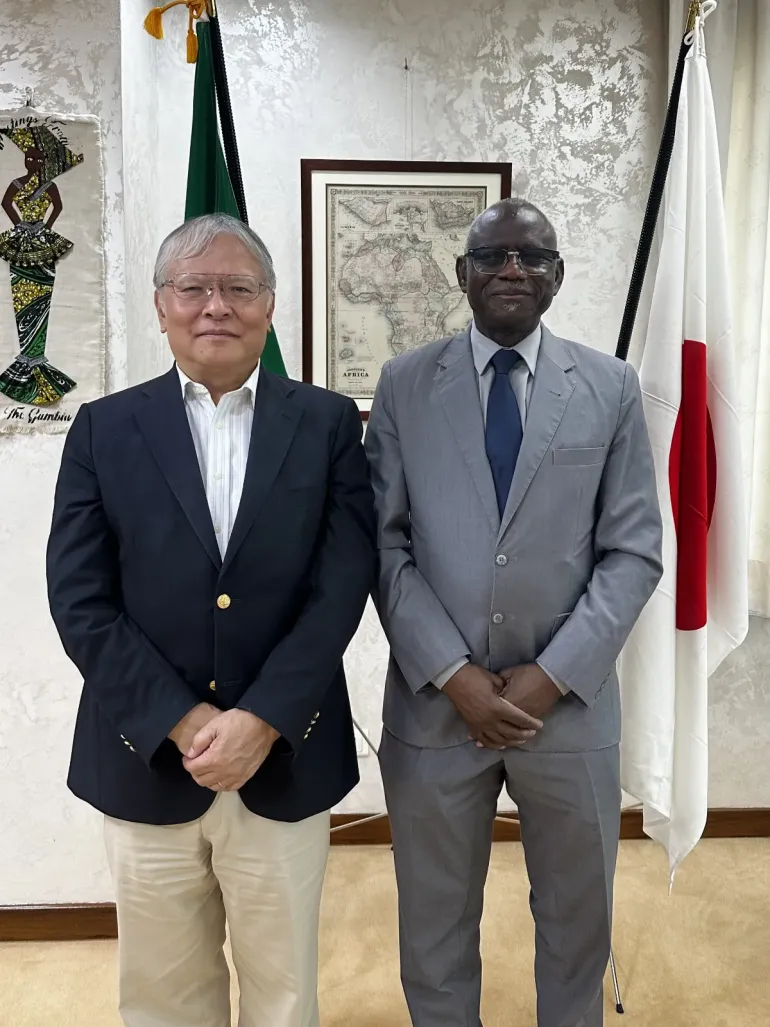
"Japan is pleased to support children in Guinea-Bissau through UNICEF, especially in one of the countries most vulnerable to the impacts of climate change. We believe that improving access to safe learning environments, clean water, and nutrition is essential to protecting the future of children and strengthening communities. We sincerely hope that this assistance will reach as many children as possible in the regions of Bafatá and Oio and contribute to building a more resilient future together." said H.E.Mr. Takeshi AKAMATSU, Ambassador of Japan to Senegal and Guinea-Bissau
Japan’s contribution is aligned with its commitments under the G7 Hiroshima Summit, TICAD 9 and the Sendai Framework for Disaster Risk Reduction 2015–2030.
About UNICEF
UNICEF works in over 190 countries and territories to save children's lives, defend their rights, and help them fulfil their potential, from early childhood through adolescence. And we never give up. For more information about UNICEF and its work, visit www.unicef.org.
About Japan's Official Development Assistance
Japan's Official Development Assistance supports sustainable development and humanitarian action across the world. Japan is a long-standing partner of UNICEF, supporting programmes for children in health, nutrition, education, WASH and emergency response across Africa, Asia and beyond.
Media contacts
About UNICEF
UNICEF promotes the rights and well-being of every child, in everything we do. Together with our partners, we work in 190 countries and territories to translate that commitment into practical action, focusing special effort on reaching the most vulnerable and excluded children, to the benefit of all children, everywhere.
For more information about UNICEF and its work for children, visit www.unicef.org.