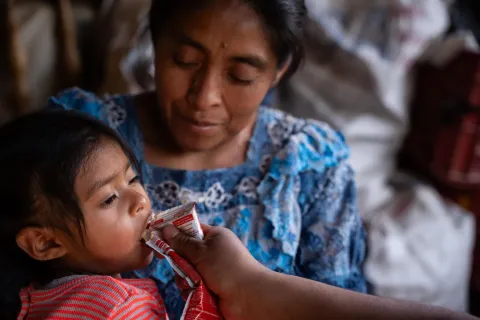
When Medical and Nutritional Care Comes in Time, It Can Save Lives
UNICEF Brigades Strengthen Medical and Nutritional Care in Vulnerable Communities in Guatemala

- Español
- English
In Guatemala’s most vulnerable communities, health and nutrition brigades supported by UNICEF and the Guatemala Humanitarian Fund (GHF) now include a doctor, enabling them to detect illnesses, provide comprehensive care, and prevent complications that could put children’s lives at risk.
In the community of Telemán, Alta Verapaz, accessing health services can be a challenge. Long distances, geographic barriers, and the effects of droughts and floods affect food security and families’ living conditions, putting children’s health and development at risk.
This is Anderson’s reality. At just one year old, he was diagnosed with moderate acute malnutrition and pneumonia. When these two conditions occur together, a child’s health can deteriorate rapidly, putting their life in danger.
“I was so happy when the brigade visited me. They gave me treatment for my baby, and I will make sure he follows the treatment without fail,” Rosario says.
His grandmother, Rosario, 35, has been caring for him devotedly for several months. When the health and nutrition brigade arrived at their home, she felt an enormous sense of relief.
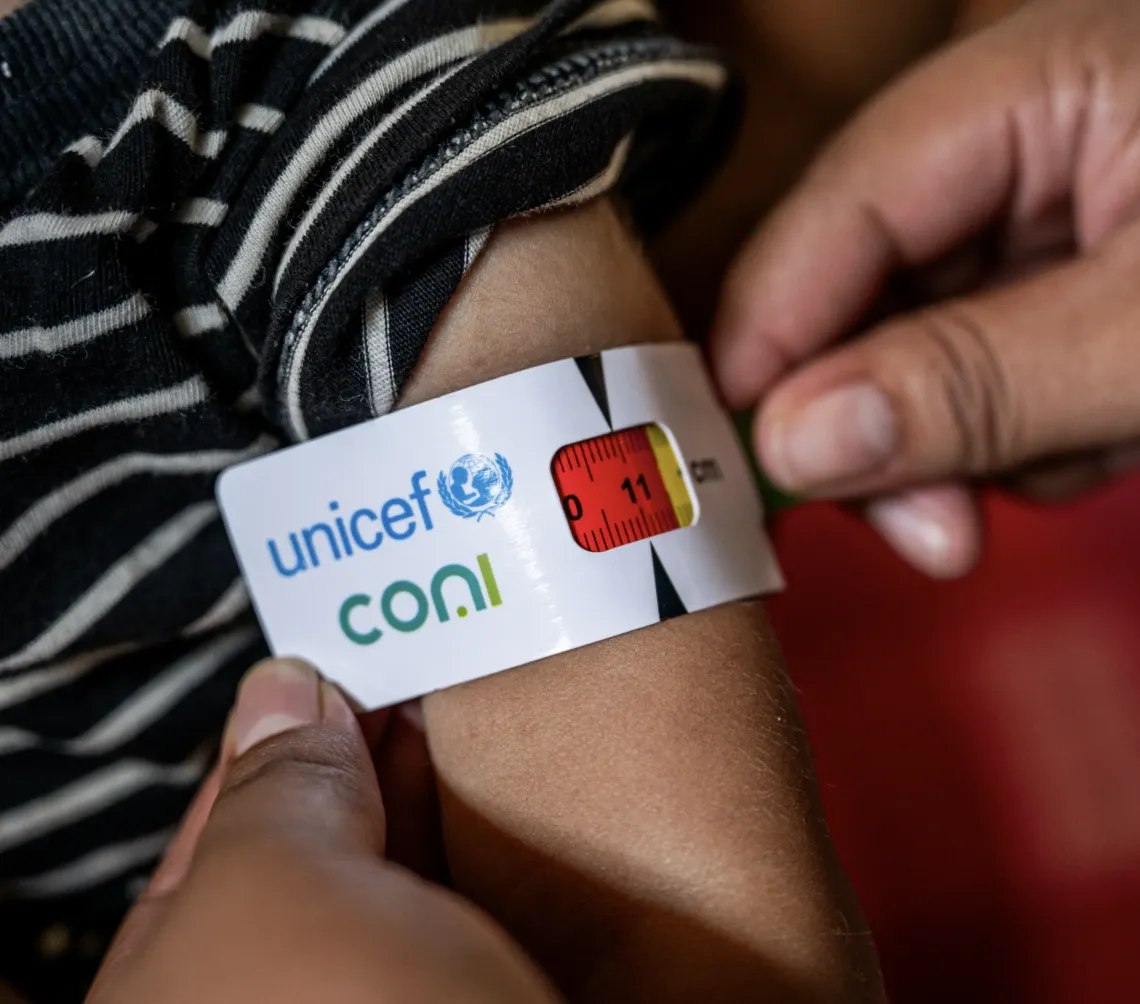
During the visit, the brigade’s staff assessed Anderson’s nutritional status, took his measurements, and examined his health. Rosario listened carefully to the diagnosis and the instructions for continuing his treatment.
Detecting malnutrition early is essential, but it is not always enough. When a child also has illnesses such as pneumonia, diarrhea, or other infections, they need timely medical care to prevent serious complications.
Thanks to funding from the Guatemala Humanitarian Fund (GHF), the health and nutrition brigades supported by UNICEF and its partner CONI now have a doctor for the first time, strengthening their capacity to provide comprehensive care directly in communities.
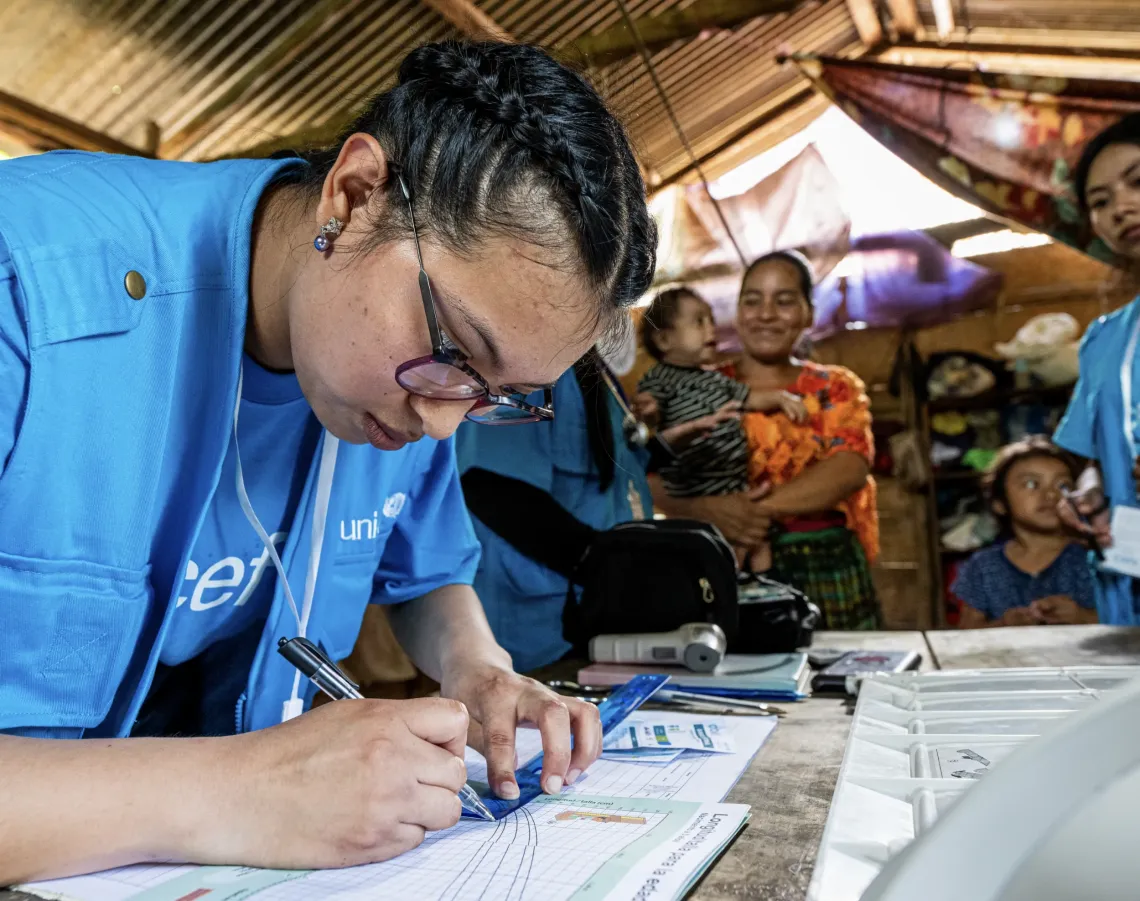
This addition allows the brigades to expand their services. In addition to detecting and treating malnutrition, they can now conduct medical assessments, identify other illnesses, provide treatment, and refer children promptly for specialized care when needed.
In communities where reaching a health center can mean traveling long distances, this care can make the difference between an illness that becomes more serious and an intervention that arrives in time to save a life.
For Rosario, receiving medical and nutritional care for Anderson means much more than a consultation. It gives her peace of mind, knowing she is not alone in caring for her grandson.
“My greatest fear is that something might happen to my child. I want to see him grow up healthy,” she shares.
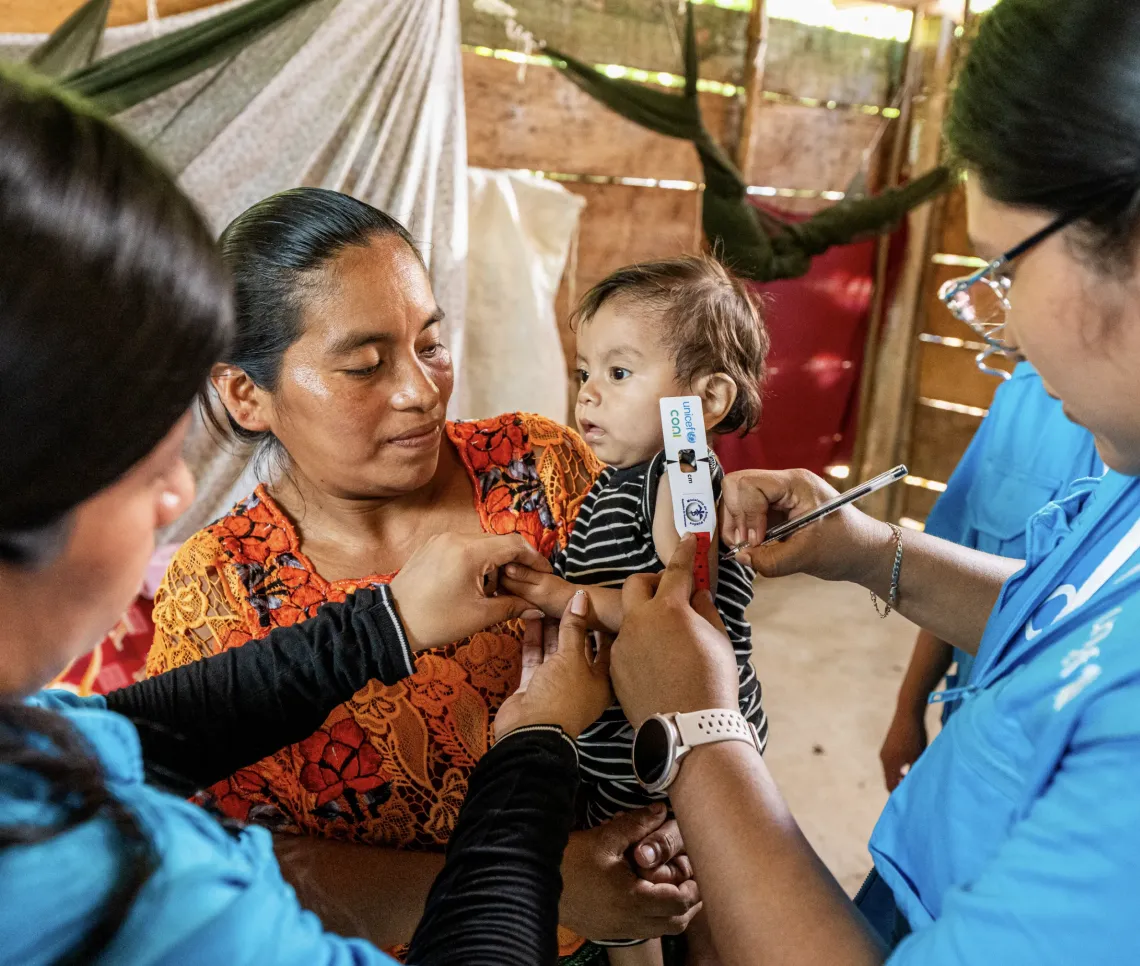
In Guatemala, thousands of children live in communities affected by food insecurity, climate-related emergencies, and limited access to essential services. In these contexts, malnutrition and preventable illnesses pose serious threats to their survival.
UNICEF works to bring health and nutrition services closer to the most vulnerable families, strengthening early detection, timely care, and follow-up for identified cases.
With support from the Guatemala Humanitarian Fund, the response aims to reach more than 42,000 people, helping prevent complications and protect children’s lives.
After the visit, Rosario began giving Anderson the treatment he had received, carefully following the instructions provided by the brigade’s team. Despite the challenges, she remains hopeful that he will recover and grow up healthy.
Before saying goodbye, she expressed a wish shared by many families living far from essential services:
“I am grateful for your support, and I hope you will not leave us alone.”
Her testimony highlights the importance of sustaining the humanitarian response and reaching communities where support is needed most.
Because detecting malnutrition early can save a life. But providing comprehensive medical and nutritional care can also change a child’s future.