Creating brighter futures for children in Cameroon
How the Republic of Korea and UNICEF are working together to bring safe water, education, protection and new opportunities to children and young people

Partnership in action: Creating new possibilities for children in Cameroon
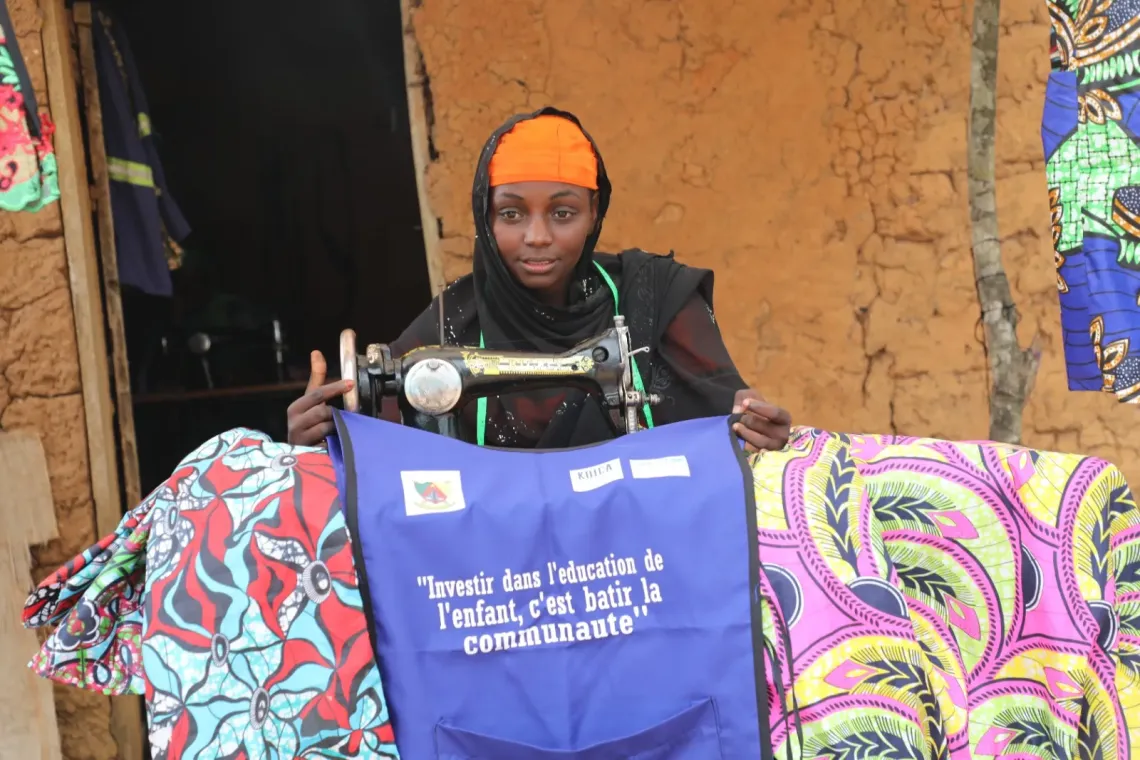
In Garoua-Boulaï in eastern Cameroon, 19-year-old Sadia Halimadou works at a sewing machine. Behind this everyday scene is a story of a life interrupted and then rebuilt.
Sadia was forced into marriage at 15. A year later, she was divorced and pregnant, having left school with limited opportunities to support herself and her child.
Through a programme supported by the Korea International Cooperation Agency (KOICA) and UNICEF, Sadia received six months of tailoring training and equipment, including a sewing machine. Today, she earns an income through tailoring and shares her skills with other young women facing similar risks.
“I am a survivor of child marriage. I want to help women who, like me, are at risk of child marriage.”
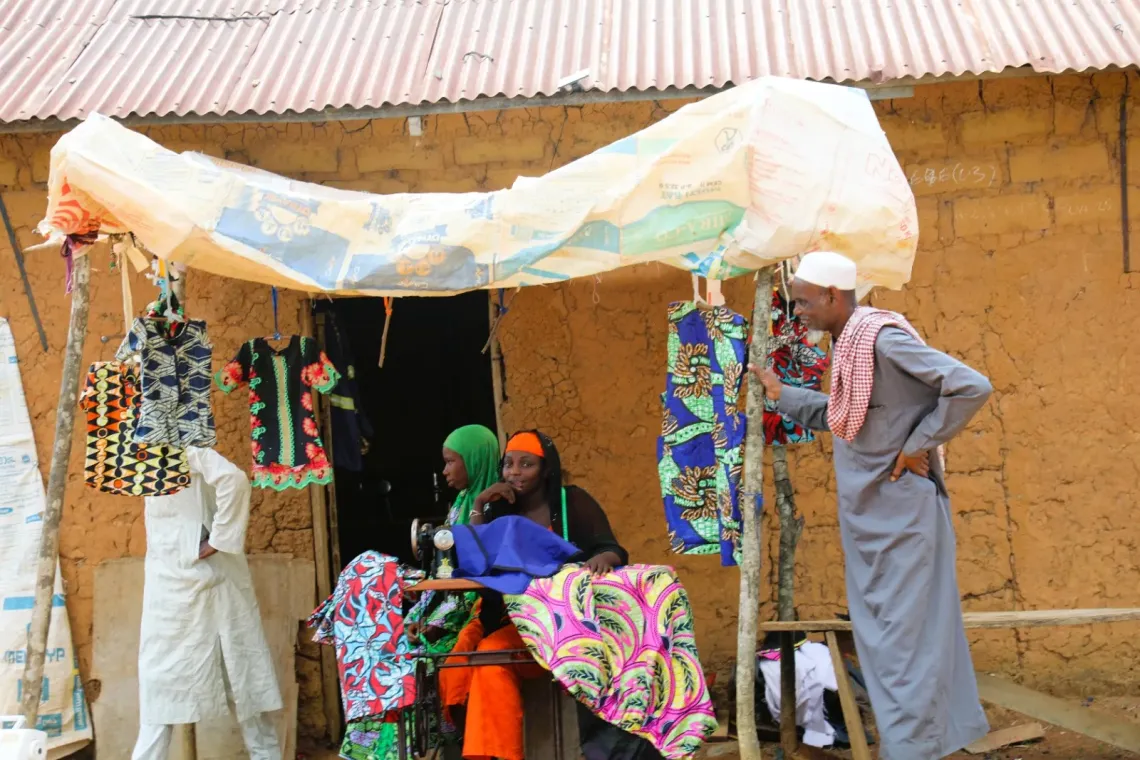
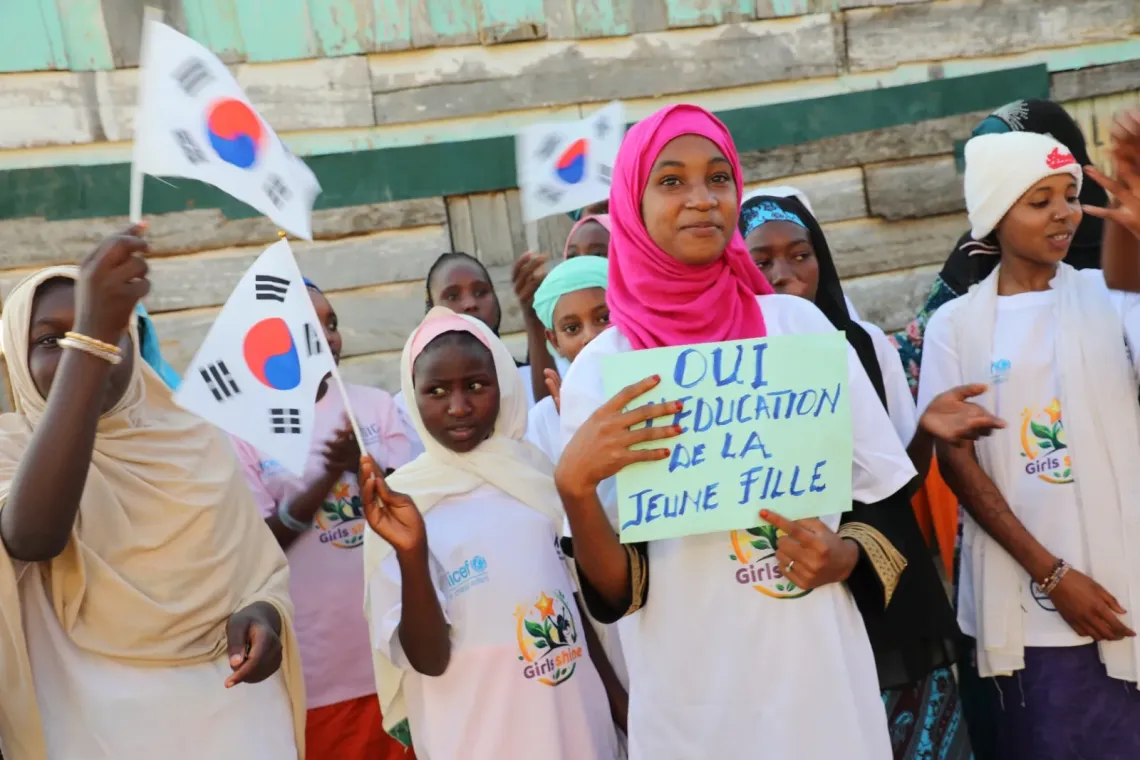
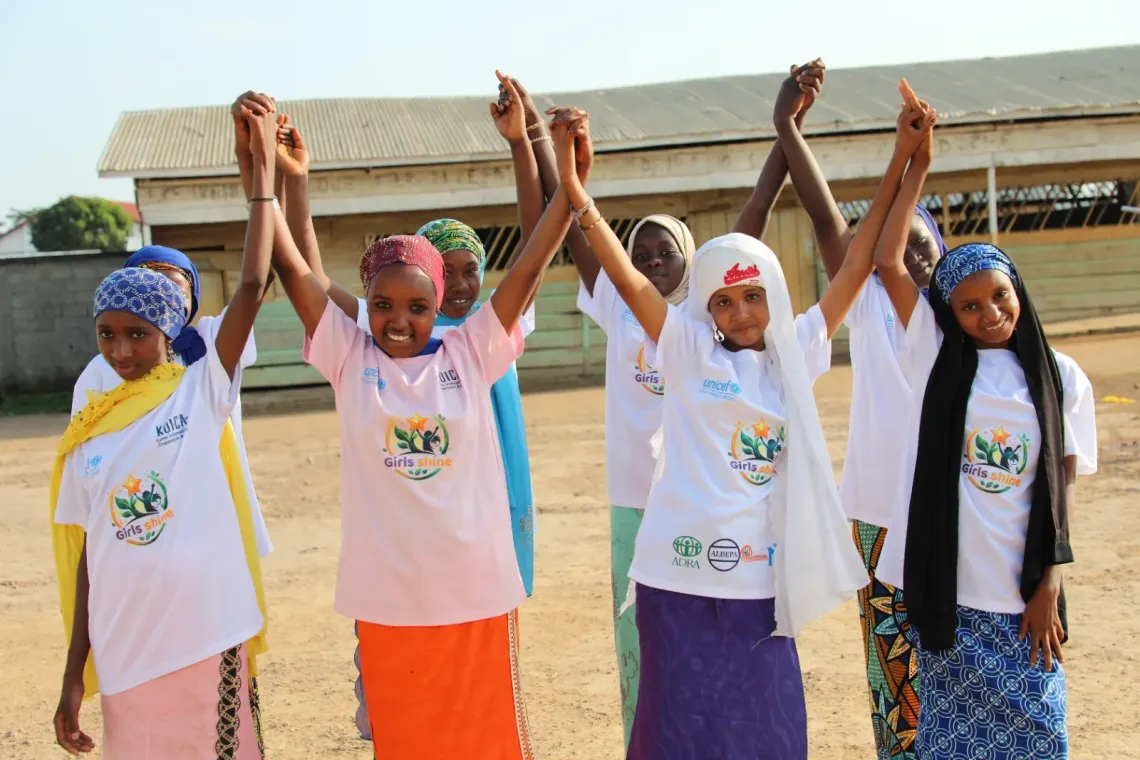
Nearby, the Girls Shine programme is helping girls aged 10 to 17 learn about their rights, protection, hygiene and education. Girls share experiences and skills while gaining the confidence and knowledge to make decisions about their own futures.
Building stronger foundations for learning
At Mbounou Primary School near Batouri, the partnership is helping create safer and healthier conditions for children to learn.
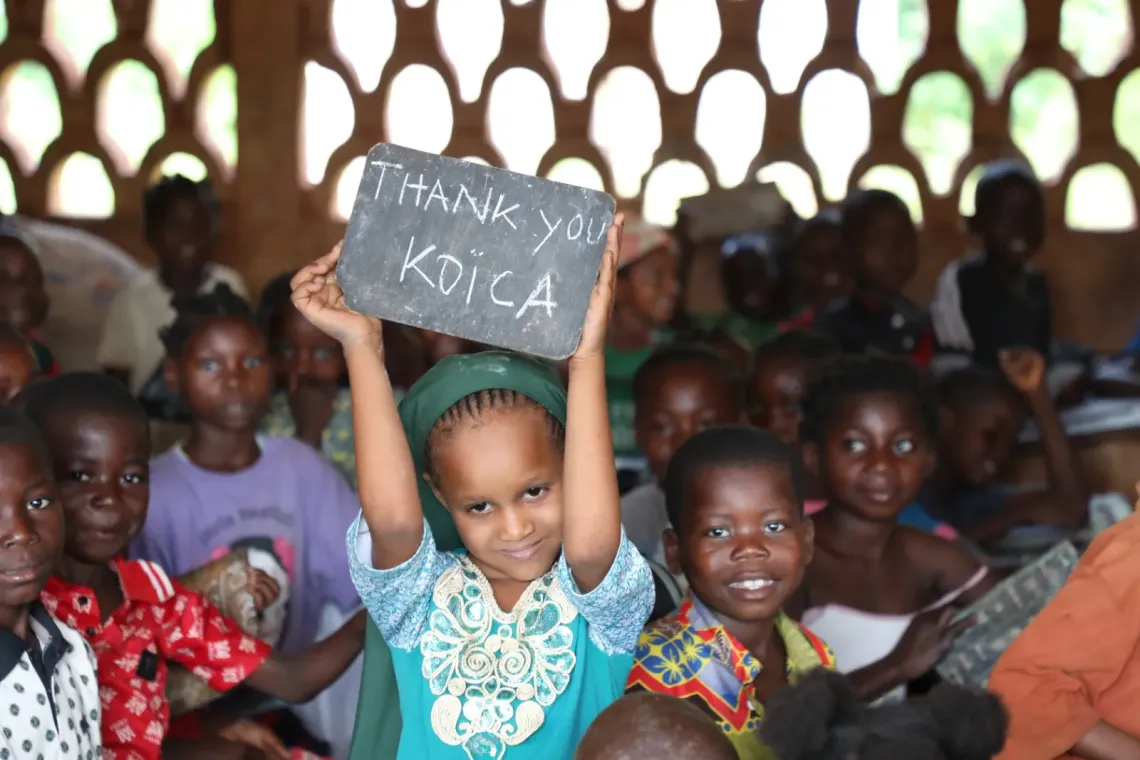
Around 450 children attend the school, which had only two classrooms when a Korean media delegation visited in October. With limited teaching staff and classroom space, families contribute whatever they can to support their children's education. Parents unable to contribute money sometimes bring plantains instead.
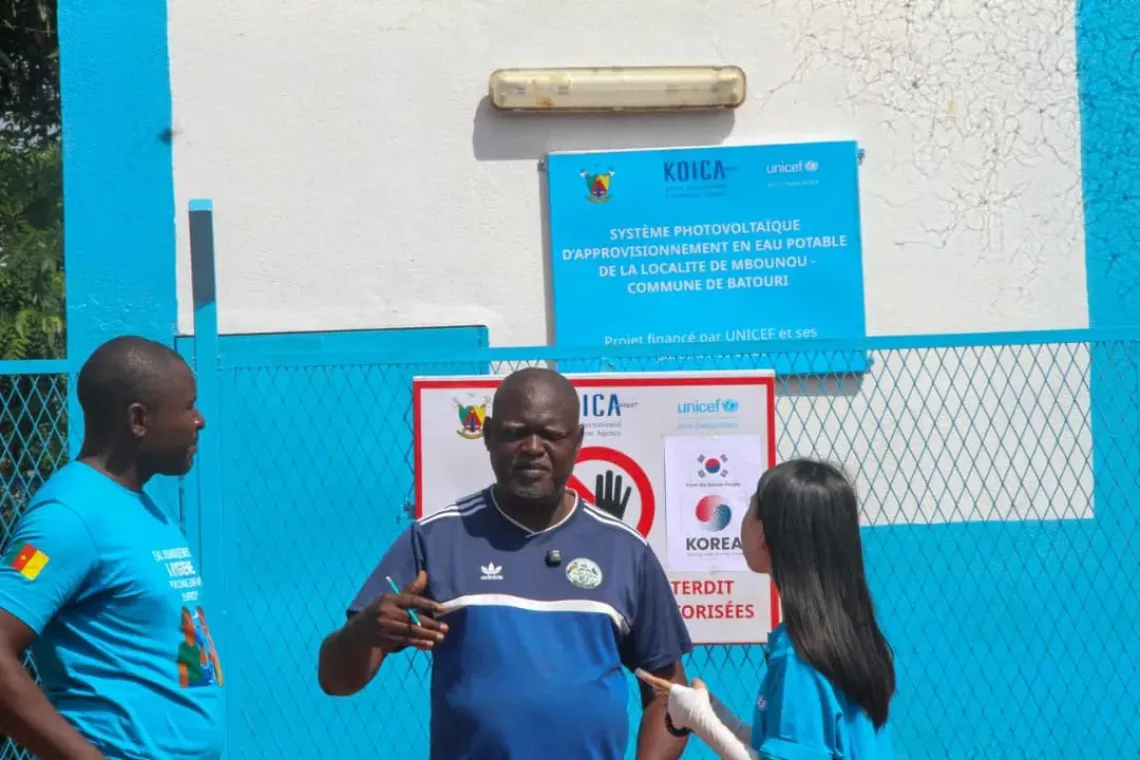
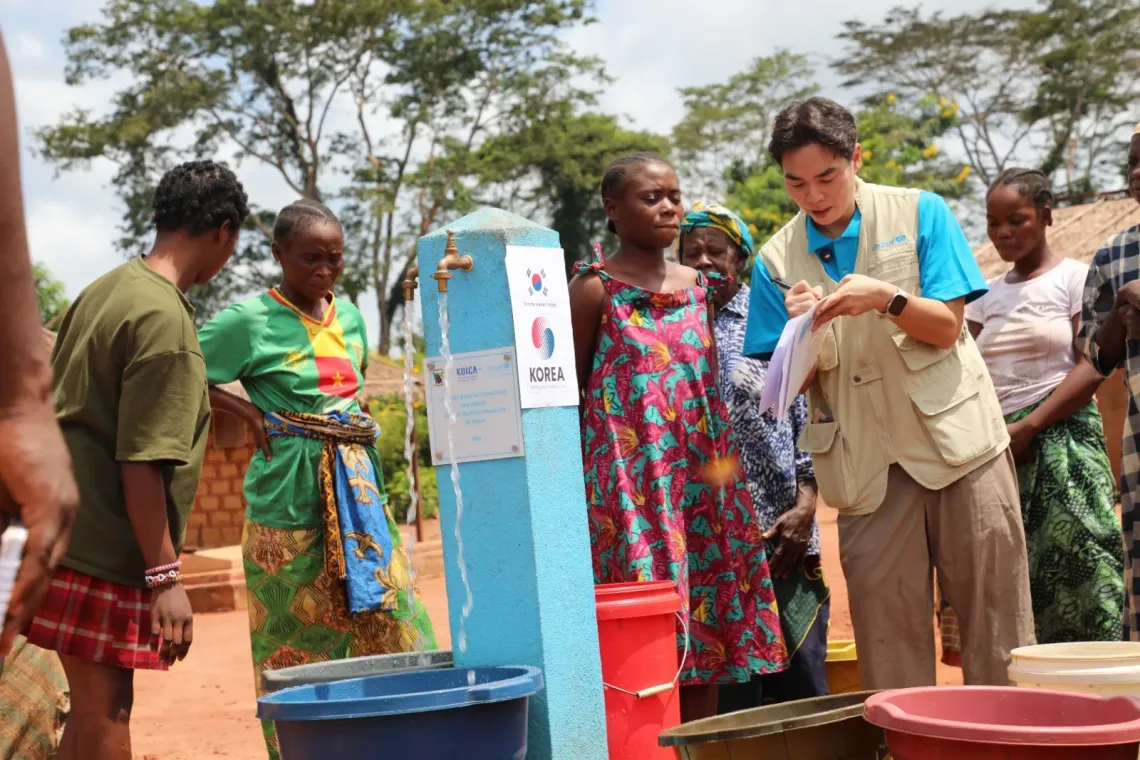
With support from KOICA and UNICEF, new classrooms are being constructed, separate toilets for girls and boys have been provided, and water tanks now supply safe water to the school and surrounding community.
The impact goes beyond infrastructure.
The school's principal said children had previously often arrived with stomach aches or vomiting, but such cases declined considerably after access to safe water improved. Children also spend less time collecting water giving them more time to learn.
Safe water can therefore mean much more than a tap or a water tank. It can mean better health, more time in the classroom and greater opportunities for a child.
A safe place to learn
At Bindia Primary School, the partnership is responding to another challenge.
Of the school's 1,645 children, around 1,325 are refugees from the Central African Republic. Some have experienced conflict, displacement and significant disruption in their lives.
Alongside improvements to classrooms and water services, KOICA and UNICEF have supported training to help teachers better respond to children's different backgrounds and needs.
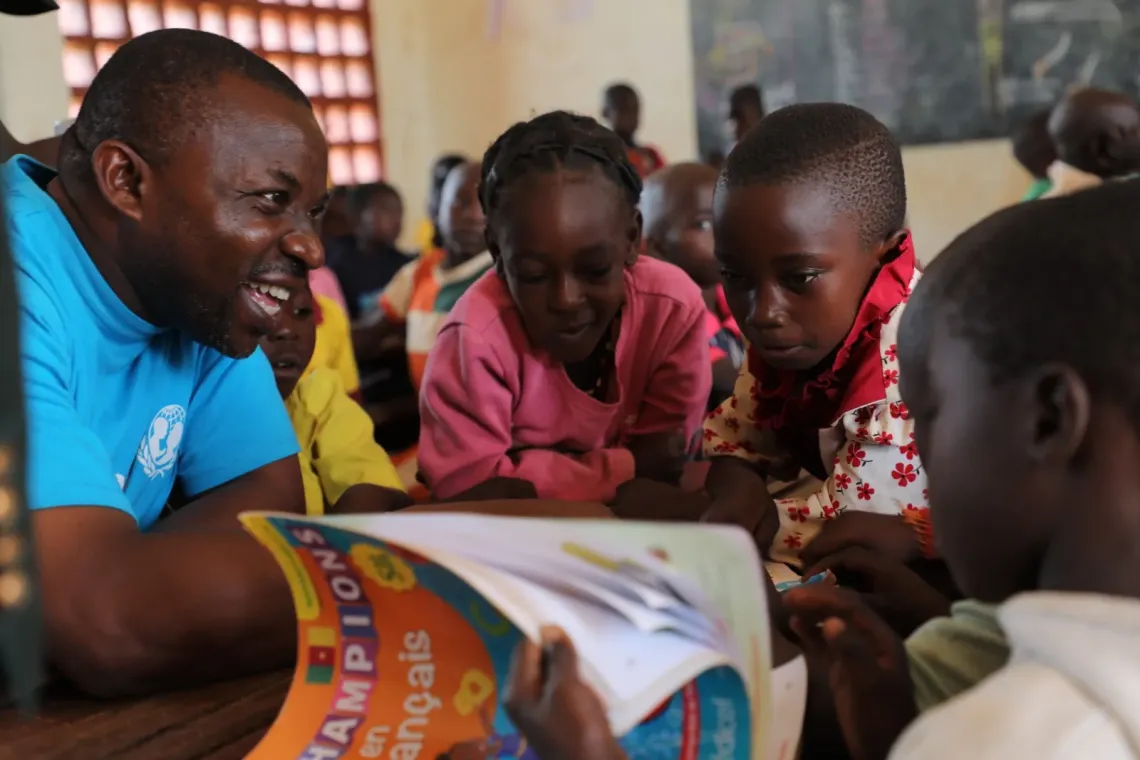
The school's principal recalled one child who arrived after fleeing the Central African Republic with an aunt. Joining a classroom was initially difficult, so the school gave the child time and space to adjust and gradually introduced other pupils. Eventually, playing with classmates during breaks became part of school life.
It is a reminder that education is about more than classrooms and desks. For children affected by conflict and displacement, learning also begins with feeling safe, understood and included.
A partnership for children's futures
The stories of Sadia and the children of Mbounou and Bindia show how cooperation between the Republic of Korea, KOICA, UNICEF and communities in Cameroon is translating into tangible change.
For Sadia, partnership means gaining the skills and tools to build an independent future. For girls in Garoua-Boulaï, it means understanding their rights and having greater confidence to make decisions about their lives. For children in Mbounou, it means safe water and better conditions to learn. For children affected by displacement, it can mean finding a school ready to welcome and support them.
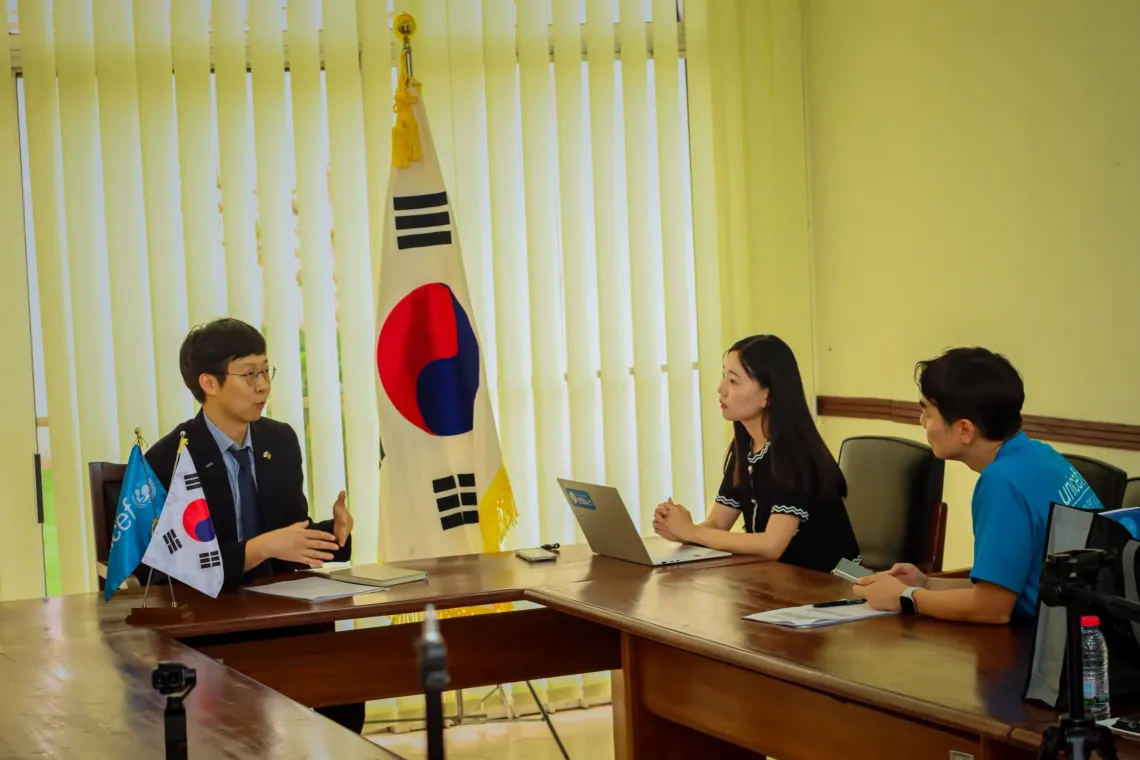
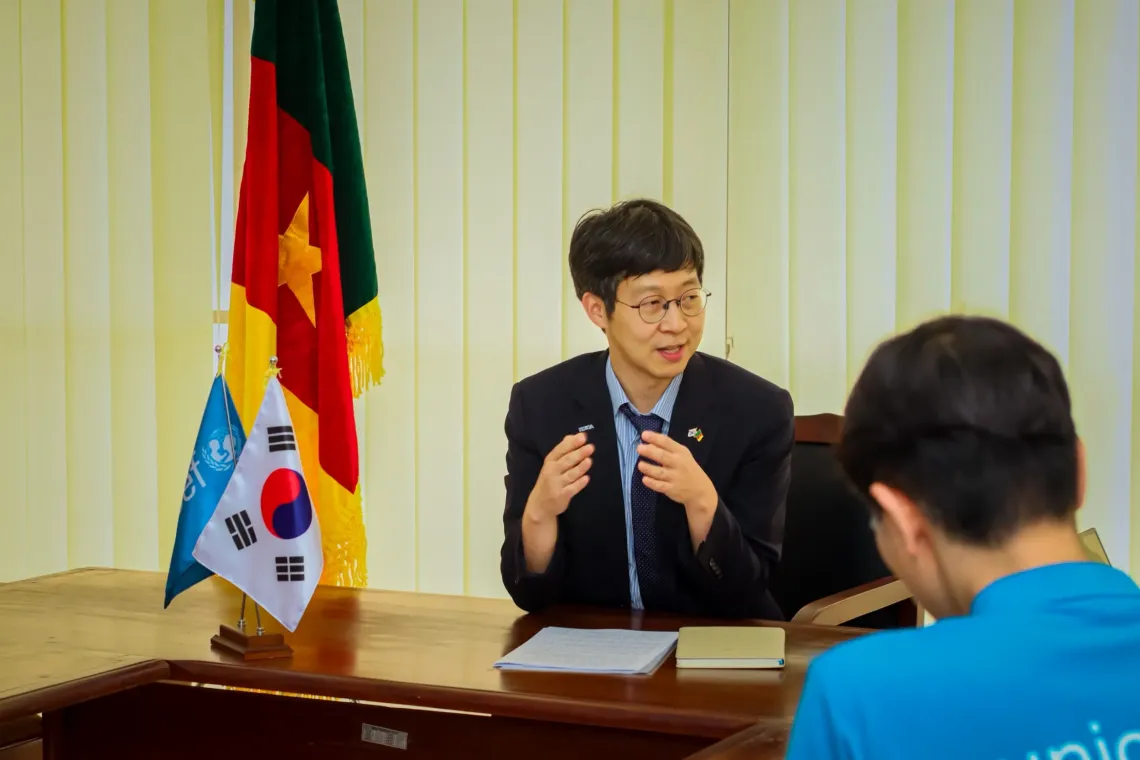
Yukyum Kim, Country Director of the KOICA Cameroon Office, described development cooperation as an investment in the future, emphasizing the importance of directing support to children and communities where it is needed most.
“We prioritize investment in places where support is most urgently needed, so that no child is left behind in development.”
Looking ahead, Yukyum Kim also highlighted what investing in children today could mean for Cameroon's future:
“We sincerely hope that the children who are growing up healthy and pursuing their dreams in classrooms today will become responsible citizens and leaders who make their communities and country more peaceful and prosperous.”
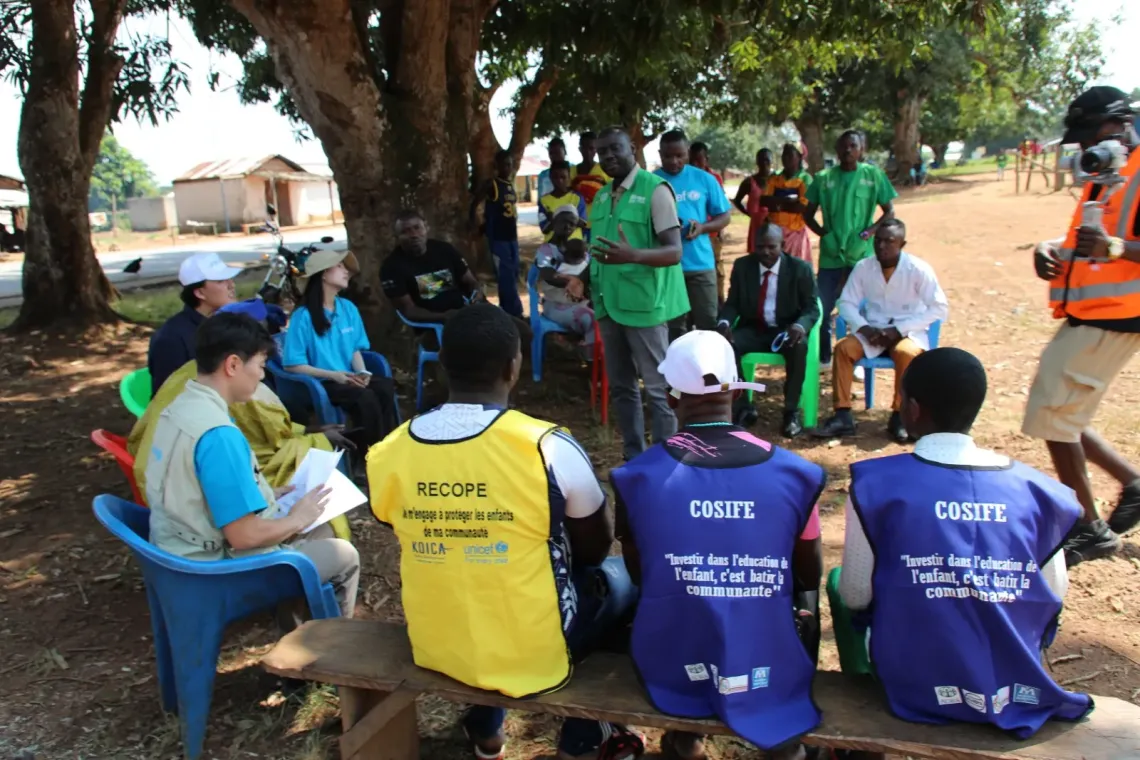
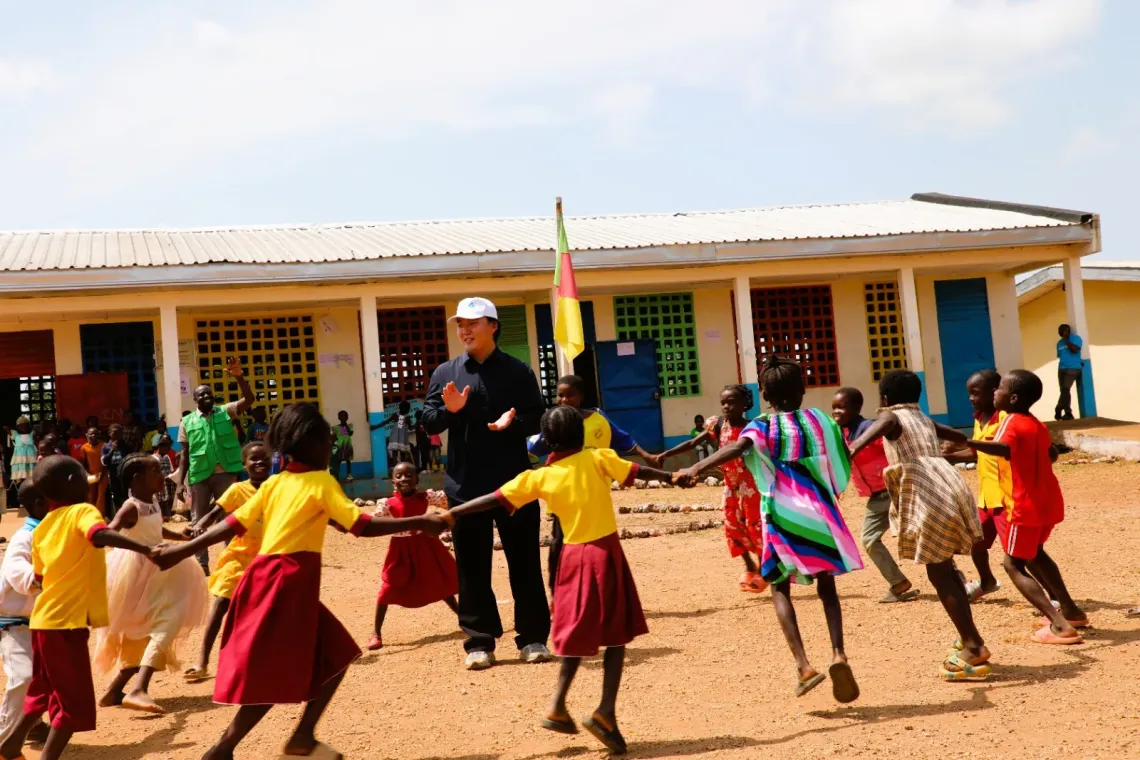
In a sewing workshop in Garoua-Boulaï, beside a school water tank in Batouri and inside a classroom welcoming children displaced by conflict, that investment in the future is already taking shape.
Through its partnership with UNICEF, the Republic of Korea is helping children and young people in Cameroon gain something fundamental: the opportunity to learn, grow and shape their own futures.