Article
From warehouse to community: How Korean support is empowering Cameroon’s youth
How support from the Republic of Korea is keeping vital supplies moving and giving adolescent girls a platform to be heard
Myung-kil Ji

13 November 2026
On 2 and 3 November, a Korean delegation visited Douala and travelled to Buea in Cameroon's South-West Region to see how the partnership between the Republic of Korea and UNICEF is changing the lives of children and adolescents. The journey began where many of UNICEF's responses start at a warehouse in the port city of Douala and ended with young people in Buea and Tiko who are speaking up for their own futures.


Where supplies begin: the Douala logistics hubThe UNICEF logistics hub in Douala is easy to overlook, yet it supports children across Cameroon and neighbouring landlocked countries, particularly the Central African Republic and Chad. As one team member explained, their mission is to make sure "the right supplies reach the right place at the right time, in the right condition and at the best possible cost."Managing customs clearance, quality checks, and inventory, the team ensures supplies safely reach implementing partners and communities.


The hub is also vital for rapid emergency response. During the recent cholera outbreak in Cameroon's Far North, the team dispatched water treatment items, sanitary supplies, and medicines to local hospitals and partners. Contingency stocks held in Douala have likewise helped neighbouring countries respond quickly to health emergencies, including Ebola outbreaks, saving critical time when every day counts.


Girls with a voice: meeting the Adolescent Girls Advisory Board in BueaOn 3 November, the delegation met in Buea with regional officials and implementing partners FIED, Street Child, and TeenAlive to review the Korean-funded RESPUN education project. Running from March to November 2024, the initiative strengthened learning access for crisis-affected children across the North-West and South-West regions:
- 5,170 out-of-school children (ages 3 to 17) were reached through 139 mobile Neighbourhood Learning Corners led by 70 community facilitators.
- 6,680 students (3,900 boys and 2,780 girls) were supported in formal schools with a 95% retention rate, alongside 250 teachers trained across 117 schools.
- 38 children were referred for critical child protection and psychosocial support.
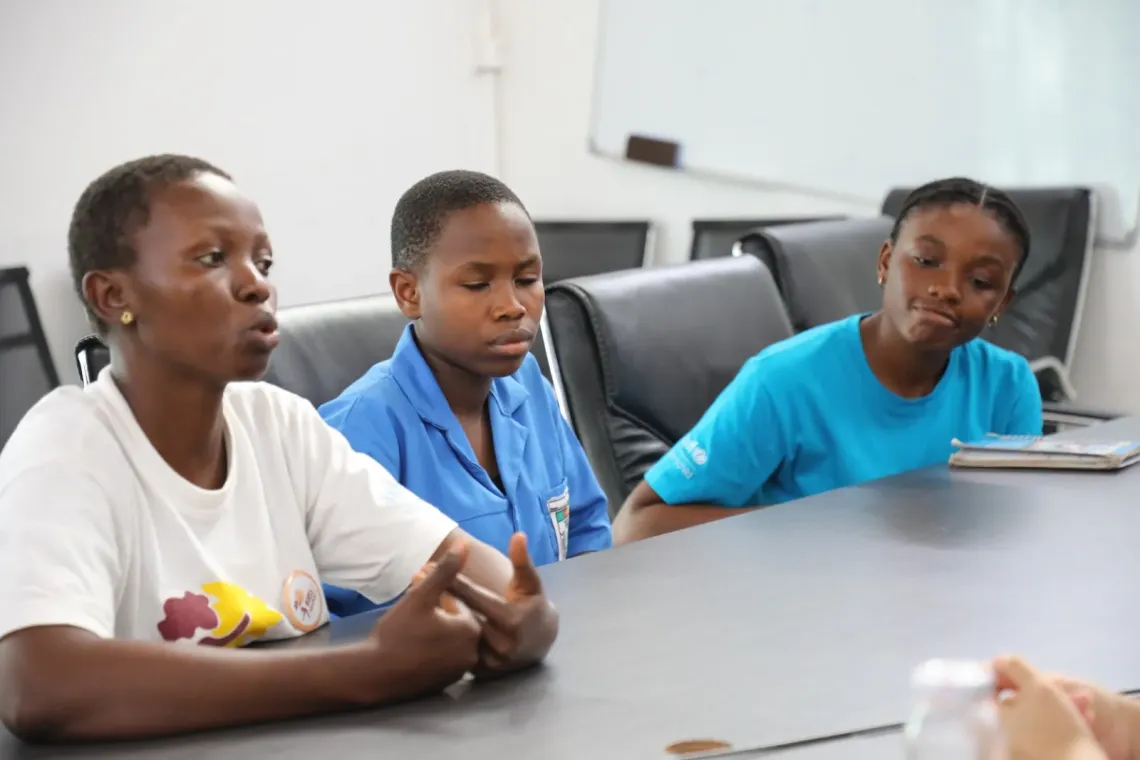

Success shared that years of crisis have left young people struggling with depression and anxiety due to a lack of mental health support. "I'm not speaking only for myself, but for every young girl or boy in my community," she said. "The future is so bright."Malala highlighted barriers to education, including unsafe schools, discrimination, and families keeping daughters home. She urged leaders: "You shouldn't stigmatize, and you should stand for girls' rights." Emmanuella, a young mother, addressed the stigma around teenage pregnancy. "It is a difficult moment, but it's not the end," she said, encouraging others: "You are bold, you are courageous. Don't give up."


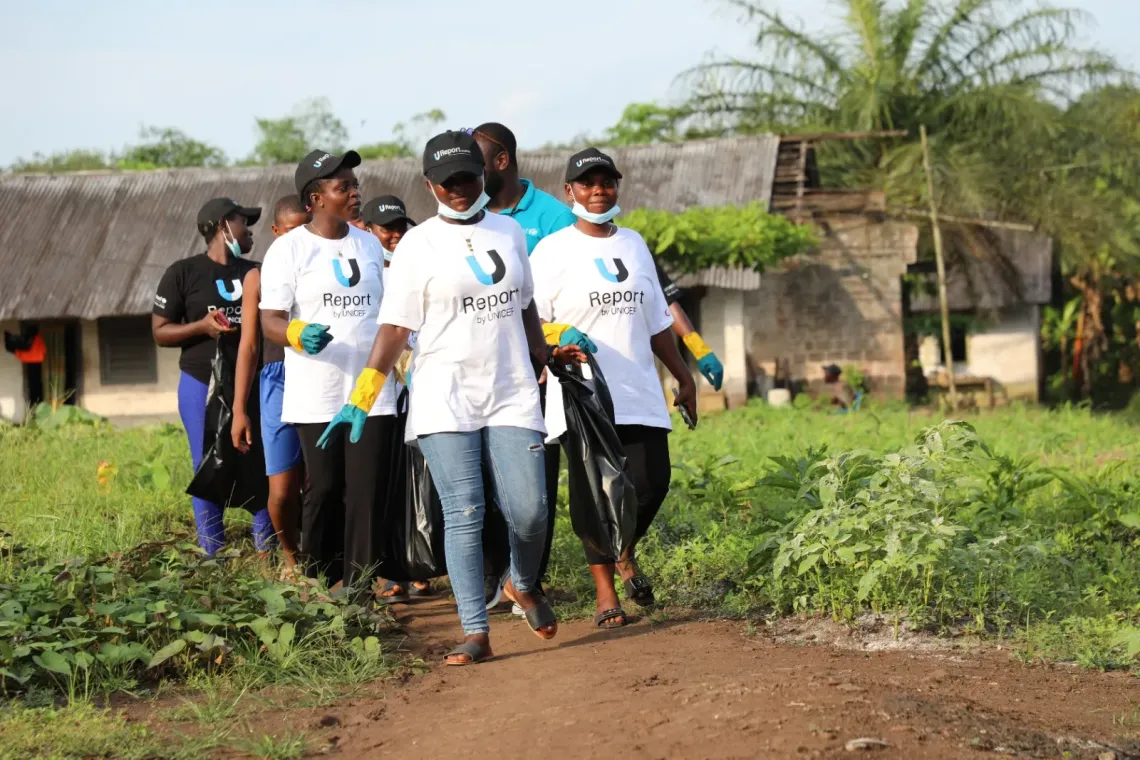
Girls and enterprise: Cameroon Rinoo and TikoIn the afternoon, the delegation visited Cameroon Rinoo, a local factory producing reusable sanitary pads, much of which is procured by UNICEF. Born out of the regional crisis to combat period poverty, exploitation, and early pregnancy, the factory employs displaced young women in a community hosting roughly 15,000 internally displaced people. The facility runs an on-site daycare for working parents and continually adapts its designs based on girls' feedback, recently lengthening the pads and updating fabrics. To scale up, the team needs investment in machinery, technical training, buyer links, and a larger child-friendly space. "Restoring dignity is at the heart of the work that we do," one team member said, urging girls to dream beyond limitations. On the return trip to Douala, the delegation stopped in Small Ekange, Tiko, where young U-Reporters led a community clean-up and engaged with residents.

A partnership that listensFrom a logistics hub that keeps lifesaving supplies moving, to girls who are now advising on the programmes that affect them, the day showed what partnership looks like in practice. Before the delegation left, Success and Malala shared a message for the people of Korea. Success thanked the Korean government and every UNICEF partner for their support, saying it made a difference in what young people in Cameroon can access. Malala thanked Korea for supporting education in Cameroon and for "giving us the opportunity to express ourselves" and for letting others hear what girls in Cameroon are doing today. Through its partnership with UNICEF, the Republic of Korea is helping to make sure that supplies arrive, that girls stay safe and in school, and that young people have a say in decisions about their lives.