What is the Situation Analysis of Children and Adolescents (SitAn)?
How data and dialogue are shaping the lives of every child and adolescent in Ghana.

To build a better future, we must first understand the present. The Situation Analysis of Children and Adolescents (SitAn) is Ghana’s most comprehensive evidence-based study. It moves beyond guesses to look at the real-world challenges and opportunities facing young people today. From healthcare, protection, education to climate change, and digital growth, this analysis provides the blueprint for how the government and partners can protect the rights of every child.
What is the Situation Analysis of Children and Adolescents (SitAn)?
The SitAn is a deep-dive assessment of how children and adolescents in Ghana are truly doing. It uses evidence to examine the realities of families and communities, uncovering the root causes of rights violations and systemic bottlenecks. By analyzing different stages of childhood, the SitAn provides the essential evidence needed to shape government policies, sharpen programme focus ,and allocate resources where they are most needed.
Why does Situation Analysis of Children and Adolescents (SitAn) matter for Ghana?
Data alone isn't enough; the SitAn transforms that data into a shared national vision. It aligns Ghana’s progress with international standards like the Convention on the Rights of the Child (CRC) and the 2030 Agenda for Sustainable Development. This helps the government, parliament, and civil society stay accountable, ensuring we stay on track to meet our national and international obligations to our children and adolescents.
What is the scope of the 2025 SitAn?
The report provides a snapshot of well-being across several critical sectors:
Key Sectors: Health and nutrition, education, WASH (water, sanitation, and hygiene), child protection and social protection.
Life Stages: The analysis follows a child from pregnancy and birth through early childhood, middle childhood, and into the teenage years (up to age 19).
Cross-cutting Issues: It specifically looks at how gender, disability, poverty, climate change, location (urban vs. rural) and financing impact a child’s opportunities.
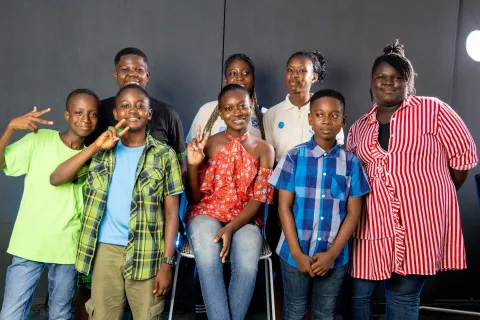
A unique feature of the 2025 SitAn is the Foresight Component, where children themselves helped identify future trends and aspirations, ensuring policy is designed through their eyes.
How is the Situation Analysis of Children and Adolescents (SitAn) conducted?
This was a highly participatory process led by the Government of Ghana in collaboration with UNICEF. To ensure the highest level of accuracy, the process was overseen by:
A Steering Committee: High-ranking officials from the Ministry of Gender, Children and Social Protection, the National Development Planning Commission National Development Planning Commission (NDPC), and the Ghana Statistical Service.
A Technical Committee: Experts from civil society, academia, and government agencies.
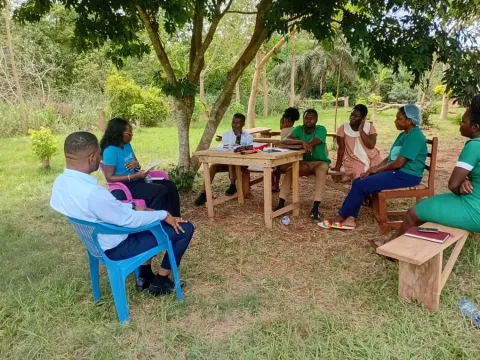
The team combined national datasets (such as the 2022 Demographic and Health Survey (DHS) and the 2021 Population and Housing Census (PHC) with direct interviews and focus groups to ensure the findings were both statistically sound and human-centered.
The SitAn report will be officially published in April 2026.
What actions are needed now?
Evidence must lead to action. We call on all stakeholders, from policymakers and businesses to faith-based organizations and traditional leaders, to use these findings to address the most urgent risks facing our children.
Most importantly, children and adolescents must be included in the decision-making process. They are not just the subjects of this data; they are the advocates who will help shape the solutions for Ghana’s future.