What is Lead Poisoning?
Everything you need to know about lead poisoning in Ghana and how to prevent it.

Around 1 in 3 children – up to 800 million globally – has blood lead levels at or above 5 micrograms per decilitre (µg/dL), a level that the World Health Organization and the United States Centers for Disease Control and Prevention have stated it requires global and regional interventions.
In Ghana, lead contamination poses a serious public health concern, particularly in communities engaged in informal battery recycling, e-waste processing, and the consumption of lead-containing clay products. These activities expose residents—especially children—to dangerous levels of lead, contributing to a range of adverse health effects. The risks associated with lead exposure are increasingly alarming and demand urgent attention.
Understanding Lead and Why It's Dangerous to Our Health.
Lead is a toxic chemical that can poison our bodies, and it's found in some things we use every day. It’s found in traditional eyeliner in Ghana, which some people call "Chilo," "Kohl," or "Kaaji-Kaaji." This highlights a significant source of lead exposure in daily life.
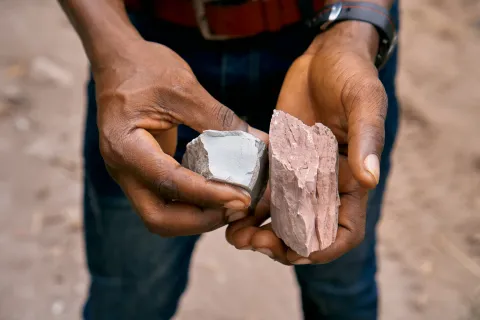
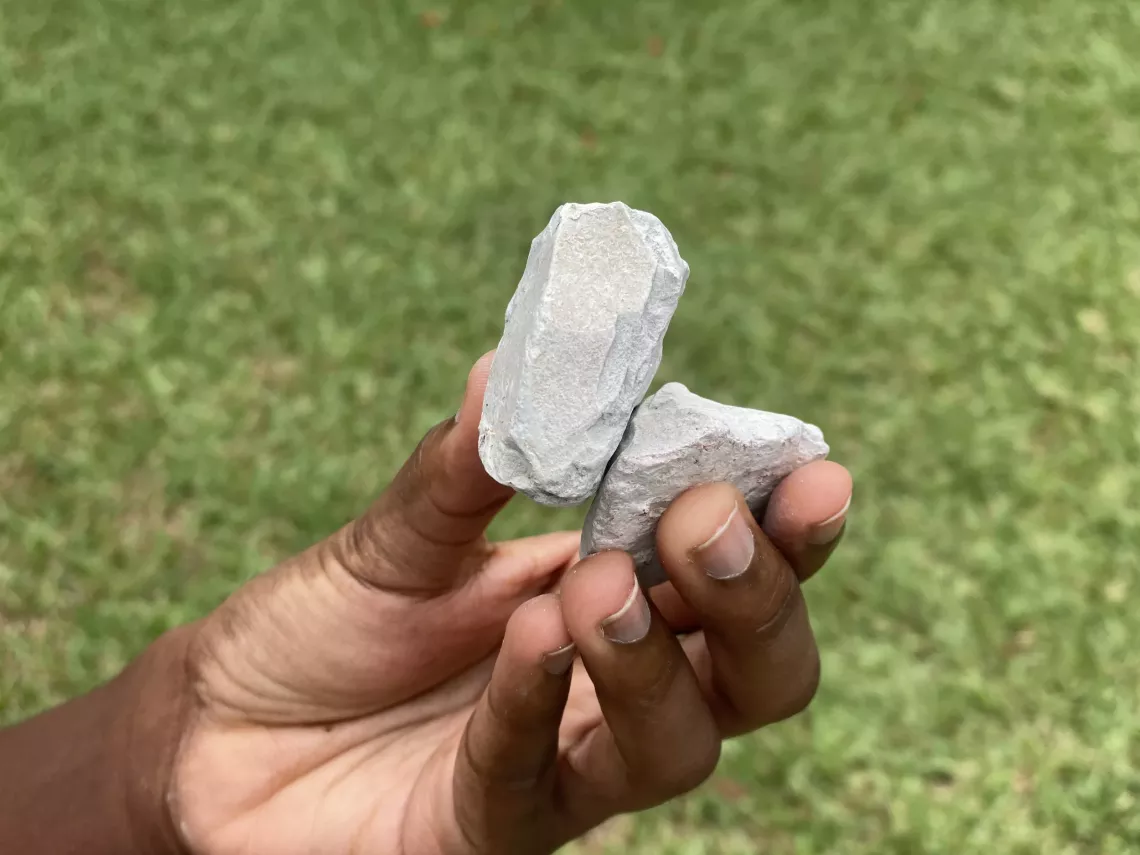
Lead is also present in some cooking pots commonly used in Ghanaian households. Additionally, in Ghana, there is a white baked clay, known as "Shere," "Ayilo," or "Farin-Kasa," that some pregnant women eat to help with morning sickness; this clay may contain lead, raising concerns for maternal and child health.
Even some human activities can spread lead. When people look for metal scraps, recycle old car batteries, or burn old electronics, that releases lead into the environment, contributing to environmental lead contamination. And if children chew on paint that's peeling off the walls, they can swallow lead.

But how does lead get into our bodies?
We can breathe it in from the air, especially if things like old electronics are being burned nearby. Lead can also get into our bodies from the makeup we use, the food we eat, and the water we drink. And children can swallow lead if they put paint flakes in their mouths.
The serious impacts of lead poisoning, especially for children's development.
Lead is a poison, and it's especially harmful to pregnant women and young children. Young children are at the biggest risk because they love to explore with their hands and then put those hands in their mouths! Understanding the effects of lead on children's development is crucial.
For children, lead can cause permanent damage to their brains. This can make it harder for them to learn and can even change how they behave. It can also lower their intelligence, make them speak and grow slower, and even hurt their kidneys and other important parts of their bodies. These are critical long-term health effects of lead.


Did you know that children actually absorb four to five times more lead into their bodies than adults do?
That's why we need to be extra careful with children to prevent childhood lead exposure.
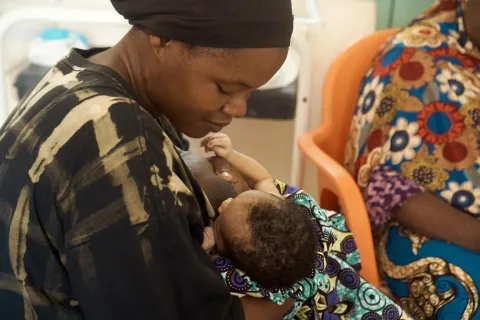
And for pregnant women, lead is also very dangerous. It can pass from the mother to the baby growing inside her, affecting the child even before they are born!
Lead can cause pregnant women to have low blood levels (anemia), and it can sadly lead to miscarriage, premature birth, babies born too small, and babies born with brain problems.
These are severe risks of lead during pregnancy.
Protecting Yourself and Your Family from Lead Poisoning in Ghana.
- Keep children and pregnant women away from areas where car batteries or electronics are recycled or burned, emphasizing safe battery recycling Ghana.
- Avoid using or eating products with known lead risks, including certain traditional makeup and clays.
- Do not allow children to chew on or play near peeling wall paint.
- Ensure regular handwashing, especially before meals, as a simple lead prevention strategy.
- Promote good nutrition – foods rich in calcium and iron help reduce lead absorption.
- Educate communities about safe recycling practices and the dangers of lead exposure, fostering community awareness of lead hazards.
Lead Poising is a preventable crisis. If we act now — with urgency, education, and safer practices — we can prevent irreversible harm to Ghana’s next generation.
Click on the link below to read more on the toxic truth report about Lead poising