What is Child Food Poverty? Everything You Need to Know About the Crisis in Ghana
Beyond Hunger: Unveiling the Hidden Malnutrition Affecting Millions of Children in Ghana
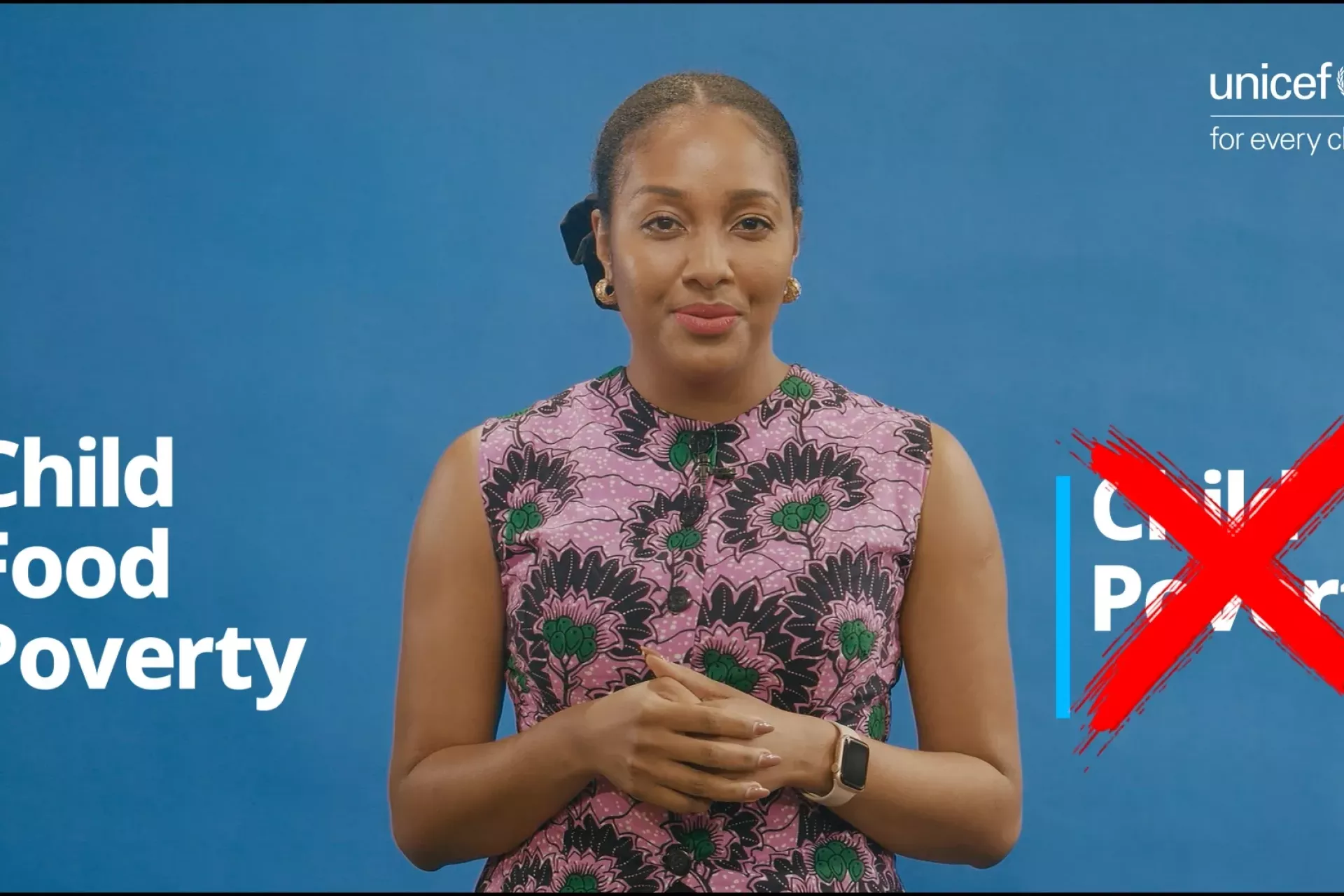
What exactly is Child Food Poverty, and how is it different from general Child Poverty?
Child Food Poverty is not simply about a lack of food, but rather the lack of nutritious food. It occurs when children don't receive the essential vitamins and minerals their bodies need to grow and develop properly. Specifically, if a child consumes food from four or fewer of the eight key food groups daily, they are experiencing Child Food Poverty. This means they are missing vital nutrients crucial for their health and well-being.
Why is Child Food Poverty so prevalent in Ghana, even in relatively wealthy households?
This is a complex, multi-layered problem. Firstly, the global poly-crisis – a combination of overlapping crises – is severely impacting our food systems.
Secondly, while poverty at the household level plays a role, shockingly, nearly half of children in Ghana's wealthiest homes still experience Child Food Poverty. This highlights that it's a systemic issue, not just an individual one.
Thirdly, the food system itself is failing children. Markets are often flooded with processed commodities, lacking the diversity of nutritious foods children require.
What is the impact of Child Food Poverty on children in Ghana?
The impact is devastating. In Ghana, 2.4 million children under five are living in Child Food Poverty. While progress has been made in reducing child stunting, with rates dropping from 33% in 1993 to 17% in 2022, significant challenges remain. One in five children is still stunted, and one in two suffers from anemia. Crucially, while breastmilk provides essential nutrients for young children, after the age of two, 90% of children fall into Child Food Poverty, relying heavily on staples like breastmilk and other starches, lacking vital nutrients from dairy, eggs, fruits, vegetables, legumes, and nuts.
What can be done to address Child Food Poverty in Ghana?
Several critical steps are needed:
- Fix the food system: We must prioritize access to nutritious foods for children.
- Implement policies that make healthy food an easy choice: This includes regulations and incentives that promote the availability and affordability of nutritious options.
- Support parents and caregivers by empowering them with the knowledge and resources to make informed decisions about their children's diets.
- Strengthening investment in nutrition programs: Evidence shows that these programs effectively combat malnutrition.
What is the call to action?
We must work together to end Child Food Poverty in Ghana. Every child deserves a healthy start and the opportunity to reach their full potential. The strength of our nation lies in the well-being of our children. By investing in their nutrition, we are investing in our future.
Where can I find more information?
For more in-depth information, please refer to the first issue of our Nutrition Advocacy Bulletin.