Everything You Need to Know About the Day of the African Child
Honoring Resilience, Championing Rights, and Shaping Africa's Future Every June 16th.
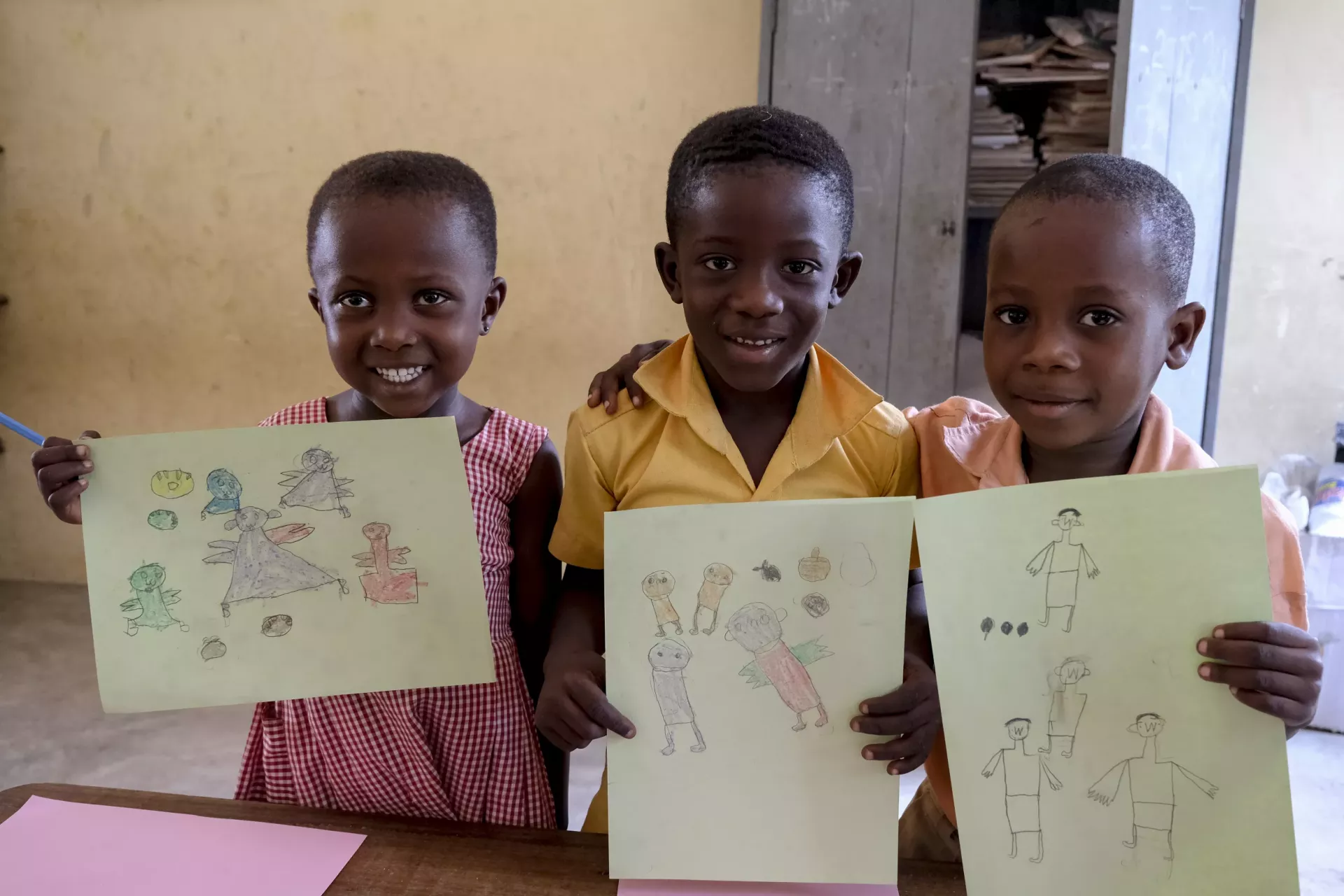
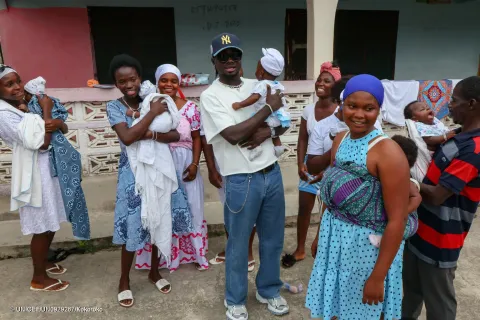
The Day of the African Child, observed every year on June 16th, is a day to honor the resilience of children and reflect on the progress made in ensuring their rights across Africa.
Why was this day established?
The Day of the African Child was established out of a tragedy - in response to the Soweto Uprising on June 16, 1976, when thousands of Black schoolchildren in South Africa protested against poor educational conditions and the imposition of Afrikaans as the language of instruction.
The protest ended in violence and loss of young lives, inspiring the Organization of African Unity now the African Union to create this day to commemorate the courage of those children and to champion the well-being of all African children.
The Day of the African Child is a crucial platform for the African Charter on the Rights and Welfare of the Child.
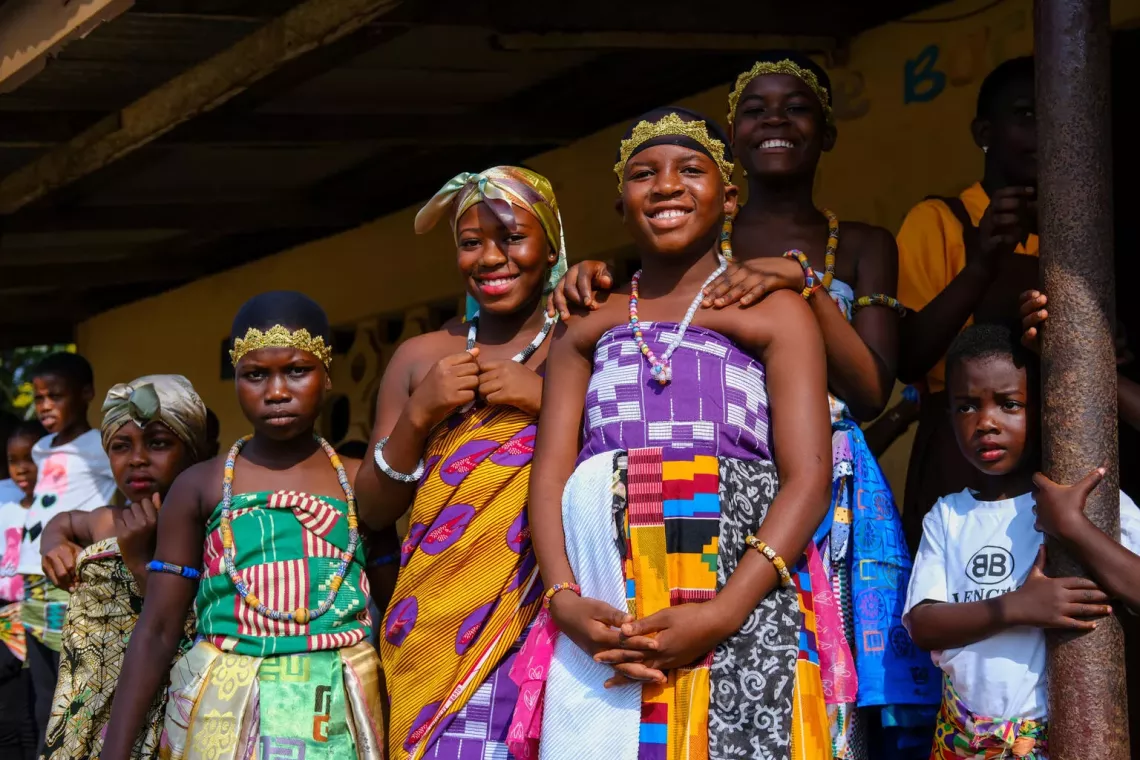
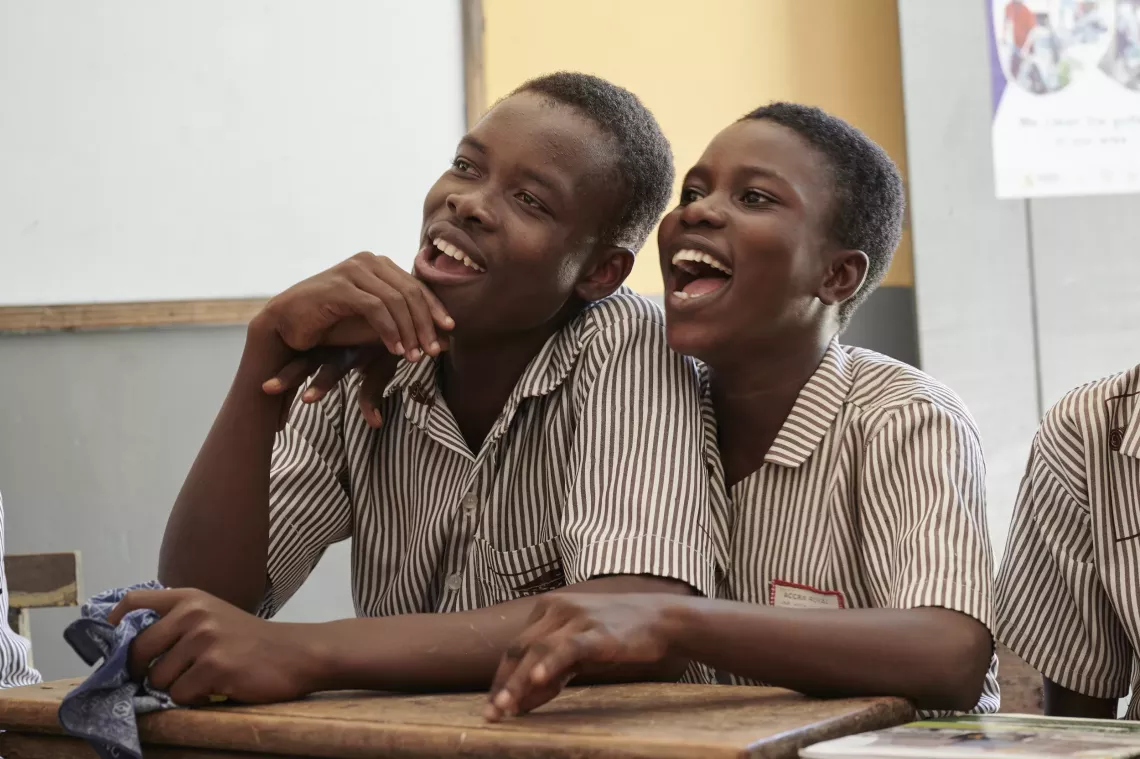
What is the significance of the African Charter on the Rights and Welfare of the Child?
The African Charter, a document with 48 articles, outlines the rights and responsibilities of children in Africa. It serves as a roadmap for governments and communities, ensuring children’s protection, survival, development, and participation in society. By recognizing children as rights-holders, it calls on governments to uphold these essential provisions.
This Charter reflects Africa’s commitment to the well-being of its youngest citizens.
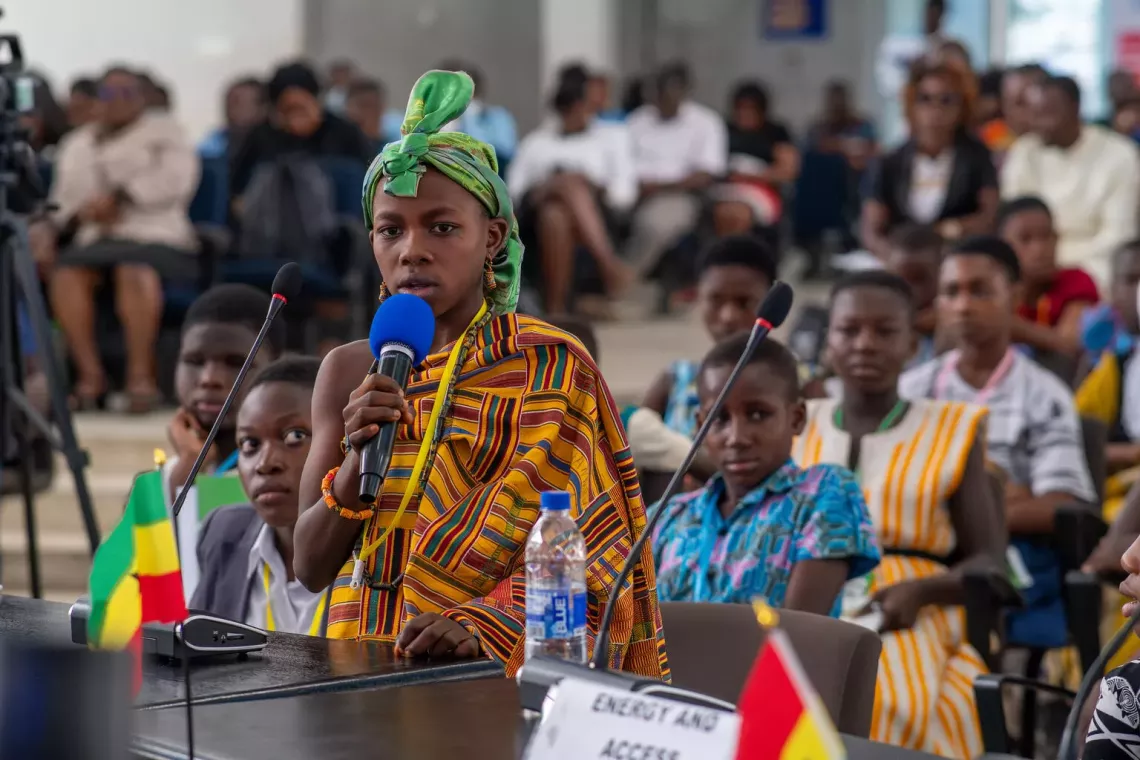
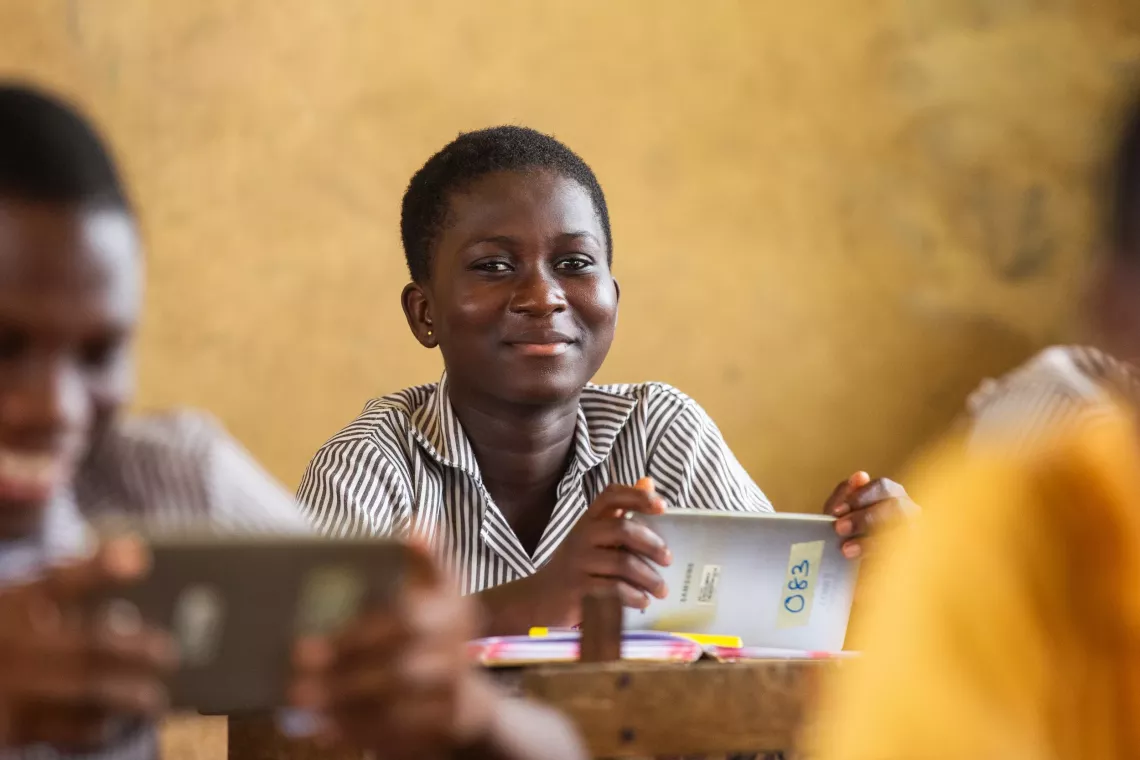
Why does the Day of the African Child matter today?
This day is not just about remembrance; it’s a call to action. It amplifies children’s voices and promotes their rights, urging governments, communities, and individuals to collaborate to ensure every African child has access to quality education, healthcare, protection, and a safe environment. This day also reminds us that for every child, there must be:
- A safe environment
- Dignity
- Opportunity
- Justice

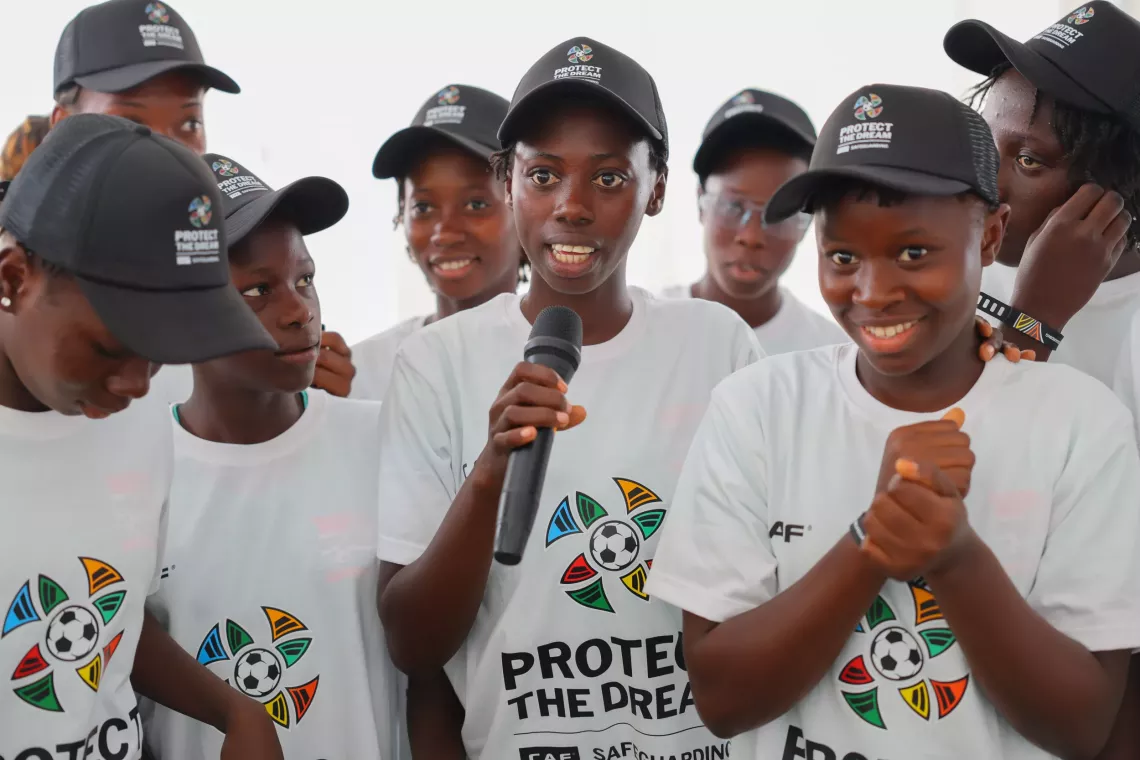
What are the current statistics on Africa’s child population?
As of 2023, Africa is home to an estimated 627 million children under the age of 18. By 2050-2055, this number is projected to rise to nearly 1 billion, which means that 40 percent of the world’s children will be in Africa. That translates to 4 out of every 10 children in the world will be African. In Ghana, children make up approximately 45 percent of the population, highlighting the vital relevance of the day's objectives and the work towards its goals to secure Ghana's future.
What should be done to prepare for this growing child population?
This is not a distant reality. This is a call to prepare now. There is an urgent need to invest in foundational learning, health, nutrition, protection, digital inclusion, and job-readiness to equip this generation not only to survive—but to thrive.
The future of Africa is the future of the world and immediate action is imperative to avoid global consequences. Bold, united, and sustained action will foster a generation of innovators and leaders for the continent and beyond.