Community Theatre Takes Centre Stage in Challenging HPV Vaccine Misconceptions in Ghana
UNICEF Ghana uses theatre to build community trust and promote HPV vaccine acceptance.

In the months leading up to the introduction of the Human Papillomavirus (HPV) vaccine in Ghana, social listening data revealed that many parents, particularly those with adolescentdaughters, were hesitant due to prevalent rumours and misinformation which suggested that the HPV vaccine could cause infertility and other adverse side effects. This fuelled fearand resulted in indecisiveness among some parents and adolescents. Moreover, based on behavioural insights collected by the UNICEF Ghana SBC team prior to the HPV vaccination rollout, many parents were reluctant to allow their girls to get the vaccine because they lacked adequate information. Recommendations from the study clearly indicated the importance of a multi-sectoral approach where teachers, parents, and community leaders work together to generate vaccine confidence and acceptance while addressing concerns among parents, adolescents and the broader community.
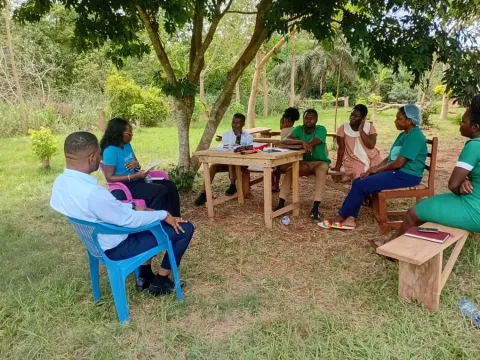
Theatre for Social Change (TfSC), a community-based organization that uses theatre to bring social issues to light in communities, became the unlikely heroes in their partnership with the UNICEF SBC Team. With support from UNICEF and the Ghana Health Service, Theatre for Social Changeengaged stakeholders (teachers, parents, and community leaders) in their communities through community centres, schools, and communitycourtyards across the Volta, Greater Accra, Central, and Western Regions.
Through live drama, role play, and community dialogues, Theatre for Social Change entertained and engaged communities, highlighting the benefits of the HPV vaccine as a tool to prevent cervical cancer while dispelling myths and misconceptions.
Through relatable stories, familiar faces, and heartfelt testimonies from community members, Theatre for Social Change performances facilitated a greater understanding and acceptance of the vaccine.
Mothers viewed stories of families affected by cervical cancer. Fathers listened as health experts and respected opinion leaders dispelled myths. Most powerful were real accounts from families that had lost loved ones due to the disease, urging parents to protect their daughters with the HPV vaccine.

This approach, grounded in local language, humour, and emotion, helped to make the messages accessible and trustworthy. The community saw people they knew and respected leading conversations. This built accountability and trust, turning scepticism into acceptance.
Following a performance in the Western Region (WR), one young audience member asked:
“Please, Sir, which hospital can I go to for the HPV vaccine? I didn’t know it was like this, and my mother didn’t know either. I don’t want what happened to the girl in the drama to happen to me.”
The results were striking in districts were live drama and role play were implemented, and vaccine trust, confidence and acceptance improved, contributing to high rates of vaccine uptake:
“I am happy to report to you that we didn’t experience hesitancy in the schools where drama was performed but had hesitancies from non-participating schools”
Parents and grandparents who were once hesitant became vaccine advocates, encouraging others to get their daughters and granddaughters vaccinated:
“I personally asked all my three granddaughters to take the vaccine after knowing the consequences that they may get in the future if they fail to take the vaccine. I will advise all parents to allow their daughters to take the vaccine to avoid future cervical cancer. I thank God we have a vaccine for it”

Finally, during post drama dialogues, adolescents and adults above the eligible age questioned why they were excluded from the vaccination campaign because they felt this decision was unfair.
In response, the TFSC team highlighted the importance of regular cervical cancer screening.
Yet, the journey wasn’t without challenges. Finding survivors willing to share their stories publicly was difficult due to stigma and fear of judgment. Also, in some districts, local influencers continued to discourage participation in the vaccination exercise. But with persistent dialogue, accurate information from health workers, empathy, and community engagement, the drama groups won hearts and changed minds, positively influencing vaccination decisions.
“The Drama staged on the HPV vaccination, even though it was targeting the routine vaccination for the HPV vaccine among girls who will be turning 9 years, some girls who refused the vaccination during the mass campaign are now interested to take the shots because, after watching the drama, they were well informed to decide on taking the vaccine.”

For Theatre for Social Change and UNICEF, this experience reaffirmed that information alone isn’t enough — engagement is key and content must be delivered in ways people can relate to and framed using behavioural insights. The lessons from this initiative can benefit any community facing similar social and cultural barriers.
As Ghana continues its HPV vaccination rollout, more parents are making informed choices, and more girls are being protected from a preventable disease. So far, 1,876,066 girls aged 9–14, or 84% of those eligible, have received the HPV vaccine.
Why this matters: Every girl vaccinated brings Ghana one step closer to ending cervical cancer as a public health threat. By ensuring communities have accurate information and a platform to dialogue openly, this initiative is helping to protect the future of girls in Ghana from cervical cancer and build confidence in adolescent health services.
Call to Action:
Help spread the word. Encourage families, teachers, and community leaders to share accurate information about the HPV vaccine. Learn more from your local health facility or UNICEF Ghana and Ghana Health Service social media pages. Together, we can protect every girl and give her a healthier future free from the fear of cervical cancer so that she can live her dreams.
Acknowledgements
UNICEF Ghana and its partners wish to acknowledge the financial contribution and support from both our UNICEF Headquarters and the Government of Canada.