Cholera Prevention: Your Guide to Staying Safe
Essential Facts and Prevention Tips
Cholera has re-emerged in Ghana after a significant global decline. The Ghana Health Service reports confirmed cases and related deaths in the Greater Accra, Central, Western, and Eastern regions.
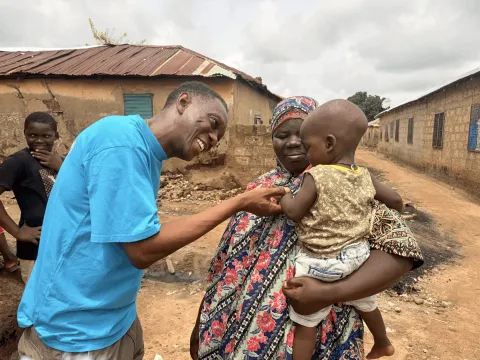
To mitigate the spread of the disease, the Ghana Health Service is launching a house-to-house vaccination campaign targeting individuals aged two years and older. A single-dose cholera vaccine will be administered in the most affected areas. Supported by UNICEF and other partners, the campaign aims to vaccinate 150,634 people in the affected districts.
What is Cholera?
It is one type of diarrhoeal disease caused by infection of the intestine with the bacterium Vibrio Cholerae present in faecal contaminated food or water. It is primarily linked to insufficient access to safe water and proper sanitation and can be fatal if not treated promptly.
How is Cholera transmitted?
It is spread through the eating of contaminated food or water and less frequently from person to person because of poor hygiene. Inadequate access to safe water and poor sanitation are major risk factors to the spread of cholera.
What are the symptoms of cholera?
Watery diarrhoea, vomiting and leg cramp. These symptoms can lead to rapid loss of bodily fluids and dehydration. Most people infected do not develop any symptoms, although the bacterium is present in their faeces for 1-10 days after infection and are shed back into the environment, potentially infecting other people. It takes between 5-12 days for infected people to show symptoms. A few people show symptoms, and those patients develop acute watery diarrhoea with severe dehydration. This can lead to death if untreated.
Who is at risk of contracting cholera?
People living in areas with inadequate access to clean water and sanitation facilities and crowded conditions such as in typically peri-urban slums are at a higher risk.
Prevention and Control:
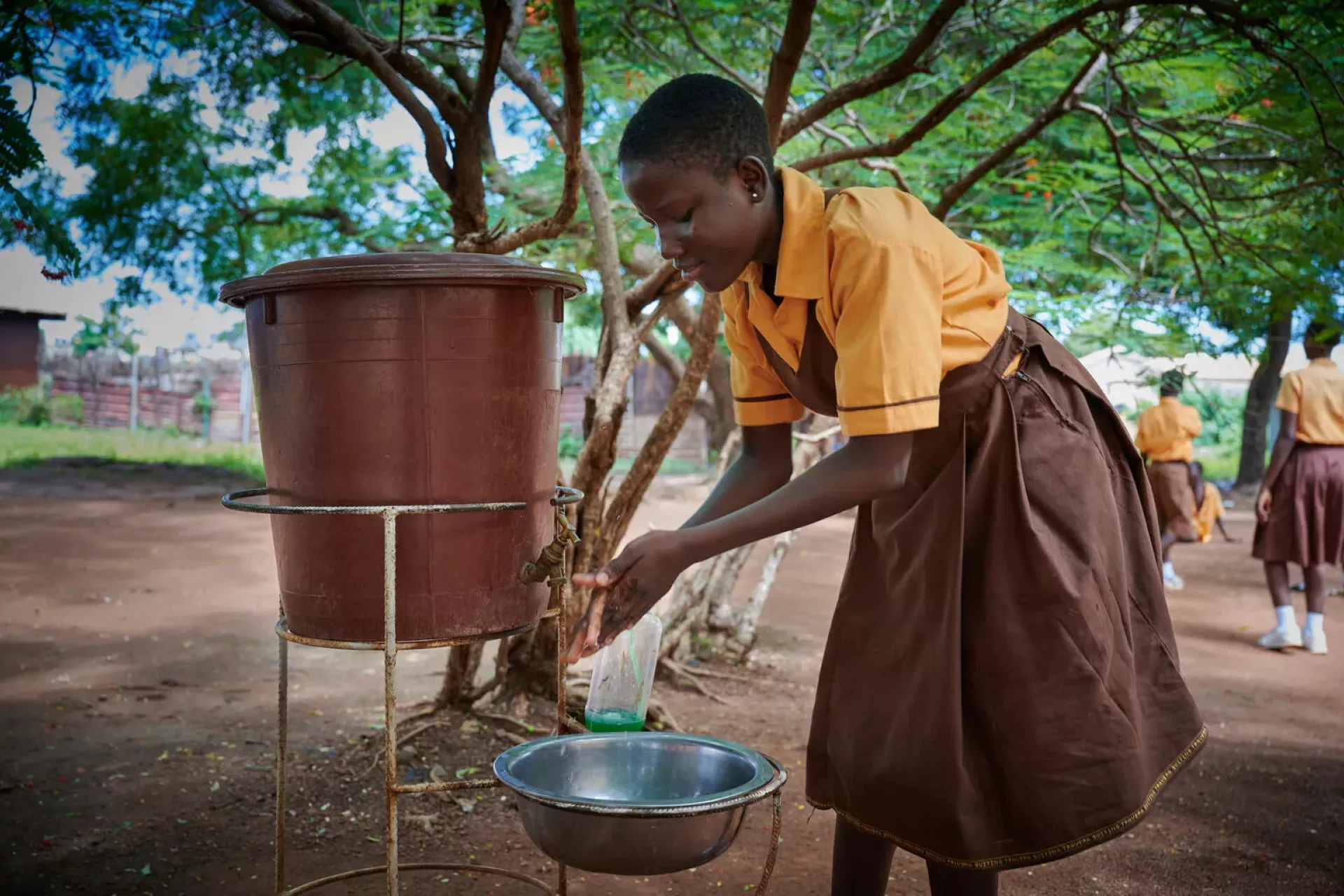
Prevention includes drinking safe water, practicing good hygiene, getting good information on the disease, prevention, and treatment as well as and a good surveillance system in place to check suspected cases early.
How do I treat cholera?
Cholera is easily treatable, but seeking medical attention immediately is critical. It can be treated with the use of oral rehydration solutions (ORS) or intravenous fluids, and in severe cases with antibiotics.
Is there a vaccine for cholera?
Yes, there are safe oral vaccines available that can provide protection against the disease.
Key facts on cholera
Global:
- Researchers estimate that there are 1 to 4.0 million cases of cholera and 21,000 to 143,000 deaths worldwide due to cholera.
- In 2017, a global strategy called “Ending Cholera: A global roadmap to 2023” was launched, aiming to reduce cholera by 90%.
Ghana:
- As of November 28, 2024, 203 cases had been confirmed in Ghana, with 22 deaths.
- The Greater Accra, Central, Western, and Eastern regions are affected.
Sources:
UNICEF Cholera tool kit, 2013
WHO website