A Promise for the Next Generation: Inside the Village of Sintet's Journey to End FGM.
Meta Bah and the people of Sintet joined forces to end FGM, proving one village can change the future for its girls.

It began on a chilly November night in the coastal village of Brufut. By midday on December 2nd, the National Assembly of The Gambia had followed suit, and by Christmas Eve, the Women’s (Amendment) Bill 2015 was officially law. In those jubilant final days of 2015, the hope was singular: that girls would finally be shielded from female genital mutilation (FGM), a practice that steals childhoods and leaves a trail of lifelong trauma. The law was here. The protection was absolute. Or so it seemed. A decade later, that hope is being put to the ultimate test.
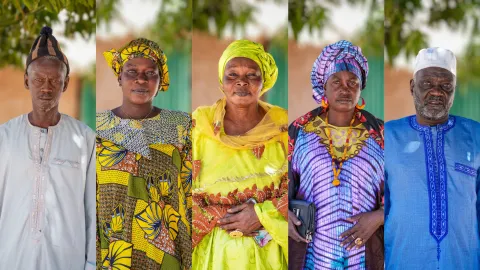
In the quiet village of Sintet, Foni, West Coast Region, the 2024 debate in Banjul, sparked by a parliamentary bill seeking to lift the ban on FGM, stirred a familiar fear for Meta Bah, a 55-year-old woman advocate dedicated to protecting women and girls of her community against harmful traditional practices.
“Female Genital Mutilation causes harm to girls, the children we must protect.” Says Meta.
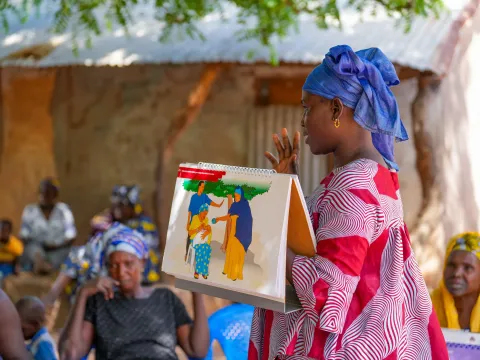
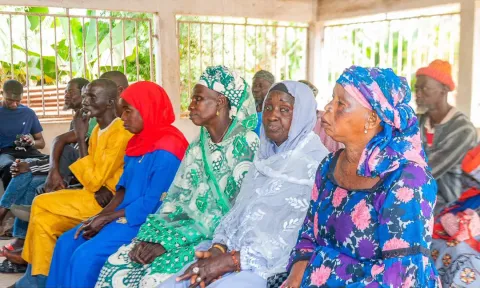
“The best part was the inclusion of men in the training.” Meta explains. “The decision to subject girls to FGM is not solely made by the women; it is made by both parents, and sometimes due to external pressure from other men. The training enlightened all of us to work together to end the practice in the village and inspire other communities to do the same.”
“The training exposed us to the realities faced by women and girls. We realized that the practice was never a religious, but a deep-rooted traditional practice harming our girls.” Buba recalls. “Today, the practice has stopped completely in our community.”
To the adolescent girls in Sintet, seeing both men and women take proactive roles to protect them provided the assurance they needed for a brighter future. Matty, a young resident, feels the shift.
“Since the training reached both our parents and us as young people, hopefully the practice ends with our generation. If they stop and we stop, eventually no one will practice it anymore.”
While the parliamentary decision to uphold the ban in July is reassuring, Meta is not resting. She knows that ending FGM requires concerted efforts, constant reminders, and initiatives that empower women and girls to defend their rights. She hopes that such training will have similar effects in other communities across the country where men and women come together to defend and protect the next generation.